_1745479303268.webp)
Medical Surgical Tape Guide
Medical Surgical Tape – The Ultimate Guide for Wound Care
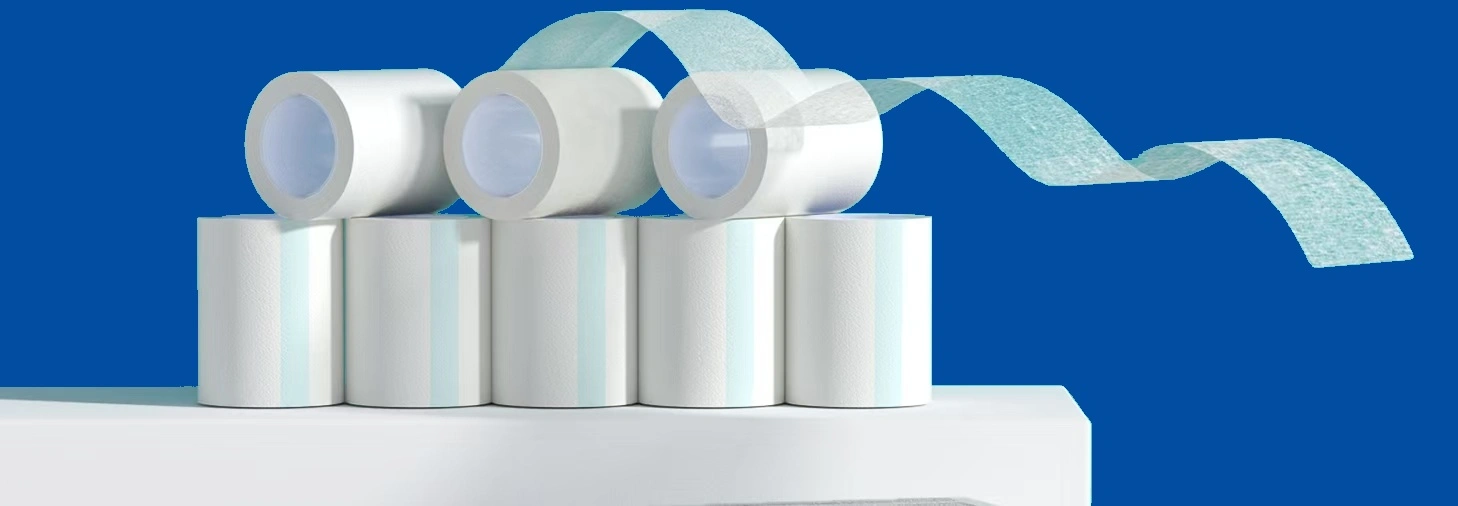
What is Medical Surgical Tape?
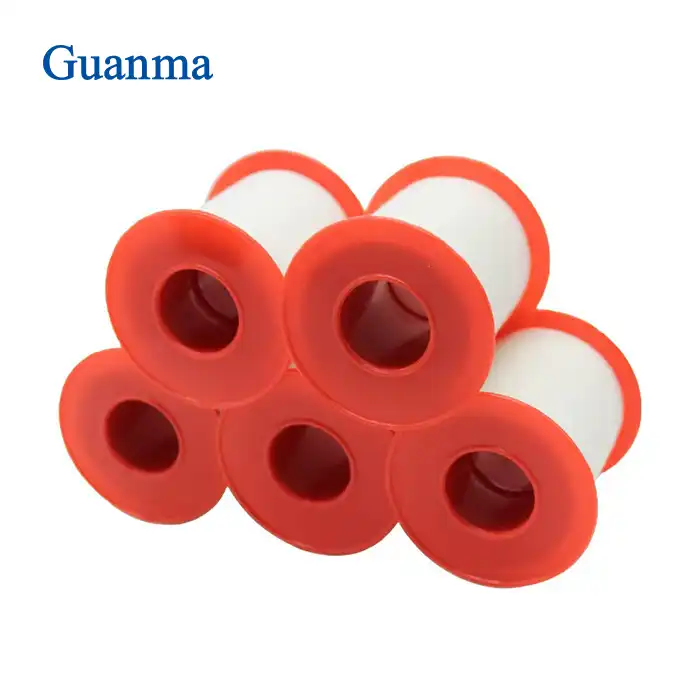
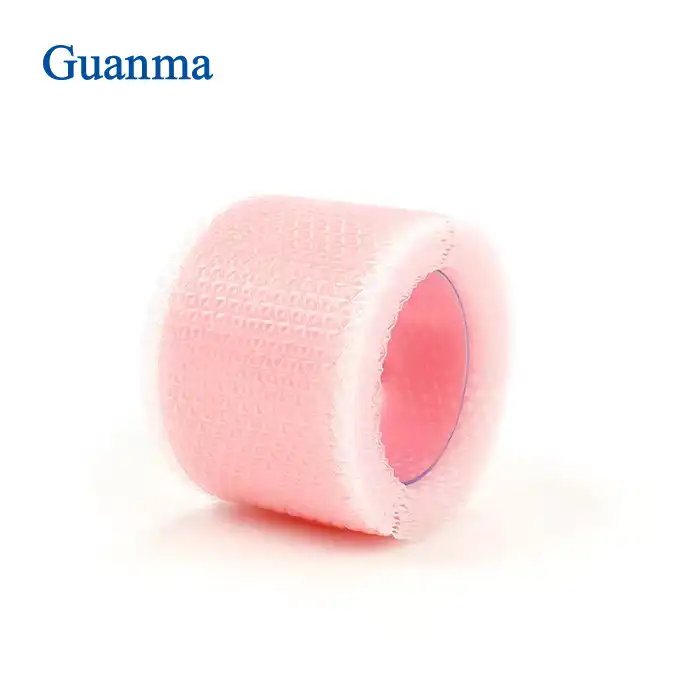
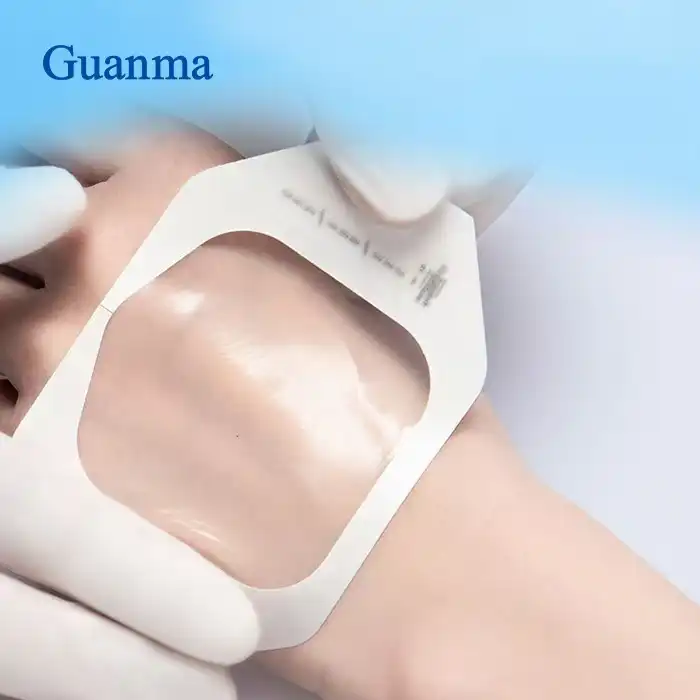
Medical surgical tape is a specialized adhesive tape designed to secure wound dressings, bandages, or medical devices to the skin without causing unnecessary irritation.
Unlike regular adhesive tape, surgical tape is breathable, hypoallergenic, and comes in various forms to suit different medical needs.
Fun fact: In clinical settings, good surgical tape can stay in place for 24–72 hours without causing skin damage if applied correctly.
Main Types of Surgical Tape
| Type | Material | Best For | Key Features |
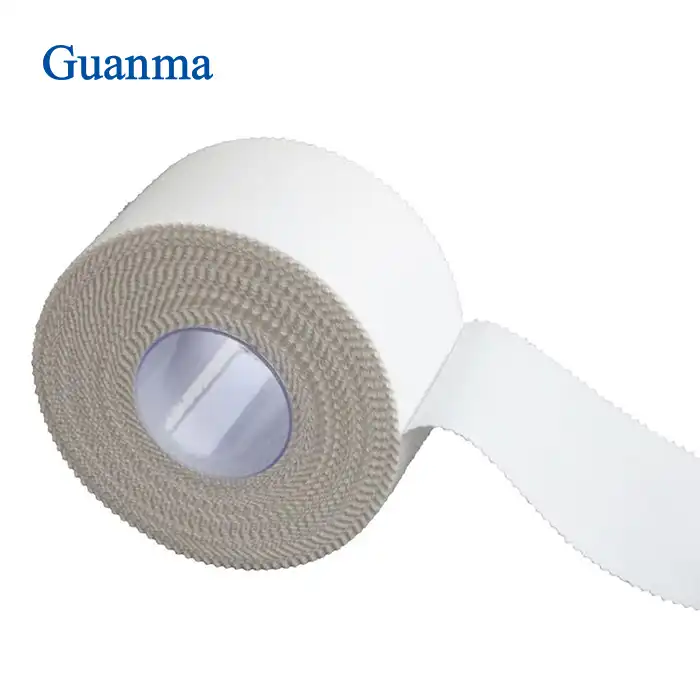
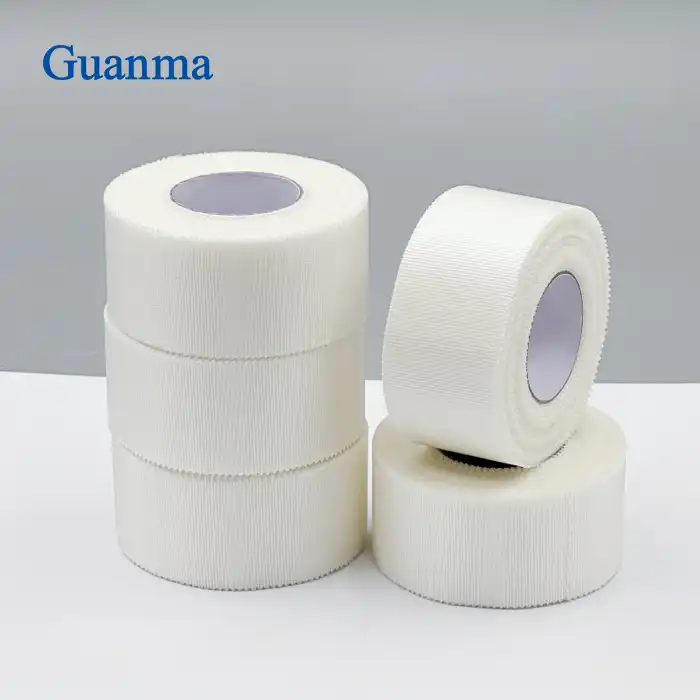
| Cloth Surgical Tape | Cotton or polyester | Long-term fixation | Strong adhesion, tearable by hand |
| Silk Surgical Tape | Rayon/silk blend | Sensitive skin, post-surgery use | Smooth removal, gentle adhesive |
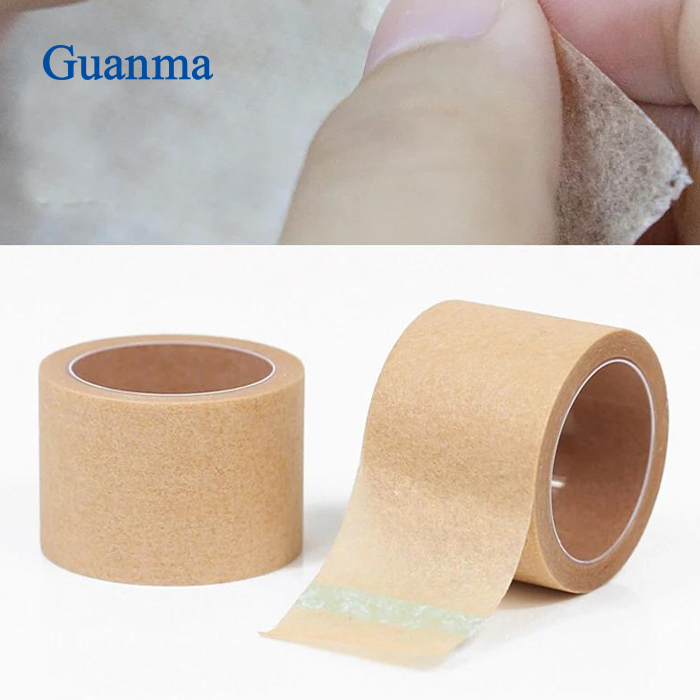
| Hypoallergenic Tape | Paper or fabric | Allergy-prone patients | Low-irritation adhesive, latex-free |
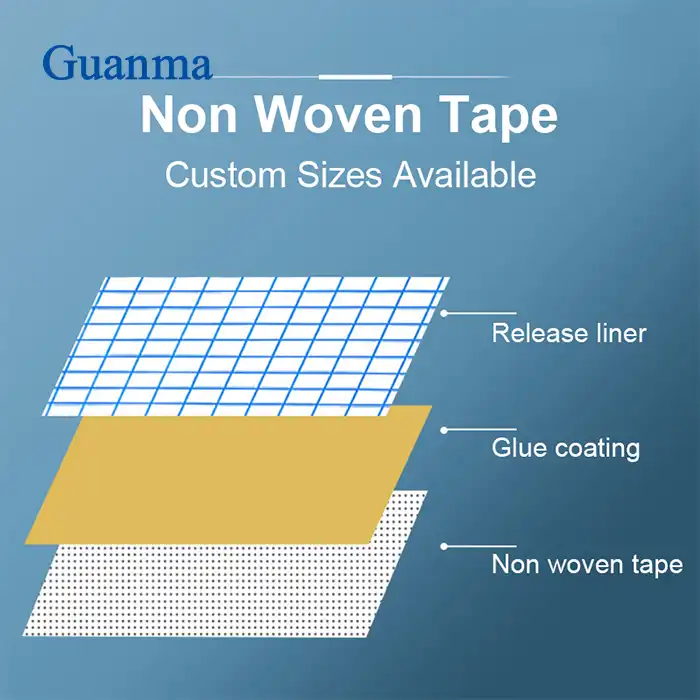
| Breathable Surgical Tape | Non-woven fabric | Long-term wear | Allows airflow, reduces maceration |
| Waterproof Surgical Tape | Plastic/PE film | Shower, swimming, high-moisture environments | Moisture-resistant, strong grip |
Why Use Medical Surgical Tape?
 Skin Protection
 Secure Fit
 Custom Options
 Versatility
Use scenarios of medical surgical tape
 How to Choose the Right Surgical Tape
 Identify the Application – For wound dressing after surgery, silk or hypoallergenic tape is preferred.
Consider the Environment – Waterproof surgical tape is essential for humid or wet conditions.
Check Adhesion Level – Cloth tape for strong fixation, paper tape for delicate skin.
💡 Pro Tip: If you need both strong adhesion and skin safety, choose a breathable waterproof tape with medical-grade acrylic adhesive
How to Apply Surgical Tape for Best Results
1. Clean the skin and remove oils or lotions before application.
2. Cut or tear to size without stretching the tape.
3. Press edges firmly to prevent lifting.
4. Replace regularly (every 24–48 hours) to maintain adhesion and hygiene.
Common Mistakes to Avoid
❌ Using household tape on wounds — may cause skin tears.
❌ Stretching the tape during application — can lead to blistering.
❌ Reusing tape — adhesive strength is reduced and may harbor bacteria.
FAQ – Your Surgical Tape Questions Answered
Q: Is surgical tape waterproof?
A: Not all. Choose waterproof surgical tape for moisture exposure, indicated on the packaging.
Q: Can surgical tape cause allergies?
A: Yes, if it contains latex or harsh adhesives. Opt for hypoallergenic surgical tape for sensitive skin.
Q: How do I remove surgical tape without pain?
A: Soften with warm water or medical adhesive remover before peeling gently along the skin’s surface.
Q: Can surgical tape be used on children?
A: Yes, but choose pediatric-safe hypoallergenic options.
May be you like:
Send Inquiry