_1745479303268.webp)
Accelerate Wound Healing: The Power of Silicone Scar Tape
2025-09-10 09:01:26
Scars and wounds, even if inevitable, can greatly impact our self-esteem and perception of our physical appearance. Scar care and wound healing have both been revolutionized by the introduction of silicone scar tape. Reduce the visibility of scars and speed up the healing process with this breakthrough medical device's non-invasive and affordable solution. Scars from burns, surgeries, and even stretch marks can all benefit from silicone scar tape, which uses medical-grade silicone to create a healing environment. The scientific rationale for this miraculous drug will shed light on its role in the recovery process and the reasons for its widespread acclaim among medical professionals and patients alike.
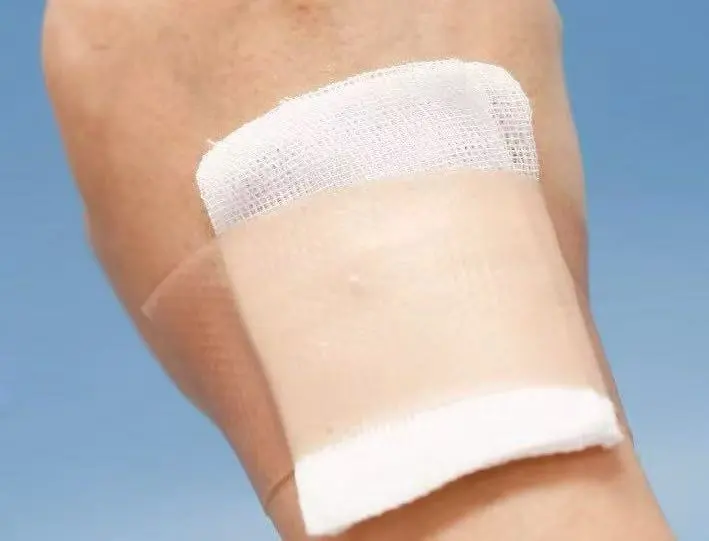
Stages of Wound Healing Explained
Inflammatory Stage: The Body's Initial Response
The inflammatory stage is the body's immediate response to injury, characterized by redness, swelling, and warmth around the wound site. During this phase, which typically lasts a few days, the immune system goes into overdrive and sends white blood cells to the location to fight any infections that could be there. While silicone scar tape is not typically applied during this initial stage, understanding this process is crucial for appreciating how the tape works in later stages. The inflammatory reaction initiates the healing process, but it can cause severe scarring if it lasts too long. Silicone scar tape, when applied at the appropriate time, helps to modulate this inflammatory response, creating an environment that promotes optimal healing and minimizes scar formation.
Proliferative Stage: Building New Tissue
The proliferative stage is where the real work of wound repair begins. This phase, lasting several weeks, involves the formation of new blood vessels (angiogenesis) and the production of collagen to rebuild the damaged tissue. It's during this stage that silicone scar tape can start to make a significant difference. Keeping the wound at an ideal moisture level, the tape acts as a protective barrier, allowing cells to migrate and proliferate more easily. This moist environment does double duty: it speeds healing and reduces the risk of scar tissue buildup. To further aid in scar reduction, the silicone in the tape serves to control collagen formation, which in turn ensures that new tissue grows in a more orderly fashion.
Remodeling Stage: Long-term Scar Improvement
The remodeling stage is the longest phase of wound healing, potentially lasting for months or even years. At this stage, the body is still hardening the scar and enhancing the newly grown tissue. At this point, silicone scar tape is vital because it keeps the scar tissue moist and protected at all times. By leaving it on for an extended period of time, the scar can be smoothed down, its color improved, and any irritation or itching alleviated. An improved cosmetic outcome is achieved by controlling the production of growth factors and cytokines involved in scar formation, which is aided by the occlusive qualities of the tape. Consistent use of silicone scar tape during this stage can significantly improve the long-term appearance of scars, making them less noticeable and more closely resembling the surrounding skin.
How Silicone Tape Enhances Each Healing Stage
Optimizing the Inflammatory Response
While silicone scar tape is typically not applied during the initial inflammatory stage, its effects begin to manifest as soon as it's introduced to the healing process. To keep the inflammatory reaction from getting out of hand or going on for too long, the tape forms a microenvironment that aids in modulation. Scarring known as hypertrophic or keloid can result from an overzealous inflammatory response, making this a critical consideration. The tape's silicone covering acts as a barrier, preventing additional inflammation of the wound. Occlusive silicone scar tape performs multiple functions, including reducing inflammation, promoting healthy healing, and keeping the skin at an ideal moisture level. Silicone scar tape helps the healing process by creating a controlled environment.
Supporting Tissue Regeneration
During the proliferative stage, silicone scar tape plays a pivotal role in supporting tissue regeneration. The tape's ability to maintain a moist wound environment is particularly crucial at this stage. Because cells are better able to migrate over a moist wound bed, the healing process is accelerated and the wound is improved in general. In addition to its other uses, the silicone in the tape helps control the action of collagen-making fibroblasts. Scars can become elevated and discolored if collagen is overproduced; silicone scar tape helps regulate this process to avoid this. with addition, the tape's little pressure on the incision site can aid with scar flattening, which ultimately leads to a less noticeable scar. Superior silicone scar tape is breathable, so it keeps in moisture while allowing the skin to breathe, creating the perfect environment for healing.
Long-term Scar Improvement
The remodeling stage is where silicone scar tape truly shines in its ability to improve the long-term appearance of scars. Keeping the skin moisturized is crucial for collagen fiber alignment, and continuous tape application during this phase aids in this endeavor. This hydration, combined with the gentle pressure exerted by the tape, contributes to the flattening and softening of scars over time. Additionally, the silicone forms a barrier that prevents outside elements from damaging or impeding the scar's healing process. Scars can be itchy and uncomfortable while they heal, but silicone scar tape can alleviate some of those symptoms, making the patient more comfortable and less likely to scratch, which can slow down the healing process. Silicone scar tape, when used regularly, can greatly improve the scar's texture, color, and general look, allowing it to fit in more naturally with the surrounding skin.
When to Start Using Silicone Tape Post-Injury
Timing for Surgical Incisions
For surgical incisions, the timing of silicone scar tape application is crucial for optimal results. Generally, it's recommended to wait until the incision has fully closed and any sutures or staples have been removed. This typically occurs around 10 to 14 days post-surgery, but can vary depending on the type and location of the surgery. Before applying silicone scar tape, ensure that the wound is clean, dry, and free from any drainage. It's important to consult with your surgeon or healthcare provider to get the green light for using silicone scar tape, as they can assess your individual healing progress. Once approved, consistent application of the tape can begin, typically for 12 to 23 hours a day. The earlier you start using silicone scar tape on a healed incision, the better the potential outcomes in terms of scar appearance and overall healing.
Application for Burns and Other Wounds
For burns and other types of wounds, the application timing of silicone scar tape can be more variable. In general, silicone scar tape should only be applied once the wound has fully closed and there is no risk of reopening. For minor burns or abrasions, this might be as soon as a few days after the injury. However, for more severe burns or complex wounds, it may be necessary to wait several weeks or even months before beginning silicone scar tape treatment. The most important thing is to wait until the wound has healed and the danger of infection is gone before treating it. As with surgical incisions, it's crucial to consult with a healthcare professional before starting silicone scar tape treatment for burns or other wounds. They can provide guidance on the appropriate timing based on your specific injury and healing progress.
Duration of Silicone Tape Treatment
The duration of silicone scar tape treatment can vary widely depending on the nature and severity of the scar. For fresh scars, treatment typically continues for at least 2 to 3 months, with many healthcare providers recommending up to 6 months of consistent use for optimal results. For older scars, the treatment period may be extended, potentially lasting up to a year or more. It's important to note that while improvements can often be seen within a few weeks of starting treatment, the full benefits of silicone scar tape may not be apparent for several months. Applying silicone scar tape consistently and with patience is essential. The tape should be worn for 12 to 23 hours a day, removed only for cleaning and allowing the skin to breathe. Regular assessment of the scar's progress, either by self-monitoring or through check-ups with a healthcare provider, can help determine when to discontinue treatment or if additional interventions may be necessary.
Conclusion
As a non-invasive, very successful method for enhancing the look of scars and facilitating optimal healing, silicone scar tape has completely transformed the field of wound care and scar management. To fully grasp the revolutionary treatment's potential, both patients and healthcare providers must be familiar with the steps involved in wound healing and how silicone tape improves them. There are numerous ways in which silicone scar tape can help scars, but two of the most essential are shortening the healing time and decreasing inflammation. Scar management solutions, such as those provided by Zhejiang Guanma Medical, are at the vanguard of medical innovation and give people with scars of all kinds reason to be hopeful and secure.
For more information about high-quality silicone scar tape and other wound care products, please contact Zhejiang Guanma Medical at betty@guanmamedical.com. Guanma Therapeutic is given to advertising cutting-edge and tried and true arrangements to healthcare suppliers and patients all over the globe as a best maker of cement tapes and wound care dressings for restorative purposes.
FAQ
Q: How long should I wear silicone scar tape each day?
A: For optimal results, it's recommended to wear silicone scar tape for 12 to 23 hours a day, removing it only for cleaning and allowing the skin to breathe.
Q: Can silicone scar tape be used on old scars?
A: Yes, silicone scar tape can be effective on old scars, although the treatment period may be longer compared to fresh scars.
Q: Is silicone scar tape safe for all skin types?
A: High-quality silicone scar tape is generally safe for all skin types, including sensitive skin. However, it's always best to consult with a healthcare provider before use.
Q: How soon after surgery can I start using silicone scar tape?
A: Typically, you can start using silicone scar tape 10 to 14 days after surgery, once the incision has fully closed and any sutures have been removed. Always consult your surgeon for specific guidance.
Q: Can silicone scar tape be reused?
A: Many high-quality silicone scar tapes are designed to be reusable. They can be washed with mild soap and water and reapplied multiple times before needing replacement.
References
1. Monstrey, S., et al. (2014). Updated scar management practical guidelines: non-invasive and invasive measures. Journal of Plastic, Reconstructive & Aesthetic Surgery, 67(8), 1017-1025.
2. Gauglitz, G. G., et al. (2011). Hypertrophic scarring and keloids: pathomechanisms and current and emerging treatment strategies. Molecular Medicine, 17(1-2), 113-125.
3. Sidgwick, G. P., et al. (2015). A comprehensive evidence-based review on the role of topicals and dressings in the management of skin scarring. Archives of Dermatological Research, 307(6), 461-477.
4. Mustoe, T. A. (2008). Evolution of silicone therapy and mechanism of action in scar management. Aesthetic Plastic Surgery, 32(1), 82-92.
5. Bleasdale, B., et al. (2015). The use of silicone adhesives for scar reduction. Advances in Wound Care, 4(7), 422-430.
6. Gold, M. H., et al. (2014). Updated international clinical recommendations on scar management: part 2—algorithms for scar prevention and treatment. Dermatologic Surgery, 40(8), 825-831.

Send Inquiry
You may like