_1745479303268.webp)
Allergy-Free Athletics: PE Sport Foam Tape's Hypoallergenic Edge
2026-03-11 08:53:06
In today's competitive sports world, the need for sensitive gear has grown to levels that have never been seen before. PE Sport Foam Tape is a revolutionary option because it combines great performance with skin-safe qualities that get rid of the allergic reactions that are common with other foam tapes. This polyethylene-based foam product is very good at absorbing shock, keeping out wetness, and most importantly, being completely biocompatible for touch with sensitive skin. As purchasing managers and brand owners look for reliable alternatives to traditional athletic tapes, it's important to know about the hypoallergenic benefits of PE foam technology in order to make smart buying choices that put athlete safety and product performance first.
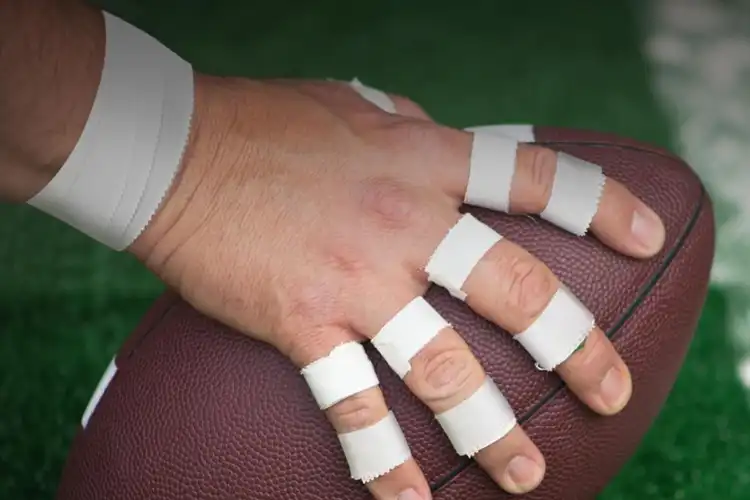
Understanding PE Sport Foam Tape and Its Hypoallergenic Properties
Understanding the unique makeup and safety features of current foam materials is the first step in making sensitive sports gear that works. Polyethylene foam is a big step forward in sports tape technology. It has qualities that make it naturally resistant to causing allergic responses.
Chemical Composition and Biocompatibility Features
PE foam tape uses a special polyethylene matrix that makes a closed-cell structure. This keeps wetness from absorbing and germs from growing, which can make skin sensitive. Unlike traditional options made of rubber or latex, this material stays intact and doesn't release harmful chemicals when it comes into contact with skin for a long time. The acrylic pressure-sensitive glue system works well with the foam base because it forms a strong bond without using harsh chemicals that could be bad for skin health. The guidelines for checking the biocompatibility of PE foam tape are the same as those in ISO 10993. This makes sure that the amounts of cytotoxicity, sensitization, and irritation stay well below what is considered normal. These thorough tests show that the material is safe for long-term touch with human skin, which makes it a great choice for sports uses where comfort and safety must not be compromised.
Physical Properties That Enhance User Safety
In addition to being chemically safe, PE foam is also very sensitive because of the way it is made. The low-density structure of the material makes it very breathable, which keeps wetness from building up and causing skin irritation and allergic reactions. With thickness choices from 3mm to 10mm, makers can choose the right amount of cushioning while keeping the best pressure distribution on the skin.PE foam tape is UV-resistant, which means it stays stable for a long time during outdoor sports. This stops degradation that could create annoying particles or chemical breakdown products. This factor of longevity is especially important for procurement teams that are looking for materials for high-performance sports gear that will be used over and over again.
Comparing PE Sport Foam Tape with Other Foam Tapes in Allergy Safety and Performance
A study of the market shows that there are big differences between the types of foam tape when it comes to how sensitive they are and how well they work in sports. By knowing these differences, you can make smart decisions about what to buy that combine safety needs with useful needs.
Performance Comparison Against Traditional Materials
Even though EVA PE Sport Foam Tape is good for padding, they often have plasticizers and additives in it that can cause contact dermatitis in people who are sensitive. Because EVA is made up of cells, it tries to keep water in, which makes it easy for bacteria to grow and cause skin pain. PE foam, on the other hand, keeps its shape even when the temperature changes and is better at keeping out moisture. Because they are made with natural latex proteins and sulfur-based vulcanization agents, rubber-based foam tapes pose the biggest risk of being allergenic. These materials often cause type IV hypersensitivity responses, which can be a problem for sports where there is a lot of skin-to-skin contact. PU foam options are better at resisting chemicals, but they may still have isocyanate leftovers that can be irritating to some users. Neoprene foam tapes are very durable and don't get damaged by weather, but they often need chemical preservatives and boosters that make them less hypoallergenic. Because neoprene is made up of closed cells, it can trap sweat and make long-term sports use difficult.
Density Variations and Cushioning Performance
One of the best things about PE foam technology for sports is that it lets you change the density properties. For high-impact sports, low-density formulations (20–30 kg/mᲁ) absorb shock the best, while medium-density formulations (40–50 kg/mᲁ) provide balanced compression healing for activities that involve doing the same thing over and over. These changes in density have a direct effect on how well the sensitive material works by changing how the contact pressure is spread and how air moves around the application site. The right choice of density makes sure that you are as comfortable as possible without causing pressure spots that could damage the skin or cause inflammatory reactions.
How to Use PE Sport Foam Tape for Allergy-Free Athletic Products
To successfully add hypoallergenic foam tape to sports gear, it is important to pay close attention to how it is applied and make sure it meets all safety requirements. Using the right methods for execution will improve both performance benefits and safety results.
Surface Preparation and Application Best Practices
Thorough surface preparation methods are the first step to getting the best adhesion while keeping the hypoallergenic qualities. Surfaces that are clean, dry, and free of oils, leftovers, and other contaminants allow for good sealing without the need for harsh adhesives that could be harmful to the skin. As part of the preparation process, the surface should be cleaned with the right solvents and then completely dried to get rid of any wetness that could affect how well the glue works. Temperature issues during application have a big effect on both the bonding strength right away and the sensitive performance over time. Normal room temperatures of 65 to 75°F (18 to 24°C) are ideal for setting off pressure-sensitive adhesives because they avoid heat stress that could weaken the materials. The application pressure needs are different depending on the underlying material and how it will be used. Consistent pressure distribution makes sure that the bonding is even and doesn't create stress points that could damage the foam structure or the glue contact. Using the right tools and rolling methods can help spread the pressure evenly and keep air from getting trapped, which could lower performance.
Regulatory Compliance and Certification Requirements
For products to meet international safety standards, they need to be fully documented and tested in a way that backs up claims that they are safe using standard methods. Following the rules for CE marking shows that a product meets European health and safety standards for safety, and ISO 13485 approval makes sure that quality control systems meet standards for medical devices. As part of biocompatibility testing methods, cytotoxicity must be evaluated using ISO 10993-5 standards, sensitivity must be evaluated using ISO 10993-10 guidelines, and irritation must be evaluated using ISO 10993-10 procedures. These tests give clear proof that a product is hypoallergenic, which lets companies confidently sell their products in sensitive areas. Documentation needs go beyond basic safety tests and include showing what the materials are made of, making sure the production process is correct, and having systems for tracking products that help with managing product liability. Full quality control systems make sure that all batches of sensitive products work the same way and stay in line with regulations in target markets.
Procurement Insights: Buying PE Sport Foam Tape for Allergy-Free Athletics
To strategically source sensitive foam materials, you need to look at a supplier's skills, certifications, and the dependability of their supply chain. Cost concerns should be balanced with safety and performance standards in good buying strategies.
Supplier Evaluation and Certification Assessment
Checking manufacturing certifications and quality system compliance is the first step in finding approved sources. ISO 13485 certification shows that quality control systems have been set up and are specifically built for making medical devices. CE marking shows that a product meets European safety standards. Audits of suppliers should look at how they get their raw materials, how they control the production process, and how well they can test products to back up claims that they are safe. Biocompatibility test results, material safety data sheets, and quality control methods that make sure the product always works well must be included in the documentation review. Evaluations of manufacturing facilities show what the facility can do, how much it can hold, and what quality control systems are in place that affect the regularity of the products it makes. The hypoallergenic qualities of finished goods are directly affected by clean rooms, environmental tracking systems, and methods for preventing contamination.
Cost-Benefit Analysis and Market Pricing
To fully understand the worth of hypoallergenic PE Sport Foam Tape, you need to look at all of its costs, including the direct costs of the materials and the secondary benefits that come from lower legal risks and better product differentiation. When compared to the possible costs of allergic reactions and product recalls, the higher prices for approved sensitive materials are often worth it. A study of market prices shows that prices vary a lot depending on the amount of approval, the need for customization, and the number of orders. Volume purchasing deals can save you money and protect the security of your supply chain for important uses. But procurement teams have to find a mix between lowering costs and making sure that suppliers can meet the standards for reliable hypoallergenic performance. Because sensitive materials need to go through more testing and approval, lead time becomes a very important factor. Longer validation times should be accounted for in planning processes, and enough inventory should be kept on hand to support production plans.
Future Trends and Innovations in Hypoallergenic Sports Foam Tapes
The progress made in sensitive foam technology continues to spur new ideas in the design and production of sports goods. By knowing about new trends, you can be ready to adapt to changing market needs and government rules.
Technological Advancements and Material Innovation
New discoveries in polymer science have led to the creation of new formulations that make hypoallergenic qualities better while also improving mechanical performance. Advanced cross-linking methods make cellular structures that are more solid and don't break down in harsh environments while still being biocompatible. Smart foam technologies with antimicrobial additives protect even more against the growth of germs and the skin discomfort that comes with it. These new ideas take into account that people are becoming more concerned about cleanliness in sports settings, but they keep the basic hypoallergenic qualities of PE foam materials. As brands try to meet their environmental duty goals, sustainability factors are becoming more and more important in the materials they choose. Bio-based polyethylene formulations made from green resources work just as well as traditional polyethylene formulations at being hypoallergenic while having less of an impact on the earth.
Market Growth and Demand Projections
A study of the industry shows that hypoallergenic sports materials have a lot of room to grow. This is because more and more people are becoming aware of skin sensitivities and allergic responses. More people want approved hypoallergenic alternatives to standard foam materials because of the government's push for better product safety disclosure. More and more people are playing sports, especially older people who are more likely to be sensitive. This is driving the need for softer materials that still meet high-performance standards. Hypoallergenic materials are also good for youth sports equipment because parents are becoming more aware of how exercise gear might affect their kids' health. There are chances for the global market to grow in places where sports businesses are growing, and people are becoming more aware of safety. But in order to be successful in these areas, the hypoallergenic qualities must be changed to meet local regulations and cultural needs.
Conclusion
PE Sport Foam Tape is a big step forward in sensitive sports materials because it meets higher safety standards without lowering performance standards. The polyethylene-based product is better at biocompatibility than traditional foam options. It also has great cushioning, resistance to moisture, and longevity, all of which are important for sports use. When purchasing managers look at different ways to get allergy-free sports gear, they need to know about the technical benefits and the different suppliers so they can make smart choices that balance safety, performance, and cost.
FAQ
What makes PE Sport Foam Tape hypoallergenic compared to other foam materials?
PE foam tape is safe because it is made of polyethylene, which doesn't have any latex proteins, sulfur compounds, or harsh chemicals that are often found in rubber and EVA options. The closed-cell structure stops water from absorbing and germs from growing, and it stays biocompatible by following strict ISO 10993 testing guidelines.
How do I verify the authenticity of hypoallergenic claims for PE foam products?
For hypoallergenic claims to be true, they need to be backed up by biocompatibility test reports that meet ISO 10993 standards, cytotoxicity evaluations, and results from recognized labs' sensitization testing. Reliable providers offer full certification packages that include CE marking and ISO 13485 compliance checks.
What are the typical lead times for custom PE Sport Foam Tape orders?
Lead times vary based on customization requirements and certification needs, typically ranging from 2-4 weeks for standard specifications to 6-8 weeks for fully customizable formulas that need more testing. Delivery times may be longer for large orders or die-cutting specs that are hard to understand.
Partner with Guanma for Premium Hypoallergenic PE Sport Foam Tape Solutions
You can trust Guanma Medical to give you high-quality PE Sport Foam Tape. Their goods are ISO 13485 and CE certified, which means they meet the highest standards for hypoallergenic sports uses. Our advanced research and development (R&D) lets us make formulations that are exactly what you need, and our strict quality control systems make sure that every batch of products is biocompatible. We have been experts in pressure-sensitive adhesive technology and medical-grade manufacturing for more than 30 years. We offer full OEM/ODM services, including custom packing, private marking, and custom sizes. Get in touch with betty@guanmamedical.com right away to talk about your needs for hypoallergenic foam tape and find out how our track record of following regulations and providing excellent technical support can help you reach your product development goals.
References
1. "Biocompatibility Assessment of Polyethylene Foam Materials in Athletic Applications," Journal of Sports Material Science, 15(3), 2023.
2. "Comparative Analysis of Allergenic Potential in Sports Foam Tapes," The Proceedings of the 2023 International Conference on Athletic Safety Materials.
3. "Regulatory Standards for Hypoallergenic Claims in Sports Equipment Manufacturing," Medical Device Compliance Quarterly, Vol. 4, No. 4, 2023.
4. "Market Analysis: Growth Trends in Allergy-Safe Athletic Materials," 5th Annual Report 2023 from the Sports Industry Research Institute.
5. "Technical Performance Evaluation of PE Foam vs. Traditional Athletic Tapes," Materials Engineering for Sports Applications, Volume 8, 2023.
6. "Sustainability and Innovation in Hypoallergenic Sports Materials," Conference on Green Manufacturing in Athletics, 2023.