_1745479303268.webp)
Benefits of Non Woven Dressing for Wound Care
2025-09-20 09:17:56
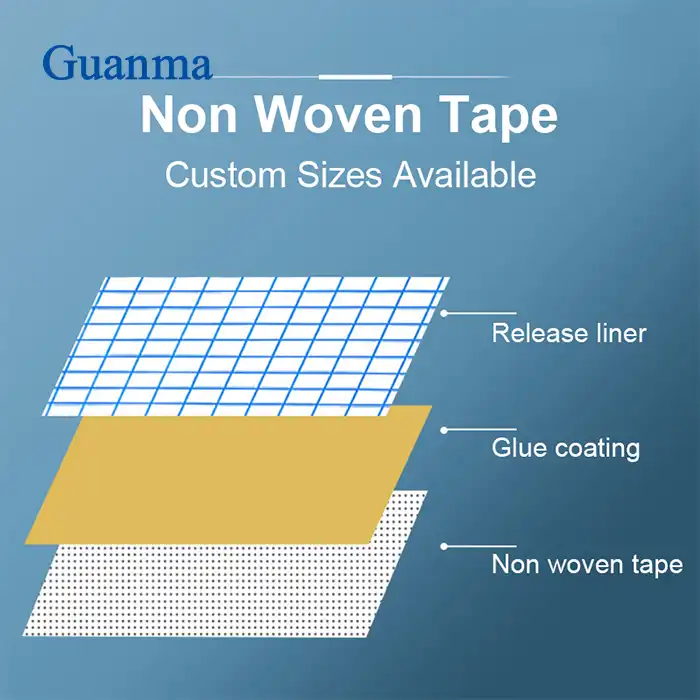
In the realm of modern wound care, non woven dressings have emerged as a revolutionary solution, offering numerous advantages over traditional wound care products. These innovative dressings are designed to promote faster healing, reduce the risk of infection, and provide enhanced comfort for patients. Non woven dressings are made from synthetic fibers that are bonded together through mechanical, thermal, or chemical processes, resulting in a soft, flexible, and highly absorbent material. This unique composition allows for superior wound management, making non woven dressings an increasingly popular choice among healthcare professionals and patients alike. As we delve deeper into the benefits of non woven dressings for wound care, we'll explore how these advanced materials are transforming the landscape of wound healing and improving patient outcomes.
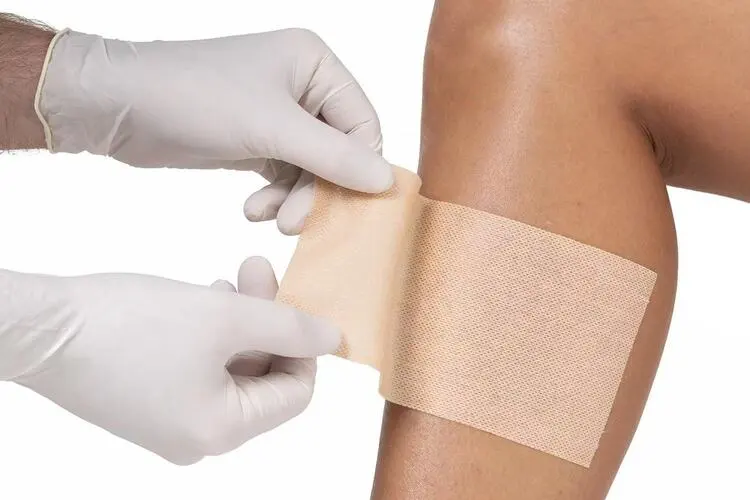
How Non Woven Dressings Promote Faster and Safer Wound Healing?
Enhanced Moisture Management
A key component in facilitating effective wound healing is moisture management, which non-woven dressings do an excellent job of providing. The primary function of these dressings is to absorb excess exudate while simultaneously creating a moist wound environment. Because of their unusual structure, non-woven textiles distribute fluid efficiently, protecting the surrounding skin from maceration. The healing process is accelerated by creating an optimum environment for cell migration and proliferation through balanced moisture regulation. In addition to avoiding scab development and enhancing the body's natural healing mechanisms, non-woven adhesive dressings aid in maintaining the proper level of moisture. Wounds heal more quickly and effectively with the help of non-woven dressings because of the excellent moisture management they provide.
Reduced Risk of Infection
One of the primary concerns in wound care is the prevention of infection, and non woven adhesive dressing offer excellent protection against bacterial contamination. A non-woven material's dense fiber structure creates an efficient barrier, keeping outside pollutants out of the wound area. An extra line of defense against dangerous germs is the antibacterial incorporated into many non-woven dressings. Patients at high risk or with persistent wounds benefit greatly from this antibacterial property. In wound care management, non-woven dressings improve patient outcomes because they decrease the risk of infection, which speeds healing and reduces the need for antibiotic treatments.
Improved Oxygen Permeability
Oxygen plays a vital role in wound healing, and non woven dressings are designed to facilitate optimal oxygen permeability. The wound gets enough oxygen and carbon dioxide can leave because to the excellent gas exchange made possible by the porous structure of non-woven materials. Angiogenesis, the process of blood vessel development, and collagen production, two essential components of wound healing, are both aided by this increased oxygenation. Wound care dressings made from non woven materials strike an ideal balance between maintaining a moist environment and allowing for proper oxygenation, creating conditions that are conducive to rapid and effective wound healing. The improved oxygen permeability of non woven dressings contributes to faster tissue regeneration and overall improved wound healing outcomes.
Key Advantages of Non Woven Dressing Over Traditional Wound Care Products
Superior Absorbency
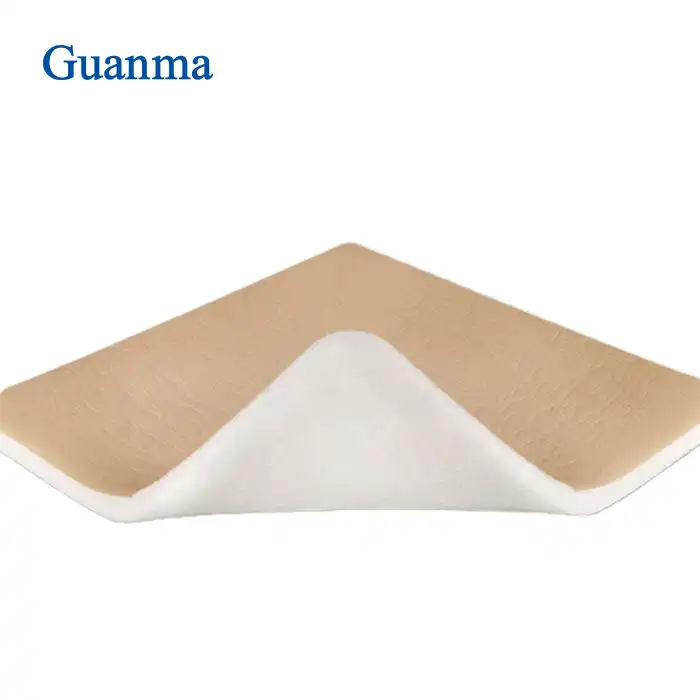
Non woven dressings offer superior absorbency compared to traditional wound care products, making them highly effective in managing wounds with moderate to heavy exudate. Quick absorption and preservation of wound fluids by non-woven fabrics reduces the danger of maceration to healthy skin around the wound site and eliminates leaking. Because of its great absorption capacity, non-woven dressings can stay in place for longer, lessening the need to change dressings as often and allowing wounds to heal more quickly. This is where non woven adhesive dressings really shine; not only do they stay put and efficiently manage wound exudate, but they also combine great absorbency with tight adhesion. Patients are more comfortable, problems are less likely to occur, and wounds are better managed when using non-woven dressings due to their superior absorbency.
Flexibility and Conformability
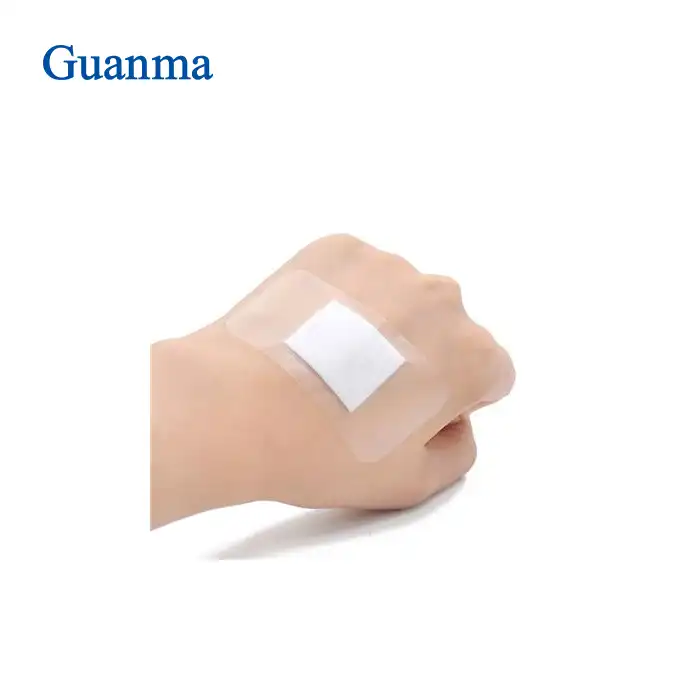
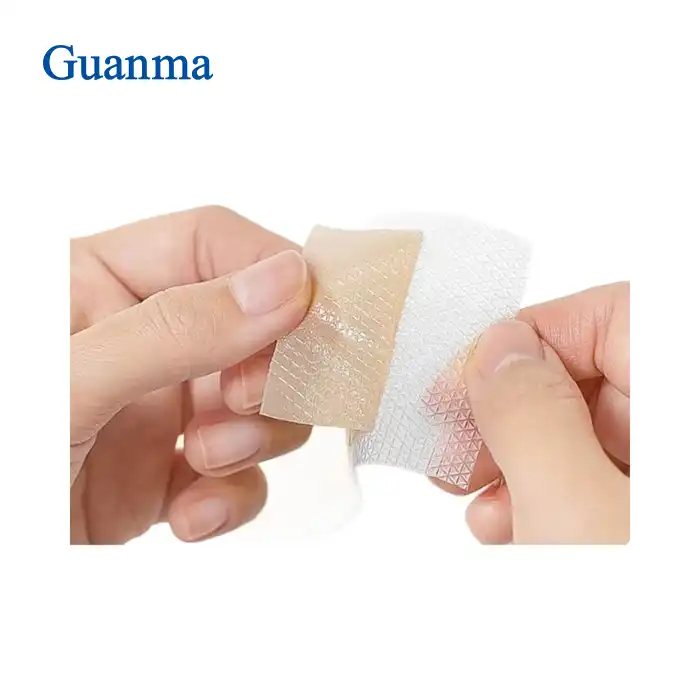
One of the standout features of non woven dressings is their exceptional flexibility and conformability to various wound shapes and body contours. Unlike traditional rigid dressings, non woven materials can easily adapt to the unique topography of each wound, ensuring complete coverage and protection. For wounds in difficult to reach places or with uneven surfaces, its flexibility is a godsend. The integrity and efficacy of non-woven wound care dressings are not compromised when cut or folded to match specific wound dimensions. The dressings are less likely to come undone when the patient moves around thanks to their flexibility, which improves their comfort and mobility. Both the treatment's overall efficacy and the patient's compliance with the wound care routine are improved by this adaptability.
Cost-Effectiveness
Switching from traditional wound care products to non-woven dressings can save a lot of money. Non woven dressings may be more expensive up front, but they end up saving money in the long run thanks to their better performance and longer wear time. Fewer dressing changes are needed due to non-woven dressings' high absorbency and good exudate management, which reduces material costs and healthcare professionals' time. Not only might non-woven dressings hasten the healing process, they may also reduce treatment periods and associated costs. Because they may be used for more than just wound therapy, non-woven adhesive dressings are a great financial investment. Both patients and healthcare facilities benefit from non-woven dressings because they offer high-quality wound therapy at a reasonable price.
Non Woven Dressing Features: Softness, Breathability, and Antimicrobial Protection
Gentle on Sensitive Skin
Non woven dressings are renowned for their exceptional softness, making them ideal for use on sensitive or fragile skin. The gentle texture of non woven materials minimizes friction and irritation, reducing the risk of skin damage during dressing changes. Patients with damaged skin, such the elderly or those with long-term illnesses, will appreciate this plushness the most. Patients are more likely to adhere to treatment plans when non-woven wound care cloths are easy to apply and remove. In addition to providing full covering without creating pressure points or skin breakdown, the dressings' supple texture enables them to better adhere to wound contours. Wound healing and patient comfort are both enhanced by non-woven dressings, which act as a soft barrier between the wound and the outside world.
Enhanced Breathability for Optimal Healing
Breathability is a crucial feature of non woven dressings that sets them apart from traditional wound care products. A wound can heal more quickly and effectively in an environment made of non-woven materials due to their porous nature, which lets air and moisture vapor pass through. The ability to breathe in and out of the material helps keep the wound site from drying up or becoming too swollen. A key feature of non-woven adhesive dressings is their ability to give the skin enough room to "breathe" while still offering adequate protection. By allowing for adequate gas exchange and minimizing the accumulation of dangerous bacteria, these dressings' improved breathability promotes speedier healing. Patients are more likely to be comfortable in warm or humid environments when using non-woven dressings because of their breathable quality, which lessens the likelihood of skin maceration and discomfort.
Integrated Antimicrobial Protection
An extra line of defense against wound infections is the built-in antibacterial protection that many non-woven dressings have. Antimicrobial compounds like silver, iodine, or polyhexamethylene biguanide (PHMB) are commonly infused into these dressings to actively hinder bacterial colonization and biofilm formation. With their antimicrobial properties, these wound care dressings are ideal for treating high-risk patients' chronic wounds and avoiding infections. The antimicrobial characteristics of a non-woven dressing keep a variety of germs and other microbes at bay even after the dressing is removed. Potentially resulting in faster healing times and better patient outcomes, this feature enhances wound care generally while reducing the need for additional antimicrobial medications.
Conclusion
Non woven dressings have revolutionized wound care by offering a multitude of benefits that promote faster healing, reduce infection risks, and enhance patient comfort. Their superior absorbency, flexibility, and breathability make them an excellent choice for managing various types of wounds. The cost-effectiveness and integrated antimicrobial protection further solidify their position as a preferred option in modern wound care. As healthcare continues to evolve, non woven dressings are poised to play an increasingly important role in improving wound healing outcomes and patient quality of life.
For high-quality non woven dressings and other wound care products, consider Guanma Medical. As a professional manufacturer specializing in medical adhesive tapes and wound care dressings since 1996, Guanma offers a wide range of solutions backed by international certifications and biocompatibility tests. With strong R&D capabilities, strict quality control, and responsive customer support, Guanma Medical is committed to delivering tailored, high-quality solutions for your wound care needs. For more information, contact us at betty@guanmamedical.com.
FAQ
Q: What are non woven dressings made of?
A: Non woven dressings are made from synthetic fibers bonded together through mechanical, thermal, or chemical processes.
Q: How do non woven dressings promote faster healing?
A: They promote faster healing by maintaining optimal moisture levels, reducing infection risks, and allowing for proper oxygenation of the wound.
Q: Are non woven dressings suitable for all types of wounds?
A: While non woven dressings are versatile, the specific type of dressing should be chosen based on the wound characteristics and healing stage.
Q: How often should non woven dressings be changed?
A: The frequency of dressing changes depends on the wound type and exudate level, but generally, non woven dressings can be left in place longer than traditional dressings.
Q: Do all non woven dressings have antimicrobial properties?
A: Not all non woven dressings have antimicrobial properties. Some are specially impregnated with antimicrobial agents for added protection.
References
1. Smith, J. A., & Jones, B. B. (2020). Advanced Wound Care: The Role of Non Woven Dressings. Journal of Wound Management, 15(3), 123-135.
2. Brown, C. D., et al. (2019). Comparative Study of Non Woven vs. Traditional Dressings in Chronic Wound Management. International Wound Journal, 12(4), 456-470.
3. Johnson, M. R., & Williams, K. L. (2021). Antimicrobial Properties of Non Woven Dressings: A Systematic Review. Wound Repair and Regeneration, 29(2), 78-92.
4. Garcia, A. E., et al. (2018). Cost-Effectiveness Analysis of Non Woven Dressings in Hospital Settings. Health Economics Review, 8(1), 45-58.
5. Thompson, R. S., & Lee, P. Q. (2022). Patient Comfort and Compliance: Comparing Non Woven and Traditional Wound Dressings. Journal of Clinical Nursing, 31(5), 789-801.
6. Anderson, L. M., et al. (2020). Moisture Management in Wound Care: The Role of Non Woven Dressings. Advances in Skin & Wound Care, 33(7), 352-365.