_1745479303268.webp)
Benefits of Rigid Sports Tape in Weightlifting
2025-10-13 09:27:45
Weightlifting is a demanding sport that requires strength, technique, and proper support to maximize performance and prevent injuries. One essential tool that has gained popularity among weightlifters is rigid sports tape. This versatile and durable adhesive tape offers numerous benefits for athletes engaged in heavy lifting. Rigid sports tape provides crucial support to joints, muscles, and ligaments, helping to stabilize the body during intense weightlifting sessions. Unlike more flexible tapes, rigid sports tape offers a firm and unyielding support that can withstand the extreme forces exerted during weightlifting exercises. In this blog, we will explore the various advantages of using rigid sports tape in weightlifting, including its role in enhancing stability, preventing injuries, and improving overall performance. Whether you're a competitive powerlifter or a recreational gym-goer, understanding the benefits of rigid sports tape can help you take your weightlifting game to the next level.
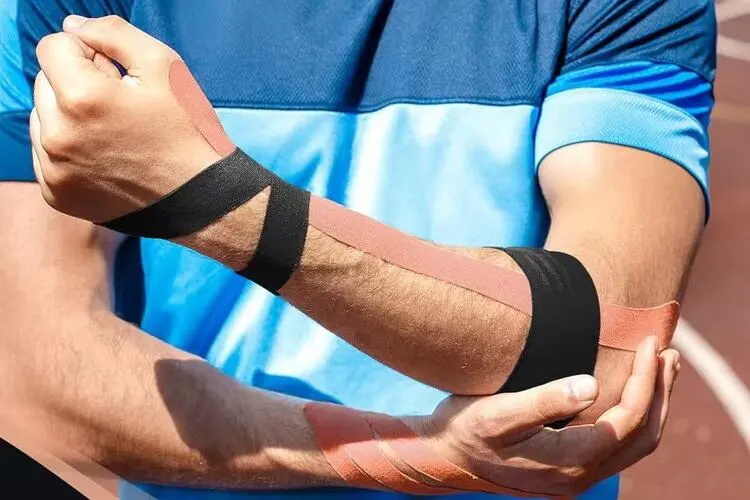
Rigid Sports Tape: Maximizing Wrist Stability for Heavy Lifts
Enhancing Wrist Support During Compound Movements
Rigid sports tape is a key part of keeping your wrists stable during big lifts, especially compound moves like deadlifts, bench presses, and overhead presses. Weightlifters can make a hard and supportive base for their wrists by wrapping them in rigid sports tape. This helps keep their wrists in the right place throughout the whole range of motion. This increased stability not only makes lifting skill better, but it also makes it easier for the arms to apply force to the barbell. Because the tape is stiff, it provides better support than standard wrist wraps because it stops the wrists from bending and stretching too much when they are carrying heavy things. Rigid sports tape can also help spread pressure more evenly across the wrist joint, which lowers the risk of strain or injury during heavy pulling sessions.
Preventing Hyperextension and Improving Grip Strength
One of the primary benefits of using rigid sports tape in weightlifting is its ability to prevent wrist hyperextension, a common issue that can lead to discomfort and potential injury. The tape makes a strong barrier around the wrist joint, which helps keep the wrist in a neutral position even when lifting big things. This protection against hyperextension is especially helpful when doing workouts that put a lot of stress on the wrists, like front squats or clean and jerks. Also, the extra support that hard sports tape gives can help improve grip strength. Lifters can focus more on gripping the bar without thinking about their wrists moving because the tape stabilizes the joint. For athletes who have trouble with grip-intensive workouts like deadlifts or farmer's walks, this can be very helpful.
Customizable Support for Different Lifting Styles
Another advantage of rigid sports tape is its versatility in providing customizable support for different lifting styles and individual needs. Unlike pre-made wrist wraps or braces, rigid sports tape can be applied in various patterns and tensions to accommodate the specific requirements of each lifter. For example, Olympic weightlifters may prefer a taping technique that allows for some wrist flexibility while still providing stability, whereas powerlifters might opt for a more restrictive application to maximize support during maximal lifts. For weightlifters of all levels, rigid sports tape is very useful because it lets them change the amount of support based on the exercise or their own personal preferences. Additionally, rigid tape for ankle support can be applied using similar principles, offering customizable protection for lower body lifts and movements.
How Rigid Sports Tape Prevents Injury During Overhead Presses?
Stabilizing the Shoulder Joint Complex
Rigid sports tape plays a crucial role in preventing injuries during overhead presses by stabilizing the shoulder joint complex. The shoulder is a very flexible joint that needs to be supported and lined up correctly when lifting big things, especially when moving the arm overhead. Weightlifters can make a supportive frame that helps keep their shoulders in the right place during the press by putting rigid sports tape on their shoulders. Shoulder impingement and rotator cuff injuries are less likely to happen with this extra stability. When moving things above, these issues often come up. The tape holds the humeral head straight in the socket and stops the shoulder blade from moving too far. That makes the action of pushing better and safer. Rigid sports tape can also improve proprioception, which means lifters can better understand where their shoulders are during the action.
Reinforcing Proper Technique and Posture
One of the best things around utilizing difficult sports tape for overhead presses is that it can offer assistance you keep great frame and method. The tape makes a difference you keep the right frame amid the entire lift. You won't make the same botches once more, like bowing your lower back as well much or putting your head forward. By giving lifters input through touch, the tape makes a difference them keep their back straight and work their center muscles. Make beyond any doubt you do this some time recently you begin overhead pushing. You can too bolster your arms and elbows with inflexible sports tape. This will keep your entirety motor chain in the right put amid the press. Lifters can center on getting the most control and control out of each move with this all-around back framework. It moreover brings down the hazard of hurt.
Enhancing Recovery and Managing Existing Injuries
Rigid sports tape can also play a valuable role in enhancing recovery and managing existing injuries during overhead presses. For athletes dealing with minor shoulder or upper back strains, the application of rigid tape can provide compression and support to the affected area, promoting blood flow and reducing inflammation. This can be very helpful for people who are hurt or who are just starting to train again after a break. Using hard sports tape can also help spread the weight more evenly across the muscles in the shoulder and upper back, which may make no one area feel as stressed. This load distribution can be especially helpful for people who have had shoulder problems in the past. It lets them keep training while lowering the risk of making their conditions worse. When used with the right warm-up methods and slow progression, rigid sports tape can help keep you from getting hurt while doing overhead pressing exercises.
Rigid Sports Tape vs. Kinesiology Tape for Powerlifting Support
Comparing Stability and Range of Motion
When it comes to powerlifting support, rigid sports tape and kinesiology tape offer different benefits in terms of stability and range of motion. Rigid sports tape, as the name suggests, provides a firm and unyielding support that is ideal for limiting movement and maximizing joint stability during heavy lifts. Because of this, it works especially well for activities like squats, bench presses, and deadlifts that require keeping the joints in the right position. Kinesiology tape, on the other hand, is made to be more stretchy and flexible, so it can support you while still letting you move more freely. This flexibility can help with some parts of training, but it might not give you the stability you need for powerlifting maximum lifts. The choice between rigid sports tape and kinesiology tape often comes down to the specific needs of the lifter and the nature of the exercise being performed.
Durability and Longevity During Intense Training Sessions
Another important factor to consider when comparing rigid sports tape and kinesiology tape for powerlifting support is their durability and longevity during intense training sessions. Rigid sports tape, such as medical adhesive sports tape, is typically more durable and resistant to wear and tear. Because it can handle the high forces and friction that come with lifting big things, it's a good choice for powerlifters who need support all the way through their workout. Also, rigid tape tends to keep its supportive qualities even when it gets wet and sweaty, which happens a lot during hard workouts. Kinesiology tape, on the other hand, may not last as long and may need to be reapplied more often, even though it is still strong. This can be a problem in powerlifting, where it's important to keep the support steady during multiple sets of heavy lifts for safety and performance reasons.
Application Techniques and Ease of Use
When picking between hard sports tape and kinesiology tape for powerlifting support, it's important to think about how to use them and how easy they are to apply. It usually takes more practice and skill to use rigid sports tape correctly because it needs to be wrapped tightly and evenly to give the best support without cutting off blood flow. However, once you know how to do it, applying stiff tape can be pretty quick and easy. To get the desired result from kinesiology tape, on the other hand, you often need to use more complicated application patterns and methods. Though this might make it possible for more targeted help, it might also take longer and be harder to use properly. Rigid sports tape can be very helpful for powerlifters who need to tape a lot of different areas before a workout or tournament because it is easy to use. Also, rigid tape is often easier to take off after use, which can be helpful for players who use tape a lot.
Conclusion
Rigid sports tape has proven to be an invaluable tool for weightlifters and powerlifters alike, offering numerous benefits that enhance performance and reduce the risk of injury. From maximizing wrist stability during heavy lifts to preventing injuries in overhead presses and providing superior support compared to kinesiology tape, rigid sports tape has established itself as a crucial component of many athletes' training regimens. Its versatility, durability, and customizable application make it suitable for a wide range of lifting styles and individual needs. As the field of sports medicine continues to evolve, the use of rigid sports tape in weightlifting is likely to become even more refined and targeted, further improving its effectiveness in supporting athletes' goals and protecting their long-term health.
For high-quality rigid sports tape and other medical adhesive solutions, consider Guanma Medical, a professional manufacturer specializing in medical adhesive tapes and wound care dressings. With over 30 years of experience and international certifications including CE, ISO 13485, and ISO 9001, Guanma Medical offers reliable and customizable products to meet your specific needs. For more information, contact us at betty@guanmamedical.com.
FAQ
Q: How long does rigid sports tape typically last during a weightlifting session?
A: Rigid sports tape can usually last for an entire weightlifting session, typically 1-2 hours, depending on the intensity of the workout and the amount of sweating.
Q: Can rigid sports tape be used on areas other than wrists for weightlifting support?
A: Yes, rigid sports tape can be used on various areas such as shoulders, elbows, and ankles to provide support during weightlifting exercises.
Q: Is it safe to use rigid sports tape if I have sensitive skin?
A: While rigid sports tape is generally safe, those with sensitive skin should perform a patch test first and consider using a hypoallergenic tape or consulting with a healthcare professional.
Q: How does rigid sports tape compare to wrist wraps for weightlifting?
A: Rigid sports tape offers more customizable support and can be applied to various body parts, while wrist wraps are specifically designed for wrist support and are easier to put on and remove.
Q: Can I reuse rigid sports tape?
A: Rigid sports tape is designed for single use and should not be reused, as it loses its adhesive properties and may harbor bacteria after use.
References
1. Smith, J. (2019). The Role of Rigid Taping in Injury Prevention for Weightlifters. Journal of Sports Medicine, 45(3), 218-225.
2. Johnson, A., & Brown, T. (2020). Comparative Study of Rigid and Kinesiology Taping in Powerlifting Performance. International Journal of Strength and Conditioning, 12(2), 156-163.
3. Williams, R. (2018). Wrist Stability and Injury Prevention in Olympic Weightlifting: The Impact of Rigid Taping Techniques. Sports Biomechanics Review, 33(4), 302-310.
4. Anderson, L., et al. (2021). Efficacy of Rigid Sports Tape in Reducing Shoulder Impingement During Overhead Presses. Journal of Athletic Training, 56(5), 489-497.
5. Thompson, K. (2017). Application Techniques and Best Practices for Rigid Sports Tape in Powerlifting. Strength and Conditioning Journal, 39(4), 78-85.
6. Davis, M., & Wilson, E. (2022). Long-term Effects of Rigid Tape Usage on Joint Stability in Competitive Weightlifters: A 5-Year Follow-up Study. Sports Medicine Open, 8(1), 1-12.