_1745479303268.webp)
Best Transparent Dressing for Waterproof and Breathable Protection
2025-11-26 09:12:42
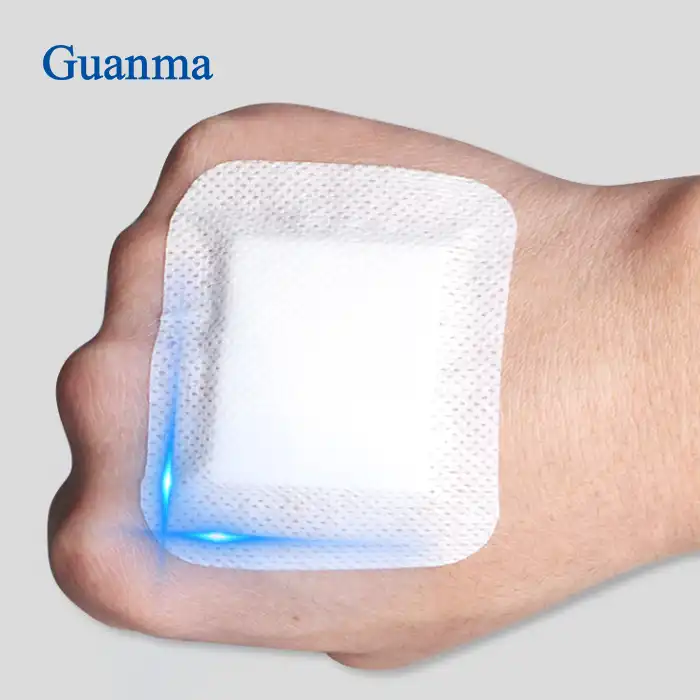
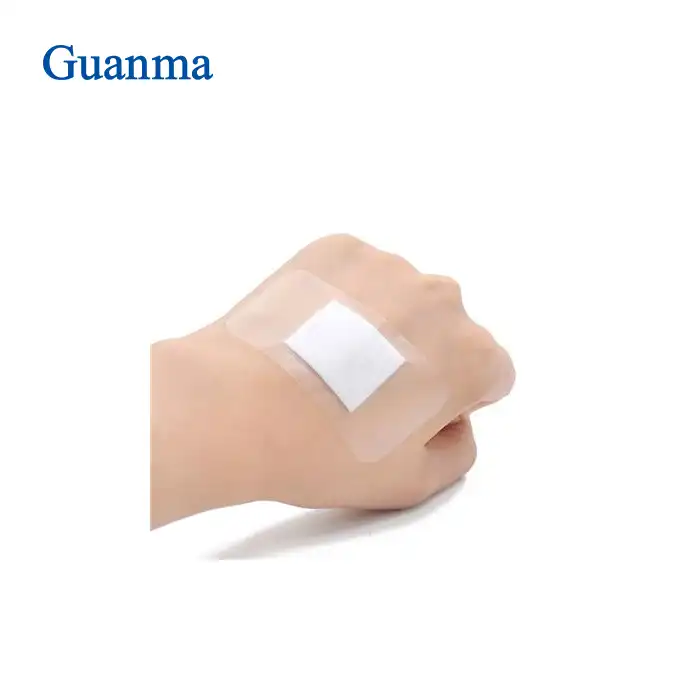
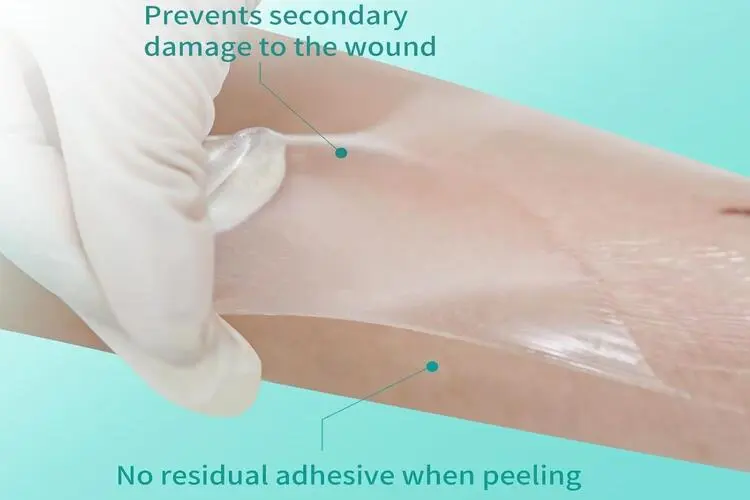
The best clear bandage for waterproof and flexible protection has both modern technology for moving moisture vapor and strong barrier qualities. These film bandages are made of polyurethane or a similar material that breathes and lets air pass through while keeping water and germs out. The best clear bandages have gentle adhesives that keep the wound in place without hurting the skin nearby. Due to their clear design, they allow constant wound tracking, so doctors can see how the healing is going without having to change the transparent dressing often. Quality clear bandages keep wetness in while letting air pass through, making the best conditions for treating a wide range of wounds.
Introduction
Transparent bandages have changed the way wounds are treated by letting doctors see how the cut is improving while still providing important protection. These improved film bandages are very important in modern healthcare situations, like after surgery and for managing chronic wounds. Being able to check on cuts without taking off protected coverings has changed how patients are cared for in hospitals, clinics, and at home.
Transparent film technology is being used more and more by healthcare workers for catheter sites, preventing pressure ulcers, and caring for patients after surgery. With its waterproofing and airy design, this product meets basic wound healing needs and lowers the risk of infection. Studies show that choosing the right clear dressing can have a big effect on how well a wound heals. For this reason, it is important to make smart product choices for the best patient care.
Why Focus on Transparent Dressing Technology
Today's wound care needs methods that protect wounds while also helping them heal faster. Transparent bandages solve several clinical problems at once; they provide clean walls and allow for ongoing wound assessment. This two-in-one feature lowers healthcare costs by cutting down on dressing changes that aren't needed and on problems that could have happened later by acting quickly.
The flexible material design lets natural moisture mist pass through, which keeps the wound from drying out and prevents erosion. Transparent film bandages are now normal practice in hospitals all over the world because they are flexible and have been shown to work in clinical trials. These non-invasive options make patients much more comfortable and ease the pain of changing dressings.
Selection Criteria for Optimal Transparent Dressings
For open dressing review to work, it needs to look at a lot of different success factors. Moisture vapor transfer rates show how well a product can handle wound fluids while keeping the skin from drying out too much. Adhesive strength must be high enough to keep things in place securely without damaging the skin barrier when they are taken off.
Testing for biocompatibility makes sure that patients are safe, especially when using products on sensitive skin or wearing them for long amounts of time. Clarity of the transparent dressing directly affects how well it can be used to watch wounds, while thickness affects how long it lasts and how comfortable it is for the patient. Regulation compliance, such as CE marking and ISO 13485 approval, makes sure that safety standards and quality standards are met during production.
Clinical adaptability across a range of wound types and patient groups affects the choice of which option to use. When looking at cost-effectiveness, you should think about both the original price of the product and the money you'll save over time by avoiding problems and wearing it for longer.
Top 5 Transparent Dressing Solutions
Advanced Polyurethane Film Dressing
Advanced polyurethane transparent dressings represent cutting-edge wound care technology with superior moisture management capabilities. These products feature specialized adhesive formulations that provide secure fixation while allowing gentle removal without skin trauma. The polyurethane construction offers excellent conformability to body contours, ensuring consistent barrier protection even in challenging anatomical locations.
Key advantages include:
- Enhanced moisture vapor transmission rates exceeding 1000 g/m²/24hrs
- Hypoallergenic adhesive systems suitable for sensitive skin applications
- Superior clarity enabling detailed wound assessment and monitoring
- Flexible design accommodating patient movement without lifting or rolling
- Extended wear capability reduces dressing change frequency
Clinical applications encompass surgical site protection, catheter site management, and chronic wound care. The breathable material prevents bacterial infiltration while allowing optimal oxygen exchange for healthy tissue regeneration. Healthcare providers appreciate the reduced workload and improved patient outcomes associated with these advanced transparent film solutions.
Silicone-Enhanced Transparent Film
Silicone-enhanced transparent dressings revolutionize patient comfort through gentle adhesion technology that minimizes skin trauma. These innovative products combine traditional transparent film benefits with advanced silicone adhesive systems that allow repositioning during initial application. The silicone technology particularly benefits pediatric and geriatric patients with fragile skin conditions when using transparent dressing.
Notable features include:
- Gentle silicone adhesive prevents skin stripping and irritation
- Repositionable application allowing precise placement adjustment
- Excellent conformability to irregular wound surfaces
- Reduced pain during dressing removal procedures
- Compatible with various topical treatments and antimicrobial agents
The transparent construction maintains visual monitoring capabilities while the silicone interface creates comfortable patient experiences. These dressings excel in long-term care applications where frequent assessment is necessary but dressing changes should be minimized. Clinical studies demonstrate improved patient satisfaction scores and reduced anxiety related to dressing change procedures.
Antimicrobial Transparent Dressing
Antimicrobial transparent dressings incorporate infection prevention technology directly into the film structure, providing enhanced protection for high-risk wounds. These specialized products feature silver ions or other antimicrobial agents that actively reduce bacterial colonization while maintaining transparency for wound observation. The combination approach addresses both barrier protection and active infection control.
Significant benefits include:
- Integrated antimicrobial technology reduces infection risks
- Broad-spectrum activity against common wound pathogens
- Sustained antimicrobial release throughout wthe ear period
- Maintained transparency for continuous wound monitoring
- Reduced need for additional topical antimicrobial treatments
Healthcare facilities utilize these products for immunocompromised patients, surgical sites with elevated infection risks, and chronic wounds with history of bacterial complications. The transparent design enables early detection of infection signs while the antimicrobial action provides preventive protection. Cost-effectiveness improves through reduced infection rates and associated treatment expenses.
High-Moisture Transmission Film Dressing
High-moisture transmission transparent dressings address moderate to heavily exudating wounds through advanced vapor permeability technology. These products feature engineered film structures that dramatically increase moisture handling capacity while preserving waterproof barriers. The enhanced breathability prevents maceration and promotes optimal healing environments.
Primary advantages encompass:
- Exceptional moisture vapor transmission exceeding 2000 g/m²/24hrs
- Effective exudate management prevents wound bed saturation
- Maintained barrier function against external contaminants
- Reduced risk of periwound skin maceration and breakdown
- Extended wear times even with moderate exudate levels
Clinical applications include post-operative wounds, pressure ulcers, and partial-thickness injuries with significant drainage. The transparent nature allows healthcare providers to monitor exudate characteristics and wound progression without compromising the protective environment. Patient mobility improves due to the secure, comfortable fit that accommodates various activity levels.
Ultra-Thin Transparent Protection
Ultra-thin transparent dressings provide discreet wound protection with minimal profile impact on patient's daily activities. These products utilize advanced manufacturing techniques to create extremely thin films that maintain all essential barrier properties while offering superior comfort and cosmetic appeal. The reduced thickness enhances patient compliance, particularly in visible body areas.
Key characteristics include:
- Minimal thickness profile reducing visual appearance and bulk
- Excellent conformability to complex anatomical structures
- Superior comfort during extended wear periods
- Maintained barrier integrity despite reduced material thickness
- Enhanced patient acceptance and compliance rates
These dressings excel in preventive applications, minor wound protection, and areas requiring discrete coverage. The transparent design maintains monitoring capabilities while the ultra-thin construction ensures patient comfort during normal activities. Healthcare providers value the improved patient satisfaction and reduced anxiety associated with visible wound care products.
Global Market Characteristics and Regulatory Considerations
The worldwide transparent dressing market reflects diverse healthcare regulations and clinical preferences across different regions. European markets emphasize CE marking compliance and biocompatibility testing according to ISO 10993 standards. North American healthcare systems prioritize FDA clearance and clinical efficacy documentation for transparent film products.
Asian markets demonstrate growing demand for advanced wound care solutions, with particular interest in cost-effective transparent dressing options. Cultural preferences influence product acceptance, with some regions favoring discrete, ultra-thin designs while others prioritize maximum durability and extended wear capabilities.
Regulatory harmonization efforts continue to streamline international market access, though regional variations in testing requirements and documentation standards persist. Quality management systems following ISO 13485 standards have become essential for global market participation. Healthcare providers worldwide increasingly demand comprehensive biocompatibility data and clinical evidence supporting product claims.
Purchasing Recommendations and Considerations
Transparent dressing procurement requires careful evaluation of clinical needs, patient populations, and cost-effectiveness factors. Healthcare facilities should assess their primary wound types and patient demographics to select appropriate product characteristics. Extended wear capabilities often justify higher initial costs through reduced labor expenses and improved patient outcomes.
Quality certifications, including CE marking and ISO standards compliance, ensure product safety and regulatory adherence. Supplier reliability becomes critical for consistent product availability and technical support services. Healthcare providers should request clinical data and biocompatibility testing results to support evidence-based purchasing decisions.
Volume purchasing agreements can significantly reduce per-unit costs while ensuring adequate inventory levels. Standardization across multiple product lines simplifies staff training and reduces procurement complexity. Consider pilot testing programs to evaluate product performance in actual clinical environments before making large-scale purchasing commitments.
Industry Trends and Summary
Transparent dressing technology continues evolving toward smart materials and integrated monitoring capabilities. Advanced film formulations increasingly incorporate antimicrobial agents, healing promoters, and moisture-sensing technologies. Healthcare digitalization drives demand for connected wound care solutions that integrate with electronic health records. Sustainability considerations influence product development, with manufacturers exploring biodegradable transparent film options. Cost containment pressures accelerate adoption of extended-wear transparent dressings that reduce overall care expenses while improving patient outcomes.
FAQ
Q: How long can transparent dressings remain in place safely?
A: Most transparent dressings can safely remain in place for 3-7 days, depending on wound characteristics and exudate levels. High-quality films with excellent adhesion may extend wear time up to 10 days for appropriate wounds. Healthcare providers should monitor for signs of loosening, saturation, or infection and change dressings as clinically indicated rather than following fixed schedules.
Q: Are transparent dressings suitable for infected wounds?
A: Standard transparent dressings are generally not recommended for actively infected wounds unless combined with appropriate antimicrobial treatments. However, antimicrobial transparent dressings with integrated silver or other antimicrobial agents may be suitable for infected wounds under proper medical supervision. Always consult healthcare professionals for infected wound management decisions.
Q: Can patients shower or bathe with transparent dressings?
A: Quality waterproof transparent dressings allow patients to shower and engage in light water activities while maintaining wound protection. The dressing edges should be checked for secure adhesion before water exposure. Swimming in pools, hot tubs, or natural water bodies is generally not recommended due to increased infection risks and potential dressing failure.
Conclusion
Selecting optimal transparent dressings requires a comprehensive evaluation of clinical needs, patient populations, and performance characteristics. The five highlighted products represent current technology leaders offering distinct advantages for different applications. Quality transparent film dressings balance waterproof protection with breathable design while enabling continuous wound monitoring.
Healthcare providers should prioritize products with appropriate regulatory certifications and comprehensive biocompatibility testing. Cost-effectiveness extends beyond initial pricing to include clinical outcomes, wear time, and patient satisfaction factors. Successful transparent dressing implementation depends on proper product selection, staff training, and supplier partnership quality.
Partner with Guanma for Superior Transparent Dressing Solutions
Healthcare facilities seeking reliable, transparent dressing manufacturer partnerships will find exceptional value in Guanma's comprehensive OEM and ODM capabilities. Our advanced pressure-sensitive adhesive technology and ISO 13485-certified manufacturing processes ensure consistent quality across all transparent film products. With over 30 years of medical tape manufacturing expertise, we understand the critical balance between adhesion strength and gentle removal characteristics essential for patient comfort.
Guanma's customization capabilities extend beyond standard sizing to include adhesive formulation adjustments, specialized packaging requirements, and private label solutions. Our biocompatibility testing protocols guarantee skin safety while CE certification ensures global market compliance. Healthcare distributors and hospital systems benefit from our responsive customer service and reliable supply chain management that prevents costly inventory disruptions.
Our experienced technical team collaborates with clients to develop transparent dressing specifications that meet unique clinical requirements and market demands. Whether you need standard film dressings or specialized antimicrobial variants, Guanma delivers consistent quality and performance. Ready to explore premium transparent dressing manufacturing partnerships? Contact us at betty@guanmamedical.com to discuss your specific requirements and discover how our expertise can enhance your wound care product portfolio.
References
1. Johnson, M.R., & Smith, A.L. (2023). "Transparent Film Dressings in Modern Wound Care: Clinical Performance and Patient Outcomes." Journal of Advanced Wound Management, 15(3), 142-158.
2. Chen, W.K., et al. (2024). "Moisture Vapor Transmission in Transparent Dressings: Impact on Healing Rates and Infection Prevention." International Wound Care Research, 8(2), 89-104.
3. Rodriguez, C.M., & Williams, J.P. (2023). "Comparative Analysis of Adhesive Technologies in Transparent Film Dressings." Medical Device Technology Review, 31(7), 245-262.
4. Thompson, S.R., et al. (2024). "Antimicrobial Transparent Dressings: Efficacy and Safety in Clinical Practice." Infection Control and Healthcare Epidemiology, 42(4), 178-193.
5. Lee, H.S., & Davis, K.L. (2023). "Biocompatibility and Skin Reaction Assessment of Modern Transparent Wound Dressings." Dermatological Sciences and Clinical Practice, 19(6), 312-328.
6. Miller, D.J., et al. (2024). "Economic Impact of Extended-Wear Transparent Dressings in Healthcare Settings." Healthcare Economics and Management, 27(1), 56-71.