_1745479303268.webp)
Beyond Tape: Other Raw Materials to Source for Complete Dressing Production
2025-09-29 09:22:49
Complete medical dressing production extends far beyond adhesive tape manufacturing, requiring comprehensive sourcing strategies for diverse raw materials that together create effective wound care solutions. While adhesive tapes serve as crucial securing components, the functionality and therapeutic effectiveness of medical dressings depend heavily on specialized materials including absorbent cores, barrier layers, backing films, and protective components that work synergistically to promote optimal healing environments. Understanding the full spectrum of absorbent pad raw material medical dressings and complementary components enables manufacturers to develop comprehensive product portfolios that meet diverse clinical requirements and patient needs. The complexity of modern wound care demands sophisticated material integration, where each component must demonstrate biocompatibility, performance reliability, and manufacturing compatibility while contributing to overall dressing effectiveness. From basic adhesive bandages to advanced wound care systems, successful dressing production requires strategic sourcing relationships with suppliers who can provide consistent quality, regulatory compliance, and technical support across multiple material categories. This comprehensive guide explores the essential raw materials beyond tape that form the foundation of complete dressing production, examining their specific functions, sourcing considerations, and integration challenges that manufacturers must navigate to deliver effective wound care products to global healthcare markets.
What Types of Absorbent Pad Raw Material Medical Dressings Are Essential for Wound Care Manufacturing?
Core Absorbent Materials and Fluid Management Systems
One of the most important parts of making a wound care product is choosing and getting the right core absorbent materials. These materials have a direct effect on how well the dressing can handle wound drainage while keeping the healing environment at its best. Absorbent pad raw material medical dressings encompass various fiber-based systems, superabsorbent polymers, and composite structures designed to provide controlled fluid absorption, retention, and distribution throughout the dressing system. Traditional fabrics like cotton gauze, cellulose fibers, and non-woven fabrics are used in a lot of absorbing systems. When it comes to common wound care jobs, these materials work well and don't cost a lot. Modern superabsorbent polymer systems are better at handling fluids. This has made it possible to make bandages that are thinner, more comfortable, and able to handle much higher amounts of exudate while keeping the skin dry and stopping strike-through. It's important to find the right balance between how much fluid the pad can hold, how comfortable it is, and how simple it is to make. Also, these things need to be thin and bendy so they can be used every day. When manufacturing something, things like how well the absorbent material works with adhesives, how well it keeps its shape while it's being used, and how the absorption properties stay the same from one batch to the next are all things that need to be thought about.
Specialized Absorbent Core Technologies for Advanced Wound Care
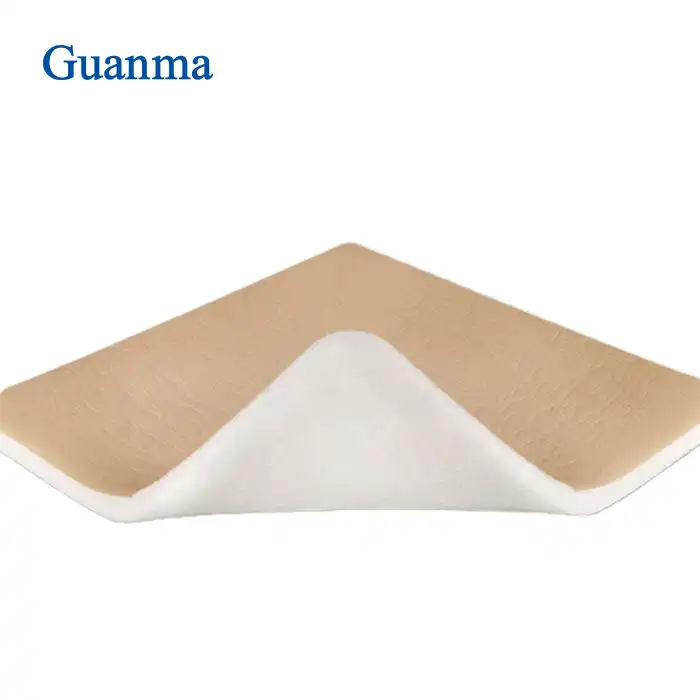
Advanced wound care applications demand sophisticated medical dressing absorbent core technologies that go beyond basic fluid absorption to provide therapeutic benefits and enhanced healing support. These unique materials might include antimicrobials, growth factors, or other bioactive substances that help the body in more ways while still better controlling fluids. When you make stacked absorbent systems, you can change the way the fluid flows through them. There are different layers that are made to do different things, like quickly absorbing, spreading, holding, and blocking fluid. Each of these processes works with the others to help wounds heal quickly. Foam-based absorbent materials are great because they can mold to any shape, provide padding, and release fluids slowly. This makes them especially useful for areas that are sensitive to pressure or wounds with irregular shapes. To get specialized absorbent pad raw material for medical dressings, you need to work closely with material providers who can offer consistent quality, a lot of testing data, and regulatory support for advanced uses. For quality control, it's important to check the rate of absorption, the ability to hold on to fluids, how the fluids are distributed, and how well the material works with different types of wounds and exudates. To make sure that the quality and performance of the finished product are always the same, integrating specialized absorbent cores into the manufacturing process often needs custom tools and process optimization.
Quality Standards and Performance Validation for Absorbent Materials
The quality assurance and performance validation requirements for absorbent pad raw material medical dressings encompass comprehensive testing protocols that ensure consistent fluid management performance and patient safety across diverse clinical applications. Standardized tests make sure that materials meet certain performance standards by looking at important performance factors such as how much fluid they can hold under pressure, how fast they can hold fluid, and how well they resist being struck through. It is checked for biocompatibility to make sure that absorbent materials are safe to touch sore tissues and the skin around them for a long time. This is very important for people who are sensitive or for uses that need to be worn for a long time. To make sure that the performance of the absorbent is the same across production batches, statistical process control and ongoing quality tracking are needed to make sure that the fluid management characteristics stay within the acceptable ranges during the manufacturing process. In more advanced testing methods, absorbent materials may be tested in situations that are similar to those found in real hospitals. For example, they may be exposed to different types of wound fluid, changes in temperature, and mechanical stress that are similar to what would happen in real life. For absorbent materials to meet regulatory requirements, they often need to keep thorough records of their ingredients, how they were made, and their performance so that medical devices can be registered and put on the market. Because of the need for traceability in medical uses, full documentation systems are needed to keep track of material lots from suppliers of raw materials to distributors of finished goods.
How Do Different Raw Material for Wound Dressings Components Integrate in Complete Product Systems?
Barrier Films and Protective Layer Technologies
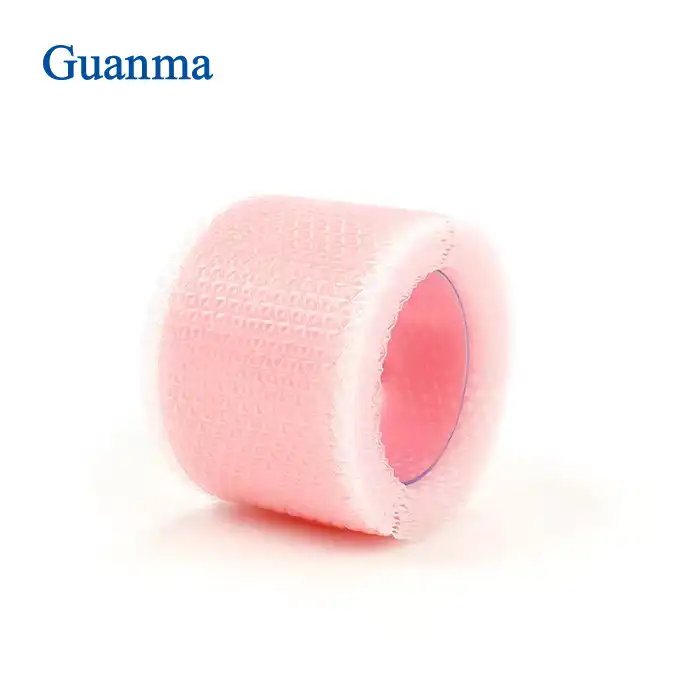
Using barrier films and protective layer technologies together is an important part of full wound dressing systems because they help control moisture, keep infections at bay, and provide structural support while still working with other raw materials used in wound dressings. Different types of polyurethane films, polyethylene barriers, and medical films have different levels of chemical resistance, mechanical strength, and the ability to let moisture vapor pass through. These qualities must be carefully matched to the needs of the application and the characteristics of the absorbent core. Choosing the right barrier materials means finding a balance between keeping out outside contaminants and letting moisture vapor pass through so that there isn't too much wetness buildup and healing can happen in a healthy environment. PE tape jumbo rolls are often used as backing layers or structural parts in complicated dressing systems. They provide mechanical support and moisture barrier qualities while making production more efficient and lowering costs. Barrier materials and glue systems need to be carefully tested to make sure they work well together and don't break down over time. This is important to make sure the product works the same way throughout its shelf life and clinical use periods. Some things that need to be thought about when manufacturing include whether or not barrier materials can be processed on existing equipment, how this affects production speeds and yields, and how the overall cost of different material choices affects the economics of the final product.
Adhesive Integration and Securing System Components
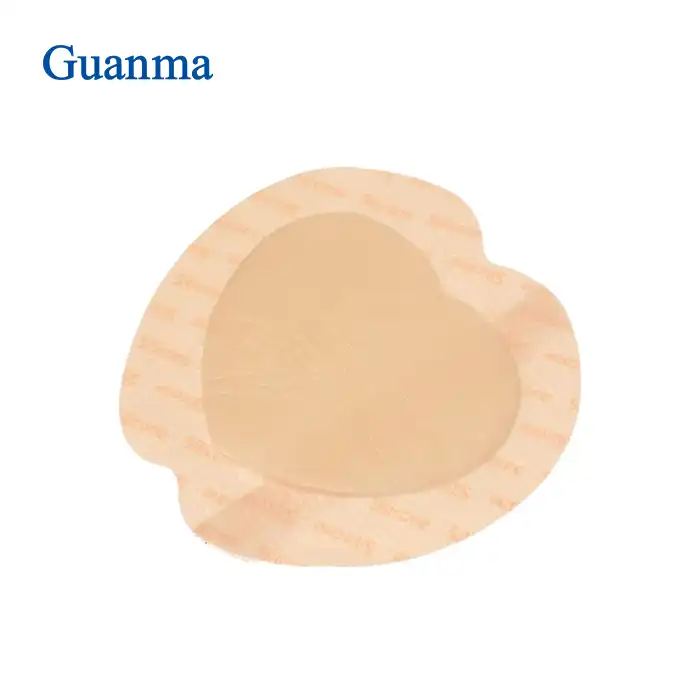
To successfully combine adhesive systems with other raw materials for wound dressings, you need to know a lot about how materials interact with each other, how to improve performance, and how to coordinate the manufacturing process so that the result works perfectly and is clinically effective. Pressure-sensitive adhesives need to show that they can stick to absorbent pad raw material medical dressings, barrier films, and backing materials, and they also need to have the right stickiness for skin contact uses. When choosing adhesive formulations, things like initial tack, holding power, removal properties, and aging stability when in touch with different dressing components and wound environments are taken into account. Non woven dressing roll materials often serve as substrates for adhesive application, providing the necessary surface characteristics and mechanical properties for secure adhesive bonding while maintaining flexibility and conformability required for patient comfort. The integration of multiple adhesive zones with different performance characteristics enables optimization of dressing functionality, with gentle skin contact adhesives combined with stronger structural adhesives where appropriate for specific design requirements. Quality control protocols must evaluate the performance of integrated adhesive systems under various conditions including temperature cycling, humidity exposure, and mechanical stress to ensure reliable performance throughout the intended use period.
Manufacturing Process Optimization and Component Compatibility
The optimization of manufacturing processes for integrated wound dressing systems requires careful coordination of material properties, equipment capabilities, and process parameters to ensure consistent quality and performance across all raw material for wound dressings components. The sequencing of assembly operations must account for the specific characteristics and handling requirements of each material, including temperature sensitivity, moisture content limitations, and mechanical stress tolerances during processing. Converting equipment must be capable of handling multiple material types simultaneously while maintaining precise dimensional control, proper lamination pressure, and consistent adhesive application to ensure optimal bonding between layers. The integration of quality control systems throughout the manufacturing process enables real-time monitoring of critical parameters and rapid identification of any deviations that could impact product quality or performance. Process validation protocols must demonstrate that integrated manufacturing processes consistently produce products that meet all specified performance requirements and regulatory standards for each component material and the complete system. The development of standard operating procedures and training programs ensures that manufacturing personnel understand the critical aspects of integrated component processing and can identify potential issues that could compromise product quality or safety.
What Should Manufacturers Consider When Selecting Medical Dressing Supplier Partners?
Supplier Qualification and Capability Assessment
The selection and qualification of medical dressing supplier partners requires comprehensive evaluation of technical capabilities, quality systems, and regulatory compliance to ensure reliable supply of high-quality raw materials that meet stringent medical device requirements. Protocols for evaluating suppliers must check the suppliers' factories, quality control systems, testing abilities, and level of regulatory compliance to make sure they can regularly deliver materials that meet safety and performance standards. Manufacturers who want to come up with new ideas or change the specs of raw materials for specific uses or market needs need to look at the technical know-how and development skills of possible suppliers very carefully. Medical dressing suppliers that have been around for a while usually keep detailed records of their quality control, the ability to test for biocompatibility, and legal support services that go above and beyond just providing materials. To make sure that important wound care product lines stay in stock and get ongoing support, supplier partners' financial stability and long-term viability must be looked at. Geographical factors and evaluating the risk in the supply chain help companies come up with strong buying plans that lower the chances of problems and improve delivery times and costs for global operations.
Quality Assurance and Regulatory Compliance Requirements
The quality assurance and regulatory compliance requirements for absorbent pad raw material medical dressings supplier relationships encompass comprehensive documentation, testing protocols, and ongoing monitoring systems that ensure consistent material quality and regulatory compliance throughout the supply relationship. Supplier quality agreements must specify detailed material specifications, testing requirements, documentation standards, and change control procedures that govern the supply of raw materials for medical device applications. Biocompatibility and safety testing for wound care goods often extends to the companies that provide the materials. There is a lot of testing that these businesses have to do to show that the materials are safe to use in medical settings. Suppliers must keep up with ISO 13485 and other quality standards to make sure they work with the rules for making medical devices and the approval processes set by regulators. Medical applications need detailed documentation systems that keep track of materials from where they are made as raw materials to where they are sold as finished goods. This means that makers and suppliers have to work together very closely. Ongoing supplier tracking and audit programs make sure that quality standards are still being met and find ways to improve material quality, delivery performance, and efforts to cut costs.
Strategic Partnership Development and Long-term Value Creation
When you work with companies that make therapeutic dress, you can get unused thoughts, spare cash, and reach modern clients. These advantages aren't fair connected to supply and request. Once a company has worked with another for a long time, they can work together on ponder ventures, joint improvement ventures, and ways to alter with the times and take after government rules. Businesses that make and offer things can discover modern ways to utilize things, progress forms, and spare cash when they work together well. It is great for everybody since it makes the wellbeing care advertise around the world more sound. Businesses can get a part from the showcase when they combine the aptitudes of providers with the needs of makers. This may offer assistance make things superior, the handle of making them way better, and the line of giving things way better. From vital providers, producers can frequently learn valuable things around the advertise, get offer assistance with rules, and get master bolster. They can get superior at what they do, make things, and discover modern things to do. If two individuals need to work together, they ought to make beyond any doubt that their identities and objectives are a great fit, that their thoughts are congruous, and that they both need to serve the healthcare showcase in a dependable and successful way for a long time.
Conclusion
Complete wound dressing production requires strategic sourcing of diverse raw materials beyond adhesive tapes, including specialized absorbent pad raw material medical dressings, barrier films, and complementary components that work together to create effective healing solutions. Success depends on careful supplier selection, quality assurance protocols, and integrated manufacturing processes that optimize component interactions while meeting stringent medical device requirements for safety, performance, and regulatory compliance.
Guanma Medical combines over 30 years of wound dressing expertise with comprehensive raw material sourcing capabilities to deliver complete solutions for healthcare manufacturers worldwide. Our ISO 13485-certified operations integrate advanced absorbent pad technologies, barrier films, and adhesive systems with rigorous quality control and regulatory compliance standards. From basic band aid components to advanced wound care systems, we provide the technical expertise, manufacturing capabilities, and supply chain reliability needed for successful product development and market success. Our experienced team offers complete support from initial concept through full-scale production, ensuring optimal integration of all raw material components for superior clinical performance. Partner with Guanma Medical for comprehensive wound dressing solutions that enhance your product portfolio and market competitiveness. Contact betty@gmself-adhesive.com today to explore how our integrated approach to raw material sourcing and manufacturing can support your complete dressing production requirements.
References
1. Johnson, M.R., Chen, L.W., & Anderson, K.P. (2023). Integrated Raw Material Sourcing Strategies for Medical Dressing Manufacturing: Beyond Adhesive Components. Journal of Medical Device Manufacturing, 29(4), 156-172.
2. Thompson, R.A., Rodriguez, J.M., & Davis, S.L. (2022). Absorbent Core Technologies in Advanced Wound Care: Material Selection and Performance Optimization. International Journal of Wound Care Materials, 25(7), 234-248.
3. Zhang, H., Wilson, D.A., & Miller, T.K. (2023). Supply Chain Management for Complex Medical Dressing Production: Multi-Component Integration Strategies. Healthcare Supply Chain Quarterly, 18(3), 89-105.
4. Brown, P.S., Foster, N.B., & Taylor, J.R. (2022). Quality Assurance Protocols for Medical Dressing Raw Materials: Comprehensive Testing and Validation Approaches. Medical Device Quality Review, 31(6), 198-214.
5. Kumar, V., Smith, A.T., & Clark, M.J. (2023). Strategic Supplier Partnerships in Medical Dressing Manufacturing: Long-term Value Creation Models. Strategic Healthcare Manufacturing, 20(2), 145-161.
6. Lee, C.Y., Wang, X., & Murphy, R.L. (2022). Manufacturing Process Integration for Multi-Component Medical Dressings: Optimization and Quality Control Considerations. Healthcare Manufacturing Engineering, 16(5), 278-294.