_1745479303268.webp)
Burn Scar Management: The Role of Silicone Scar Tape
2025-10-16 09:44:06
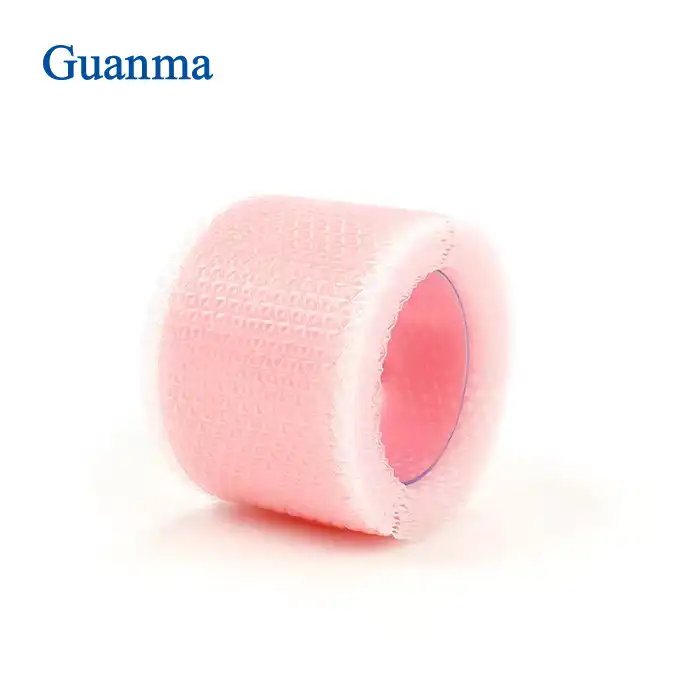
People who have burn scars often feel a lot of physical and mental pain because they are hard to take care of and heal. New methods for healing scars and improving overall health have emerged as medical science has progressed. A famous one is silicone scar tape, which works well and doesn't hurt when used to treat burn scars. Silicone scar tape, according to the article's author, can alleviate burn scars. There are instructions, details on how to remove scars permanently, and instructions on how to use the tape correctly. If both doctors and patients understand how silicone scar tape works and what effects it has on scar tissue, they can make smart decisions about whether to include this treatment in full burn care plans. In the end, this will make life better for people who have been burned.
Unique Challenges of Burn Scar Treatment
Complexity of Burn Scar Formation
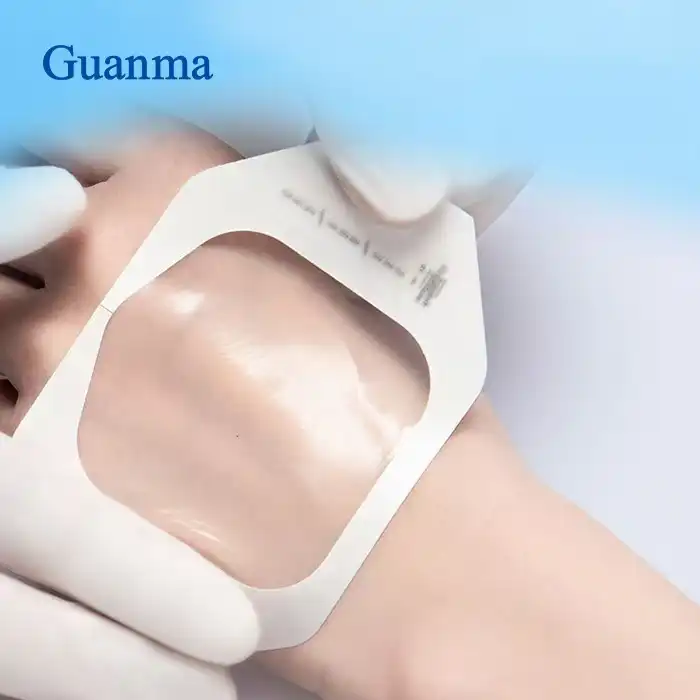
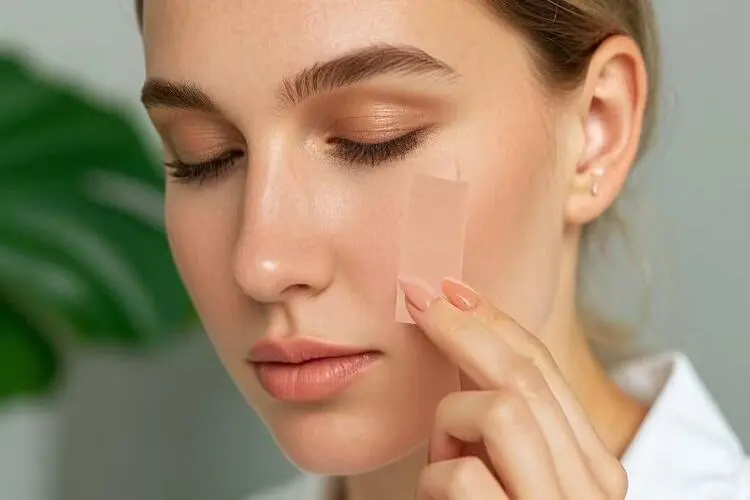
Burn scars present a complex challenge in wound healing due to the extensive damage caused to multiple layers of skin. Silicone scar tape is very important for dealing with these problems because it forms a shield that protects and helps the wound heal properly. Because of how it's made, silicone tape can mimic the natural qualities of healthy skin. This makes an environment that helps collagen form properly and lowers the risk of scarring too much. Scars can get enlarged or keloid when they heal. To make scars less noticeable, you can use silicone scar tape to keep the area moist and shield it from the elements. An additional perk of this tape is its ability to alleviate the discomfort and itching associated with burn scars. People are more likely to follow their treatment plans after this.
Scar Tissue Elasticity and Contracture Prevention
One of the primary concerns in burn scar management is maintaining skin elasticity and preventing contractures that can limit mobility. Silicone scar tape is a great solution since it gently and consistently presses on the scar tissue, eliminating the problem. The scar will eventually become flatter and softer as a result of this. When this pressure therapy is combined with the occlusive properties of silicone, it makes the scar tissue more flexible. This lowers the chance of contractures and makes the skin more elastic overall. Because the tape can mold to different body shapes, it works especially well for treating burns in places that tend to move and stretch. For the patient's long-term well-being and rehabilitation results, Silicone Scar Tape is essential because it promotes more malleable scar tissue, which in turn helps to preserve range of motion and functionality in the affected areas.
Psychological Impact of Visible Scars
The impact of burn scars on people's mental health cannot be overstated. Low self-esteem and societal problems are common outcomes. Silicone Scar Tape is very important for dealing with these psychological issues because it makes scars look better over time. If someone regularly treats their scars with silicone tape, which makes them less red, thick, and noticeable, it can boost their self-esteem and sense of well-being. The mental health benefits of being able to control one's own healing process are just one of several that accrue from regularly putting the tape to wounds. Healthcare experts often stress how important it is to combine Silicone Scar Tape treatment with psychological support to help burn patients recover on both a physical and emotional level. This creates a more complete approach to patient care.
Silicone Tape's Impact on Burn Scar Elasticity
Hydration and Occlusion Effects
Because it hydrates and blocks out impurities, silicone scar tape has a big effect on the flexibility of burn scars. By creating a semi-occlusive covering over the scar, the silicone material aids in maintaining an optimal moisture level for the scar tissue. This water is very important for improving scar flexibility because it makes the scar softer and more bendable. Transepidermal water loss is also slowed down by the occlusive effect, which keeps the scar from drying out and becoming stiff. By keeping the area wet, silicone scar tape helps collagen fibers form in a more organized way. This results in better scar structure and flexibility. Burn scars often feel dry and tight, making it hard to move and being uncomfortable. For them, this soothing effect is very helpful.
Collagen Remodeling and Scar Maturation
The application of Silicone Scar Tape plays a crucial role in promoting healthy collagen remodeling and scar maturation in burn injuries. The scar's structure returns to normal thanks to the silicone's ability to create a microenvironment that promotes collagen fiber reorganization. This step is necessary to make scars more flexible and lower the chance of getting hypertrophic or keloid scars. The consistent pressure and occlusion provided by the tape help to align collagen fibers in a more parallel fashion, similar to that of healthy skin. Over time, this remodeling process results in a flatter, more flexible scar that better mimics the surrounding skin's elasticity. Silicone Scar Tape treatment is particularly effective when started early in the healing process, as it can guide the initial stages of collagen formation and scar maturation, leading to better long-term outcomes in burn scar elasticity and appearance.
Long-term Elasticity Improvements
Scientific research has shown that long-term application of silicone scar tape greatly improves the flexibility of burn scars. Improved flexibility and decreased likelihood of contracture can be achieved through the gradual softening and flattening of scar tissue, which can be achieved through continuous application over several months. This improvement in elasticity is not only cosmetic but also functional, allowing for better range of motion in affected areas. The fact that the tape keeps working even after you stop using it says that it changes the structure of scar tissue in a way that lasts. Patients who use Silicone Scar Tape regularly often say that it makes scarred areas more comfortable and easier to move around in. Their daily lives and general health can be greatly affected. Treatment with silicone tape can restore suppleness for years after a burn injury, according to studies that follow patients over time. Its value as an integral aspect of comprehensive burn scar treatment programs is demonstrated by this.
Long-Term Strategies for Burn Scar Improvement
Integrating Silicone Tape with Other Therapies
For optimal long-term burn scar improvement, integrating Silicone Scar Tape with other therapeutic modalities is crucial. Applying silicone tape in conjunction with other treatments including massage, compression garments, and stretching is a common holistic method. Improved scar control is the result of this multi-pronged approach. For instance, applying Silicone Scar Tape after massage therapy can help maintain the increased pliability achieved through manual manipulation.In the same way, the tape and tight clothes can work together to get rid of scars even more and make you more flexible. Physical therapy and stretching exercises, when performed while wearing silicone tape, can help maintain range of motion while simultaneously benefiting from the tape's occlusive and hydrating properties. Because it promotes patient participation in their own healing while simultaneously improving scars physically, this integrated method yields better long-term benefits.
Patient Education and Compliance
The success of long-term burn scar management heavily relies on patient education and compliance, particularly when it comes to the consistent use of Silicone Scar Tape. People need to know about the benefits of silicone tape, how to use it properly, and how important it is to follow the treatment plan. This is best done by health care professionals. Patients should be told how long it will take for scars to get better and that they need to be patient because big changes may not show up for a few months. Clear instructions on how to clean and reapply the tape, as well as how to monitor for any adverse reactions, are essential. Many people who are getting scar treatment keep a log to keep track of their progress and stay encouraged. Taking care of any fears or confusion about Silicone Scar Tape can also help people stick to the plan. Regular follow-up visits let doctors check on progress, make any necessary changes to treatment plans, and stress how important it is to consistently apply tape for the best long-term scar improvement.
Monitoring and Adjusting Treatment Plans
For burn scar management to work in the long run, treatment plans must be constantly checked and changed, and Silicone Scar Tape must be used. Regularly checking scar features like color, texture, pliability, and size helps doctors keep track of progress and see if treatment needs to be changed. New ways of taking pictures and methods for evaluating scars are clear signs of how far we've come over time. Based on these evaluations, the duration and frequency of Silicone Scar Tape application may be adjusted. For instance, as the scar matures and shows improvement, the wearing time of the tape might be reduced gradually. In some cases, combining silicone tape with other scar management products or transitioning to different forms of silicone treatment (such as gels or sheets) may be recommended. If there are any issues or changes in the scar's response to treatment, the patient and doctor must be able to communicate effectively at all times. Because it can be used in different ways, Silicone Scar Tape will continue to be an effective part of the long-term plan for improving burn scars, adapting to each patient's changing needs.
Conclusion
Because it improves the scar's appearance, elasticity, and comfort, silicone scar tape has grown in importance as a burn scar treatment over the years. It should be a part of any burn treatment strategy since it can improve the healing environment, aid collagen reshaping, and make scars more flexible. For silicone tape treatment to work in the long term, it needs to be combined with other treatments, patients need to be educated on how to follow treatment plans, and treatment plans need to be constantly checked and changed. Scientists are trying to make scar treatments better, but silicone scar tape will keep helping burn sufferers look and feel better, which will make their lives better overall.
For more information on silicone scar tape and other wound care solutions, please contact Guanma Medical at betty@guanmamedical.com. Guanma Medical is the brand you should buy for wound care bandages and medical tape on the go. Their business's goal is to make new, high-quality goods that help burn scars heal faster.
FAQ
Q: How long should silicone scar tape be used on burn scars?
A: Silicone scar tape is typically recommended for use over several months, with many patients seeing significant improvements after 3-6 months of consistent application. However, the duration can vary depending on the severity and age of the scar.
Q: Can silicone scar tape be used on all types of burn scars?
A: Yes, silicone scar tape can be used on most types of burn scars. However, it's important to consult with a healthcare professional before use, especially for fresh or open wounds.
Q: How often should silicone scar tape be replaced?
A; Silicone scar tape can usually be worn for 12-24 hours before needing replacement. However, this can vary based on the specific product and individual skin reactions.
Q: Are there any side effects to using silicone scar tape?
A: Side effects are rare but can include skin irritation or rash. If these occur, discontinue use and consult a healthcare provider.
Q: Can silicone scar tape be used in combination with other scar treatments?
A;: Yes, silicone scar tape can often be used in combination with other treatments like massage therapy or compression garments. Always consult with a healthcare provider for personalized advice.
Q: How soon after a burn injury can silicone scar tape be applied?
A: Silicone scar tape can typically be applied once the wound has fully closed and any scabs have fallen off naturally. This is usually around 2-3 weeks post-injury, but can vary. Always follow your healthcare provider's recommendations.
References
1. Mustoe, T. A. (2008). Evolution of silicone therapy and mechanism of action in scar management. Aesthetic Plastic Surgery, 32(1), 82-92.
2. Sidgwick, G. P., McGeorge, D., & Bayat, A. (2015). A comprehensive evidence-based review on the role of topicals and dressings in the management of skin scarring. Archives of Dermatological Research, 307(6), 461-477.
3. Anthonissen, M., Daly, D., Janssens, T., & Van den Kerckhove, E. (2016). The effects of conservative treatments on burn scars: A systematic review. Burns, 42(3), 508-518.
4. Puri, N., & Talwar, A. (2009). The efficacy of silicone gel for the treatment of hypertrophic scars and keloids. Journal of Cutaneous and Aesthetic Surgery, 2(2), 104-106.
5. Gauglitz, G. G., Korting, H. C., Pavicic, T., Ruzicka, T., & Jeschke, M. G. (2011). Hypertrophic scarring and keloids: pathomechanisms and current and emerging treatment strategies. Molecular Medicine, 17(1-2), 113-125.
6. Monstrey, S., Middelkoop, E., Vranckx, J. J., Bassetto, F., Ziegler, U. E., Meaume, S., & Téot, L. (2014). Updated scar management practical guidelines: non-invasive and invasive measures. Journal of Plastic, Reconstructive & Aesthetic Surgery, 67(8), 1017-1025.