_1745479303268.webp)
Can Ankle Support Kinesio Tape Enhance Your Athletic Performance?
2025-10-27 11:28:57
Athletes are continuously on the lookout for methods to improve their strength and acquire an advantage over their competitors in sports. It's been getting a lot of attention lately to use Kinesio tape to strengthen your ankles. This new method of taping, created by Japanese doctor Dr. Kenzo Kase in the 1970s, has become increasingly popular among athletes of all levels. The question that naturally arises is: Can ankle support Kinesio tape truly enhance athletic performance? This blog post will talk about why using Kinesio tape to support your feet might be a good idea. It will look at how it can help with healing, success, and staying healthy. This tape method is based on science. We will talk about how it can be used in different sports and give you workout tips on how to best use it. Whether you're a professional athlete or a weekend warrior, understanding the potential advantages of ankle support Kinesio tape could be the key to unlocking your full athletic potential.
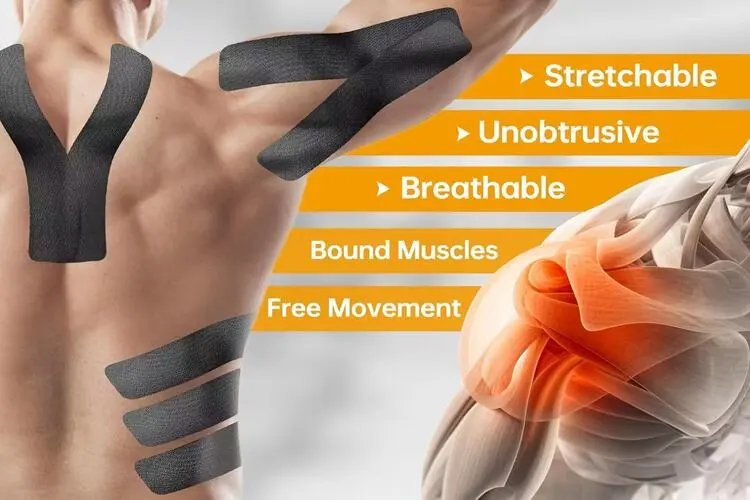
Measuring Performance Improvements with Kinesio Tape
Enhancing Proprioception and Stability
One of the primary ways ankle support Kinesio tape can potentially enhance athletic performance is by improving proprioception and stability. Proprioception refers to the body's ability to sense its position and movement in space. When applied correctly, Kinesio tape can stimulate the skin's sensory receptors, providing enhanced feedback to the brain about the ankle's position and movement. Becoming more self-aware will assist you in developing the stability and balance necessary for success in a variety of sports. Athletes may experience less risk of injuries such ankle sprains if they are able to rapidly change directions, jump, and land. In addition to improving blood flow and lymphatic drainage in the taped area, the tape's moderate lifting impact on the skin can create extra room under the skin. Swelling might go down and healing could go faster if this helps.
Reducing Fatigue and Improving Endurance
Ankle support Kinesio tape may also play a role in reducing fatigue and improving endurance during athletic activities. Thanks to its special elastic qualities, the tape gently supports muscles and joints without limiting their mobility. Ankle and lower leg muscles may not get tired as quickly since this support helps to distribute the weight more evenly. Some athletes report feeling a sense of "freshness" in their ankles even after prolonged activity when using Kinesio tape. Additionally, the improved circulation and lymphatic drainage facilitated by the tape may help remove metabolic waste products more efficiently, further contributing to reduced fatigue. While more research is needed to fully quantify these effects, many athletes swear by the tape's ability to help them perform at a higher level for longer periods.
Measuring Performance Metrics
To objectively assess the impact of ankle support Kinesio tape on athletic performance, various performance metrics can be measured. Vertical jump, speed, agility, balance, and sport-specific ability tests are among examples. Results may vary from user to user and application method to application method, however research indicates that Kinesio tape has several benefits for athletes. It's important to note that while some athletes may experience significant improvements, others may see more subtle changes or no noticeable difference. The outcomes can be changed by things like the athlete's starting level of fitness, the nature of their sport, and the specific taping method used. To get the most accurate assessment, it's recommended to conduct before-and-after tests using standardized protocols and to consider both objective measurements and subjective feedback from the athlete.
Sport-Specific Applications for Peak Performance
Taping Techniques for Running and Track Events
In running and track events, ankle support Kinesio tape can be applied in various ways to enhance performance and prevent injuries. For sprinters, a common technique involves applying the tape from the base of the toes, along the sole of the foot, and up the back of the calf. Putting this on is meant to give the plantar fascia and Achilles tendon more support. This might improve push-off power and lower the risk of tears. For long-distance runners, a taping method that supports the ankle and helps maintain proper foot alignment throughout the gait cycle may be beneficial. This can involve creating a "stirrup" around the ankle and foot, providing stability without limiting natural movement. Some runners also tape the arch of their foot to keep from getting tired during longer races. This could help them do better and have more stamina overall.
Basketball and Volleyball: Jumping and Landing Support
In sports that involve frequent jumping and landing, such as basketball and volleyball, ankle support Kinesio tape can play a crucial role in both performance enhancement and injury prevention. A common taping technique for these athletes involves creating a supportive "basket weave" pattern around the ankle, extending from the lower calf to the midfoot. Enhanced assistance for athletes performing explosive jumps and rapid direction changes is the primary motivation behind this software. They may feel more secure and experience fewer ankle sprains as a result of this. Some players also use Kinesio tape to support the Achilles tendon and calf muscles, which can be particularly beneficial for those with a history of calf strains or Achilles tendinopathy. By providing gentle support and potentially improving proprioception, the tape may help athletes maintain better form and control during high-impact landings, potentially leading to improved performance and reduced injury risk.
Soccer and Field Sports: Lateral Stability and Kick Power
For soccer players and athletes in other field sports, ankle support Kinesio tape can be applied to enhance lateral stability and potentially improve kick power. A common taping technique involves applying strips of tape from the inside of the ankle, across the top of the foot, and around to the outer ankle. In these games, there are a lot of quick side-to-side moves and changes in direction. This app's goal is to help with those. Some players also use Kinesio tape to support the muscles involved in kicking, such as the tibialis anterior and peroneal muscles. The tape might help players kick with more power and accuracy by gently supporting them and maybe even making muscles work better. Players who spend a lot of time on their feet may also benefit from taping methods that support the arch of the foot. This could help them feel less tired and more comfortable during games or practice.
Integrating Taping into Your Training Regimen
Proper Application Techniques and Timing
To maximize the benefits of ankle support Kinesio tape, it's crucial to understand proper application techniques and timing. The tape should be applied to clean, dry skin, and it's often recommended to shave the area for better adhesion. The tape is typically applied with the joint or muscle in a stretched position to create the desired effect when the body returns to its normal posture. For ankle support, this might involve applying the tape with the foot pointed downward and inward. Applying the tape too tightly can cut off blood flow, which could make it harder to do what you need to do. As for timing, many athletes find it beneficial to apply the tape a few hours before their activity to allow it to fully adhere to the skin. Some prefer to apply it the night before an event to ensure it's well-settled by competition time. You can find out what works best for your body and plan by trying out different times to apply.
Combining Taping with Other Recovery Methods
Ankle support Kinesio tape can be effectively combined with other recovery methods to enhance its benefits and overall athletic performance. For example, using the tape in conjunction with regular stretching and mobility exercises can help maintain flexibility while providing support. Some athletes find that using Kinesio tape along with compression socks or sleeves is the best way to deal with fatigue and speed up healing. Ice or heat therapy can also be used alongside taping, depending on the specific needs of the athlete. For instance, applying ice after intense training sessions while wearing Kinesio tape may help manage inflammation and promote faster recovery. It's important to note that while Kinesio tape is water-resistant and can be worn for several days, it's generally recommended to remove the tape and allow the skin to breathe for a day or two between applications, especially if you're using it regularly as part of your training regimen.
Monitoring and Adjusting Your Taping Strategy
As with any aspect of athletic training, it's essential to monitor the effects of ankle support Kinesio tape and adjust your strategy as needed. Keep a log of how you feel during training and competition when using the tape, noting any improvements in performance, changes in comfort levels, or potential issues. Pay attention to how your body reacts to different ways of taping and when you apply it. Immediately stop using it and talk to a medical worker if your skin becomes irritated or hurts. It's also beneficial to work with a sports physiotherapist or certified Kinesio taping practitioner who can assess your specific needs and provide personalized taping recommendations.Not only can they show you the ropes, but they can also advise you on how to tape properly according on your needs and the demands of your activity. Remember that what works for one athlete may not work for another, so be patient and willing to experiment to find the optimal taping strategy for your individual needs and goals.
Conclusion
Foot support Kinesio tape has a lot of promise to improve athletic performance in a lot of different sports. For athletes, it can help because it can boost their proprioception, steadiness, and maybe even their ability to get back to normal after being tired. It's important to understand, though, that Kinesio tape is not a magic bullet and should only be used as part of a full training and recovery plan. It needs to be used properly, at the right time, and with other methods for it to work best. As with any plan to improve performance, the results may be different for each person. Make adjustments to your work as you learn more and receive help from others. For athletes looking to gain a competitive edge, exploring the use of ankle support Kinesio tape may be a worthwhile endeavor in their quest for peak performance.
For more information on high-quality medical adhesive tapes and wound care dressings, including Kinesio tape, please contact Guanma Medical at betty@guanmamedical.com. As a skilled company that has been making medical tape for over 30 years, Guanma Medical can help you with all of your needs and offer custom solutions.
FAQ
Q: How long can I wear ankle support Kinesio tape?
A: Kinesio tape can typically be worn for 3-5 days, depending on the application and your activity level. However, it's recommended to remove the tape and allow your skin to breathe for a day between applications.
Q: Can Kinesio tape be used for injury prevention as well as performance enhancement?
A: Yes, Kinesio tape can be used for both injury prevention and performance enhancement. It may help improve stability and proprioception, potentially reducing the risk of injuries while also supporting better performance.
Q: Is it necessary to shave before applying Kinesio tape?
A: While not absolutely necessary, shaving the area before applying Kinesio tape can improve adhesion and make removal less uncomfortable.
Q: Can I swim or shower with Kinesio tape on?
A: Yes, Kinesio tape is water-resistant and can withstand swimming and showering. However, pat the tape dry after water exposure to maintain its adhesion.
Q: Are there any side effects or risks associated with using Kinesio tape?
A: While generally safe, some people may experience skin irritation or allergic reactions. If you experience any discomfort or unusual symptoms, remove the tape and consult a healthcare professional.
Q: Do I need special training to apply Kinesio tape correctly?
A: While basic applications can be learned through online resources, working with a certified Kinesio taping practitioner or sports physiotherapist can ensure proper technique and maximize benefits.
References
1. Kase, K., Wallis, J., & Kase, T. (2003). Clinical Therapeutic Applications of the Kinesio Taping Method. Tokyo, Japan: Ken Ikai Co Ltd.
2. Williams, S., Whatman, C., Hume, P. A., & Sheerin, K. (2012). Kinesio taping in treatment and prevention of sports injuries. Sports Medicine, 42(2), 153-164.
3. Mostafavifar, M., Wertz, J., & Borchers, J. (2012). A systematic review of the effectiveness of kinesio taping for musculoskeletal injury. The Physician and Sportsmedicine, 40(4), 33-40.
4. Csapo, R., & Alegre, L. M. (2015). Effects of Kinesio® taping on skeletal muscle strength—A meta-analysis of current evidence. Journal of Science and Medicine in Sport, 18(4), 450-456.
5. Drouin, J. L., McAlpine, C. T., Primak, K. A., & Kissel, J. (2013). The effects of kinesiotape on athletic-based performance outcomes in healthy, active individuals: a literature synthesis. The Journal of Canadian Chiropractic Association, 57(4), 356-365.
6. Kalron, A., & Bar-Sela, S. (2013). A systematic review of the effectiveness of Kinesio Taping® - Fact or fashion? European Journal of Physical and Rehabilitation Medicine, 49(5), 699-709.