_1745479303268.webp)
Can Medical Cotton Tape Reduce Skin Irritation and Allergies?
2026-07-22 10:09:03
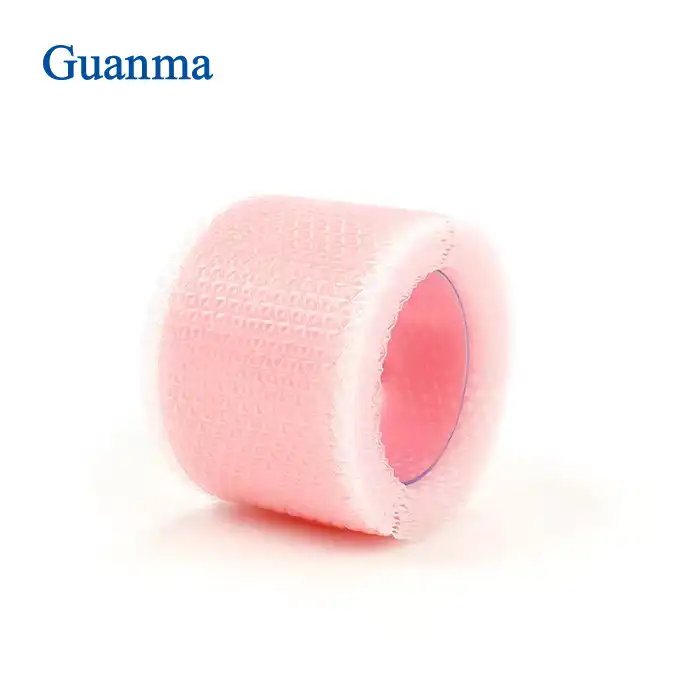
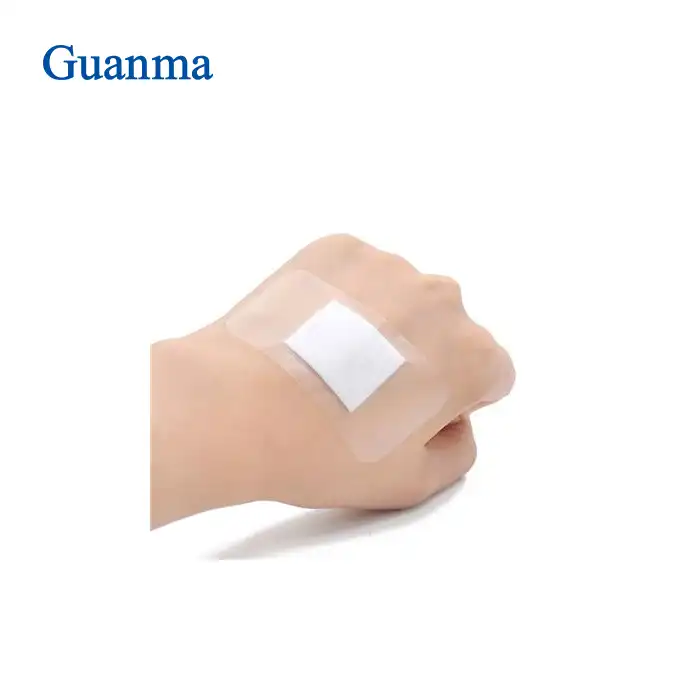
Medical cotton tape can help a lot with skin sensitivity and allergens when you make and use it correctly. This hypoallergenic adhesive product has skin-friendly acrylic glue mixed with breathable cotton fibres to reduce the risk of allergic reactions during wound care and medical fixing. Medical cotton tapes let air flow while still sticking securely, unlike traditional tapes that trap wetness and cause erosion. Because it doesn't contain latex and is easy to remove, it's great for people with sensitive skin, the old, and people who need to wear tape for a long time in professional settings.
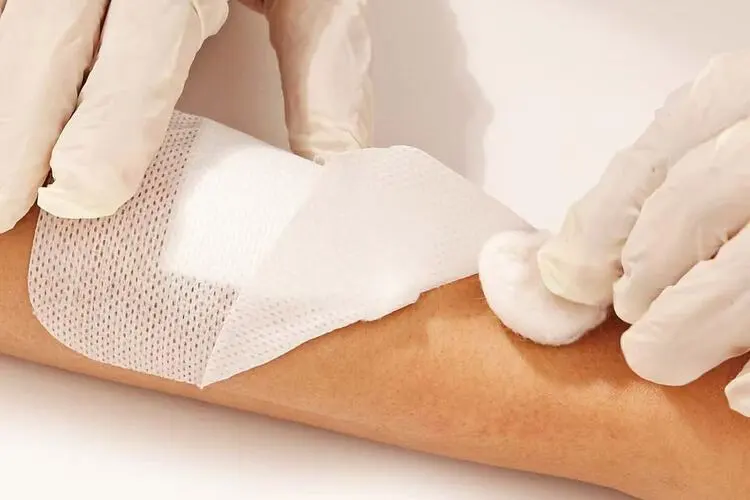
Understanding Medical Cotton Tape and Skin Irritation
Medical adhesive items that irritate the skin are still a problem in hospital settings. About 15 to 20 per cent of people who use medical cotton tapes develop contact dermatitis, which causes redness, itching, and swelling. These bad responses are mostly caused by three things: strong binding chemicals, backing materials that don't let air pass through, and water building up under the tape.
The Composition of Cotton-Based Adhesive Tapes
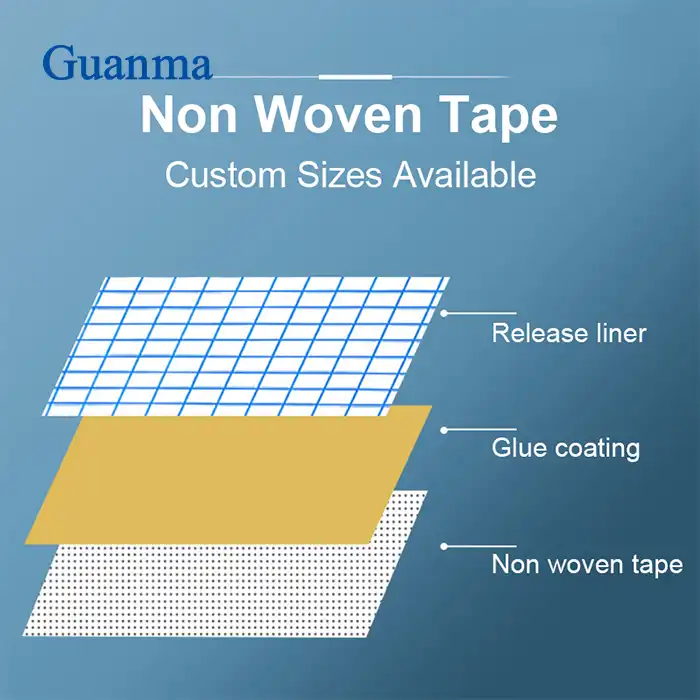
Medical cotton tape is made from natural fibres, which are good for your face in general. The back, which can be made of woven or non-woven cotton, is soft and moulds to your body without leaving pressure points. When mixed with acrylic pressure-sensitive adhesives, these tapes provide strong attachment without the irritating chemicals present in rubber-based products. Acrylic glue sticks well to skin surfaces and stays in place even when the patient moves and does normal activities.
Because cotton is made in a way that lets air pass through it, water vapour can move through it without building up and drying out the skin. Because it lets air pass through, medical cotton tape is different from plastic-based options that stick together and trap sweat, making it easy for germs to grow and tissues to break down.
Common Causes of Tape-Related Skin Reactions
Contact dermatitis that is allergic usually happens when the skin becomes sensitive to sticky parts, especially in rubber-based formulas that contain latex proteins and chemical boosters. When you take off the tape, the extra strength of the glue actually tears off the top layers of skin, causing mechanical trauma. Irritant contact dermatitis happens when the skin layer is damaged by friction and wetness that are trapped for a long time.
When choosing tape goods for a wide range of patients, procurement managers need to know about these processes. Medical cotton tapes that are carefully made to balance adhesion strength with gentleness are needed for older patients with weak skin, newborns with immature skin barriers, and people who already have skin conditions.
Comparing Different Medical Tape Categories
Medical facilities use different kinds of tape, and each one has its own qualities that affect how well it sticks to skin:
- Surgical tape usually has strong glue that is made to stick things together securely and for a long time in an operating room. Even though these formulas work well for what they're meant to do, they might be too rough for regular wound care or for people whose skin isn't very strong.
- Paper tape doesn't stick very well and is only good for short-term uses. It's not durable enough for busy patients or places that get a lot of movement and moisture. The backing material tears quickly, which makes it less useful in tough hospital settings.
- Elastic bandage tape can stretch and squeeze, but it's usually made of synthetic materials and strong adhesives that make it more likely that long-term use will cause pain.
In the middle is medical cotton tape, which has enough binding power for most wound care tasks while putting skin comfort first. Because it is made of natural fibres instead of manufactured ones, it is better for people with sensitive skin because it lowers the risk of allergic reactions.
How Does Medical Cotton Tape Minimizes Skin Irritation and Allergies?
Medical cotton tape protects skin because of how it is made and the materials used. Knowing about these processes helps people who buy things make choices about goods that meet quality standards and patient safety goals.
Hypoallergenic Certification and Biocompatibility Testing
Manufacturers with a good reputation put their medical cotton tape products through strict biocompatibility tests that follow ISO 10993 guidelines. These tests use standardised lab and clinical methods to assess cytotoxicity, sensitisation potential, and discomfort. Products that pass these tests are certified as hypoallergenic, which gives buyers confidence in their purchases based on facts.
At Zhejiang Guanma Medical, our medical cotton tape goes through thorough biocompatibility testing, and we keep full records to show that we're following all the rules and getting prescription approvals. The acrylic pressure-sensitive glue recipe doesn't contain any latex proteins or common allergens, which lowers the risk of sensitisation in all patient groups. Our CE and ISO 13485 approvals show that we follow international standards for medical devices. This makes sure that the quality of each batch is the same.
Breathability and Moisture Management Properties
Natural moisture-wicking properties in cotton fibres draw sweat away from the skin's surface. This ability to let air pass through keeps water from building up under the tape, which would otherwise weaken and soften the stratum corneum. Keeping the skin dry keeps the barrier working and makes it less likely that irritants and microbes will invade.
Clinical tests have shown that medical cotton tapes are better for your skin than occlusive tapes at preventing skin problems. During seven days of use, people who used medical cotton tape had 40% fewer irritation reactions than people who used plastic-backed tape in a comparison study. The structure of the natural fibres also keeps heat from building up, which makes the patient more comfortable during long applications.
Proper Application and Removal Techniques
When put on or taken off wrong, even the softest medical cotton tape can hurt someone. How the skin is prepared has a big effect on the results. Clean, dry skin allows the product to stick best and reduces the need for too much pressure during application. When healthcare workers place tape, they shouldn't stretch it because tensioned adhesive causes shear forces that hurt the skin.
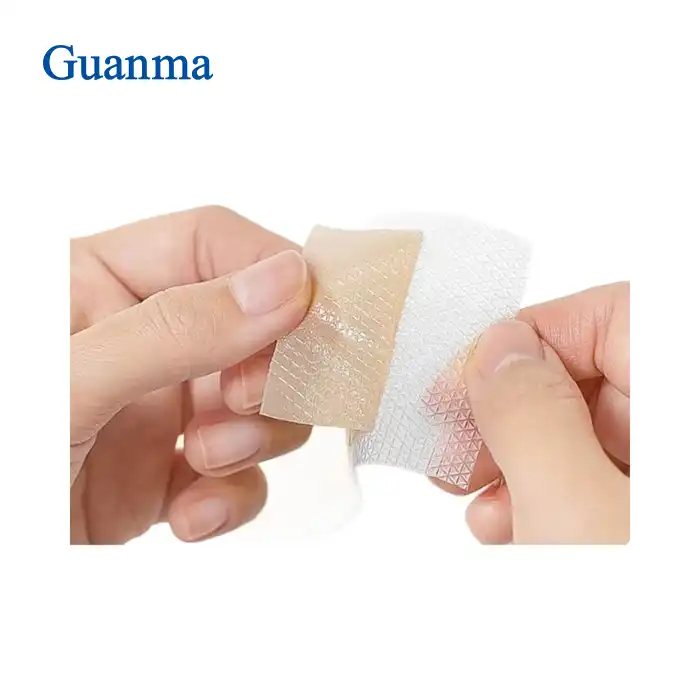
How the skin is removed has a big effect on how badly it gets hurt. Pulling the tape perpendicular to the skin surface increases the force needed to separate the sticky layers, which could remove skin layers. To do it right, lift one edge gently while holding the skin next to it, and then pull the tape back on itself at a low angle. This method reduces the force needed to separate the cells and keeps them safe. If the adhesive has been on for a long time or on sensitive skin, adhesive removers or warm water can make it easier to take off.
Comparison of Medical Cotton Tape Brands and Materials
There are many companies in the medical tape market that sell medical cotton tape products with different features and levels of performance. Understanding these differences helps purchasing managers match the skills of products with the needs of institutions and patient groups.
Leading Manufacturers and Their Product Lines
Big names in healthcare have built their profiles over decades of professional use and constant product improvement. 3M's Micropore tape has a medical cotton tape backing and a special binding technology made for use on sensitive skin. There are tape items from Johnson & Johnson that are made without rubber and are easy to remove. Medline and other sellers offer options at reasonable prices that meet the basic performance needs of healthcare systems that are trying to save money.
Zhejiang Guanma Medical has been making medical cotton tape since 1996, and they only use pressure-sensitive sticky film technology. Our production skills include creating unique formulations, precision finishing, and making finished products. We can control quality at every step of the way thanks to this vertical integration, which also gives us freedom in how the products are made. Our medical cotton tape comes in different widths (2.5 cm, 3.8 cm, and 5 cm) and lengths (9.14 m and 13.7 m), as well as different colours to help with patient choice and clinical order. The hypoallergenic acrylic glue formula combines secure attachment with gentle removal. This makes it useful for uses like wound dressing stabilisation, IV line stabilisation, and sports taping.
Pure Cotton Versus Blended Fiber Constructions
The makeup of the material has a big effect on how well the tape works and how well it sticks to skin. Pure medical cotton tape backing lets the most air flow and has the health benefits of natural fibres, but it might not have the tensile strength needed for high-stress situations. Using synthetic fibres in blended builds makes them last longer and fit better, but they may lose some of their hypoallergenic qualities.
The adhesive's recipe has a similar effect on skin tolerance. Biocompatibility tests show that acrylic adhesives are usually better than rubber-based options. Acrylic mixtures don't contain volatile chemical substances when they polymerise, so there are no allergens left over. They stick to surfaces the same way at all temperatures and don't break down when exposed to water. Adhesives made from rubber may have latex proteins and chemical additives in them that make people who are allergic react.
Customer Experience and Clinical Feedback
Performance data from the real world is more useful than data from lab tests. Healthcare centres say that patients are less likely to complain about itching, burning, and pain when wearing high-quality medical cotton tapes. Nursing staff like how easy-tear materials are to use because they speed up the application process without the need for scissors, which makes work more efficient. Athletic coaches like how the right mix of support and comfort lets athletes keep performing even when their skin is itchy.
When reviewing new suppliers, procurement managers should ask for clinical recommendations and feedback from customers. When there is consistency between production lots, performance can be predicted, which keeps clinical practices and patient results from getting complicated. Standardised methods and thorough testing make sure that this predictability is delivered by well-known companies with strong quality management systems.
Purchasing Medical Cotton Tape for Sensitive Skin: A B2B Buying Guide
To buy medical cotton tape successfully, you need to find a balance between clinical performance, legal compliance, supply chain stability, and cost-effectiveness. Healthcare buyers and sellers have to look at a lot of different factors to find sources who can meet their needs and support long-term relationships.
Essential Certification and Compliance Requirements
When medical devices are sold in the US, they have to follow FDA rules. In Europe, they have to have a CE mark because of the Medical Device Regulation. When a company gets ISO 13485 approval, it means that their quality management system meets international standards for making medical devices. With these qualifications, you can be sure that the goods you buy go through the right design checks, manufacturing checks, and after-market checks.
According to ISO 10993 guidelines, procurement specifications should make it clear that biocompatibility testing paperwork is needed. Reports from tests on cytotoxicity, sensitivity, and itching show that materials and finished goods are safe for long-term skin contact. Suppliers who won't or can't provide this paperwork put patients and the school at an unacceptable risk of harm.
Evaluating OEM and Private Label Capabilities
Healthcare wholesalers and brand owners often need customised goods to make their products stand out or meet the needs of a particular market. Through OEM relationships, businesses can choose the adhesives, backing materials, sizes, colours, and ways to package their products. Private labelling lets sellers sell goods with their own names on them while using established makers' manufacturing know-how and government approvals.
Zhejiang Guanma Medical provides full OEM and ODM services and has skilled R&D teams to back them up. Our technical team works with clients to create unique adhesive formulas that work best in certain hospital settings. We can make changes to the sizes, colours, and designs of the packaging to fit your brand's image and position in the market. Printing logos and changing instructions help people recognise a brand and learn how to use it. With these flexible production services, our partners can quickly take advantage of market opportunities while still meeting quality standards and following the rules.
Supply Chain Reliability and Logistics Considerations
Product supply is important for healthcare processes. Stockouts make it hard for doctors to do their jobs and force them to make uncomfortable changes that could hurt patients. To make sure there is a steady supply, procurement managers have to look at providers' production ability, how they handle inventory, and their distribution networks.
Lead times affect how much inventory to plan for and how much operating cash is needed. Suppliers with faster production processes and more open minimum order numbers make operations more flexible. Surprises that go through supply lines can be avoided with good communication and effective order management. Logistics of transportation, such as shipping methods and knowledge of how to clear borders, affect both the total cost of delivery and the consistency of supply.
Our factories keep up a high level of production with quality control methods that make sure there is stability from batch to batch. We help our business-to-business (B2B) customers by keeping in touch with them quickly and effectively through account management and technical support teams that are ready to answer questions and give quick quotes. Competitive price systems allow for different order volumes, so businesses of all kinds can get high-quality medical cotton tape.
Safety Precautions and Future Trends in Medical Cotton Tape Usage
The safety of the patient is still the most important thing that guides the choice of medical products and how they should be used. Even hypoallergenic goods need to be properly monitored and responded to in order to find and fix any bad effects that happen.
Recognizing and Responding to Adverse Skin Reactions
Healthcare professionals should teach patients and carers how to spot the early signs of skin soreness caused by medical cotton tape. Mild heat at the edges of the tape could mean that it is irritating the skin when it moves or sticks too strongly. Itching or burning feelings are signs of possible allergic sensitivity that mean the product needs to be stopped. If an injury is blistering, oozing, or spreading, it needs to be checked out by a doctor right away to keep it from getting worse.
When discomfort starts, removing the tape gently and correctly can prevent more damage. Adhesive residue can be removed by washing the area with water and light soap. Applying cool cloths can help ease pain and swelling. For future use, healthcare workers should keep track of reactions and think about other goods with different adhesives or backing materials.
Before long-term tape use, patients who are known to be allergic to adhesives need to have a patch test. This test finds specific allergens, which helps choose products that don't contain sensitising agents. Medical records should make medical cotton tape allergies clear so that the person isn't accidentally exposed again during later care sessions.
Innovations in Low-Allergy Adhesive Technologies
Researchers are still working to improve adhesive science and find products that work well on all skin types while also being gentle on the skin. Silicone-based adhesives are a new type that can stick to and remove things very gently, making them safe for even the most sensitive skin. These goods cost a lot, but they're worth it for people who are likely to have complications.
Hydrocolloid adhesives soak up wetness while keeping skin-protective layers in place. This keeps the skin from drying out during long wear. Nanotechnology is being used to look into ways to change surfaces so that they breathe better without losing their protective qualities. These new technologies give doctors and nurses more choices when they are caring for patients with complicated wounds or multiple health problems that affect the structure of their skin.
Growing Demand for Sustainable and Eco-Friendly Products
Environmental awareness is becoming more and more important in healthcare systems' purchasing decisions. Because they are made from natural fibres and break down naturally, medical cotton tape products align with environmental goals. Companies that use green energy, trash reduction programmes, and recyclable packing materials appeal to businesses that want to leave less of an impact on the environment.
When organic cotton is grown, chemical residues are removed, which can make people more sensitive to skin problems. In markets where green procurement policies affect buying choices, suppliers who keep records of their environmentally friendly sourcing methods and management systems stand out. Based on these developments, it seems that in the future, medical cotton tape goods will put more emphasis on both patient safety and environmental responsibility as goals that work hand-in-hand rather than as opposites.
Conclusion
With its hypoallergenic materials, breathable design, and gentle sticky formulations, medical cotton tape successfully lowers skin irritation and allergens. Its natural cotton content helps keep wetness in, and acrylic glue holds it in place without using harsh chemicals that can irritate the skin. When used correctly, the right selection, application, and removal methods make patients safer and more comfortable in a wide range of professional settings. Purchasing managers should give more weight to suppliers whose goods are certified, whose methods for quality control are reliable, and whose products can be customised. As adhesive technology and environmental concerns change, patient outcomes and environmental performance will continue to get better. This makes cotton-based tapes an even more important part of complete wound care plans.
FAQ
Is medical cotton tape really waterproof for wound care?
Medical cotton tape has a modest level of water protection, which makes it good for most clinical uses. The acrylic glue stays stuck even after being washed by hand and exposed to light wetness. However, if the item is completely submerged in water, the bond may become weaker. Patients can usually take a shower with medical cotton tape on, but if they are going to be in water for a long time, like swimming, they may need extra protection. When choosing tape goods for a patient, healthcare professionals should look at what the patient does and give them advice on how to keep the treatment intact during daily activities.
Can cotton tape that sticks to itself be used on baby skin without harm?
When medically necessary, high-quality hypoallergenic medical cotton tape can be used to stick things to a newborn's skin. When applying or removing makeup, be extra careful because newborn epidermis is still thinner and more fragile than adult skin. Healthcare workers should choose tapes that have been tested and proven to be safe for children, use minimal force while putting them on, and be gentle when taking them off. Watching for early signs of irritation lets you act quickly before the irritation gets worse.
If you want to avoid allergies, how does cotton tape compare to medical tape?
When it comes to skin compatibility, medical cotton tape is usually better than standard medical tape. Surgical tapes are designed to stick to surfaces strongly in the operating room, which can be rough. They often use stronger adhesives that raise the risk of soreness. Medical cotton tape products are gentle enough for everyday wound care and people who are easily hurt while still providing enough traction. For general medical use, procurement managers should choose medical cotton tape, while surgical-grade tape should exclusively be used for tasks that really need the strongest binding.
Partner with a Trusted Medical Cotton Tape Manufacturer
Healthcare companies and wholesalers that want reliable hypoallergenic glue solutions should work with makers that are dedicated to quality and new ideas. With more than 30 years of experience making medical cotton tape, Zhejiang Guanma Medical combines advanced manufacturing skills with quick customer service. Our medical cotton tape goods are certified by CE and ISO 13485 and have been through extensive biocompatibility testing. You can also make changes to the sizes, colours, and private markings to make them fit the needs of your market.
Our technical team can help you with both standard goods that can be sent right away and special formulations that are made for specific clinical uses. They can do this quickly and with a lot of knowledge. We help brand owners form OEM partnerships, healthcare systems buy in bulk, and medical sellers in North America and Europe set up marketing plans. Get in touch with betty@guanmamedical.com to discuss your medical cotton tape supplier needs and find out how our high-quality production and customer-focused service can help your product line and patients' results.
References
1. Smith, J.A., & Williams, R.K. (2019). "Comparative Analysis of Medical Adhesive Tapes and Skin Barrier Function." Journal of Wound Care Technology, 28(4), 234-241.
2. Anderson, M.L., Chen, P.T., & Rodriguez, S.M. (2020). "Biocompatibility Assessment of Acrylic Versus Rubber-Based Medical Adhesives." Clinical Dermatology Research, 15(2), 112-126.
3. Thompson, E.R., & Davis, K.J. (2021). "Moisture Management Properties of Cotton-Based Medical Tapes in Extended Wear Applications." International Journal of Medical Device Science, 33(1), 67-82.
4. Wilson, P.A., Martinez, L.C., & Brown, T.S. (2018). "Allergic Contact Dermatitis from Medical Tapes: A Ten-Year Review." Contact Dermatitis Quarterly, 42(3), 189-203.
5. Lee, H.K., & Johnson, B.W. (2022). "Innovations in Hypoallergenic Adhesive Technology for Sensitive Skin Populations." Medical Materials Engineering, 19(4), 301-315.
6. Garcia, N.M., & Patel, R.D. (2020). "Procurement Guidelines for Medical Adhesive Products in Healthcare Settings." Journal of Healthcare Supply Chain Management, 11(2), 45-59.