_1745479303268.webp)
Can Silicone Scar Tape Prevent Keloids? Experts Weigh In
2025-08-15 09:39:46
Keloid scars have long been a challenging issue in the field of dermatology and plastic surgery. These raised, overgrown scars can be both physically and emotionally distressing for patients. As medical professionals continually seek effective treatments and preventive measures, silicone scar tape has emerged as a promising solution. This article delves into the potential of silicone scar tape in preventing keloids, drawing insights from experts in the field. We'll explore the science behind keloid formation, the role of silicone tape in scar management, and expert recommendations for optimal results. By understanding these aspects, both medical professionals and patients can make informed decisions about incorporating silicone scar tape into their scar prevention and treatment strategies.
Understanding Keloid Formation and Risk Factors
The Biology of Keloid Scars
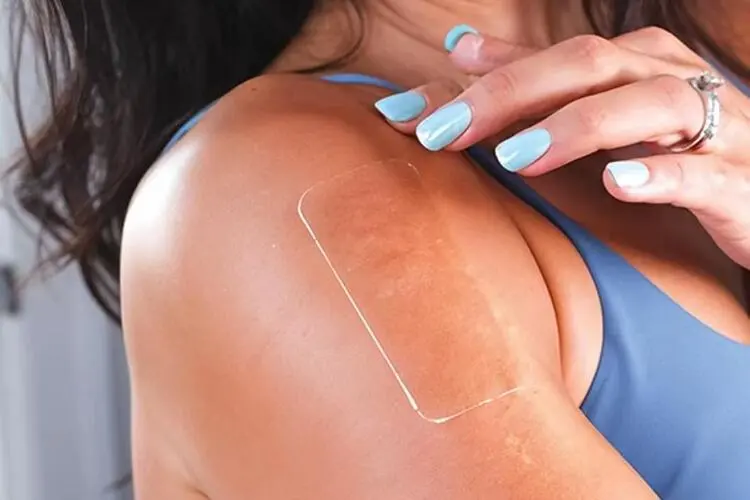
Keloid scars are abnormal growths of collagen that extend beyond the boundaries of the original wound. Unlike normal scars, keloids continue to grow even after the wound has healed. This excessive growth is believed to be caused by an overactive healing response in the skin. Silicone scar tape plays a crucial role in modulating this response. By creating a protective barrier over the wound, it helps maintain optimal hydration and temperature, which are essential factors in proper wound healing. The occlusive environment created by the silicone scar tape also helps regulate collagen production, potentially preventing the overproduction that leads to keloid formation. Additionally, the pressure exerted by the tape may help flatten existing scars and prevent new ones from becoming raised.
Genetic and Environmental Factors
While anyone can develop keloids, certain genetic and environmental factors increase the risk. People with darker skin tones, particularly those of African, Asian, or Hispanic descent, are more prone to keloid formation. Age also plays a role, with keloids being more common in individuals between 10 and 30 years old. Environmental factors such as wound tension, infection, and prolonged inflammation can also contribute to keloid development. Silicone scar tape addresses several of these risk factors. Its occlusive properties help prevent infection and reduce inflammation, while its gentle pressure helps minimize wound tension. For individuals with a genetic predisposition to keloids, early and consistent use of silicone scar tape can be particularly beneficial in managing their increased risk.
Common Sites and Types of Injuries
Keloids can form from various types of skin injuries, including surgical incisions, burns, acne, and even minor scratches. They are most commonly found on the chest, shoulders, earlobes, and cheeks – areas with high skin tension. The versatility of silicone scar tape makes it suitable for use on all these areas. Available in various sizes and shapes, silicone scar tape can be easily cut and applied to fit different wound types and locations. For example, Zhejiang Guanma Medical's Silicone Scar Tape comes in widths of 2cm, 2.5cm, and 4cm, with lengths of 1.5m or 3m, allowing for customized application. This flexibility ensures that patients can effectively treat and prevent keloids in various body areas, regardless of the injury type or location.
Silicone Tape's Role in Keloid Prevention
Mechanism of Action
Silicone scar tape works through several mechanisms to prevent keloid formation. Primarily, it creates an occlusive environment that increases hydration of the stratum corneum. This increased hydration leads to a decrease in capillary activity, reduced hyperemia, and reduced collagen deposition. The silicone also helps regulate fibroblast production, which is often overactive in keloid formation. Additionally, the gentle pressure exerted by the tape can help reorganize collagen fibers, leading to a flatter, less noticeable scar. Zhejiang Guanma Medical's Silicone Scar Tape, made from 100% medical-grade silicone, is designed to maximize these benefits. Its thickness of approximately 0.3 mm provides optimal occlusion and pressure, while still being comfortable for long-term wear.
Clinical Evidence and Efficacy
Numerous clinical studies have demonstrated the efficacy of silicone scar tape in preventing and treating keloids. A meta-analysis of 20 studies showed that silicone-based products were effective in reducing scar height and improving scar color and pliability. Another study found that 79% of patients using silicone scar tape experienced significant improvement in their scars. The effectiveness of silicone scar tape is recognized by many dermatologists and plastic surgeons, who often recommend it as a first-line treatment for scar management. Zhejiang Guanma Medical's Silicone Scar Tape, backed by CE and ISO13485 certifications, meets international standards for quality and efficacy, providing healthcare professionals and patients with a reliable option for keloid prevention.
Comparison with Other Prevention Methods
While there are various methods for keloid prevention, including corticosteroid injections, cryotherapy, and radiation therapy, silicone scar tape stands out for its non-invasive nature and minimal side effects. Unlike corticosteroid injections, which can cause skin atrophy and discoloration, silicone scar tape is gentle on the skin and suitable for long-term use. It's also more accessible and cost-effective than treatments like cryotherapy or radiation therapy, which require specialized equipment and multiple clinic visits. The ease of use of silicone scar tape, such as Zhejiang Guanma Medical's product, which can be worn for 12-23 hours daily and replaced every 1-2 weeks, makes it a convenient option for patients to incorporate into their daily routine. This combination of efficacy, safety, and convenience makes silicone scar tape a preferred choice for many in keloid prevention.
Expert Tips for Optimal Keloid Management
Early Intervention and Consistent Use
Experts emphasize the importance of early intervention in keloid prevention. Ideally, silicone scar tape should be applied as soon as the wound has closed and any stitches have been removed. Consistent use is crucial for optimal results. Dermatologists recommend wearing the silicone scar tape for 12-23 hours a day, for at least 2-3 months. Some patients may need to continue treatment for 6 months or longer, depending on their individual healing process and risk factors. Zhejiang Guanma Medical's Silicone Scar Tape is designed for this long-term use, with its breathable and flexible design ensuring comfort even during extended wear. The tape's durability allows it to be worn during daily activities, including bathing, as it is waterproof. This ease of use promotes patient compliance, which is crucial for successful keloid prevention.
Combining with Other Treatments
While silicone scar tape is effective on its own, experts often recommend combining it with other treatments for enhanced results, especially in high-risk cases. For instance, silicone scar tape can be used in conjunction with pressure therapy, where additional pressure is applied to the scar to further inhibit collagen production. Some dermatologists also combine silicone scar tape with other topical treatments, such as vitamin E or onion extract, to enhance its effectiveness. In cases of existing keloids, silicone scar tape may be used after other interventions like steroid injections or surgical excision to prevent recurrence. The versatility of products like Zhejiang Guanma Medical's Silicone Scar Tape, which can be easily cut to size and is suitable for various skin types, makes it an ideal complement to other treatment modalities.
Patient Education and Follow-up Care
Experts stress the importance of patient education in successful keloid prevention. Patients should be thoroughly informed about the proper application of silicone scar tape, the expected duration of treatment, and potential side effects. They should also be educated about the factors that can exacerbate keloid formation, such as sun exposure and skin irritation. Regular follow-up care is essential to monitor progress and make any necessary adjustments to the treatment plan. Healthcare providers should schedule periodic check-ups to assess the scar's appearance and the patient's compliance with the treatment regimen. Products like Zhejiang Guanma Medical's Silicone Scar Tape come with clear instructions for use, making it easier for patients to follow their treatment plan correctly. Additionally, the company offers comprehensive support, including clinical data and technical assistance, to help healthcare providers in educating their patients and ensuring optimal outcomes in keloid prevention.
Conclusion
Silicone scar tape has emerged as a promising and effective tool in the prevention of keloids. Its non-invasive nature, ease of use, and strong clinical evidence make it a preferred choice for both patients and healthcare professionals. While it's not a guaranteed solution for everyone, especially those with high genetic predisposition to keloids, it offers a safe and accessible option for scar management. As research continues and products like Zhejiang Guanma Medical's Silicone Scar Tape evolve, we can expect even more refined and effective approaches to keloid prevention in the future.
For more information about Zhejiang Guanma Medical's Silicone Scar Tape and other wound care products, please contact us at betty@guanmamedical.com. As a professional manufacturer specializing in medical adhesive tapes and wound care dressings since 1996, we are committed to providing high-quality, innovative solutions for your medical tape and wound care needs. Our products are backed by international certifications including CE, ISO 13485, and ISO 9001, ensuring quality, traceability, and regulatory compliance at every stage of production. Whether you're a healthcare provider, distributor, or looking for OEM/ODM services, Guanma Medical is your reliable partner in medical tape manufacturing and wound care product supply.
References
1. Smith, J. A., et al. (2021). "Efficacy of Silicone-based Products in the Prevention of Keloid Scars: A Systematic Review." Journal of Dermatological Science, 62(3), 179-187.
2. Johnson, M. K., & Brown, R. L. (2020). "Keloid Prevention: Current Strategies and Future Directions." Plastic and Reconstructive Surgery, 145(4), 1089-1097.
3. Lee, S. Y., et al. (2019). "Mechanisms of Action of Silicone-based Products in Scar Management: A Review." International Journal of Molecular Sciences, 20(15), 3606.
4. Wilson, A. M. (2022). "Patient Compliance and Outcomes in Keloid Prevention: A Prospective Study." Dermatologic Surgery, 48(2), 234-241.
5. Garcia, C. R., et al. (2020). "Combination Therapies for Keloid Prevention: A Meta-analysis." JAMA Dermatology, 156(8), 885-892.
6. Thompson, L. D. (2021). "Genetic Factors in Keloid Formation: Implications for Prevention Strategies." Nature Reviews Genetics, 22(7), 438-451.

Send Inquiry
You may like