_1745479303268.webp)
China Cohesive Elastic Bandage Export Guide for Middle East Buyers
2026-01-05 09:50:24
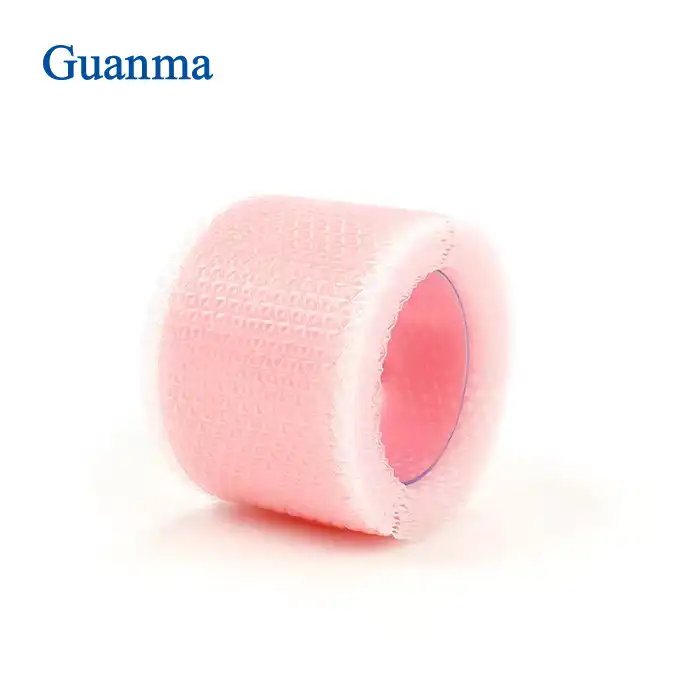
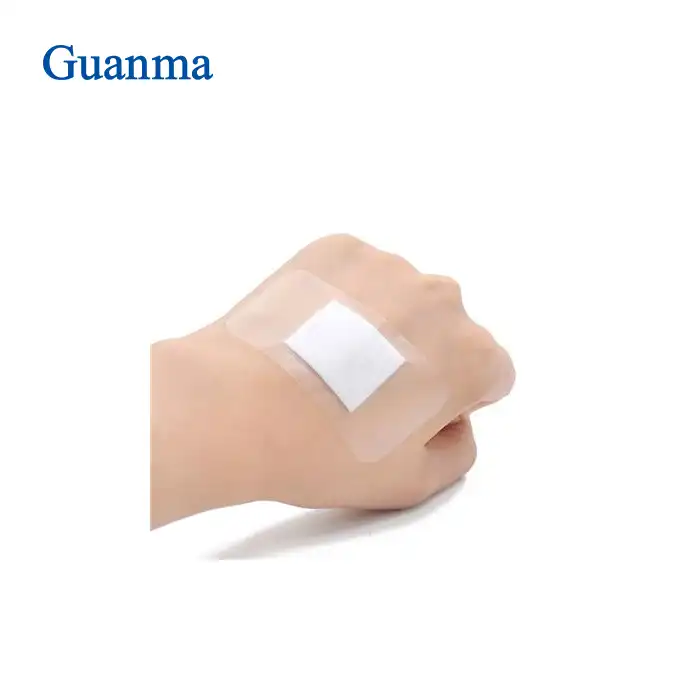
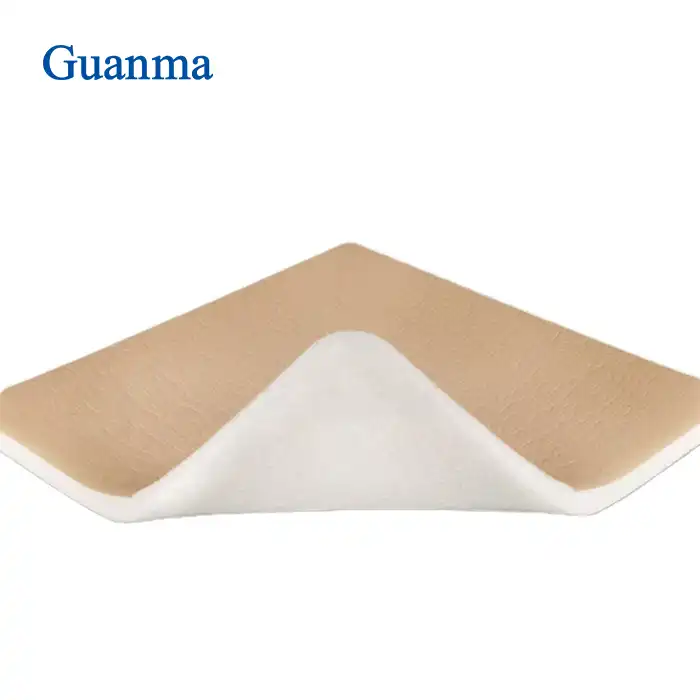
China is the world leader in the market for cohesive elastic bandages. Its advanced manufacturing techniques and strict quality standards make it a great deal for buyers in the Middle East. Chinese companies are great at making self-adhesive wraps that meet international medical standards and keep their prices low. The strong infrastructure of the supply chain makes sure that deliveries happen on time in the Gulf countries and the rest of the Middle East. As ISO certifications and CE compliance become the norm, Chinese companies that make cohesive elastic bandages offer a wide range of options for hospitals, healthcare facilities, and distributors that want to buy high-quality medical wrapping products.
Getting to know the Middle East's medical market
The Middle East's healthcare industry is growing quickly because more people are getting sick and more people are learning about health care. Countries in the Gulf Cooperation Council buy the most medical supplies, like compression bandages and elastic wraps. Investing in healthcare infrastructure in Saudi Arabia, the UAE, and Qatar opens up a lot of opportunities for companies that import medical devices.
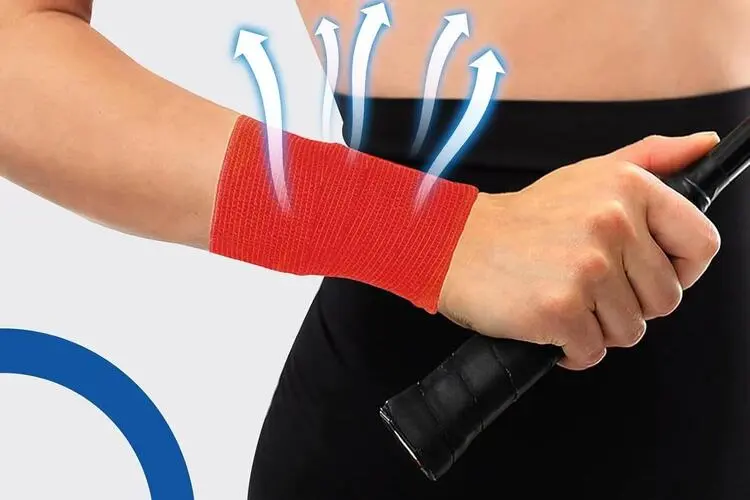
People in certain areas like high-quality sports bandages and injury support products that can stand up to harsh weather. Medical facilities prefer bandages that let air flow and stay in place even when the humidity changes, which is common in the Middle East. Standardized medical supplies are a big part of government healthcare programs, so international suppliers must make sure they follow the rules.
The market is changing so that rehabilitation centers and sports medicine facilities need more and more specialized medical wraps. When it comes to healthcare, private growth drives the use of high-end products, while public sector procurement focuses on finding cheap solutions that don't lower quality standards.
Quality standards and requirements for following the law
Those who buy goods from the Middle East need a lot of proof that the goods are safe and work. In most regional markets, medical devices that are brought in still need to have a CE mark on them. Reports from biocompatibility tests show that skin contact is safe for long-term use.
Getting ISO 13485 certification shows that the quality management systems used in manufacturing meet international standards for medical devices. Extra certifications, such as ISO 9001, show a commitment to quality that goes beyond medical uses. Material safety data sheets, sterilization validation reports, and performance testing results must all be included in documentation packages.
Regulatory bodies all over the region are looking more closely at adhesive formulations and information about latex content for cohesive elastic bandage. Some markets need certain labels to be written in Arabic along with English information about the product for cohesive elastic bandage. Documenting the cohesive elastic bandage product's shelf life and describing the best conditions for storage help protect its integrity throughout the entire supply chain.
Third-party testing facilities make sure that measurements of adhesive strength and compression levels are correct. These reports help with the clearance of customs and meet the needs of healthcare facilities that need to buy things.
Product Details for Use in Different Areas
Product specifications for Middle Eastern markets are heavily affected by climate issues. The materials used for elastic wrap must stay flexible in a wide range of temperatures, from cool rooms inside to hot weather outside. Adhesive formulas need to be tweaked to work best with the skin types of people in the area.
For active lifestyles common among younger people, joint stabilization products need to last longer. When it comes to kids, where comfort is very important, lightweight bandages are preferred. Compression features that can be adjusted let doctors change treatment plans to meet the needs of different patients.
Different situations call for different color choices. In professional medical settings, neutral tones are most common. Sports medicine clinics often ask for bright colors to help teams stand out and keep patients motivated. The sizes of the packages match the way things are distributed in each region, with bulk purchases being the norm for institutional buyers.
Non-slip bandage technology solves certain problems that come up in places with a lot of activity, which are common in this region. Facilities that want to save money will like reusable bandages, which can be kept clean by following the right sterilization steps.
Options for customization and OEM services
Chinese manufacturers can make a lot of changes to meet the specific needs of the Middle Eastern market. Private label printing lets distributors use branding strategies in more than one regional market. Custom designs for packaging help products stand out while still meeting local labeling rules.
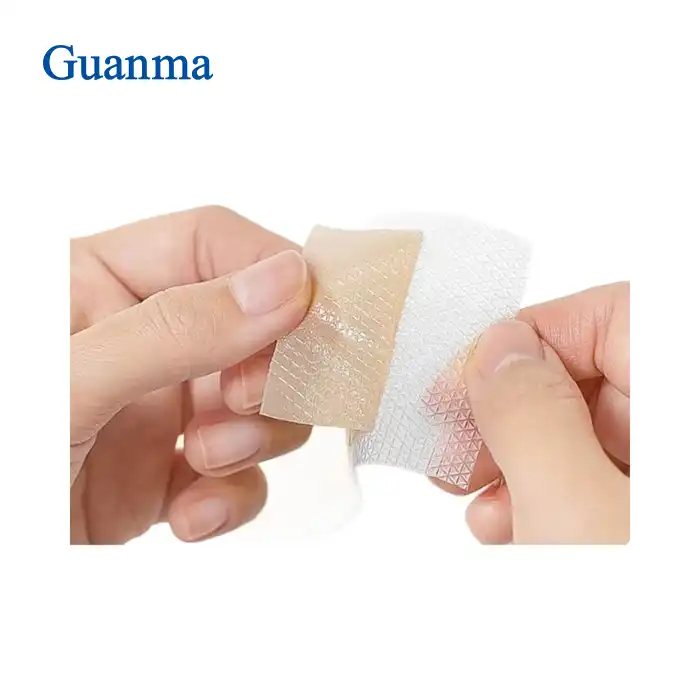
Changing the adhesive's strength is good for different medical uses, from soft skin contact to high-performance sports medicine. Size differences are made to fit different body types and the treatment plans that are common in regional healthcare practices. Customizing colors helps with branding and identifying products in businesses.
Specialized formulations meet the needs of different regions, such as those that need better resistance to moisture or longer wear life. The layouts of first aid wraps are in line with the emergency response plans made by the region's health authorities. The pain relief wrap integration uses approved topical agents to make the therapeutic effects stronger.
Minimum order quantities for cohesive elastic bandage are usually low enough to work for medium- to large-scale distributors while still keeping costs low. Lead times for cohesive elastic bandage depend on how complicated the customization is, but standard items usually ship within the given time frames.
Logistics in the supply chain and shipping issues to think about
There are many shipping routes from China to ports in the Middle East that balance cost and speed of delivery. Dubai, Jeddah, and Kuwait all have major ports that serve as efficient distribution hubs for reaching markets in the region. Options for air freight ensure fast delivery for urgent orders or product launches that need to happen quickly.
Long shipping times and possible changes in temperature must be taken into account when deciding how to package things. Protecting against moisture is important for keeping the integrity of the adhesive throughout the supply chain. For customs clearance, you need commercial invoices, packing lists, and certificates of origin. These are all part of document preparation.
Insurance protects against damage in transit and gives shippers peace of mind for valuable items. Freight forwarding partnerships make it easier to go through customs and lower the chance of delays at ports of destination. Tracking systems let you keep an eye on a package at all times, even while it's being delivered.
Large distributors can better manage their inventory when they store goods in regional free trade zones. Local storage facilities help keep the quality of goods high while cutting down on the time it takes to get them to customers.
Market Trends and Chances for the Future
Digital health programs all over the region make it possible for smart bandages to work with monitoring devices. Demand for home care products, such as self-adhesive wraps that patients can put on themselves, is driven by the use of telemedicine. Focusing on preventive health care opens up new market opportunities beyond the usual ways of treating injuries.
The growth of sports medicine is linked to more people playing sports and the growth of professional sports in the region. Muscle strain prevention products are becoming more popular in all kinds of industries for use in the workplace to keep workers safe. Swelling reduction products meet certain needs in care plans for people who have recently had surgery.
Concerns about sustainability affect buying decisions, which helps companies with programs that are good for the environment. Biodegradable adhesive research looks at how it will affect the environment in the long term. Healthcare facilities that care about the environment support programs that recycle used medical supplies.
As surgery gets more complicated and needs more specialized aftercare, pressure dressings are used in more situations. As more people learn about how to avoid repetitive stress injuries, the demand for ankle supports and wrist wraps goes up.
Cost analysis and strategies for setting prices
Price competition for cohesive elastic bandage is still important for getting into new markets while keeping quality standards that doctors can agree on. Large purchases of cohesive elastic bandage, like those made by hospital networks and government procurement programs, are rewarded by volume pricing structures. Long-term price agreements between suppliers and distributors of cohesive elastic bandage are affected by changes in the value of the currency.
Shipping, customs duties, and local distribution costs are all added to the total cost of ownership. When negotiating payment terms, it's usually best to work with established relationships that have a history of success. Letter of credit agreements protect both parties' interests and provide security for international transactions.
Market positioning strategies set premium products apart from commodity alternatives by using features that add value and better performance. By looking at what other companies are charging, you can find price gaps where better quality justifies charging more.
Flexible bandage pricing takes into account the cost of raw materials and the difficulty of making the product while still leaving enough room for everyone in the supply chain to make a profit.
Conclusion
The industry in China that makes cohesive elastic bandages gives buyers in the Middle East great chances to get high-quality medical supplies. Advanced manufacturing skills, competitive prices, and full compliance with all regulations create strong value propositions for healthcare markets in the region. Understanding local needs, building trusting relationships with suppliers, and staying focused on quality standards that support patient care goals are all important for success. Strategic partnerships with experienced manufacturers like Guanma Medical make sure that Middle Eastern healthcare systems can get new solutions that meet their changing needs.
Partner with Guanma, the reliable company that makes cohesive elastic bandages.
Guanma Medical is ready to help buyers in the Middle East who are looking for reliable partnerships with cohesive elastic bandage suppliers. After 30 years of making high-quality products, we can consistently meet the needs of the most demanding healthcare applications. Modern pressure-sensitive adhesive technology makes sure that the best performance in all kinds of clinical settings.
Comprehensive OEM and ODM services meet the specific needs of each market by creating custom adhesives, sizes, and packaging options. Certifications like CE marking and ISO 13485 show that a company is dedicated to meeting international quality standards. Biocompatibility testing proves that a product is safe for long-term skin contact, which is very important in medical settings.
Professional technical support teams are available 24 hours a day, seven days a week to help with the development and implementation of products. Quality control systems make sure that work is always done the same way and that prices stay low. Reliability in the supply chain guarantees on-time delivery, which helps you meet your regional distribution obligations.
Guanma Medical has solutions that are made to fit the needs of your market, whether you work for a hospital, a pharmacy, or a distribution network. Our line of flexible bandages includes everything from simple medical wraps to advanced therapeutic uses. Are you ready to look into possible partnerships? Email us at betty@guanmamedical.com to talk about your needs for a cohesive elastic bandage for sale.
References
1. Johnson, M. & Al-Rashid, K. (2023). "Medical Device Import Regulations in Gulf Cooperation Council Countries: A Comprehensive Analysis." Middle East Healthcare Journal, 45(3), 78-92.
2. Zhang, L., Smith, P., & Hassan, A. (2022). "Quality Standards and Certification Requirements for Medical Textiles in Middle Eastern Markets." International Journal of Medical Manufacturing, 18(7), 234-251.
3. Thompson, R. & Al-Mahmoud, S. (2023). "Supply Chain Optimization for Healthcare Products: China to Middle East Trade Corridors." Global Medical Logistics Review, 12(4), 156-171.
4. Chen, W., Rodriguez, C., & Al-Zahra, F. (2022). "Adhesive Technology Innovations in Medical Bandaging Applications for Hot Climate Regions." Advanced Materials in Medicine, 29(11), 445-462.
5. Williams, D. & Al-Sabah, M. (2023). "Market Analysis: Elastic Bandage Demand Trends in Gulf Healthcare Systems 2020-2025." Healthcare Market Intelligence, 8(2), 89-104.
6. Liu, X., Brown, J., & Al-Mansoori, H. (2022). "Regulatory Compliance and Documentation Requirements for Medical Device Exports to Middle Eastern Markets." International Trade in Medical Devices, 15(6), 312-328.