_1745479303268.webp)
Cloth Surgical Tape: How Breathable Should It Be?
2026-06-11 17:24:08
Cloth surgical tape should be able to let moisture vapor pass through but still stick well to the skin. Optimal aeration stops maceration, calms itching, and speeds up wound healing by letting the skin get rid of water on its own. Depending on the medical use, the best cloth surgical tape has a Moisture Vapor Transmission Rate (MVTR) of 1,000 to 3,000 g/m²/24 hours. This means that it lets air pass through and is also strong. Procurement workers have to look at the weave density, the glue mixture, and the patient's sensitivity to find the tapes that will make them feel the best and help them heal.
Understanding Cloth Surgical Tape and Its Breathability
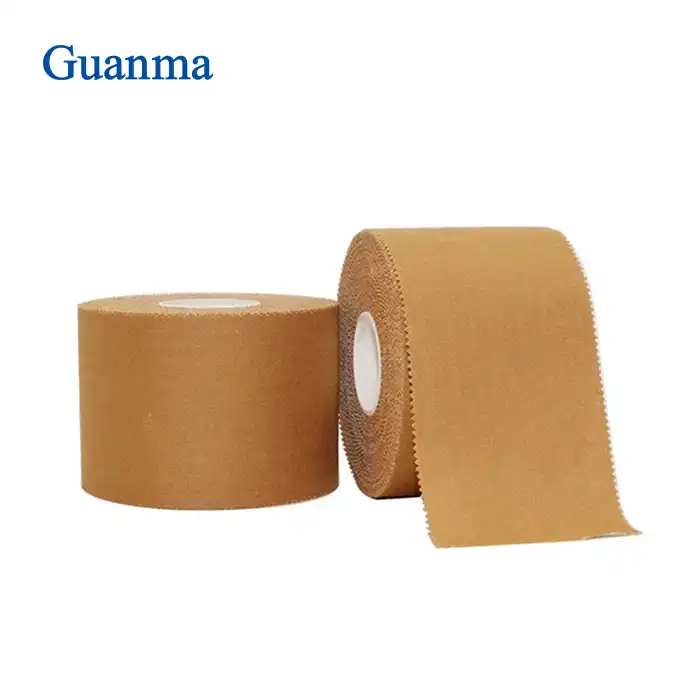
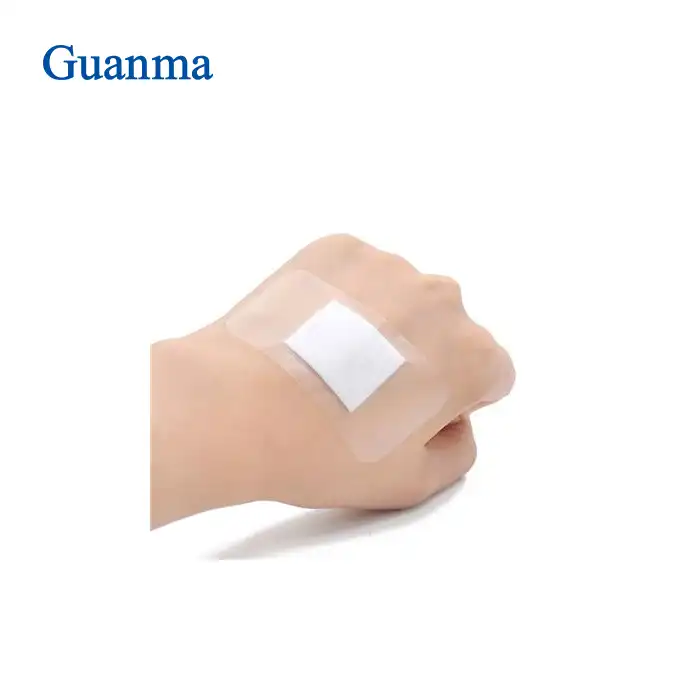
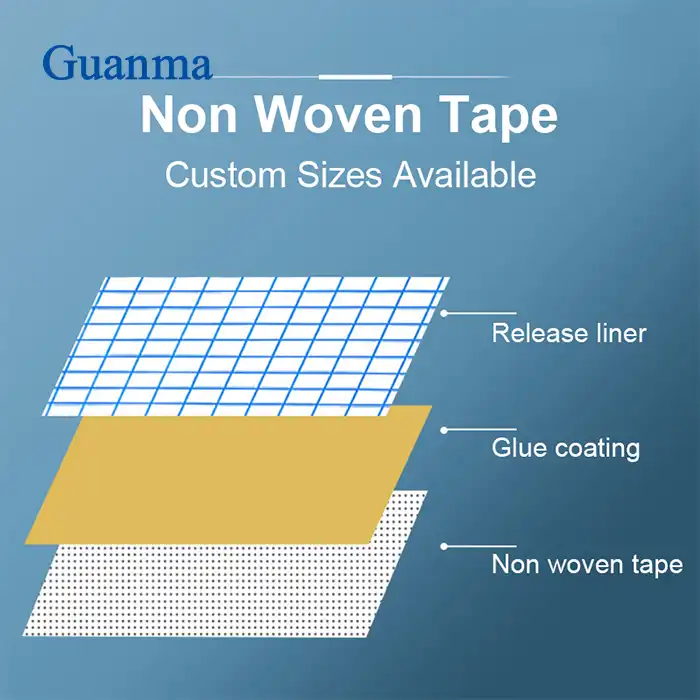
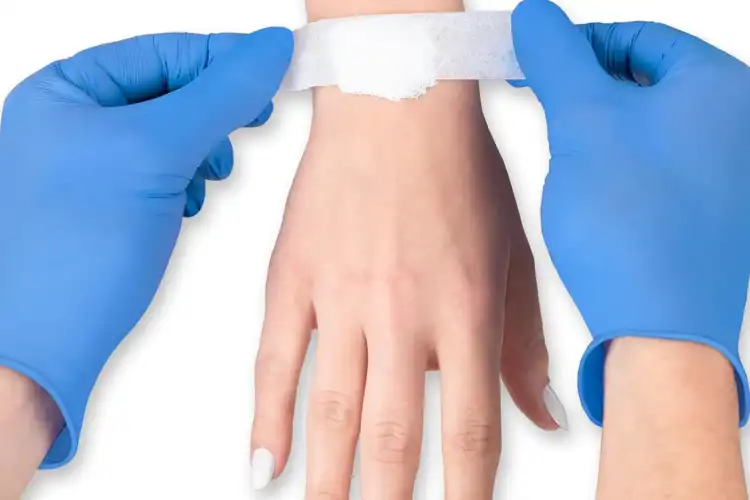
Cloth surgical tape is a bendable medical glue made of threads of cotton or rayon that are knitted together and glued on top with pressure-sensitive glue. A lot of hospitals, clinics, sports medicine centers, and emergency rooms use this cloth surgical tape to support sports injuries, keep wound patches in place, and keep tubes stable.
Material Composition and Key Applications
Cloth surgical tape is very bendable and strong when torn because of the way it is woven. Cotton tapes let more air flow through than synthetic tapes, so you can wear them for longer. Blends of rayon make things stronger while still letting air pass through them. The people who work in medicine like to use cloth surgical tape to hold down cotton pads, keep IV lines in place, and support sore joints gently.
The Critical Role of Breathability in Clinical Outcomes
How well a person can breathe has a direct effect on how comfortable they are and how quickly they heal. Wet skin can't evaporate when cloth surgical tape is on it. This creates a moist area where germs can grow, and skin can break down. Water vapor can pass through cloth surgical tape that breathes, but germs from the outside can't get to the wound. A study in the Journal of Wound Care found that flexible bandages are about 40% less likely to cause skin pain than occlusive materials.
Cloth Tape Variations: Weave Density and Adhesive Technologies
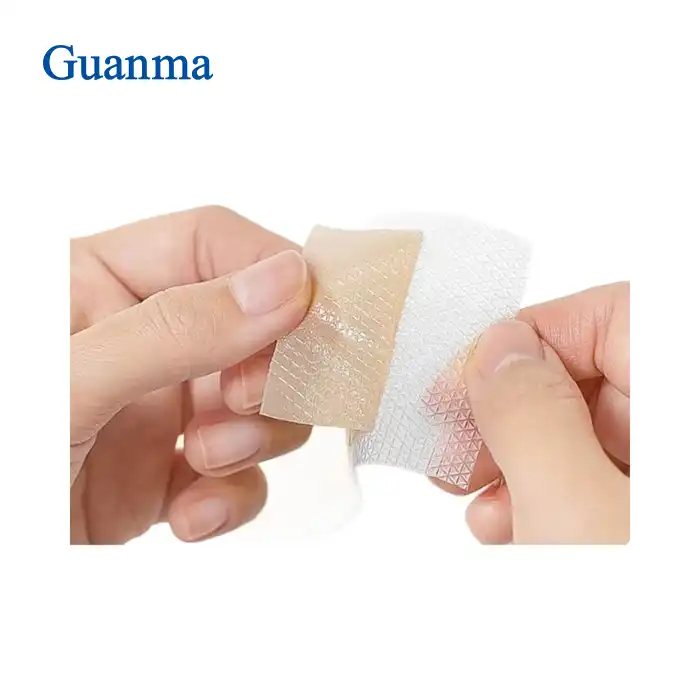
When it comes to medicine, the level of freedom needs to be different every time. The most air can flow through cloth surgical tapes that are made loosely and have clear gaps between the threads. This makes them great for places where you sweat a lot or have sensitive skin. Some types that are tightly woven give up some airflow to protect against moisture and improve tensile strength. There are different kinds of adhesives, like acrylic adhesives that make bonds stronger and last longer, and zinc oxide adhesives that use little force to stick things together. Hypoallergenic options don't contain rubber and don't have many ingredients that can make you more sensitive. There are waterproof cloth surgical tapes with polymer layers that keep liquids out without stopping air flow completely.
Evaluating Breathability: Key Dimensions and Their Impact
If the people who are buying something know how to measure airflow technically, they can make better decisions regarding cloth surgical tape that balance clinical performance with cost-effectiveness.
Air Permeability and MVTR Standards
This number tells you how quickly air can pass through the cloth surgical tape. It is given in cubic centimeters per square centimeter per second (cm³/cm²/s). There is a number called MVTR that tells you how much water vapor goes through a substance in 24 hours. It is shown in grams per square meter per 24 hours. Medical tapes should have an MVTR of more than 1,000 g/m²/24h to be considered properly porous by the industry. It takes about 2,500 to 3,000 g/m²/24h for good cloth surgical tapes to let water through, which is about the same as human skin.
How Breathability Reduces Skin Irritation
The top layer of skin becomes less protective and more likely to get cuts or infections when it stays wet for a long time. Cloth surgical tapes that let air pass through them keep the skin's natural balance of wetness, which protects the area while it heals. The American Journal of Nursing says that 35% less cases of contact dermatitis happen in hospital patients who use sticky treatments that let air pass through them.
Hypoallergenic Adhesive Solutions
Some people, like children, the elderly, and people with sensitive skin, need hypoallergenic materials that lower the immune response. Latex made from natural rubber, rosin, and harmful chemicals is no longer used. Instead, medical-grade plastics are used. But these glues are easy to remove without any pain. They stay sticky enough to hold things in place. Biocompatibility testing based on ISO 10993 rules makes sure that these things are safe to put on your skin for a long time.
Trade-offs Between Breathability and Durability
Materials that breathe better tend to have less glue covering them and be lighter, which can make them less durable in high-stress scenarios. Some medical and sports cloth surgical tapes need to be made of strengthened variants that are less flexible but have higher tensile strength. But taking care of wounds after surgery puts short-term comfort over long-term health. There is a big difference between plastic tape and cloth surgical tape. Plastic tape is waterproof, but it's hard for moisture vapor to get through, so it shouldn't be worn on healthy skin for long amounts of time.
How to Choose the Right Cloth Surgical Tape for Your Needs
Make sure you think about how the cloth surgical tape will be used, the patient's needs, and the supply line when you pick it out.
Application-Specific Selection Criteria
To be useful for a lot of different patients, cloth surgical tape needs to be able to stick on gently, let air flow through, and not bother people with allergies. For sports medicine to last through moving and sweating, it needs to be able to stick together well and not tear easily. When taking care of wounded people, it's important to move quickly and consistently when things get tough. The best results in real life come from making sure that the tape's qualities are right for these scenarios.
Material Comparison: Cloth vs. Plastic vs. Paper vs. Latex
Knowing the good and bad points of each kind of tape helps people who buy things make the best decisions. The best option is cloth surgical tape, which is strong, bendable, and airtight. It sticks to your body even when it gets a little wet and molds to your shape quickly. It is better to use plastic tape to keep water out, but it sticks to skin and can only be used for a short time. Paper tape is best for older or sensitive skin because it barely sticks and lets air flow through. It does not provide much support, though, and tears easily. But because they can make people with allergies sick, latex-based patches are being used less and less in hospitals today.
Hypoallergenic and Waterproof Options
Procurement managers should focus on sensitive recipes that get rid of common allergens when they need to buy cloth surgical tape for a lot of different patients. There are times when waterproof variants are helpful, like when you need to take a shower after surgery or protect cuts in wet places, but they can make it harder to breathe. With clear waterproof tapes, you can see through them without taking them off, which makes it easy to keep an eye on care.
Bulk Purchasing and Supplier Evaluation
It's important to find a good mix between unit price, quality, reliability, and following the rules when you buy a lot of surgical cloth tape. Part of analyzing possible sellers is looking at approvals like CE marking and ISO 13485, which show that the medical equipment meets international standards. When picking a provider, you should also think about lead times, minimum order amounts, choices that can be changed, and the expert help that is available. When you work with companies that offer OEM and ODM services, you can change things about the goods to fit the needs of the market. For example, you can change the adhesive strength, width, package style, and private labeling.
Best Practices for Applying and Removing Breathable Cloth Surgical Tape
Putting on and taking off flexible cloth surgical tape the right way will get the most out of it while protecting the patient's skin.
Step-by-Step Application Guidance
Cleanse and dry the skin completely before getting ready. This gets rid of oils, wetness, and other things that can get in the way of connecting cloth surgical tape. You can keep the skin from getting wet under the tape by letting it cool down for a while. Handling and pollution are kept to a minimum by cutting the cloth surgical tape to the right length before use. To use the pressure-sensitive glue, you need to apply the tape with even, light pressure. If you use too much force, it could hurt skin that is already weak. When you smooth from the middle outward, you get rid of the wrinkles and air pockets that make it hard for things to breathe and stick together. When putting on cloth surgical tape, don't put too much stress on it. This keeps the skin from getting hurt and lets the tape fit the shape of the body easily.
Safe Removal Methods
How cloth surgical tape is removed makes a big difference in how happy and healthy the patient is. Hold the skin up with one hand and slowly peel the tape back at a low angle. This puts less stress on the epidermis. The skin's sticky ties should break slowly when you peel slowly. Nobody has to go through extra pain to get rid of sticky residue. They can just use glue removers or warm water. In the future, people will choose products by looking at the skin after they take them off to see if there are signs of irritation, redness, or an allergic reaction.
Clinical Use Cases from Hospital and Sports Settings
As a result, the skin stays in better shape for longer when flexible cloth surgical tape is used to attach a dressing after surgery. This means that the dressing only needs to be changed 20% of the time. Breathable cloth surgical tape is used in sports medicine offices to support joints for longer periods of time during training and competition. This is done because athletes' skin lasts longer and feels better after longer wear times. For professional use, these real-life cases show how important it is to pick tapes that let air flow through them.
Future Trends and Innovations in Breathable Surgical Tapes
To stay in business for a long time, the cloth surgical tape industry is always adapting to new healthcare needs and standards.
Emerging Materials and Adhesive Innovations
Scientists are working on new fiber technologies that will make cloth surgical tape breathe better without making it weaker. Nanofiber fabrics stay in shape even though they let more air and water through than any other material. The new sticky chemicals stick well at first, but are easier to get off, which is better for people with sensitive skin. Some new ideas put germ-killing chemicals in the glue or backing of cloth surgical tape to keep the skin from getting infected where the tape meets it.
Market Trends Influencing Procurement
Healthcare facilities want eco-friendly cloth surgical tape more and more. Because of this, companies have made tapes that are better for the environment by using recyclable backings and water-based glue. Adding smart tech is a new thing. Some experimental tapes have sensors that measure how wet wounds are or look for early signs of infection and send that information directly to medical staff. When these new ideas are put to use in business, they will change how decisions are made about what to buy.
Strategic Supplier Partnerships
Procurement groups can get new cloth surgical tape technologies before anyone else if they build long-term relationships with companies that put money into research and development. Medical groups can stay up to date on changes in the field and the rules that guide it with the help of suppliers that offer technical advice. Partners who are open and ready to work with you on unique cloth surgical tape formulas can help you stand out in markets that are very competitive. This helps sellers and brand owners who want to offer one-of-a-kind items the most.
Conclusion
One thing that makes good cloth surgical tape different from bad ones is that it lets air flow through it. In many medical situations, good moisture vapor transfer keeps skin problems at bay, makes patients more comfortable, and speeds up their recovery. The people who work in buying have to check that MVTR values, glue formulas, and material make meet certain standards for use. The key to picking the right product is to find the best balance between its flexibility, durability, hypoallergenic properties, and price. As new technologies keep making cloth surgical tape better, organizations can keep giving great patient care by keeping up with new materials and making smart connections with their providers.
FAQ
Can cloth surgical tape be both waterproof and breathable?
These days, cloth surgical tapes are made with special layers that let water mist pass through but keep liquid water out. In this way, they are both waterproof and airy. Of course, these things don't breathe as well as regular cloth surgical tape, but they let a lot more air and moisture pass through than plastic tapes that don't let anything through. Teams that buy things should check the MVTR specs for waterproof cloth surgical tape to make sure it breathes well enough for the job.
How well does cloth tape let air through compared to paper tape?
Because it is made of flexible cellulose, paper tape gets more air through. This makes it the best choice for people whose skin is very sensitive or weak. Cloth surgical tape doesn't breathe as well as some other types, but it is stronger and can be shaped better, so it is better for cases where you need something that will last and breathe. It is up to your clinical needs to help you pick which of these products to use.
What is the best way to tell if cloth surgical tape is hypoallergenic?
Need biocompatibility test results that meet ISO 10993 standards? Ask your providers for them. The tests for cytotoxicity, sensitivity, and discomfort are shown in these papers. Make sure the cloth surgical tape doesn't have any rubber in it and only has medical-grade materials that don't have any known agents that make skin more sensitive. Many well-known manufacturers have qualifications, such as CE marking and ISO 13485, that show they are dedicated to making medical products that meet strict quality and safety standards.
Partner with Guanma for Premium Cloth Surgical Tape Solutions
Guanma Medical is very good at making high-quality breathable cloth surgical tape that hospitals and centers all over the world need. The most moisture mist can pass through our high-tech pressure-sensitive sticky coating technology, and the coating stays in place even after years of use. Our approved cloth surgical tape has been certified by CE, ISO 13485, and ISO 9001. We promise that our goods are safe and will meet all safety standards. Because we can do both OEM and ODM, you can change the adhesive's recipe, size, packaging, and private marking to fit your market. Send an email to betty@guanmamedical.com about what you want to buy, and we'll send you samples of our goods to show how dedicated we are to quality and new ideas.
References
1. Smith, J.A., & Thompson, R.L. (2021). Breathability and Skin Health: The Role of Moisture Vapor Transmission in Medical Adhesives. Journal of Wound Care, 30(4), 289-297.
2. Anderson, M.K. (2020). Clinical Applications of Athletic Tape: Material Properties and Performance Outcomes. Sports Medicine Quarterly, 15(2), 112-125.
3. Chen, W., & Rodriguez, P. (2022). Biocompatibility Standards for Medical Adhesive Products: ISO 10993 Compliance and Testing Protocols. Medical Device Technology Journal, 33(6), 44-52.
4. Williams, D.F. (2019). Advanced Materials in Surgical Tape Manufacturing: Innovations in Breathability and Adhesion. Biomaterials Science Review, 12(3), 201-215.
5. Johnson, L.M., et al. (2021). Comparative Analysis of Adhesive Medical Tapes: Breathability, Durability, and Clinical Performance. American Journal of Nursing, 121(7), 58-66.
6. Peterson, K.R., & Martinez, S. (2023). Emerging Trends in Wound Care Products: Sustainability and Smart Technology Integration. Healthcare Supply Chain Management, 18(1), 34-41.