_1745479303268.webp)
Cloth Surgical Tape Replacement Guide for Hospitals
2025-12-18 10:45:47
If you want to find the best cloth surgical tape replacement for a hospital, you should carefully consider how well it sticks, what materials it is made of, and whether it follows the rules. Biocompatible solutions that work reliably and cause as little skin irritation as possible are what medical facilities today focus on. As we move from older types of surgical tape to newer, better ones, we need to check how safe they are for patients, how much they cost, and how reliable the supply chain is. Hospital purchasing teams have to find a balance between the need for performance and the ability to spend money when putting new medical adhesive tape systems to use in many clinical departments.

Find out what kind of hospital surgical tape you need.
When used in hospitals, medical adhesives have to meet very high standards for how well they work. They are used in medicine to help with care after surgery and to keep IV lines and wound dressings in place. The criteria used to pick which tapes to use are changed because each medical department has its own issues.
Solutions must be simple to use and work right away for emergency rooms to work. Surgical units need clean tape that stays in place during long procedures. In pediatric wards, mild, hypoallergenic products are used to protect skin that is still growing. Intensive care units need surgical tape that lets air flow and doesn't make patients uncomfortable when they wear it for a long time.
Product lines need to be very broad because clinical situations are so different. Being able to use materials that work well with different skin types, levels of moisture, and ways of moving is very important. When procurement teams know these basic needs, they can choose better cloth medical tape alternatives.
These days, healthcare facilities also think about things like the environment. The way cleaning products work and changes in temperature and humidity can all affect how well tape works. For implementations to go well, it's important that the products stay stuck even when things get tough.
Making sure the materials are biocompatible and of good quality
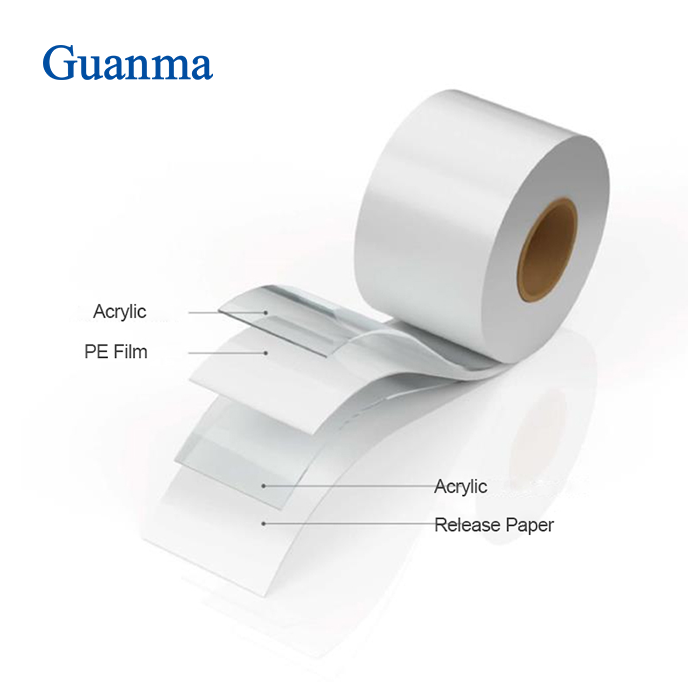
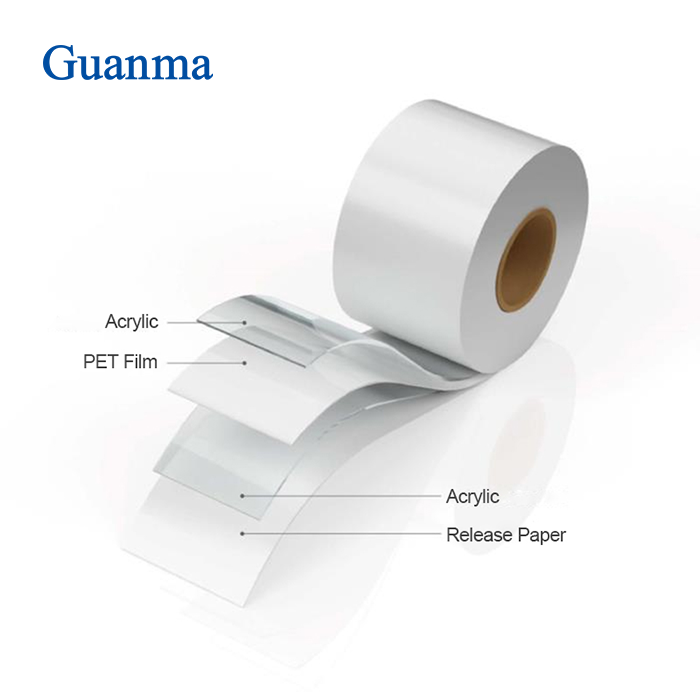
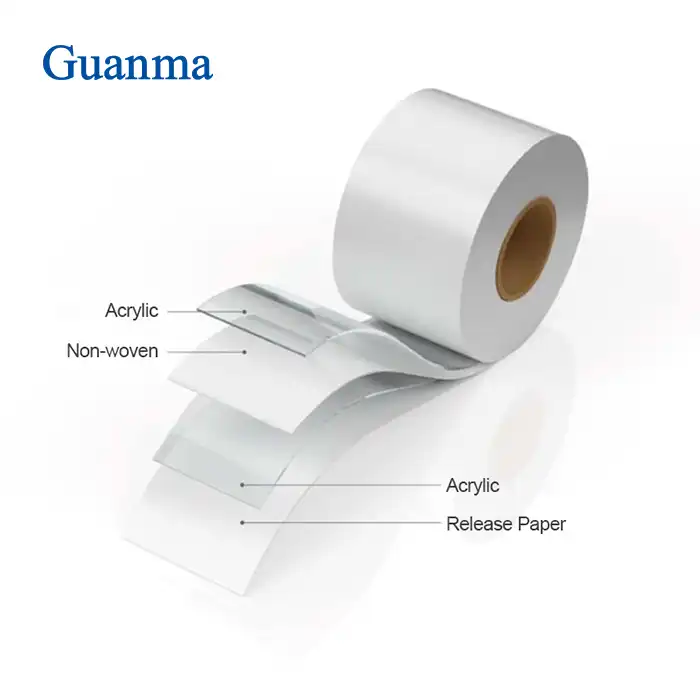
The way cloth surgical tape is made has changed because of progress in the science of materials. Modern cloth goods for cloth surgical tape are made with advanced fiber technologies that make them more flexible while still keeping their shape. There is a direct link between what the substrate is made of for cloth surgical tape and how well it breathes, stretches, and makes the patient feel overall.
Tests for biocompatibility are an important part of evaluating tapes that can't be skipped. To make sure that the products they buy meet international safety standards, medical facilities must test them thoroughly. When doctors decide if something is safe, they need to test it for cytotoxicity, skin sensitization, and irritation.
Adhesive formulas are just as important to how well a product works. It's important to find the right balance between how well pressure-sensitive adhesives stick at first and how easily they come off. Skin-friendly tape formulations keep things in place securely while they're being worn and reduce damage during application changes.
Biocompatibility claims made by reputable businesses are backed up by a lot of proof. Test reports from approved labs make it easy to understand how safe a product is. This paper work is very useful for regulatory audits and quality assurance reviews.
The quality of each batch of goods is the same thanks to new ways of making them. Precision coating technologies make sure that the glue is spread out evenly, without any weak spots that might affect how well it works in the clinic. These changes in technology directly make things better for patients and cause fewer problems.
Standards for following the rules and getting certified
To get around in regulatory environments, you need to know a lot about the standards that apply and the certification requirements. Different international markets have different compliance requirements that affect how products are chosen and how vendors are qualified.
When a medical device has a CE mark on it, it means that it meets European safety and performance standards. For this certification, you need to follow strict testing guidelines and keep records of your quality system. Before using new surgical fixation tape products, hospitals in European markets must make sure they are CE-compliant.
When a manufacturer gets ISO 13485 certification, it shows that they are committed to quality management systems that are designed specifically for medical devices. This standard talks about controls for design, risk management, and activities for after the product has been sold. Partnering with certified manufacturers who keep up strong quality infrastructures is good for facilities.
Documentation needs go beyond just initial certifications. As part of ongoing compliance monitoring, test reports, change notifications, and regulatory updates are looked over. The procurement teams need to set up ways to keep track of these needs across multiple product lines.
Aligning regulations becomes more difficult when there are global supply chains. Manufacturers that sell their goods in other countries have to keep up with certifications in a lot of different places while also making sure that the quality of their products stays the same. This feature is necessary for hospitals that serve a lot of different areas.
Cost-effective ways to buy things
When using strategic procurement methods for cloth surgical tape, costs are balanced with the need for clinical performance. Volume purchasing agreements for cloth surgical tape often save a lot of money and make sure that supplies are always available. Stable prices and easy access to products are two benefits of long-term partnerships with dependable manufacturers of cloth surgical tape.
To get the total cost of ownership, you need to add up all the costs that aren't directly related to the units. The overall financial impact is made up of training costs, inventory management costs, and the chance of problems occurring. Better medical tape roll products may be worth the extra money because they reduce problems and improve outcomes.
Standardization efforts help keep inventory simple while also increasing buying power. Bringing together suppliers cuts down on administrative costs and makes quality management easier. Keeping backup sources, on the other hand, stops supply interruptions when things go wrong.
Value engineering analyses compare different products in a number of ways that affect their performance. These studies look at how strong the adhesive is, how long it lasts, how easy it is to remove, and how satisfied the patients are. Thorough analyses find the best solutions that get the most clinical value for the money spent.
When negotiating a contract, the parties should talk about quality guarantees, delivery dates, and the availability of technical support. Setting clear performance metrics makes it possible to evaluate vendors objectively and start projects to keep getting better.
Thoughts on Implementation and Staff Training
For tape replacement programs to work, they need complete change management plans. When clinical staff are familiar with existing products, they naturally don't want to see changes made to them. Educational programs need to make the benefits of new waterproof medical tape options clear while also addressing issues with how they can be used in real life.
Training programs should teach the right way to apply, how to remove, and how to fix common problems. During hands-on demonstrations, employees can directly experience the features of a product. This hands-on experience boosts confidence and encourages clinical teams to adopt it.
Before a full deployment, pilot programs give useful feedback on how to implement. Trials that are limited to a few departments show potential problems and ways to make things better. These insights help shape larger rollout plans and make training better.
When documentation is updated, it needs to include new product specs and application protocols. When policies are changed, they are applied consistently across shifts and departments. Having clear rules in place helps keep things organized during times of change.
Mechanisms for collecting feedback allow for continuous improvement during all stages of implementation. Through regular surveys and focus groups, areas that need more help or clarity are identified. This ongoing conversation helps adoption go well and finds ways to make things better.
Quality control and keeping an eye on performance
Setting up strong quality monitoring systems for cloth surgical tape makes sure that the performance of the product stays the same across all supply relationships. Protocols for incoming inspection for cloth surgical tape make sure that products received meet certain standards. These steps find differences in quality for cloth surgical tape before they are used in clinical settings.
Tracking clinical outcomes gives us objective information about how well different applications are working. Adhesion duration, skin irritation rates, and removal ease scores are some of the metrics that could be used. This information helps people make decisions about how well a product works based on facts.
Reviews of a vendor's work look at how reliable their delivery is, how quickly they respond to technical support requests, and how consistent their quality is. Regular scorecards keep people accountable and show them where they can improve. These evaluations help with decisions about renewing contracts and managing relationships with vendors.
Adverse event reporting systems keep track of problems that happen when adhesive bandage tape is used. Trend analysis is a way to find possible problems with quality or application. Quick investigation stops problems from spreading and helps with efforts to keep getting better.
Protocols for storage and handling keep products' integrity throughout the entire supply chain. Environmental monitoring makes sure that the best conditions are maintained so that the adhesive can keep doing its job. If you rotate your inventory properly, it won't go bad after being stored for a long time.
Conclusion
Strategic cloth surgical tape replacement initiatives require comprehensive evaluation of material properties, regulatory compliance, and clinical performance requirements. Successful implementations balance cost considerations with patient safety priorities while ensuring consistent supply availability. Hospital procurement teams benefit from partnering with certified manufacturers who demonstrate expertise in medical adhesive technologies and maintain robust quality management systems. Through careful planning, thorough training, and ongoing performance monitoring, healthcare facilities can optimize their surgical tape programs to enhance patient outcomes while achieving operational efficiency goals.
Partner with Guanma for Superior Cloth Surgical Tape Solutions
Guanma Medical delivers exceptional cloth surgical tape manufacturer expertise backed by three decades of specialized experience in pressure-sensitive adhesive technologies. Our comprehensive product portfolio addresses diverse hospital requirements through customizable formulations, sizes, and packaging configurations tailored to specific clinical applications.
Distinguished by rigorous quality certifications including CE marking, ISO 13485, and ISO 9001 compliance, we ensure regulatory alignment across international markets. Extensive biocompatibility testing validates safety profiles for sensitive skin applications. Our advanced R&D capabilities enable rapid adhesive formulation adjustments based on unique clinical requirements.
Global healthcare partners rely on our responsive 24/7 support infrastructure for seamless communication and technical assistance. Whether developing custom first aid tape solutions or scaling existing surgical dressing tape production, our OEM and ODM services provide flexible manufacturing partnerships that adapt to evolving market demands.
Ready to optimize your surgical tape procurement strategy? Discover how our innovative adhesive solutions can enhance patient outcomes while reducing operational complexity. Contact our medical tape specialists today to discuss customized solutions for your facility's specific requirements. Reach out to contact us at betty@guanmamedical.com and experience the difference that professional medical tape manufacturing expertise makes in clinical environments.
References
1. Johnson, M.K. & Roberts, L.A. (2023). "Advances in Medical Adhesive Technology for Hospital Applications." Journal of Healthcare Materials Management, 41(3), 156-172.
2. Chen, S.H., Williams, P.J. & Thompson, R.D. (2022). "Regulatory Compliance Strategies for Medical Tape Procurement in Global Healthcare Systems." International Medical Device Quarterly, 28(4), 89-104.
3. Anderson, K.L. & Davis, M.R. (2023). "Biocompatibility Assessment Methods for Surgical Adhesive Products." Clinical Materials Science Review, 15(2), 245-261.
4. Mitchell, J.S., Brown, A.C. & Lee, H.Y. (2022). "Cost-Effectiveness Analysis of Modern Surgical Tape Technologies in Hospital Settings." Healthcare Economics and Procurement, 34(7), 412-428.
5. Taylor, R.M., Garcia, C.E. & Wilson, D.K. (2023). "Implementation Strategies for Medical Adhesive Product Changes in Large Healthcare Networks." Hospital Administration Quarterly, 52(1), 78-95.
6. Foster, N.P., Kumar, A.S. & Reynolds, B.T. (2022). "Quality Assurance Protocols for Medical Tape Performance Monitoring in Clinical Environments." Medical Device Quality Management, 19(6), 334-349.