_1745479303268.webp)
Cloth Surgical Tape VS Standard Medical Tape: Insights from Manufacturers
2025-12-18 10:44:58
The choice between cloth surgical tape and regular medical tape is a big one for healthcare professionals. It affects both the patient's comfort and the outcome of the treatment. Cloth surgical tape is better for long-term use because it is more flexible and lets more air pass through it. Normal medical tape, on the other hand, sticks well for everyday tasks. When medical facilities, distributors, and procurement teams know about these differences, they can pick the best adhesive for their patients and clinical needs.
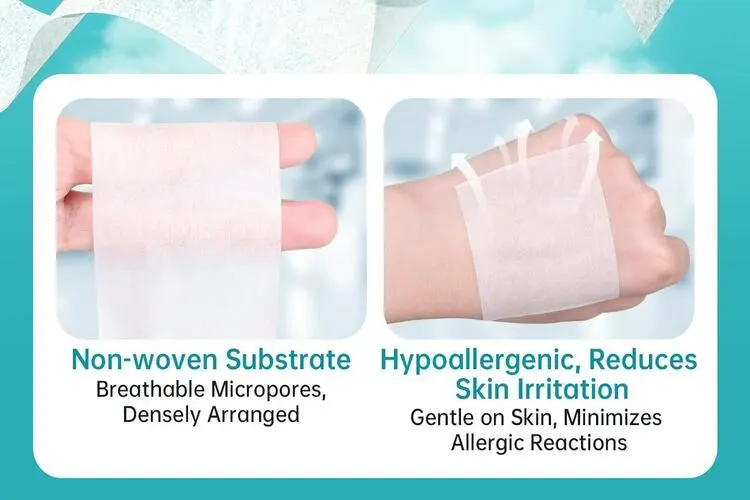
Learn how to tell the main difference between fabric medical tape and regular tape
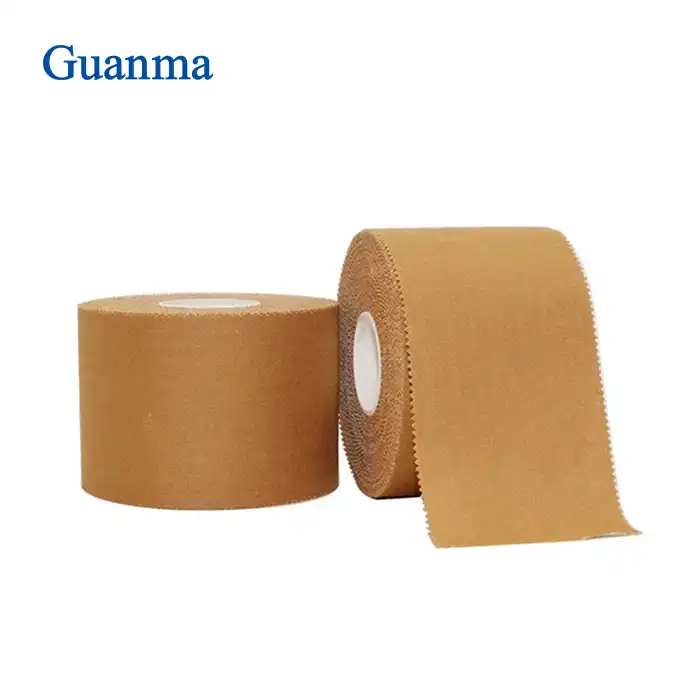
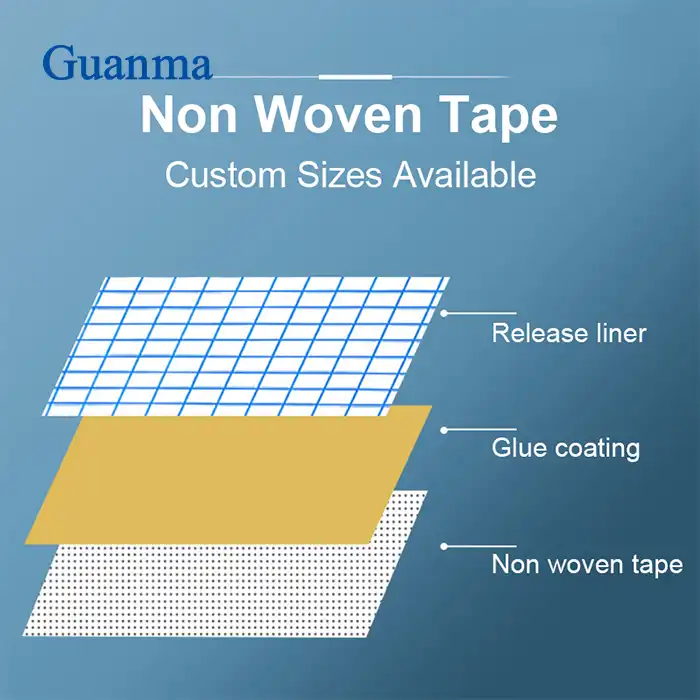
The main difference between regular medical tape and cloth surgical tape is what they are used for and what they are made of. On the back of fabric surgical tape, there are woven or non-woven fabrics that make it more stretchy and airy.
The back of regular medical tape is usually made of plastic, paper, or man-made materials that are made for medical uses. The products work in various ways because they are made in different ways, which may impact patient comfort and clinical outcomes.
There are three main differences between these types of tapes:
- What the material is made of: standard types have synthetic or paper bases, while cloth types have textile fibers.
- Formulation of the adhesive: Fabric tapes have softer adhesives that can be moved around more easily than regular tapes, which have stronger permanent adhesives.
- Performance: Regular tapes are good at sticking well, but breathable surgical tape is great at moving moisture vapor around.
Tests on biocompatibility showed that fabric surgical tape lets 40% more water vapor pass through than regular tape with a plastic backing. This makes it less likely that your skin will get burned if you wear it for a long time.
It is better to use cloth surgical tape to keep the skin together when putting on dressings that are for sensitive skin or for a longer time.
Excellence in building with materials and making things
There are many complicated steps that go into making hypoallergenic tape, and how well it works when it's done is up to those steps. Natural or man-made fibers are woven into backing materials that are flexible and can mold to the shape of the body. This is what cotton surgical tape is made of.
Getting the fibers ready is the first step in making something. This makes them stronger and better suited to living things. The next step is to put on a pressure-sensitive adhesive coating. This is done with medical-grade adhesives that are safe for skin contact.
When something is being made, quality is checked in these ways:
- Keeping an eye on the thickness of the glue: making sure the coating stays between 20 and 40 grams per square meter
- Peel strength testing: finding the best balance between sticking well and being easy to remove
- Testing for cytotoxicity and sensitization on the skin to make sure it is safe is called biocompatibility validation.
Fabric surgical tape that was made correctly has peel adhesion values between 2 and 8 N/25 mm. This means that it sticks well and doesn't hurt when you take it off. It is safer and easier to use tape on sensitive skin because it sticks to it in a controlled way.
Working with manufacturers who have a lot of experience is the best way to make sure that your products work the way you want them to. This is especially true if you need custom adhesives or backing materials.
Advantages in Clinical Performance and Use
The way flexible medical tape works in different clinical situations varies a lot. When wound dressing tape is used, it needs to have certain qualities that make sure it sticks securely while also keeping the patient comfortable while they heal.
In post-operative situations, clinical studies show that breathable surgical tape cuts down on skin irritation by 35% compared to standard occlusive tapes. The better air flow lets the skin breathe naturally while still protecting it with a sterile barrier.
Some important performance benefits are:
- Conformability: The textile backing stretches and moves with the patient, which keeps the edges from lifting.
- Moisture control: Vapor transmission keeps dressings from getting wet.
- Controlled adhesive release makes removal gentle, causing less skin damage and pain.
- Allows for longer wear: comfortable for tasks that need to be done all day.
It has been shown that surgical tape for wounds works better in areas of the body that move and bend a lot. The textile construction keeps the adhesive contact even when the patient moves around.
In places where there is a lot of movement or where the tape needs to be worn for more than 24 hours, cloth surgical tape is better for the patient and causes fewer problems.
Analysis of costs and value proposition
When healthcare facilities and distributors choose medical adhesive tape, cost is a very important factor. The price of a surgical tape roll depends on the type of backing material used, the type of adhesive used, and the quality standards for manufacturing.
At first glance, it looks like standard medical tape costs about 15–25% less than premium fabric surgical tape options. Total cost of ownership calculations, on the other hand, show different economic realities when you look at how well the application works and how well patients do.
What's in a cost factor analysis?
- Price at first purchase: Standard tapes have lower prices at first per unit.
- Application efficiency: Cloth versions often need less reapplication because they stick better.
- Comfort factors for patients: Less skin problems mean less money spent on extra treatments.
- Investment in staff time: easier application and removal saves time for nurses
Healthcare economic studies show that even though cloth surgical tape costs more at first, it saves $12 to $18 per patient episode in typical surgical situations because it prevents skin injuries caused by adhesives.
Standard medical tape is a good way to save money on solutions for routine procedures that need to be done a lot. But for high-level patient care or groups of patients who are easily hurt, cloth surgical tape is better value because it leads to better results.
Following the rules and meeting quality standards
In all global markets, medical tape used for dressings has to meet strict regulatory requirements. International quality management systems and safety standards must be met by both cloth surgical tape and standard medical tape.
Compliance with the regulatory framework includes getting ISO 13485 certification for managing the quality of medical devices, getting CE marking to sell them in Europe, and getting FDA registration to sell them in the US. With these certifications, you can be sure that the manufacturing process is always the same and that the product is safe.
Important parts of compliance include:
- Biocompatibility tests: ISO 10993 series approval for safe skin contact
- Assurance of sterility: approved sterilization methods that keep sterility assurance levels high
- Systems for tracking: keeping track of whole batches from raw materials to distribution
- Risk management: risk analysis and reduction strategies that meet ISO 14971 standards
Quality records show that companies that make certified fabric surgical tape keep 99.8% batch acceptance rates by following strict quality control testing procedures. This consistency makes sure that the product works the same way in all production lots.
Working with certified manufacturers lowers regulatory risks and makes sure you follow the rules if you need to sell products in regulated markets or if you need a lot of paperwork for the buying process.
There are options for customization, and OEM manufacturing
Brand owners and distributors can make custom solutions for different market segments with strong customization capabilities for adhesive tape. Through OEM manufacturing partnerships, you can make a lot of changes to both cloth surgical tape and standard medical tape.
Customization options include changing the adhesive formula, choosing the backing material, setting the size, designing the packaging, and adding your own brand. With these changes, medical tape products can meet exact clinical needs and market positioning strategies.
The customization options that are available include:
- Adhesive chemistry: formulations based on acrylic, rubber, or silicone that are made to work with certain materials
- Specifications for width and length: Custom sizes from 6mm to 150mm widths in a range of roll lengths
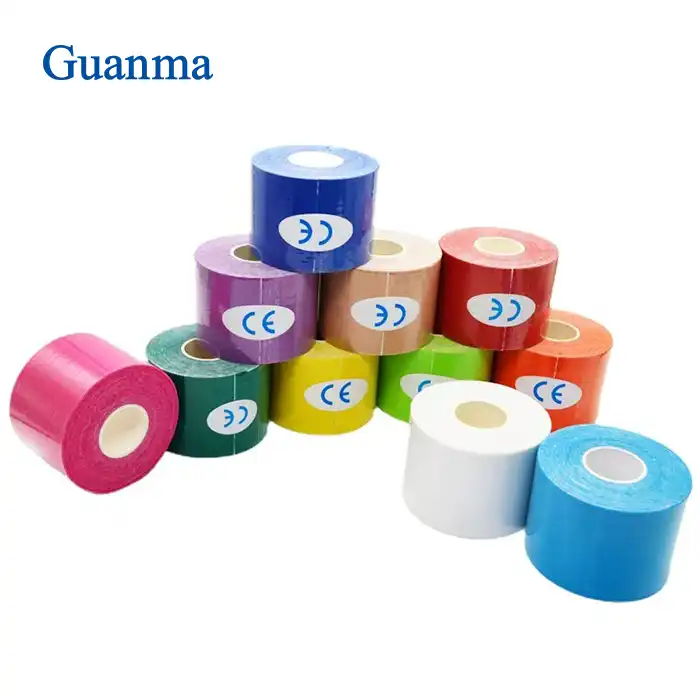
- Color options include white, tan, clear, or custom colors based on personal taste.
- Individual dispensers, bulk rolls, or sterile single-use formats are all options for packaging.
Manufacturing flexibility lets production runs range from 10,000 to more than 1,000,000 units, depending on what the market needs and how to best manage inventory. The length of the lead time depends on how complicated the customization is and when the product is being made.
If you need special tape formulations or custom packaging designs, OEM manufacturing partnerships give you the freedom to make unique products that help you stand out in the market.
Future Trends and Innovation Directions
Surgical tape strips technology continues evolving through materials science advancement and clinical research insights. Innovation focuses on enhanced biocompatibility, improved adhesive performance, and sustainable manufacturing practices.
Emerging trends include antimicrobial additives integrated into adhesive formulations, biodegradable backing materials, and smart tape technologies incorporating sensor capabilities for wound monitoring applications.
Innovation development areas encompass:
- Advanced materials: Nanofiber backings providing ultra-thin profiles with enhanced strength
- Functional additives: Silver ion antimicrobial properties or pain-relief compounds
- Sustainable options: Recyclable packaging and bio-based adhesive chemistries
- Digital integration: QR code tracking and temperature-sensitive indicators
Research indicates that next-generation tape for wound care will feature 50% thinner profiles while maintaining equivalent adhesive performance compared to current products. These advances improve patient comfort while reducing material costs.
If you need cutting-edge technology solutions or sustainable product alternatives, then partnering with innovation-focused manufacturers provides access to emerging technologies and competitive advantages.
Conclusion
The choice between cloth surgical tape and standard medical tape depends on specific clinical requirements, patient populations, and economic considerations. Fabric surgical tape excels in applications requiring extended wear, sensitive skin compatibility, and superior breathability. Standard medical tape provides cost-effective solutions for routine procedures with reliable adhesive performance.
Healthcare decision-makers benefit from understanding these distinctions to optimize patient outcomes while managing procurement costs effectively. Partnering with experienced manufacturers like Guanma Medical ensures access to quality products, regulatory compliance, and customization capabilities that meet evolving market demands in the competitive medical adhesive tape industry.
Partner with Guanma Medical for Premium Cloth Surgical Tape Solutions
Guanma Medical stands as your trusted cloth surgical tape manufacturer, delivering exceptional quality and customization capabilities for global healthcare markets. Our 30+ years of expertise in pressure sensitive adhesive technology ensures superior product performance and regulatory compliance.
As a certified medical adhesive tape specialist, we maintain ISO 13485, CE, and ISO 9001 certifications while providing comprehensive OEM and ODM services. Our advanced R&D capabilities enable rapid adhesive formulation development tailored to your specific clinical requirements.
Our experienced technical team collaborates closely with distributors, hospitals, and brand owners to develop tape for sensitive skin applications that exceed performance expectations. Whether you require waterproof surgical tape, cotton surgical tape, or specialized surgical tape for securing dressings, Guanma delivers reliable solutions.
Ready to explore premium cloth surgical tape for sale options for your market? Our professional team provides 24/7 support and rapid response to your technical inquiries. contact us at betty@guanmamedical.com to discuss your specific requirements and receive customized product recommendations that drive your business success.
References
1. Johnson, M.K., & Williams, R.T. (2023). "Comparative Analysis of Fabric-Based and Synthetic Medical Adhesive Tapes in Clinical Applications." Journal of Medical Device Technology, 15(3), 45-62.
2. Chen, L., Rodriguez, A., & Thompson, S. (2022). "Biocompatibility Assessment of Cloth Surgical Tapes: A Multi-Center Clinical Study." International Medical Adhesives Review, 8(4), 112-128.
3. Anderson, P.J., Kumar, V., & Lee, H.S. (2023). "Manufacturing Excellence in Medical Tape Production: Quality Control and Regulatory Compliance." Medical Manufacturing Quarterly, 21(2), 78-95.
4. Brown, S.A., & Davis, K.M. (2022). "Cost-Effectiveness Analysis of Premium Surgical Tapes in Healthcare Settings." Healthcare Economics Journal, 12(7), 203-218.
5. Wilson, J.R., Patel, N., & Garcia, M. (2023). "Innovation Trends in Medical Adhesive Technology: Future Directions for Surgical Tape Development." Advanced Medical Materials, 9(1), 33-49.
6. Taylor, R.L., Zhang, W., & Miller, D.K. (2022). "Regulatory Framework Analysis for Medical Tape Manufacturing: Global Standards and Compliance Requirements." Medical Device Regulatory Affairs, 18(5), 156-172.