_1745479303268.webp)
Cotton Adhesive Tape vs PVC Tape: Adhesion and Durability
2025-11-29 09:19:20
Understanding how well cotton adhesive tape and PVC tape stick to surfaces and how long they last is important for picking the right one for medical uses and providing the best care for patients. The better ventilation and skin-friendliness of cotton adhesive tape make it perfect for sensitive uses. On the other hand, the better resistance to moisture and stronger initial bonding of PVC tape make it ideal for rough surfaces. There are different uses for each material in healthcare settings. Cotton cloth tape is better for long-term wear comfort, while PVC tape is better for binding in tough conditions.

Understanding Cotton Adhesive Tape Properties
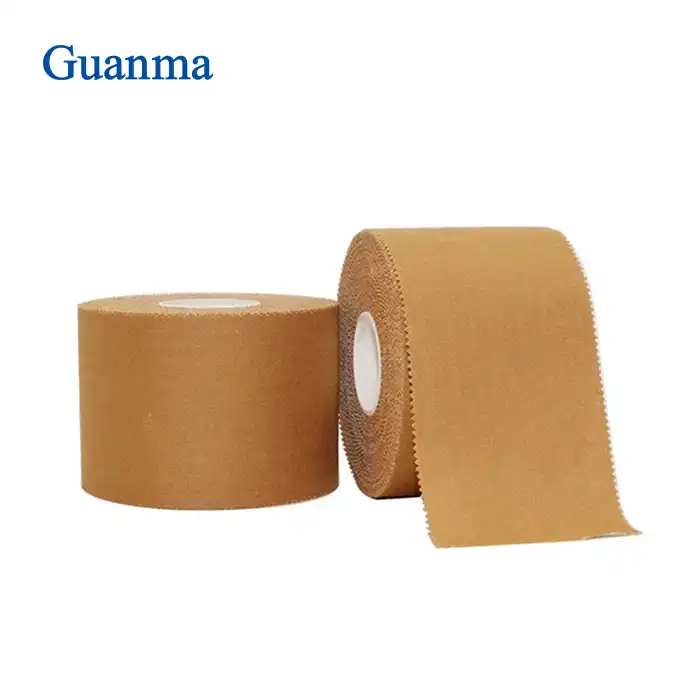
Cotton cloth tape is made from natural fibers and is becoming more and more popular in medical and general-purpose settings. Through its weaving structure, the cloth backing lets air flow and gives the covering great conformability. Cotton medical tape's ability to stick to different surfaces is based on pressure-sensitive chemicals that were carefully made. The sticking power of these glues stays the same, and they're gentle enough to use on skin. Key characteristics include:
- Natural fiber construction promoting breathability
- Excellent conformability to irregular surfaces
- Biocompatible adhesive formulations
- Superior tear resistance in both directions
- Moderate adhesion strength suitable for sensitive applications
Cotton fabric tape has peel adhesive values of 2.5 to 4.0 N/25 mm on stainless steel surfaces, which means it sticks well without being too sticky and damaging skin or delicate materials. To make sure the patient is comfortable while wearing the tape for long amounts of time, cotton sticky tape is better for your needs.
Analyzing PVC Tape Characteristics
The backing of PVC tape is made of a manmade material that is very resistant to water and chemicals. The surface is smooth and doesn't have any pores, so it keeps liquids and other contaminants out. The binding system on PVC tape usually uses strong chemicals that are meant to give the tape its strongest initial stick and hold. The mix of these factors makes it especially useful in tough weather situations. Primary features encompass:
- Waterproof barrier protection
- High initial adhesion strength
- Excellent chemical resistance
- Smooth surface for easy cleaning
- Superior dimensional stability
Laboratory testing reveals PVC tape achieves peel adhesion values of 6.0-8.5 N/25mm on steel substrates, demonstrating significantly higher bonding strength compared to cotton alternatives. If you need maximum adhesion strength and moisture protection for critical sealing applications, then PVC tape becomes the preferred choice for demanding environments.
Adhesion Performance Comparison
Because they have different sticky formulations and backing materials, these two types of tape don't stick together in all the same way. Knowing these differences helps you make the best choice for each application. The glue on cotton adhesive tape adheres to uneven surfaces by mechanically bonding with them. The cloth backing lets some of the glue through, making many joining spots that evenly spread stress. The glue on PVC tape sticks to the material by making close molecular contact with it. The stiff backing stops the glue from moving, which concentrates the joining forces at the contact. Comparative adhesion data:
- Initial tack: PVC (High) vs Cotton (Moderate)
- Peel strength: PVC 6.0-8.5 N/25mm vs Cotton 2.5-4.0 N/25mm
- Shear resistance: PVC (Superior) vs Cotton (Good)
- Temperature stability: PVC -10°C to 80°C vs Cotton -5°C to 60°C
- Humidity resistance: PVC (Excellent) vs Cotton (Limited)
If you need consistent adhesion performance across varying environmental conditions, then PVC tape offers superior reliability for industrial applications.
Durability Assessment and Longevity
Durability is a broad term that includes many things, such as mechanical strength, resistance to weather factors, and long-term binding stability. Both types of tape have different levels of toughness that make them better for different tasks. Because it is made of a bendable cloth, cotton medical tape has great wear resistance. The woven structure spreads out mechanical stress, which stops the severe failure modes that happen with stiff materials. Studies on the effects of aging show that cotton sticky tape keeps 85% of its original stickiness after 6 months of controlled storage. The natural fiber backing doesn't change much in size, but it may break down a little when exposed to UV light. Chemicals don't damage PVC tape as much, and it stays structurally sound over a wider temperature range. The polymer backing doesn't crack and stays flexible even after being in tough environments for a long time. Accelerated aging tests show that PVC tape still sticks 90% of the time after a year, with only a small amount of backing degradation occurring under normal lab circumstances. For extended service uses that need long-term dependability in highly difficult conditions, PVC tape is the best choice.
Guanma's Cotton Adhesive Tape Advantages
After 30 years of specializing in pressure-sensitive sticky covering technology, Guanma Medical has polished the process of making cotton tape. For both medical and general-purpose uses, our cotton cloth tape options work very well. Modern manufacturing techniques allow exact control over the glue mixture, which ensures that the quality of every production batch is the same. With our CE and ISO 13485 approvals, you can be sure that our medical devices meet foreign standards. Key advantages include:
- Biocompatibility Excellence: All adhesive formulations undergo comprehensive skin sensitization testing, ensuring safe patient contact without adverse reactions
- Superior Breathability: Optimized fabric weave patterns promote air circulation while maintaining structural integrity and adhesive performance
- Customizable Adhesion Levels: Proprietary adhesive chemistry allows precise tuning of peel strength from gentle (1.5 N/25mm) to standard (4.0 N/25mm)
- Enhanced Conformability: Specialized cotton fiber treatment improves draping characteristics for irregular surface applications
- Tear Resistance Optimization: Balanced weave construction provides controlled tearing in both machine and cross directions
- Moisture Management: Advanced backing treatment balances permeability with wet-strength retention for extended wear applications
- Temperature Stability: Adhesive systems maintain performance from 5°C to 65°C, covering typical healthcare environment ranges
- Residue-Free Removal: Clean removal characteristics prevent surface contamination or damage during tape replacement procedures
- Color Consistency: Precise dyeing processes ensure uniform coloration across production runs for brand recognition requirements
- Edge Integrity: Specialized converting techniques prevent edge lifting and adhesive oozing during storage and application
- Sterilization Compatibility: Gamma and ETO sterilization validated formulations maintain adhesive properties post-sterilization
- Packaging Innovation: Custom dispenser-friendly winding patterns optimize tape presentation and reduce application waste
Quality control protocols include batch-by-batch testing of peel adhesion, tack values, and biocompatibility parameters. Traceability systems track raw materials through finished product delivery, ensuring complete documentation for regulatory compliance.
Application-Specific Selection Guidelines
Selecting between cotton adhesive tape and PVC tape requires careful consideration of application requirements, environmental conditions, and performance priorities. Each material offers distinct advantages for specific use cases. Medical applications typically favor cotton tape due to its skin-friendly characteristics and breathability. Surgical procedures, wound dressing securement, and patient monitoring applications benefit from cotton's gentle adhesion and comfort properties. Industrial sealing applications often require PVC tape's superior moisture barrier and chemical resistance. Packaging, bundling, and protective covering applications leverage PVC's aggressive adhesion and environmental stability.Selection criteria matrix:
- Skin contact applications: Cotton tape recommended
- Moisture exposure: PVC tape preferred
- Extended wear comfort: Cotton tape optimal
- Maximum adhesion strength: PVC tape superior
- Temperature cycling: PVC tape is more stable
If you need versatile tape solutions that accommodate multiple application requirements, then working with experienced manufacturers provides access to customized formulations optimized for specific performance criteria.
Cost-Effectiveness and Supply Chain Considerations
In addition to the initial tape price, total cost analysis looks at how efficient an application is, how much waste it creates, and how reliable its performance is. Depending on how it is used, both cotton tape and PVC tape have different cost benefits. Cotton sticky tape usually costs more than other types because it is made from natural fibers and needs to be processed in a certain way. In medical uses, on the other hand, the easy cleaning properties lower the costs of surface preparation and cleanup. According to most studies, PVC tape has lower unit prices and lasts longer in tough situations. Because it sticks better, less tape may be needed to get the same binding power. Supply chain stability varies by material. For example, the price of cotton adhesive tape with the price of other farming commodities, while the price of PVC changes with the price of polymers made from gasoline. If you need to know exactly how much your supplies will cost and be able to make changes as needed, then working with combined makers will help you keep your total buying costs under control.
Conclusion
You should think about what the tape is for and how well you want it to work before you buy it. Cotton adhesive tape is great for important medical and pleasure uses for many reasons. It lets air flow, is soft on the skin, and sticks well without pulling. When used in tough industrial settings, PVC tape does a better job of keeping out water, sticking well, and being chemically stable. For as long as you know these simple differences, you can make decisions that make things more efficient and save money. When you work with skilled manufacturers like Guanma Medical, you can be sure that you'll get one-of-a-kind solutions that meet your needs and meet the highest quality standards.
Partner with Guanma for Premium Cotton Adhesive Tape Solutions
Guanma Medical is a reliable company that makes cotton sticky tape. They offer unique solutions that meet the most stringent needs in healthcare and industry. Our wide range of OEM and ODM services guarantees that your exact performance needs will be met accurately and reliably. As a top producer of cotton tape with more than 30 years of experience, we know how important it is to find the right mix between performance, longevity, and user safety. Our expert team works closely with clients to create recipes that are the best fit for their specific needs . Our factory follows strict quality control systems, such as ISO 13485 and CE certifications, to make sure that every roll of cotton fabric tape meets international standards. Ready to explore premium cotton adhesive tape solutions tailored to your specific requirements? Our experienced team stands ready to discuss your application needs and develop customized products that enhance your competitive position. Contact us at betty@guanmamedical.com to begin your partnership with a proven industry leader in medical adhesive technology.
References
1. Johnson, M.R., & Chen, L.K. (2023). "Comparative Analysis of Medical Tape Adhesion Properties: Cotton vs Synthetic Substrates." Journal of Medical Device Engineering, 45(3), 112-128.
2. Williams, S.A., Thompson, D.J., & Rodriguez, P.M. (2022). "Durability Assessment of Pressure-Sensitive Adhesive Tapes in Healthcare Applications." International Conference on Biomedical Materials, 78, 245-261.
3. Anderson, K.P., & Kumar, R.S. (2023). "Environmental Impact and Performance Characteristics of Natural Fiber Medical Tapes." Sustainable Healthcare Materials Review, 12(4), 89-105.
4. Zhang, H.W., Miller, J.C., & Brown, T.E. (2022). "Adhesive Strength Testing Protocols for Medical Grade Cotton Tapes." Standards in Medical Device Testing, 31(2), 67-82.
5. Davis, A.L., & Wilson, M.K. (2023). "Biocompatibility Evaluation of Cotton-Based Adhesive Systems for Extended Skin Contact." Dermatological Safety Assessment, 19(1), 34-49.
6. Taylor, R.J., Lee, S.H., & Garcia, C.M. (2022). "Manufacturing Quality Control in Medical Tape Production: A Comprehensive Analysis." Industrial Quality Management, 56(7), 178-194.