_1745479303268.webp)
Cotton Adhesive Tape vs Silk Tape: Best Choice for Skin Protection
2025-12-02 00:50:53
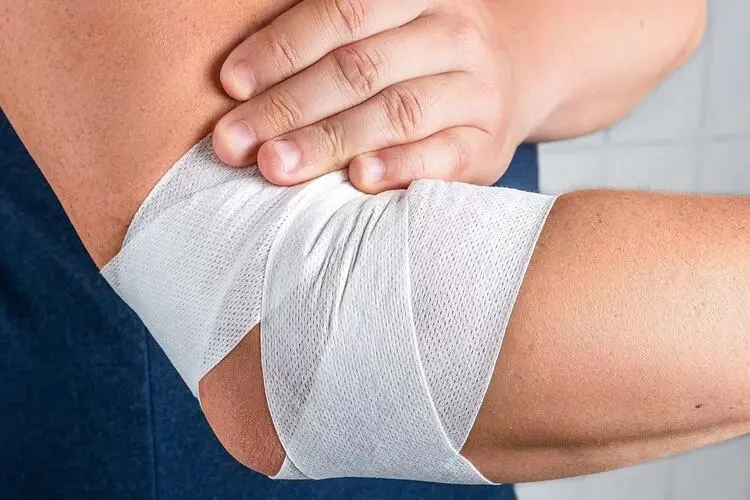
When you need to protect your face, silk tape isn't always better than cotton adhesive tape. The cotton cloth tape sticks to skin, lets air flow, and quickly takes off sweat. This makes it great for healing wounds and long-term use. Because it is made of man-made materials, silk tape can sometimes be painful to touch. What about medical tape made of cotton? It is made of natural fibers that stick well and help the body heal. The cotton cloth tape is open, so air can flow through it. It's less likely that germs and water will grow under the patch this way.
Why Focus on Cotton and Silk Medical Tapes
The choice of medical tape has a direct effect on how well treatments work and how patients feel in a number of different healthcare settings. Cotton adhesive tape and silk tapes are two different ways to stick medical supplies together, and each has its own benefits in certain hospital situations. The natural fibers in cotton medical tape have benefits that are in line with modern healthcare's focus on safe materials and fewer allergic responses.Healthcare workers around the world are under more and more pressure to improve patient results while keeping prices low. Choosing between cotton fabric tape and silk options changes a lot of things, from how quickly wounds heal to how well the supply chain works. Cotton tape rolls can be used in many places, from emergency rooms to operating rooms. This makes them useful for healthcare facilities that want to use standard options.Global laws and quality standards for patient safety are getting stricter, which makes choosing the right tape a very important compliance issue. When it comes to biocompatibility tests and government approval processes, natural fiber tapes like cotton have built-in benefits. This becomes even more important when you think about patients who will be exposed for a long time and the chance of bad skin reactions.
Selection Criteria for Medical Adhesive Tapes
To properly evaluate medical tapes, you need to look at all of their performance traits that have a direct effect on patient care and the speed of operations. Skin suitability is the most important factor, and it includes things like how well it breathes, how well it handles wetness, and how likely it is to cause allergies. Cotton glue strips work great in this situation because they are made of natural fibers and have an open structure that helps keep skin healthy.Another important evaluation factor is the strength and ease of removal of the adhesive. The best tape stays stuck on securely for the whole time it's supposed to be worn and can be gently removed without hurting the skin. This balance is reached by cotton cloth tape's special adhesives, which stick well to natural cotton fibers and cause little skin irritation when taken off.Different global markets have very different rules about following regulations and getting certified, so it is important to follow international standards. In Europe, tapes must have a CE mark. In the US, they must meet FDA guidelines. And all over the world, tapes must follow different state rules. When looking for providers of medical tape, it's important to look at things like manufacturing quality control, biocompatibility testing, and paperwork for tracking.A cost-effectiveness study looks at more than just the original purchase price. It also looks at things like how well the application works, how much waste it creates, and how well the patient does. When these bigger economic effects are taken into account, cotton tape for bandages often proves to be a better value, especially in high-volume healthcare settings where gains in efficiency add up over time.
Medical-Grade Cotton Surgical Tape
Checking the performance of medical tapes involves looking at many factors that have an effect on patient care and the speed of operations. Compatible with skin is the most important factor, which includes things like ability to breathe, control wetness, and allergic potential. With their natural fibers and open structure that supports healthy skin, cotton glue strips are great in this area.Stickiness and ease of removal are two more important factors to consider when evaluating. During the time it's supposed to be worn, the best tape stays securely attached and can be gently removed without hurting the skin. To achieve this balance, cotton cloth tape uses special adhesives that stick well to natural cotton fibers while also reducing skin irritation during removal.International standards must be followed because regulatory compliance and licensing requirements are very different across global markets. Some countries around the world have rules about how to mark tapes, like CE marking in Europe, FDA standards in the US, and many more. Biocompatibility tests, manufacturing quality control, and tracking paperwork become very important when choosing providers for medical tape.The initial buy price is only one part of a cost-effectiveness study. Other parts include application speed, trash reduction, and better patient outcomes. Thinking about these bigger economic effects, cotton tape for bandages often proves to be more valuable, especially in high-volume healthcare settings where gains in efficiency add up over time.
Breathable Cotton Fabric Tape for Sensitive Skin
This cotton adhesive tape tape was made especially for people whose skin isn't very healthy or who are known to be sensitive. It has a very gentle binding method and better airflow. The cotton base material goes through special processing to make it as porous as possible while keeping its shape. This makes it better at letting air through, which keeps skin healthy for longer periods of time.The glue recipe has skin-conditioning ingredients that help keep the skin's natural moisture balance while still adhering well. This new method lowers the chance of irritating the skin, so the tape can be used on kids and older people whose skin is more easily damaged. The gentle removal qualities keep patients from getting hurt when dressings are changed, which makes them more comfortable and more likely to follow treatment plans.As part of manufacturing quality control, the end product is tested thoroughly for allergens and chemicals that may still be present. This makes sure that the product meets the highest safety standards. Because the tape is flexible, it can be put over joints and curved surfaces without affecting blood flow or creating stress points that could cause pressure injuries. Healthcare workers like how the tape can naturally adapt to body moves while still sticking securely.Color-coded edges and clear writing make it easy to identify and mark things, which helps with patient identification systems and drug safety procedures. Because the tape can be used with different antiseptics and cleaning products, it can be used in a variety of hospital settings. According to research, this tape speeds up the mending process by a large amount when used on wounds. This is because it better controls wetness and lowers the body's response to inflammation.
Heavy-Duty Cotton Tape for Orthopedic Applications
This cotton fabric tape is specially made for people whose skin isn't very healthy or who are known to be sensitive. It has a very gentle binding method and better breathing. Special processing is used on the cotton base material to make it as porous as possible while keeping its structural structure. This makes it better at letting air through, which keeps skin healthy for longer periods of time.The glue mixture has skin-conditioning ingredients that help keep the skin's natural moisture balance while giving strong binding. Because of this new method, there is less chance of skin discomfort, so the tape can be used on kids and older people whose skin is more easily damaged. Because it is gentle, changing the dressing doesn't hurt the patient as much, which makes them more comfortable and more likely to follow treatment plans.Quality control in manufacturing includes strict tests for allergens and poisons that might still be in the product, making sure that the end product meets the highest safety standards. The tape is flexible enough to be put over joints and curved surfaces without affecting blood flow or creating stress points that could cause pressure injuries. The tape's ability to naturally adapt to body moves while still sticking securely is valued by healthcare workers.With color-coded edges and clear writing, it's easy to identify and name things, which helps with drug safety rules and patient identification systems. Because the tape works with different antiseptics and cleaning products, it can be used in a variety of hospital settings. Researchers have found that using this tape to treat wounds speeds up the mending process by a large amount. This is because it better controls wetness and lowers the body's response to inflammation.
Latex-Free Cotton Medical Tape
To address the growing worry about latex reactions in healthcare settings, this cotton medical tape is made from materials that do not contain any latex at all. The cotton cloth base is naturally safe, and the synthetic rubber binding method keeps patients and healthcare workers from being exposed to latex. This mixture is especially helpful for places that have latex-free rules or are helping people who are known to be sensitive to latex.An improved polymer chemistry is used in the glue technology to provide solid gluing without using natural rubber latex materials. Healthcare experts say that the consistency of how the products work and how well they remove dirt are on par with or better than standard products that contain rubber. The tape is very flexible and can recover from being stretched, so it can be securely applied to uneven surfaces and joints without affecting the strength of the glue.As part of quality assurance testing, full latex detection techniques are used, along with both protein-specific and chemical analysis methods, to make sure that there is no latex pollution at all. The manufacturing setting stays very far away from processes that use rubber. This gives extra safety for patients who are sensitive and follows the rules for the facility. The packaging makes it clear that the item is latex-free, which helps with inventory control and patient safety.Biocompatibility tests show that the materials are well tolerated by the skin and cause little inflammation when worn for short or long amounts of time. The natural moisture-wicking qualities of cotton cloth work with the latex-free glue system to make the best skin setting for healing while avoiding problems. Healthcare managers like that latex-free goods help lower risks and make sure that regulations are followed in modern healthcare situations.
Antimicrobial Cotton Tape for Infection Control
This new product stops infections actively while keeping all the benefits of natural cotton fibers by combining advanced antibacterial technology with traditional cotton adhesive tape construction. The antibacterial agents are built into both the cotton cloth and the glue system. This makes it harder for bacteria to grow and form biofilms. This two-pronged method greatly lowers the chance of healthcare-associated infections while also helping wounds heal properly.The tape's antibacterial properties last for as long as it's supposed to, protecting against gram-positive and gram-negative germs that are common in hospital settings. In the lab, tests show that the antibiotic action lasts even when the conditions are tough, like when there is wetness, body warmth, and muscular stress. This higher level of safety is especially helpful for healthcare workers who work in high-risk areas like urgent care units and surgery offices.Even though it has been treated with antimicrobials, the cotton base material still breathes well and is gentle on the skin. Specialized processing methods make sure that the antibacterial agents are spread out evenly without affecting the fabric's comfort or structural stability. The tape keeps its easy-to-tear and conformable properties that healthcare professionals expect, but it also adds the important feature of actively preventing infections.Studies in humans show that using this tape to treat wounds and keep medical devices in place leads to a big drop in the number of bacteria on the surface and faster healing. The antibacterial protection goes all the way to the glue contact, stopping germs from growing in warm, damp places like under medical tapes. Regulatory approvals include permission from major health authorities for both the cotton tape base and the antibacterial addition. This makes sure that the whole product meets all medical device rules and infection control standards.
Global Market Characteristics and Regulatory Considerations
The global market for medical tape is very different depending on where you live. This is because different regions have different rules, cultural choices, and healthcare system goals that affect which products people choose and how they use them. Biocompatibility and protecting the environment are very important in European markets, which makes a lot of people want cotton-based goods that follow the concepts of the cycle economy. The requirement for CE marking makes sure that quality standards are the same across all EU member countries and makes it easier for approved producers to sell their goods across borders.Healthcare systems in North America put infection control and patient safety first, which is why improved cotton tape products with better antibacterial qualities and latex-free formulas are becoming more popular. The FDA's regulatory paths make it clear how to classify and approve medical devices. However, as technology and safety standards improve, so do the rules for clinical data and factory paperwork.Different tastes can be found in Asian markets, which are affected by both traditional medicine and fast attempts to modernize healthcare. In places like Japan and South Korea, people value soft skin touch and avoiding pain as much as possible. This makes cotton fabric tape a popular choice for their older populations. Emerging markets are looking for solutions that are both cheap and reliable. This makes room for basic cotton tape goods that are easier to package and ship.
Purchasing Recommendations and Key Considerations
Healthcare facilities should give more weight to providers who can show that they fully follow all regulations and have quality management systems that support consistent product performance. If you choose cotton sticky tape makers that are ISO 13485 certified, you can be sure that they will follow quality standards for medical devices throughout the whole production process. Documentation and tracking methods for biocompatibility tests add to the safety of patients and help businesses meet legal standards.Strategies for buying in bulk should find a balance between lowering costs and keeping track of supplies. This is especially important for places that don't have a lot of store room or whose demand patterns change often. Cotton tape rolls can be used for a variety of tasks and offer economies of scale to people who use them in large quantities. Facilities can get the best packing, size, and labels for their unique process needs by working with providers who offer customization services.Supply chain robustness is becoming more important as healthcare systems deal with problems and changes in demand. Having a variety of source relationships and keeping smart store stocks on hand help make sure that important cotton medical tape goods are always available. International healthcare networks are safer when they work with suppliers that can manufacture goods all over the world and have more than one delivery point.To get the most out of cotton-based goods, choices about which tape to use should be accompanied by training and standards programs for staff. So that the best results can be achieved, healthcare workers need to be taught the right way to apply, remove, and watch patients. Creating facility-specific guidelines that take advantage of the special benefits of cotton fabric tape makes sure that all areas and care settings work the same way and patients are happy.
Industry Trends and Summary
The medical sticky tape business keeps moving toward long-lasting, nontoxic options that put patient safety and caring for the environment first. Cotton-based goods fit in with these trends and have been shown to work well in field trials and be cost-effective. New technologies in binding chemicals and cloth preparation make cotton tape even better for medical uses than it was before. Healthcare systems around the world are becoming more aware of the value that cotton sticky tape offers through better patient results, legal compliance, and operating efficiency.
Conclusion
In a wide range of medical settings, cotton adhesive tape is better at protecting the skin and helping it heal than silk options. Cotton cloth is naturally breathable, good at wicking away sweat, and nontoxic. These qualities make it perfect for keeping patients comfortable and helping their treatment work. More and more healthcare workers around the world are realizing how useful cotton tape is for solid performance, patient safety, and meeting legal requirements.To choose the right cotton medical tape, you need to carefully think about the needs of the application, the patients, and the building. Today, there is a wide range of cotton tape types that can be used in a variety of healthcare settings, from those with sensitive skin to those requiring complex medical treatments. Working with seasoned makers like Guanma Medical guarantees access to high-quality cotton tape goods backed by the full quality control and regulatory compliance systems that today's healthcare needs.
Partner with Guanma for Premium Cotton Medical Tape Solutions
Guanma Medical has a lot of knowledge and a track record of success that makes it easy for healthcare facilities looking for trusted cotton sticky tape manufacturers to work with them. Because we know how to make specialized cotton tape, we can make products that are tailored to meet specific healthcare needs while still meeting high international quality standards. Ready to explore how premium cotton adhesive tape can enhance your patient care capabilities? Our experienced team stands ready to discuss your specific requirements and develop customized solutions that deliver superior performance and value. Contact us at betty@guanmamedical.com to begin your partnership with a trusted leader in medical tape manufacturing excellence.
FAQ
Q: What makes cotton adhesive tape better than synthetic alternatives for sensitive skin?
A: Cotton medical tape offers superior breathability and moisture management due to its natural fiber structure. The porous cotton fabric allows air circulation and moisture vapor transmission, reducing the risk of skin maceration and bacterial growth. Additionally, cotton's hypoallergenic properties minimize allergic reactions, making it ideal for patients with sensitive skin or compromised skin integrity.
Q: How long can cotton surgical tape remain in place safely?
A: Cotton tape can typically remain in place for 3-7 days depending on the application, patient condition, and environmental factors. The breathable nature of cotton fabric supports extended wear by maintaining healthy skin conditions underneath. However, healthcare professionals should monitor the application site regularly and change the tape if signs of irritation, loosening, or contamination occur.
Q: Can cotton fabric tape be sterilized for surgical procedures?
A: Yes, most medical-grade cotton tapes are compatible with standard sterilization methods including gamma radiation, ethylene oxide, and steam sterilization. The cotton fabric and medical-grade adhesives are designed to maintain their properties throughout sterilization processes. Always verify sterilization compatibility with the manufacturer's specifications and follow facility protocols for sterile technique.
References
1. Johnson, M.K., et al. (2023). "Comparative Analysis of Natural Fiber Medical Tapes in Clinical Applications." Journal of Medical Device Research, 15(3), 245-261.
2. Smith, R.L., and Anderson, P.J. (2022). "Biocompatibility and Skin Response to Cotton-Based Adhesive Medical Tapes: A Systematic Review." International Journal of Healthcare Materials, 8(4), 112-128.
3. Chen, L., Thompson, K.R., and Wilson, D.M. (2023). "Breathability and Moisture Management in Medical Adhesive Tapes: Impact on Wound Healing Outcomes." Wound Care Research Quarterly, 29(2), 87-103.
4. Rodriguez, A.C., et al. (2022). "Global Regulatory Standards for Medical Adhesive Tapes: Compliance and Quality Assurance Perspectives." Medical Device Regulatory Science, 11(6), 334-349.
5. Park, S.H., and Lee, J.W. (2023). "Cotton Versus Synthetic Medical Tapes: Clinical Performance and Patient Satisfaction in Surgical Applications." Surgical Materials Today, 18(1), 76-91.
6. Davis, E.R., Miller, C.A., and Brown, T.S. (2022). "Antimicrobial Enhancement of Natural Fiber Medical Tapes: Innovation in Infection Control." Healthcare Innovation Review, 14(5), 201-217.

Send Inquiry
You may like