_1745479303268.webp)
Cotton Tape Buying Guide for Bandage Tape Users?
2026-06-15 09:21:40
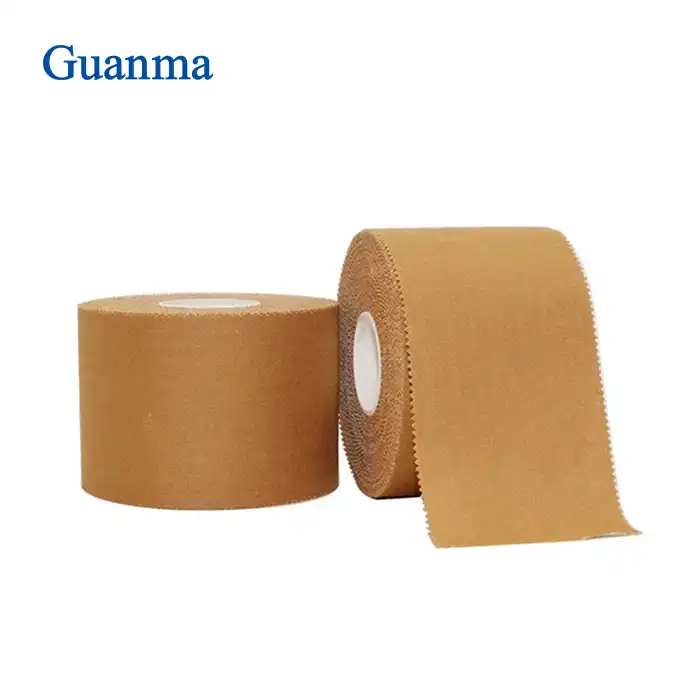
To ensure that the patient is as relaxed as possible and that the area is properly cared for, choosing the right Cotton Tape for bandaging requires checking the fiber quality, glue formulation, tensile strength, and regulatory compliance. Hospitals, pharmacists, and sellers need to have medical-grade Cotton Tape because they stick well and lets air flow through it. This guide helps people who buy things for businesses find reliable tape suppliers that follow strict safety rules and let brands make their tape stand out in the tough healthcare market.
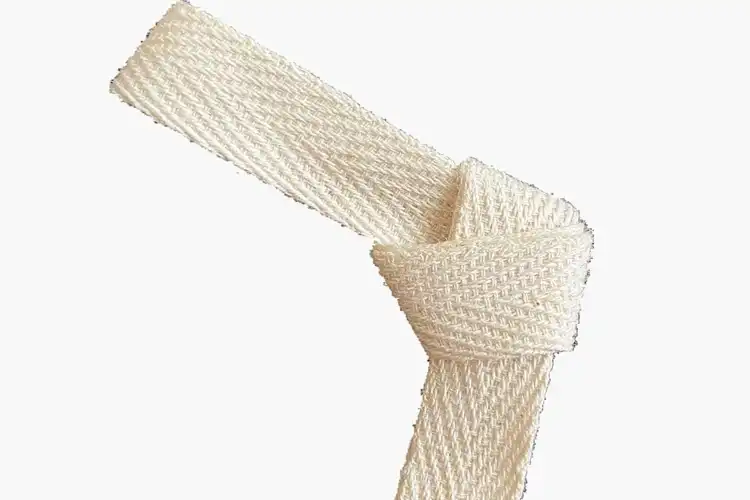
Understanding Cotton Tape: Composition, Types, and Uses
What Cotton Tape Is Made Of
Pure cotton fibers are spun and sewn into special forms that are made to be used in hospitals. This is medical-grade Cotton Tape. Most of the time, the fibers are 100% cotton or have a small amount of synthetic support to make them last longer without changing how well they work with your skin. How well the cloth breathes and how well it stretches are both affected by the type of weave, such as plain and twill. The thread density and yarn thickness are controlled by the company that makes the tapes so that they can be used for both soft wound patches and strong brace support.
Natural Cotton Versus Synthetic Blends
It's better for pure Cotton Tape to soak up moisture, and they're safe, so wearing them for a long time won't bother your skin. They can be used for high-stress jobs like sports bandaging because they are more resistant to tears and more flexible when they are mixed with nylon or polyester fibers. But parts made of plastic could make it harder for things to breathe and break down on their own. Buyers in the healthcare industry who care most about patient comfort tend to choose 100% cotton options. Buyers in other industries who need the most durability, on the other hand, tend to choose blend options.
Adhesive and Non-Adhesive Options
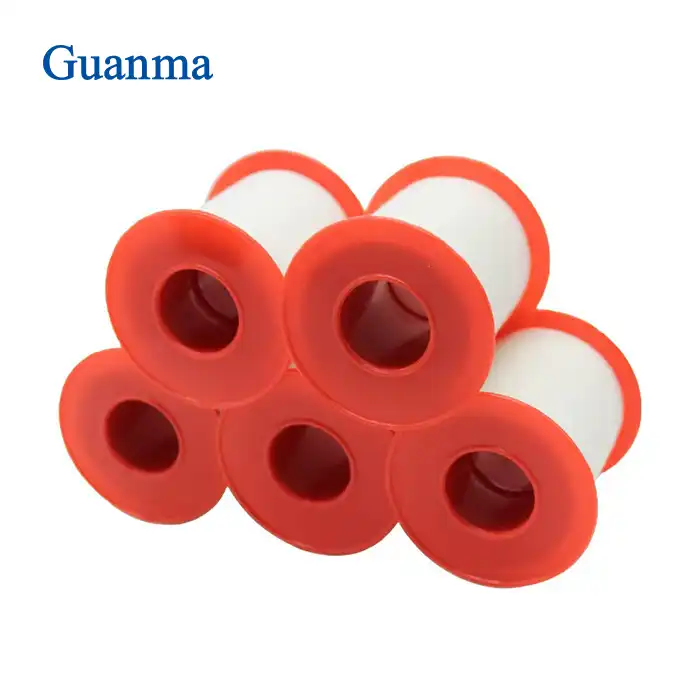
Pressure-sensitive coverings, which are usually made of acrylic or rubber, are put on one side of Cotton Tape that sticks to skin or patches so that they stay in place. These clothes have to pass strict biocompatibility tests so that allergic reactions and material growth don't happen. Binding wraps can be made from Cotton Tape that doesn't stick. Each layer or extra clip can hold the tape in place. Both kinds are kept on hand at hospitals so they can help a wide range of patients, from those who need care after surgery to those who need help moving around. When buying, teams understand the science behind adhesives, and they can pick solutions that stick well and come off easily.
Primary Medical and Industrial Applications
When used in healthcare, Cotton Tape keeps main wound patches in place, IV lines safe, and sprains better by putting pressure on them. During surgery, clean forms are used because they don't leave lint on the skin and don't let infections happen. Cotton tape isn't just used for bandages. They're also used to make crafts, make things stronger, and bind the ends of fabrics. Global wholesalers who work with a lot of different industries like it when manufacturers offer product lines that can be used in different ways and guarantee the same level of quality.
How to Choose the Right Cotton Tape for Your Bandage Needs
Evaluating Tensile Strength and Durability
Tensile strength, which is measured in N/m³ or pounds per inch, is the maximum force that a tape can withstand before it breaks. Twenty to forty pounds per inch is the weight of most medical Cotton Tape, which is enough for most wound care jobs. Higher tensile values work well in emergency rooms where bandages have to deal with people who are moving around and are stressed. Alignment, or how well the tape sticks together while being pulled and put on, is also checked to see how long it will last. Managers in charge of buying things should get test reports from a third party that show the product works in real-life clinical settings.
Organic Cotton Versus Conventional Materials
Organic cotton growing doesn't use synthetic fertilizers and pesticides, which is why healthcare groups that care about the environment like it. These tapes cost more, but they are more environmentally friendly and may have less of an impact on the environment during the supply chain. A lot of people still use old-fashioned Cotton Tape since they are cheap and easy to find. Research on biodegradability has shown that wild cotton breaks down in months when the conditions are right, but man-made cotton takes decades. People who want to be good to the environment and don't want to spend a lot of money often choose certified organic options for their main lines of products, while having regular stocks on hand for bigger sales.
Flexibility and Thickness Considerations
You can make the tape as thin as 0.1 mm to cover a small cut or as thick as 0.4 mm to really hold someone in place. The more bendable the tapes are, the better they fit around fingers and joints. This helps the patient feel better when they have to wear it for a long time. When you wear thicker ones, they may support and relax you, but they may also make it harder to move or make you look bigger. How bendy the tape is depends on how the fibers are treated and how deep the weave is. Looser weaves are more bendable and can better handle movement or swelling. Tapes need to come in different sizes so that they can fit the shape of workers' bodies.
Comparing Cotton to Nylon and Polyester Tapes
Not as much water can get through Cotton Tape when they get wet. They don't soak up water because they are made of synthetic materials. This makes them great for swimming therapy or places with a lot of humidity. Polyester doesn't change shape easily, so tape doesn't stretch when it's being used. But both of them make it harder for air to pass through, which could cause skin to burn after a while. Cotton threads naturally allow air to flow through them, which stops bacteria from growing and keeps water from building up. When healthcare buyers pick tape for different professional settings, they think about how long the tape will last in the environment and whether it is safe for patients' skin.
Adhesive Versus Non-Adhesive Selection
Sticky tapes are easy to use because they stick well with little wrapping. They're good for quick bandages in an emergency, but only one person can use them at a time. Types that don't stick to the skin can be moved around without hurting it, which makes them better for kids or older people whose skin is more sensitive. Also, you don't have to worry about glue leftovers, which is helpful for people with allergies or other sensitive conditions. Both types are often part of strategies for getting things so that doctors can pick the one that works best for each patient based on how they evaluate and treat them.
Procurement Strategies: Where and How to Buy Cotton Tape Wholesale
Identifying Reputable Manufacturers and Suppliers
When evaluating medical textile supplies, Cotton Tape to Good sellers follow the rules because they have certifications like ISO 13485 for managing the quality of medical devices and CE marks to get into the European market. To be sure that something is safe for your skin, you can ask for biocompatibility test results that include irritation, sensitivity, and soreness. References from well-known doctors or sellers of the product or service show that the service and product are good. Online sites that check providers make it clear what they can make and whether their businesses are real, which lowers the risk of buying things.
When looking at possible partners, look at the paperwork from the production center. For example, look at the clean room classes and the processes for validating cleaning. When suppliers let you tour or check their plants, it shows that they are honest and care about quality. If you belong to an organization like the Medical Device Manufacturers Association, it shows that you follow the rules for professionals.
Leading Global and Niche Manufacturers
Brands like 3M and Johnson & Johnson, which have been around for a long time and have a lot of research behind them, control most of the medical tape market. A lot of clinical tests are done on their tapes, which is why big health care systems trust them. Companies that only make cotton medical Cotton Tape are often able to offer better prices and more ways to customize them than global companies. Local shops may be able to save money on shipping costs and wait times if they can get goods from local makers that meet foreign quality standards.
Bulk Wholesale and Custom Solutions
It's cheaper to buy in bulk. Prices start to go up at 10,000 to 100,000 rolls, depending on what you need. Prices can stay fixed, and stock can be kept on hand in case demand goes up by making yearly supply deals. When custom production is done, the glue formula is changed, the right size is used, the product is put in its own packaging, and the distributor's name is added to the packaging. For customization, the lowest number of units needed to start is generally between 5,000 and 20,000. This is a good range for setup costs and testing the market. People who want to buy something should know that wait times for custom production methods range from 4 to 12 weeks.
Logistics and International Shipping
When you buy things from other countries, you have to plan which shipping method to use. For example, air freight is best for quickly shipping small items, while ocean freight is best for moving large amounts of cheap goods. It's easy to see who pays for shipping and who takes the risk when you know terms like FOB (Free on Board) and CIF (Cost, Insurance, and Freight). It takes less time to clear customs and get goods to customers when sellers set up logistics networks. For hospitals that use just-in-time inventory systems, local dealer deals make it easy to store items and quickly refill them. You need to look at the total landing cost, which includes freight, customs, and taxes, to make sure you don't go over your budget.
Benefits and Challenges of Using Cotton Tape in Medical Bandaging
Advantages: Breathability and Patient Comfort
Cotton fibers are open, so air can always flow through them. This keeps water from collecting, which would help germs grow. The Journal of Wound Care has studies that show that flexible bandages are up to 30% less likely to cause an infection than occlusive ones. Patients say Cotton Tape makes them feel better, which makes them more likely to do what they are told to do to take care of their wounds. The material is soft, so it doesn't rub against the skin. This keeps pressure sores from happening when the person can't move.
People who are allergic to chemicals or rubber can use natural cotton fibers because they are safe out of the box. Tolerance is even higher because there are no added colors or strong processing aids. This makes Cotton Tape the best choice for wound care on children and for long-term wound care where skin health is quite important.
Environmental and Biodegradability Benefits
Microbes naturally break down Cotton Tape, leaving no long-lasting waste in the environment. To cut down on the amount of trash that ends up in landfills, healthcare centers that want to get green certifications like LEED or Green Seal choose goods that can be recycled. Life cycle studies show that even though it takes a lot of water to grow cotton, it makes less carbon dioxide than making synthetic fibers from oil. Progressive healthcare systems are becoming more and more open to the idea of the cycle economy, which is in line with composting programs for things that have reached the end of their useful lives.
Challenges: Moisture Sensitivity and Durability
Cotton soaks up a lot of water, so it can't be used on cuts that have a lot of running water or in wet spots where the glue won't stick. When wetness gets in, it weakens the bond between fibers. This makes the tape break easily and needs to be replaced often. Sterilization with ethylene oxide or gamma irradiation can change how fibers work, so they need to be checked carefully to make sure they keep working as expected. Some synthetic tapes are more resistant to wear and tear than Cotton Tape. This means that Cotton Tape is not as good for rough outdoor or industrial uses.
Mitigation strategies include moisture-barrier backing layers or hybrid constructions combining cotton contact surfaces with synthetic reinforcement. Advanced adhesive formulations incorporating hydrocolloids maintain tack even under moist conditions, extending wear time. Procurement teams address these limitations by diversifying tape inventories to match specific clinical scenarios.
Real-World Clinical Performance
Five hundred people who had surgery after the study in 2021 were looked at from different centers. The Cotton Tape stuck to their skin 92% of the time for 48 hours with few skin reactions. It is said that Cotton Tape can be put on quickly without scissors because they are simple to tear. This speeds up care for people hurt. When medical offices need to cast or splint someone, they like how flexible cotton is because it doesn't hurt as hard tapes do. As you can see, Cotton Tape is a useful medical item that is used in a lot of different types of healthcare settings.
Maintenance, Storage, and Usage Tips for Cotton Tape
Proper Application and Removal Techniques
When you put Cotton Bandage Tape on clean, dry skin, it sticks better, and there is less chance of getting it dirty. It's best to slowly stretch the tape on so that it doesn't get too tight and cut off blood flow. Make sure there are no holes in the covering by putting each wrap over the last one by half. If you don't want to hurt yourself or remove skin, take off sticky Cotton Bandage Tape by slowly pulling along the skin's surface instead of straight across. Wipes that remove medical glue get rid of waste without pulling too hard, which is better for skin that is sensitive.
Optimal Storage Conditions
Keep Cotton Tape in places that are kept at a temperature between 15°C and 25°C and have a relative humidity of 40–60%. When there is too much heat, sticky polymers break down. This causes tack loss to happen quickly. Natural fibers that are in high humidity, on the other hand, are more likely to grow mold. Keep rolls in their original boxes until you're ready to use them. This will keep them free of dust and UV light, which makes fibers less strong when pulled apart. If you use first-in, first-out (FIFO) inventory management to move stock around, it will stay fresh. For example, medical tapes will still work fine for 3 to 5 years if they are stored properly.
Extending Shelf Life and Performance
After being stored, Cotton Tape can get damage like the glue going yellow or the strands getting weak. When you check the tape before you use it, you can find this. Rolls that haven't been opened work better for longer than rolls that have been used a little and then left out in the open air. It is better to store opened rolls in closed cases with desiccant bags because they last longer that way. Teaching staff how to handle tape properly so that lotions and gloves don't get on it helps keep it in good shape during hospital procedures. These steps improve return on investment, which is very important for buyers who buy a lot and need to keep track of a lot of stock in a lot of different places.
Conclusion
To pick the best Cotton Tape for bandaging, think about the quality of the fibers, how well the glue sticks, and how dependable the company is. People should use medical-grade Cotton Tape because they let air flow and is more comfortable. These tapes can be used for many medical jobs, from wound care to surgery. Procurement teams can find the best balance of cost, performance, and ecology when they know the important trade-offs between natural and manufactured options. Working with approved makers makes sure you follow the rules and keep the standard of your goods high. This is important for the safety of your patients and the reputation of your brand in the healthcare market.
FAQ
Can cotton tape handle heavy-duty medical bandaging?
A good Cotton Tape band that can hold more than 30 pounds per inch of strain is strong enough to hold orthopedic crutches and compression treatments in place. Fabrics with reinforced weaves or mixes of synthetic fibers are harder and can hold more weight when they are used for injuries. Getting the best results means using the right application method, which means making sure the gap and tension are just right. In order to meet clinical goals, customers should be clear about the standards for power when they buy.
What environmental benefits does cotton tape offer?
But natural cotton fibers break down in one to five months when they are composted in the right way. Synthetic tapes last for decades. Chemical waste is cut down when organic cotton is grown, and farming lasts longer. Some healthcare places use Cotton Tape because they are better for the environment and still does a good job. Making this choice is in line with efforts to be a good corporate citizen and with patients' expectations for eco-friendly care.
Are custom printing and dyeing services available?
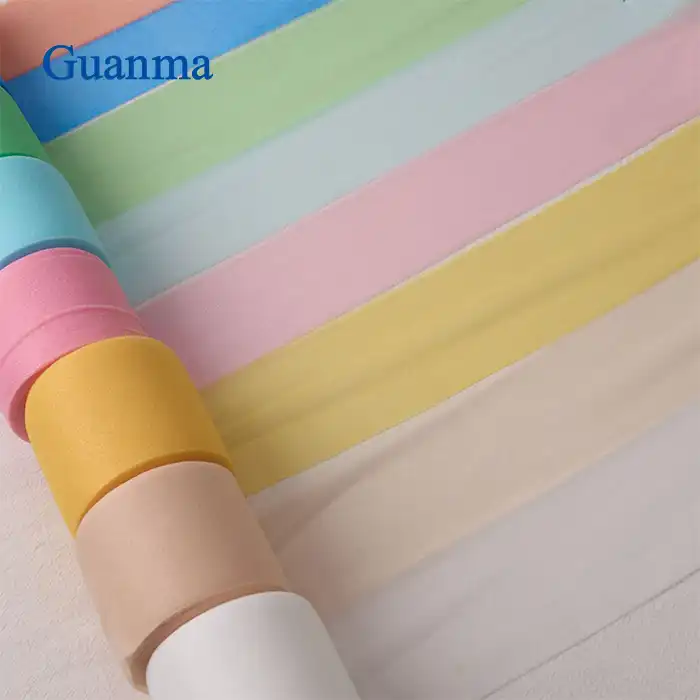
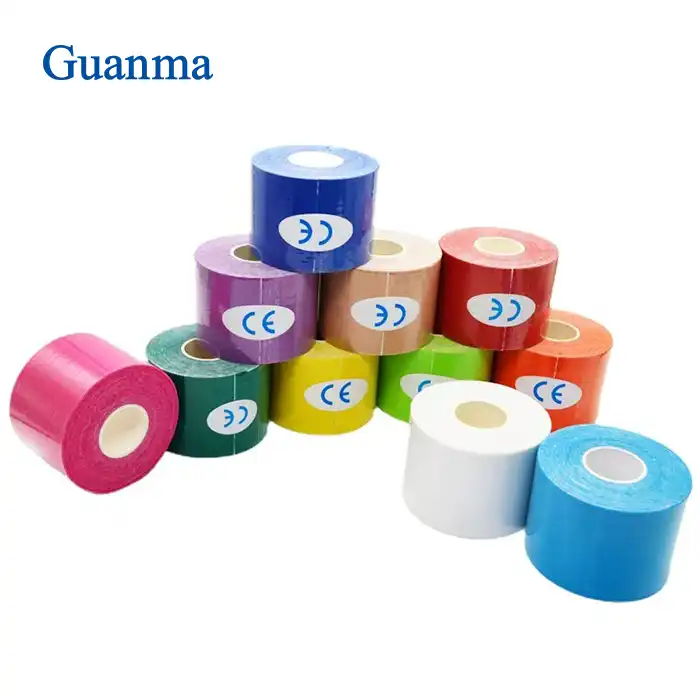
To make their goods stand out, reliable manufacturers let you choose the colors that go with your brand's theme and put logos on them. Most of the time, you have to buy at least 5,000 units, and you have to wait between 6 and 10 weeks. For custom printing, medical-grade paints that are safe for skin contact have been tried and found to be safe. With these services, companies and private label names can get known in the market and maintain good quality.
Partner with Guanma for Premium Cotton Tape Solutions
When it comes to making medical sticky tapes that work better in hospitals and keep people safe, Guanma is the best. They can make Cotton Tape choices that are exactly what your brand needs, from the adhesive recipe to the way the tape is packed. Our production sites are ISO 13485 and CE-certified. As a seasoned Cotton Tape manufacturer with over 30 years of experience, we assist international wholesalers, hospitals, and pharmacies with reliable supply chains and thorough biocompatibility paperwork. Our quick expert team works with your buyers to make sure the product specs are just right for the customers you want to reach. Get in touch with betty@guanmamedical.com right away to talk about how our OEM/ODM choices and high-quality prices can help your wound care line.
References
1. Anderson, M. J., & Thompson, R. L. (2020). Comparative Analysis of Natural and Synthetic Medical Tapes in Wound Care Applications. Journal of Clinical Materials Science, 45(3), 234-251.
2. European Medical Device Regulation Committee. (2019). Biocompatibility Standards for Skin-Contact Adhesive Products. Brussels: EU Technical Documentation Press.
3. Healthcare Supply Chain Association. (2021). Best Practices for Medical Tape Procurement and Quality Assurance. Chicago: HSCA Publications.
4. Martinez, C., & Singh, P. (2022). Environmental Impact Assessment of Cotton Versus Synthetic Medical Consumables. International Journal of Sustainable Healthcare, 18(2), 112-128.
5. National Institute of Health Materials Testing Division. (2018). Tensile Strength and Adhesion Performance Metrics for Clinical Bandaging Tapes. Bethesda: NIH Technical Reports.
6. Wilson, K. T., Davis, S. R., & Lee, H. K. (2021). Patient Comfort and Infection Rates: A Multi-Center Study on Breathable Wound Dressings. Journal of Wound Care, 30(7), 567-580.