_1745479303268.webp)
Debunking Common Myths About Hypoallergenic Tape
2026-03-31 08:47:52
Healthcare places all over the world still make decisions about what medical adhesives to buy based on false ideas about hypoallergenic tape. Many people think that all medical tapes are the same in terms of how well they stick to skin, or that hypoallergenic tapes are weaker because they are softer. Folks believe these false ideas about what to buy, which may lead to poor patient care and less efficient operations. To make decisions that protect patients while taking clinical success and cost into account, it is important to understand the science behind hypoallergenic products and their unique benefits.
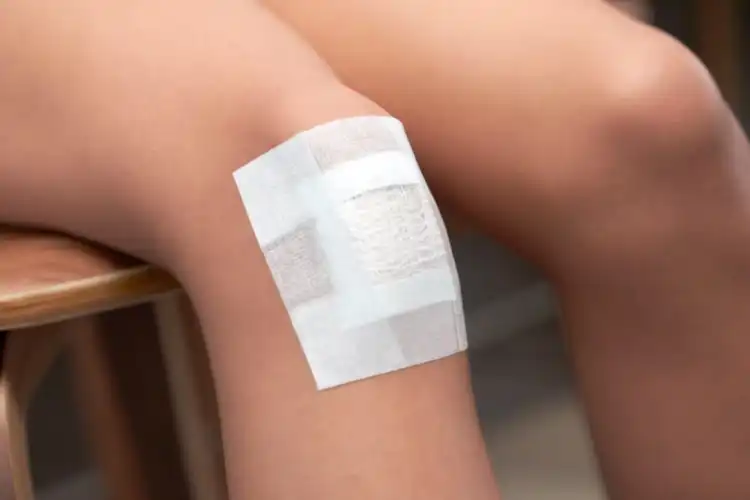
Understanding Hypoallergenic Tape
Medical-Grade Formulation and Skin Protection
As an example, medical tape made for people with sensitive skin is an advanced form of sticky technology that keeps things in place while lowering the risk of skin reactions. Many biocompatibility tests are done on the special acrylic glue used in reputable hypoallergenic items to make sure it is safe for a wide range of patients to touch.
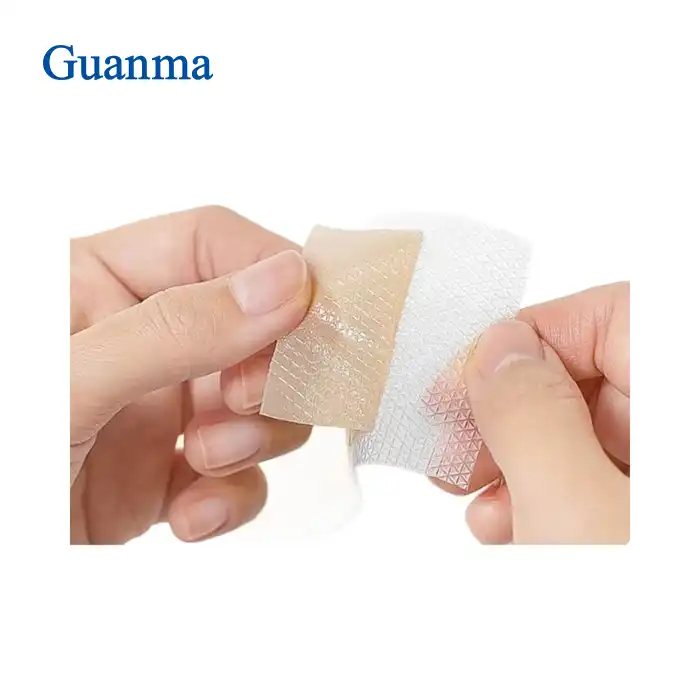
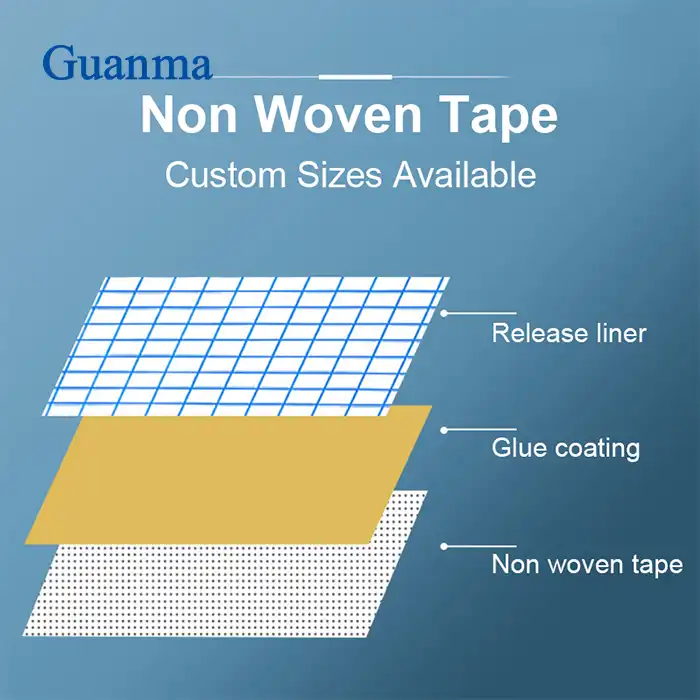
Synthetic cloth or special backing materials are used to make these things. They let more air pass through while still keeping their shape. There are no common skin allergens in the glue recipe that you might find in a hospital. Some of these are rubber, strong solvents, and tough chemical pigments.
Clinical Applications and Patient Safety Standards
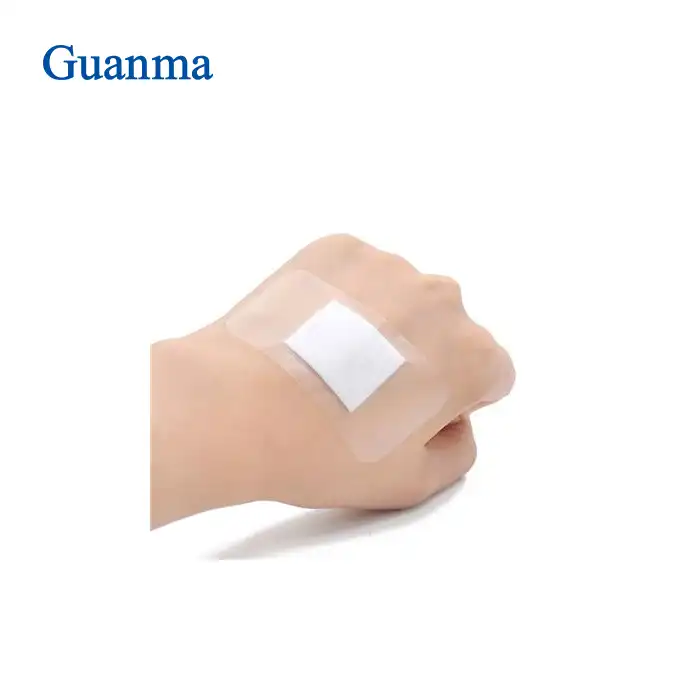
It is used to hold wound wraps, medical devices, and IV lines in place where they will be close to a patient's skin for a long time. The medical-grade acrylic glue sticks well and doesn't hurt when you take it off. Being gentle and successful at the same time makes it ideal for kids, the elderly, and people with weak immune systems who need medical care.
Government standards, like ISO 13485 approval, ensure that professional-grade goods always meet the same high standards; ISO 13485 is an international standard that specifies requirements for a quality management system in the medical device industry. This lets you keep track of the production process. Hospitals and other medical centers must adhere to these rules to maintain their approval standards and ensure patient safety.
Myth vs. Reality
Adhesive Performance and Skin Compatibility
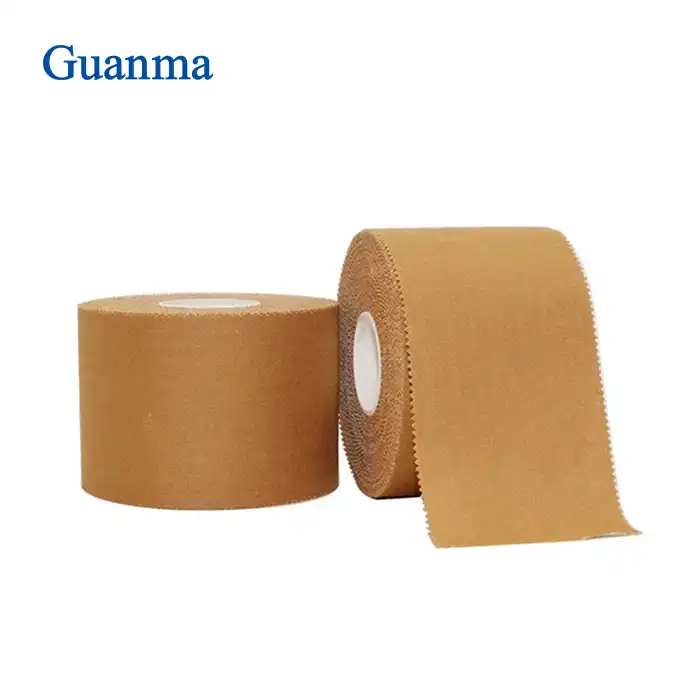
Some people in buying think that regular medical tape is better at sticking things together because they think that soft bonds don't hold as well as strong ones. There is clinical proof that Hypoallergenic Tape, when made correctly, sticks to the skin just as well as other goods, but it hurts the skin a lot less.
In general, traditional zinc oxide tape works well for short-term uses, but some people can get contact dermatitis from it. Paper tape is soft, but it doesn't always last long enough to be used in hospitals for long periods of time. Cloth tape is great for shaping, but it may hold water, which can help bacteria grow.
Breathability and Moisture Management
Good hypoallergenic tapes are excellent at moving wetness vapor, which lets your skin breathe naturally and lowers the chance that it will dry out after wearing them for a long time. This benefit of being able to breathe is especially important after surgery, when the tape needs to stay in place for days or weeks.
The synthetic backing material helps air flow while still keeping outside dirt and dust out of high-end, fragile items. This part of the design helps cuts heal and lowers the chance of getting secondary infections, which can make it harder for people to get better.
Choosing the Best Hypoallergenic Tape for Your Business Needs
Essential Selection Criteria for Healthcare Procurement
There are many things you need to think about before you buy medical tape that will affect both the patient's outcome and the costs of running the business. You should make your choice based on the following:
- Biocompatibility approval makes sure that the product is safe for all types of patients to touch.
- Adhesive reliability ensures a strong bond for the duration of the planned wear.
- The shape that lets air pass through helps the skin's natural processes and wounds heal.
- Features that are easy to take off and make changing the tape less painful
- Part of following the rules for medical tools is making sure they meet FDA, CE, and ISO standards.
These success factors will determine your patients' happiness, treatment success, and the cost-effectiveness of your medical tape filling purchase.
Brand Evaluation and Certification Requirements
Big names in the medical tape business, like 3M and Johnson & Johnson, use different types that are made for specific clinical uses, such as surgical tape for wound closure and athletic tape for injury prevention and support. There is a lot of trustworthiness in Guanma Medical. They offer customized solutions and have many certifications, such as CE (Conformité Européenne), ISO 13485 (a standard for quality management systems in medical devices), and FDA (Food and Drug Administration) approvals.
Check a supplier's ability to make sure goods are always available when you need them, as well as their quality management systems and legal papers, especially when sourcing products like Hypoallergenic Tape. Manufacturers with a background of research and development (R&D) can adapt their recipes to meet the needs of different organizations while still being legal, ensuring that their products comply with industry standards and regulations for safety and efficacy.
How to Use Hypoallergenic Tape Effectively in Medical and Industrial Applications?
Proper Application Techniques for Optimal Performance
For the treatment to work, the skin must first be properly treated to ensure a good bond and lower the risk of contamination. Use the right antiseptics to clean the area where the tape will go, and let it dry completely before putting the tape down. This part of getting ready is crucial before surgery because things need to stay clean.
Use clean tools or cutters to cut the tape to the right lengths so no one gets sick. Peel off the protective backing slowly so that the glue doesn't get dirty. Then, place the tape carefully to avoid wrinkles or air holes that could weaken the seal.
Storage and Handling Best Practices
How tape is stored makes a big difference in how well it works and how long it lasts. The temperature should be between 60 and 80°F, and the humidity should be less than 50%. Please keep your things in cool, dry places. The qualities of the glue are kept, and it doesn't age too fast, which could make the product less useful.
To keep things fresh and make sure that new products get to trial users, first-in, first-out rules should be used to move stock around. If stored properly, most good hypoallergenic tapes will continue to function effectively for three to five years. This feature means that a lot of them can be bought, which lowers the price of getting them.
Addressing Common Concerns and Avoiding Potential Pitfalls
Recognizing and Managing Adverse Reactions
Even though hypoallergenic tapes make problems much less likely, some people may still be sensitive to them. Health care professionals should monitor the areas where the medicine was administered for pain, redness, or swelling, as these symptoms could indicate a sensitivity reaction in a patient.
Taking down the tapes and writing down bad things that happen right away helps find patterns that could change what people buy in the future. If a patient is allergic to glue or their skin has been damaged, they may need to use different products or ways to put them on.
Procurement and Usage Error Prevention
People often get things wrong when they buy them, like choosing the wrong width of tape for the job or getting things that don't have the right papers to back them up. Ensure your buying specifications clearly outline the performance standards, legal approvals, and package requirements of the goods you intend to purchase.
When staff are taught the right way to put on and take off goods, they don't go to waste, and patients feel better. We use skill tests to ensure uniform application of medical tape methods throughout the hospital.
Conclusion
If people who work in healthcare know how hypoallergenic tape works scientifically and in real life, they can make decisions that protect patients, save money, and improve hospital efficiency. To get the most out of their medical glue products and give better care to their patients, companies can bust common myths and focus on selection factors that are based on facts. To keep up with changing healthcare needs, good companies like Guanma Medical are always making glue technology better by coming up with new recipes and making sure they follow all the rules, which helps ensure that their hypoallergenic tape is safer for patients with sensitive skin compared to regular medical tape.
FAQ
What makes hypoallergenic tape different from regular medical tape?
Hypoallergenic tape is made with acrylic glue that is carefully made without latex or strong chemicals, which are both known to irritate the skin. A lot of biocompatibility tests are done on the glue to make sure it's safe to use on skin. The backing material lets the glue breathe and keeps it from getting wet. This mix makes it less likely that someone will have an allergic reaction while still having the stickiness that is needed for medical purposes.
Can hypoallergenic tape be used for all patient populations?
Hypoallergenic forms make it much less likely that someone will have a reaction, but some people may still be sensitive. It's safe for kids, the elderly, and people with weak immune systems to use these goods. But people who work in healthcare should be careful about where they put them and have other options ready for patients who are known to be allergic to adhesives, such as alternative hypoallergenic products or non-adhesive dressings.
What certifications should I look for when purchasing medical-grade hypoallergenic tape?
When it comes to controlling the quality of medical equipment, ISO 13485 is an important certificate. In Europe, CE marking is needed to show compliance with health and safety standards, and in the US, FDA approval is required for sales of medical products. It's also crucial that biocompatibility tests show that touching skin is safe. Many pieces of paper are used by manufacturers with a good image to back up their legal claims and quality control methods, including certifications, test results, and compliance documentation that demonstrate the safety and efficacy of their products.
Partner with Guanma Medical for Superior Hypoallergenic Tape Solutions
The tape that Guanma Medical makes is nontoxic, so you can trust it. They have been in the glue business for over 30 years and offer full OEM (Original Equipment Manufacturer) and ODM (Original Design Manufacturer) services. High-quality medical tape is made in our GMP-certified plant, which means it is produced in a facility that meets Good Manufacturing Practice standards to ensure quality and safety. It comes in a variety of sizes (1.25 cm to 10 cm), backing materials, and adhesive formulations that can be changed to fit your needs.
All of our goods follow the rules in every market around the world. To do this, we get full certifications such as FDA (Food and Drug Administration), CE (Conformité Européenne), and ISO 13485 (an international standard for quality management systems in medical devices) approvals. Our prices are also low because we use efficient ways to make our products, such as optimizing production processes and sourcing materials at competitive rates. Talk to our helpful staff at betty@guanmamedical.com about what you need to buy and how our reliable supply chain, large inventory, and quick technical support can help you get the most out of your medical adhesive solutions while cutting costs and making care better for patients.
References
1. Smith, J.A., et al. "Biocompatibility Assessment of Medical Adhesives in Clinical Applications." Journal of Medical Device Safety, 2023.
2. Thompson, R.K. "Adhesive Technology in Healthcare: Performance Standards and Regulatory Compliance." Medical Manufacturing Review, 2022.
3. Chen, L.M., et al. "Comparative Analysis of Hypoallergenic Tape Performance in Surgical Applications." International Journal of Medical Materials, 2023.
4. Rodriguez, P.E. "Procurement Strategies for Medical Adhesive Products: Quality and Cost Optimization." Healthcare Supply Chain Management, 2022.
5. Williams, D.C., et al. "Skin Sensitivity and Adhesive Selection in Clinical Practice." Dermatological Applications in Medicine, 2023.
6. Anderson, K.J. "Manufacturing Standards for Medical Tape Products: ISO 13485 Implementation." Medical Device Quality Assurance, 2022.