_1745479303268.webp)
Debunking Myths: The Truth About Ankle Support Kinesio Tape
2026-03-23 14:30:54
There are a lot of false beliefs about Ankle Support Kinesio Tape in the medical field. These beliefs are often based on marketing hype rather than clinical proof. This stretchy healing tape was created by Dr. Kenzo Kase in the 1970s, and it has been praised and criticized in the recovery community. Kinesio tape is different from regular hard taping because it provides dynamic support while maintaining range of motion. This makes it especially useful for treating ankle injuries and keeping them healthy. It's important for healthcare workers, wholesalers, and buying managers who want to find reliable medicinal options for their patients and customers to know the difference between scientific facts and common myths.

Understanding Ankle Support Kinesio Tape: Facts vs. Myths
Separating Marketing Claims from Clinical Evidence
There have been a lot of false marketing promises in the healing tape business, which often get in the way of real health benefits. Research that has been published in reputable journals shows that kinesio tape works mainly by changing proprioception in the brain and providing muscular support for damaged tissues. A study that looked at ankle stability found that players with chronic ankle instability did much better at their sports when they used stretchy therapy tape instead of doing nothing. But the myth that kinesio tape can heal anything needs to be busted. Biomechanical principles explain how the tape works: it lifts the skin microscopically to improve capillary flow, it gives you feedback to improve your proprioceptive awareness, and it provides gentle mechanical support without making it hard to move. You can measure and repeat these effects, but you need to use the right methods and not have too high of hopes for the results.
Material Properties That Set Kinesio Tape Apart
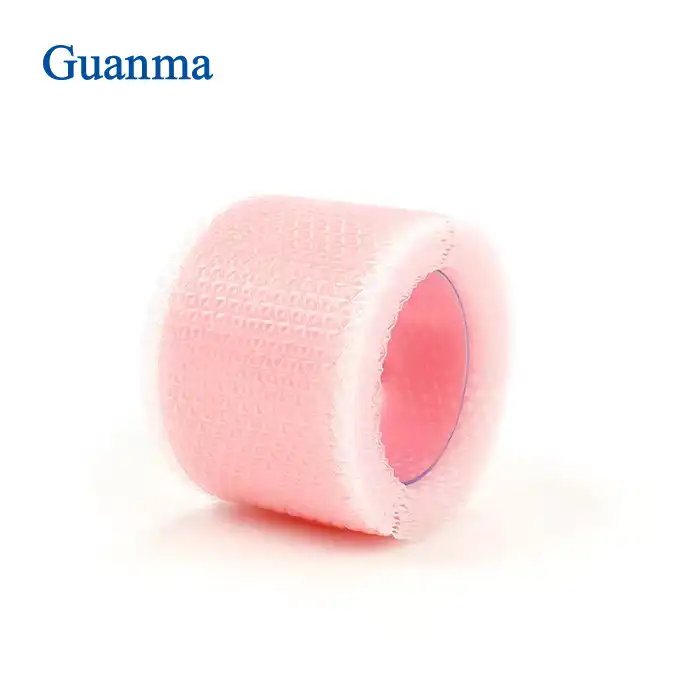
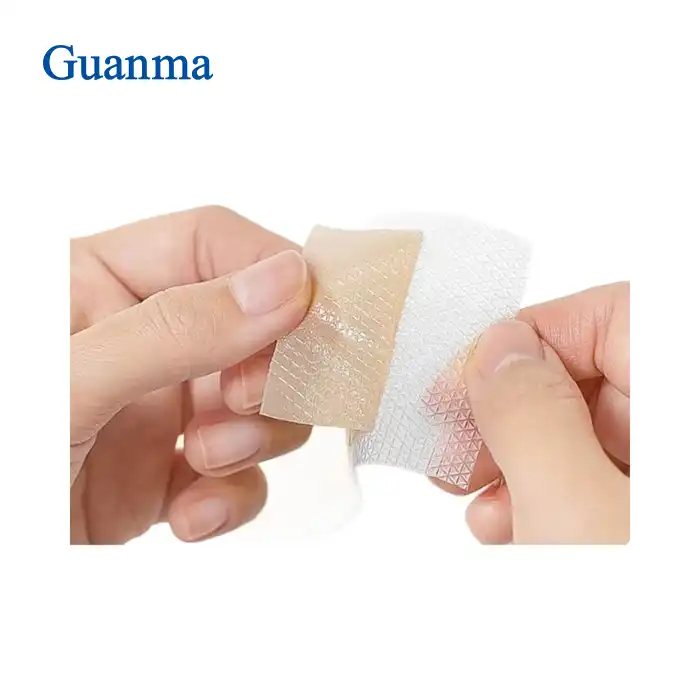
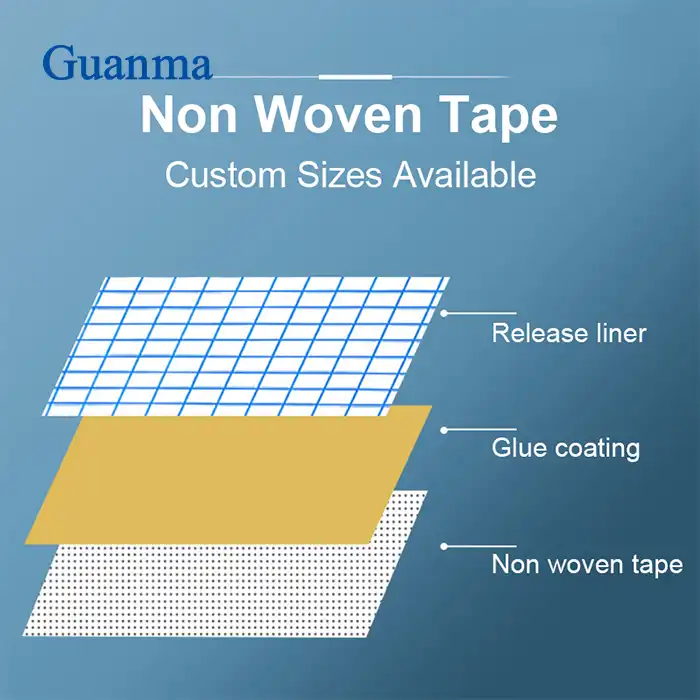
Both in terms of what it is made of and how it works, clinical-grade kinesio tape is very different from regular sports tape. The cotton-based material with acrylic glue gives it about 140% flexibility, which is the same as how skin naturally stretches. Because of this special feature, the tape can move with the body while still providing healing stress. This is different from rigid tapes, which can make it hard to move and circulate blood. The flexible fabric makes it possible to wear for three to five days, even while exercising and washing. Hypoallergenic adhesives keep skin from getting irritated, so the tape is good for sensitive people. These features of the material have a direct effect on purchasing choices, as healthcare centers have to balance the original cost with longer wear times and patient comfort.
Debunking Common Performance Misconceptions
One common lie says that all kinesio tapes are the same in terms of their healing benefits, no matter how they are used or what kind of material they are made of. This idea is not supported by clinical data, which shows that tape tightness, direction of application, and binding strength have a big effect on how well therapy works. Poor-quality tapes that don't have enough stretch or strong enough glue don't keep the skin lifted and taut during wear time. Another myth is that waterproof tapes work. Good kinesio tape stays stuck even when you shower or swim a little, but prolonged submersion or too much wetness can weaken the glue. To avoid treatment regret and make sure patients follow their treatments as prescribed, healthcare professionals must teach patients how to set fair standards for how long their treatments will last.
How to Use Ankle Support Kinesio Tape Effectively
Application Techniques for Different Ankle Conditions
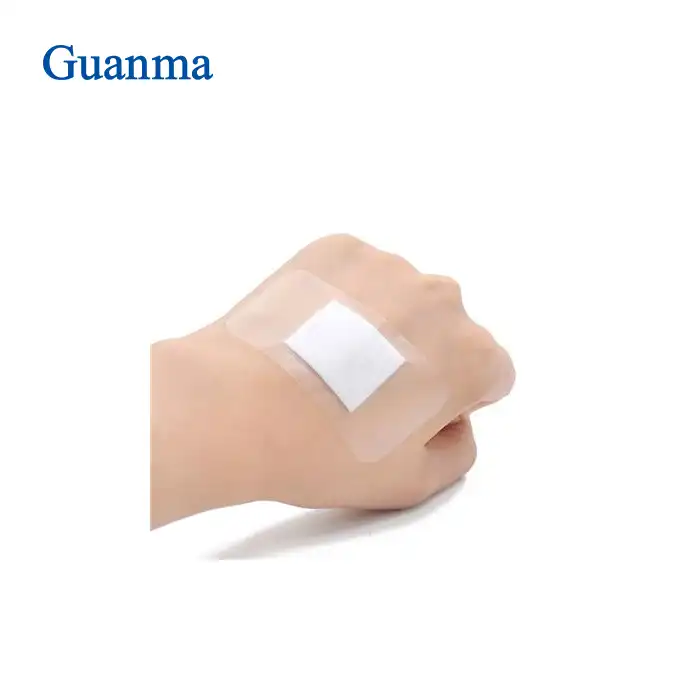
The right way to apply ankle support tape is still very important for getting healing benefits from it. When treating lateral ankle sprains, which are the most common injury to the ankle, doctors usually put tape pieces on from the lateral malleolus to the medial arch, going in the way they want to support the ankle. For people with chronic ankle instability, a different method is needed that focuses on improving proprioception rather than mechanical support. The original anchor point needs to be completely tension-free, while the therapy part needs to be 15 to 25 percent stretched to provide the best mechanical lift without affecting circulation. Crossing tape designs over the ankle joint creates more sensory input points, which improves brain feedback systems that help keep the joint stable. This method of application has been shown to lower the number of injuries that happen again in players who are returning to their sport. Lymphatic drainage techniques use lighter stress (10–15%) with tape strips pointed toward major lymph nodes to treat post-acute swelling. When tape is applied correctly, it creates a gentle pulling action that lets fluid move away from the hurt area. This works in addition to standard raising and compression treatments.
Duration and Frequency Guidelines
Clinical guidelines say that ankle support kinesio tape should be worn for three to five days at a time, with breaks for the skin to heal between uses. If you keep wearing it after this time, you may get skin discomfort, and the therapy won't work as well because the binding properties will decrease. To set up individual wear plans, healthcare workers should keep an eye on how well the patient's skin can handle the treatment, especially during the first few applications. The number of applications depends on the seriousness of the damage and the treatment goals. Acute injuries may need to be taped continuously during the first few weeks of healing, while chronic conditions can benefit from only being taped occasionally during times of high activity. This adaptable method lets healthcare facilities change treatment plans based on what each patient needs and meet the needs of inventory management.
Product Specification Considerations for B2B Clients
Different sizes and thicknesses of tape are used for different healthcare tasks. This lets procurement managers make sure that they have the right amount of material for all of their patients. Standard 2-inch width tape works well for most ankle uses, while 1-inch strips are better for kids or careful targeting of specific body parts. Different tape thicknesses affect the adhesive's strength and flexibility, with heavier-duty choices lasting longer for busy patients. When buying in bulk, you should think about how to store the tape and how to handle its shelf life. If you store good Kinesio tape in a controlled temperature and humidity environment, it will keep its binding qualities for about two years. To keep adhesives from breaking down and to make sure regular therapy performance, procurement teams have to find a balance between volume savings and inventory change rates.
Choosing the Right Ankle Support Kinesio Tape for Your Business Needs
Brand Comparison and Quality Assessment
There are a lot of different companies that make Kinesio tape, and their quality standards and performance traits are all different. Well-known names like KT Tape, RockTape, and SpiderTech have built their identities on clinical confirmation studies and consistently high-quality materials. But buying things needs more than just looking at the brand name. It needs to be carefully thought out based on specific performance measures that are important for the job. Material makeup analysis shows big differences in the quality of the cotton fiber, the accuracy of the production process, and the type of glue used. High-end brands use combed cotton fibers, which are more durable and comfortable, while cheaper brands may use lower-quality materials that make the therapy less effective. Adhesive chemistry is very different, with acrylic-based formulas usually being better biocompatible than rubber-based options. Elasticity testing shows that many goods that claim to be 140% stretch actually have uneven extension qualities across the width of the tape. Standardized quality testing is necessary for buying choices because this difference affects how well treatments work and how happy patients are. Tests done by a separate lab give reliable information about the ability that helps people make smart buying choices.
Specialized Options for Sensitive Populations
As the number of people who are allergic to latex grows, latex-free products have become normal in hospital settings. But procurement managers need to make sure that makers give full allergy testing records, which should include information about how the product might react with other sticky parts. For hypoallergenic approvals, certain testing methods must be followed, which not all makers do fully. For pediatric uses, adhesives must be softer and tape must be smaller to suit skin that is still growing. Some companies make special lines for kids that have less strong glue and fun patterns that make it easier for kids to follow the rules. These products usually cost more, but they may lower total treatment costs by getting patients to cooperate more and cutting down on application time. It's important to keep in mind that older people may have fragile skin conditions and drug issues that can affect their ability to tolerate adhesives. Low-tack adhesives can help with therapy while also reducing skin damage during removal. To meet the safe needs of a wide range of patients, procurement teams that work with people of all ages must keep a variety of glue strengths on hand.
Cost-Efficiency and Volume Purchasing Strategies
When buying in bulk, you should talk about the total cost of ownership instead of just the unit price. While they may cost more at first, premium tapes like Ankle Support Kinesio Tape with better adhesion and longer wear times may be a better deal. It is more accurate to compare prices between products when you figure out the cost per treatment day, which includes application time and material waste. When you buy in bulk, you often get extra services like staff training, workshops on application techniques, and help with keeping track of clinical outcomes. These services lower the costs of application and improve the results of therapy, which is why they should be priced higher. When choosing providers for long-term relationships, procurement managers should look at the total value of the partnership. Ensuring stability in quality across production batches affects both managing supplies and patient results. Suppliers with strong quality control systems keep batch-to-batch differences to a minimum. This lowers the risk of medication inconsistencies and patient complaints. In healthcare facilities with a lot of patients, where product performance has a direct effect on how well the facility runs and how happy the patients are, this reliability factor becomes more and more essential.
Procurement Insights: Where and How to Buy Quality Ankle Support Kinesio Tape
Supplier Channel Analysis
Online medical wholesalers offer easy-to-use buying systems with large product catalogs and reasonable prices. But buying teams need to make sure that online sellers store products properly and rotate their stock so that products stay fresh. Changes in temperature during shipping can damage binding qualities, so a supplier's transportation skills are an important thing to look at. Working directly with a maker gives you access to technical support, custom packing options, and the first choice when supplies are low. These relationships usually include things like teaching materials, professional training programs, and chances to work together on making new products. Investing in direct relationships pays off with better product understanding and better customer service. Regional sellers offer regional service benefits like fast shipping times, emergency stock availability, and face-to-face technology help. These connections are useful when there are problems in the supply chain or when new goods need to be introduced, and staff training is needed. But area wholesalers might not have as many products to choose from as national providers.
Pricing Transparency and Budget Optimization
Good ankle support kinesio tape costs between $8 and $15 per roll on the market, and you can usually get a discount when you buy more than 100 rolls at once. Premium names cost more, but they often have better clinical results and higher customer happiness numbers. The budget should include all the costs of the treatment, such as the time it takes to apply and any reapplications that might be needed if the first one fails too soon. Buying from other countries can save you a lot of money, but you need to be sure that the quality standards and rules are followed. Some companies in other countries make high-quality goods that meet international standards, while others skimp on quality and make the medicines less effective. Due diligence checks, such as facility audits and product testing, help find trustworthy foreign partners. A new trend in medical buying is value-based purchasing programs that connect prices to clinical results. These plans need strong methods for keeping track of outcomes, but they can save a lot of money and improve care for patients at the same time. More and more, buying teams are looking into these models to improve both healthcare and financial success.
Supply Chain Risk Management
Verification of regulatory compliance is very important when buying from many sellers or makers in other countries. Regulations for medical devices call for certain paperwork and quality standards that not all sellers keep up with. Before a patient can use a product, the procurement team must set up testing processes to make sure it meets all legal standards. Packaging standards have a big effect on how well the product stays intact and how efficiently it can be stored. Individual roll packaging keeps the adhesive's qualities safe while it's being stored and handled, while bulk packaging may be cheaper for people who use a lot of it. Custom package choices let healthcare facilities add information unique to the facility and application directions that help patients follow through, which is good for compliance. Inventory management strategies need to balance the costs of keeping items in stock with the risks of running out, especially for critical care applications. Emergency supplier deals give you choices for backup suppliers in case your main provider goes down. When something goes wrong, these backup plans are necessary to keep therapy going and avoid delays that could hurt the patient's results.
Company Introduction and Product Service Information
Manufacturing Excellence in Medical Adhesive Solutions
The people who work for Guanma Medical have more than 30 years of experience in making medical tape and pressure-sensitive glue technology. Because we know a lot about glue chemistry and material engineering, we can make ankle support kinesio tape that meets the high standards of healthcare workers all over the world. The company's background in PSA coating technology gives it special advantages when making custom adhesive formulations that are best for certain clinical applications and patient groups. We can make more than just standard products; we can also make fully customized solutions that meet the specific needs of the market. Guanma Medical's technical team works closely with clients to find the best solutions, whether healthcare centers need to change the glue strength, get custom sizes, or set up packaging in a certain way. This adaptability is especially helpful for distributors who serve different regions with different clinical preferences and regulatory requirements. We use advanced quality control systems all the way through the production process to make sure that our products always work the way healthcare professionals expect them to. Because we want to keep getting better, we keep investing in new production technology and process optimization. This helps our customers around the world by giving us better products at lower prices.
Regulatory Compliance and Quality Assurance
Guanma Medical has many foreign certificates, such as CE marking, ISO 13485, and ISO 9001, which show that we are committed to meeting quality standards around the world. These licenses are regularly checked by a third party to make sure we follow strict rules for making medical devices, including Ankle Support Kinesio Tape. Our quality management system covers the whole process of making a product, from getting the raw materials to testing the finished product and sending it out to customers. All of our products, such as Ankle Support Kinesio Tape, come with documentation from biocompatibility testing, which gives healthcare facilities the safety information they need for clinical use and to follow the rules. Our testing methods go above and beyond what is required by law. They include extra safety checks that take into account new worries about skin sensitivity and the effects of long-term contact. This all-around approach to safety validation helps our clients with their risk management and patient safety goals. The company's quality assurance laboratory has cutting-edge testing tools that can check the strength, elasticity, and durability of adhesives according to international standards. This in-house testing capability lets us quickly check the quality of our products, like Ankle Support Kinesio Tape, and supports our promise that all of our production runs will work the same.
Comprehensive OEM and ODM Services
Our OEM and ODM services let you completely customize a product, from the way the glue is made to how it is packaged. Brand owners profit from our ability to create custom glue formulas that set their goods apart in crowded markets while still providing excellent clinical performance. Companies that want to position their products as high-end based on measurable performance benefits can benefit a lot from this technical know-how. Custom packaging solutions include private label printing, different size options, and packaging configurations that work best for certain distribution channels. Our design team works with customers to create packaging that builds brand awareness and keeps the purity of the product throughout the supply chain. With these tools, our partners can make their own unique brand in the market while using our manufacturing know-how and quality control systems. The technical support services that come with our OEM and ODM programs go beyond just making the product. They also include ongoing application training, clinical outcome monitoring, and market feedback analysis. Through ongoing efforts to improve products and teach customers, this all-around support system helps our partners have great product launches and long-term market growth.
Conclusion
It is clear from the data that using quality goods to properly apply ankle support kinesio tape can have real healing benefits. Healthcare workers and buying managers need to be able to tell the difference between marketing talk and practical truth. They also need to be able to make choices based on scientific data and what the patients need. Quality issues like the type of material used, how the adhesive is made, and how consistently the products are made have a direct effect on how well they work and how much they cost. For implementation to go smoothly, staff must be properly trained, patients must have realistic expectations, and long-term clinical goals must be supported by strategic supplier relationships. Usually, spending money on high-quality goods and all-around support services pays off in the end because patients do better and the total cost of care goes down.
FAQ
How effective is ankle support kinesio tape for injury prevention?
Clinical studies demonstrate that properly applied kinesio tape can reduce ankle injury rates by approximately 15-20% in high-risk athletic populations. The tape enhances proprioceptive feedback mechanisms that improve dynamic stability and reaction times during potentially injurious movements. However, effectiveness depends heavily on proper application technique and individual biomechanical factors.
What is the optimal wear duration for therapeutic benefits?
Research indicates that therapeutic benefits begin within hours of application and continue throughout the recommended 3-5 day wear period. Peak benefits typically occur during the first 48-72 hours when adhesive strength and skin lift remain optimal. Extended wear beyond five days provides diminishing returns and increases skin irritation risks.
Can kinesio tape replace traditional ankle braces for support?
Kinesio tape and rigid braces serve different therapeutic purposes and are not directly interchangeable. Rigid braces provide maximum mechanical restriction for severe instabilities, while kinesio tape offers dynamic support that maintains range of motion. Many clinicians use both modalities in progressive rehabilitation protocols, transitioning from braces to tape as healing advances.
What skin preparation is necessary before tape application?
Proper skin preparation involves cleaning with alcohol to remove oils and lotions, ensuring complete dryness, and light hair trimming if necessary. Some practitioners recommend skin barrier preparations for sensitive patients, though this may compromise adhesive bonding. Optimal adhesion requires clean, dry skin at normal body temperature during application.
How do I identify quality differences between tape brands?
Quality assessment should focus on elasticity consistency, adhesive strength, and material durability rather than marketing claims. Premium tapes maintain uniform stretch properties across the entire width and demonstrate consistent adhesive performance throughout the wear period. Independent laboratory testing data provides objective quality comparisons between manufacturers.
Partner with Guanma Medical for Premium Ankle Support Solutions
Guanma Medical stands ready to support your healthcare facility with comprehensive ankle support kinesio tape solutions backed by over three decades of manufacturing excellence. Our certified production processes ensure consistent quality that meets international medical device standards, while our flexible OEM services accommodate your specific clinical requirements. Contact betty@guanmamedical.com to explore our complete range of medical adhesive tapes and discover how our ankle support kinesio tape manufacturer expertise can enhance your patient care capabilities. We offer sample programs, technical consultation, and bulk purchasing arrangements designed to optimize your therapeutic outcomes and procurement efficiency.
References
1. Williams, S., Whatman, C., Hume, P. A., & Sheerin, K. (2012). Kinesio taping in treatment and prevention of sports injuries: a meta-analysis of the evidence for its effectiveness. Sports Medicine, 42(2), 153-164.
2. Mostafavifar, M., Wertz, J., & Borchers, J. (2012). A systematic review of the effectiveness of kinesio taping for musculoskeletal injury. The Physician and Sportsmedicine, 40(4), 33-40.
3. Chang, H. Y., Chou, K. Y., Lin, J. J., Lin, C. F., & Wang, C. H. (2010). Immediate effect of forearm Kinesio taping on maximal grip strength and force sense in healthy collegiate athletes. Physical Therapy in Sport, 11(4), 122-127.
4. Bicici, S., Karatas, N., & Baltaci, G. (2012). Effect of athletic taping and kinesiotaping on measurements of functional performance in basketball players with chronic inversion ankle sprains. The International Journal of Sports Physical Therapy, 7(2), 154-166.
5. Delahunt, E., Coughlan, G. F., Caulfield, B., Nightingale, E. J., Lin, C. W., & Hiller, C. E. (2010). Inclusion criteria when investigating insufficiencies in chronic ankle instability. Medicine and Science in Sports and Exercise, 42(11), 2106-2121.
6. Kase, K., Wallis, J., & Kase, T. (2013). Clinical therapeutic applications of the Kinesio taping method. Kinesio Taping Association International.