_1745479303268.webp)
Difference Between Medical PE Tape, Non Woven Tape and Paper Tape
2025-09-28 09:29:34
Understanding the fundamental differences between medical PE tape vs non woven tape, and paper tape is essential for healthcare professionals and medical manufacturers seeking optimal wound care solutions. Each tape type offers distinct characteristics that make them suitable for specific medical applications, from surgical procedures to long-term wound management. The comparison of adhesive tape raw materials reveals significant variations in breathability, adhesion strength, patient comfort, and clinical performance. This comprehensive analysis explores the unique properties of each tape variant, helping medical practitioners and procurement specialists make informed decisions when selecting the best tape for wound dressing production and various healthcare applications.
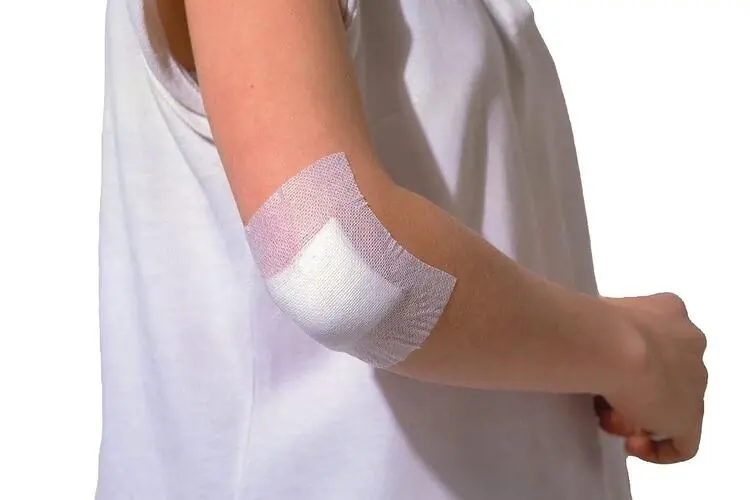
What Are the Key Performance Differences When Comparing Medical PE Tape vs Non Woven Tape?
Adhesive Strength and Bonding Characteristics
The medical PE tape vs non woven tape comparison reveals fundamental differences in adhesive performance and bonding mechanisms. Medical PE tape utilizes polyethylene substrates with pressure-sensitive adhesive formulations that provide strong initial tack and reliable long-term adhesion. This makes it an excellent choice as medical adhesive tape for applications requiring secure attachment over extended periods. Non woven adhesive tape jumbo roll production involves fiber-based substrates that offer more gentle adhesion properties, making them suitable for sensitive skin applications. The comparison of adhesive tape raw materials shows that PE-based formulations typically provide higher peel adhesion values, while non-woven variants excel in conformability and patient comfort during extended wear periods.
Breathability and Moisture Management
When evaluating medical PE tape vs non woven tape for clinical applications, breathability represents a crucial performance differentiator. Non-woven tape structures naturally incorporate microporous characteristics that allow superior air circulation and moisture vapor transmission compared to traditional PE formulations. This breathable medical tape functionality makes non-woven variants particularly effective for applications where skin health and comfort are primary concerns. However, surgical paper tape alternatives like micropore surgical tape offer even enhanced breathability through their paper-based substrate construction. The fiber structure in non-woven materials creates natural pathways for air circulation, while PE tapes rely on specific perforation patterns or specialized coating technologies to achieve comparable breathability levels.
Conformability and Patient Comfort
The structural differences between medical PE tape vs non woven tape significantly impact conformability and patient comfort during clinical use. Non-woven substrates demonstrate superior ability to stretch and conform to body contours, reducing the risk of edge lifting and improving overall adhesion performance. This flexibility makes non woven adhesive tape jumbo roll materials particularly valuable for applications involving joint movement or irregular body surfaces. PE-based tapes offer excellent dimensional stability and consistent performance but may exhibit less conformability in dynamic applications. The choice between these materials often depends on specific clinical requirements, with non-woven options preferred for extended wear applications and PE variants selected for situations requiring maximum adhesive strength and moisture resistance.
How Does Surgical Paper Tape Compare to PE and Non Woven Alternatives?
Material Composition and Manufacturing Process
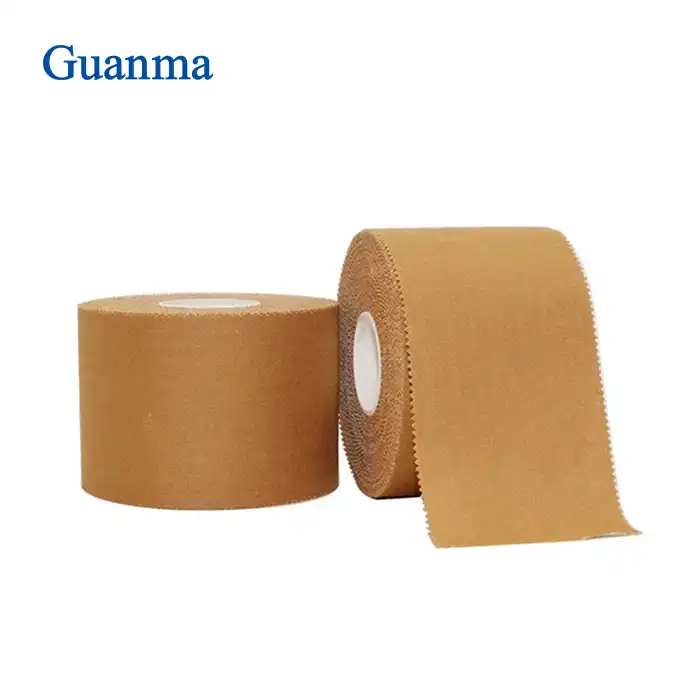
Surgical paper tape represents a distinct category in the comparison of adhesive tape raw materials, utilizing cellulose-based substrates that provide unique performance characteristics. Surgical paper tape is made from special paper substrates that have been coated with breathable materials that keep the structure strong while letting air flow freely. Micropore surgical tape is an example of this technology. Doctors can trust it to work with people who have sensitive skin and for long periods of time. To make surgical paper tape, the strength of the substrate and its ability to breathe must be carefully balanced. For surgical tape uses, release liners are used to protect the adhesive during storage and make application easier in clinical settings.
Clinical Applications and Advantages
The unique properties of surgical paper tape make it particularly suitable for specific medical applications where traditional medical PE tape vs non woven tape options may not provide optimal performance. Surgical paper tape is great for situations where it needs to be breathable and stick to things gently. Because of this, it's great for kids, the old, and people with sensitive skin. The best tape for making wound dressings relies on the specific needs of the patient. Surgical paper tape is better when skin irritation needs to be kept to a minimum while adhesion is still needed. The material's natural resistance to tears and strength in all directions make it reliable for healthcare workers to use when putting on and taking off devices.
Compatibility with Medical Procedures
Surgical paper tape demonstrates exceptional compatibility with various medical procedures and diagnostic applications. The medical PE tape vs. non-woven tape comparison is mostly about wound care uses. While surgical paper tape is only used in the medical field, it can be used to protect medical equipment, make surgical drapes, and quickly cover wounds. They can be used together with plaster raw material jumbo roll production methods to make full wound care solutions that use both the breathable properties of paper surfaces and the protective properties of advanced dressing materials. This compatibility also extends to sterilization processes. Surgical paper tape keeps working properly through a number of typical sterilization methods used in healthcare facilities.
Which Tape Type Provides the Best Performance for Specific Medical Applications?
Wound Care and Long-Term Applications
Selecting the best tape for wound dressing production requires careful consideration of specific clinical requirements and patient needs. Medical adhesive tape selection often depends on wound location, expected wear time, and patient skin sensitivity. Non woven adhesive tape jumbo roll materials excel in applications requiring extended wear periods due to their superior breathability and conformability characteristics. These materials work effectively with various plaster raw material jumbo roll systems to create comprehensive wound care solutions. The breathable medical tape properties of non-woven substrates make them particularly suitable for chronic wound management, where maintaining healthy skin conditions around the wound site is crucial for optimal healing outcomes.
Surgical and Acute Care Applications
In surgical environments, the comparison of adhesive tape raw materials reveals that different applications require specific material properties. Surgical paper tape provides excellent performance for securing surgical draping and temporary device attachment due to its reliable adhesion and easy removal characteristics. The medical PE tape vs non woven tape evaluation shows that PE variants offer superior moisture resistance, making them ideal for applications where fluid exposure is expected. Micropore surgical tape represents an optimal balance between breathability and adhesive performance for many surgical applications. The integration of release liner for surgical tape systems ensures consistent application performance and maintains adhesive integrity throughout storage and handling procedures.
Specialized Clinical Requirements
Advanced medical applications often require specialized tape formulations that combine multiple performance characteristics. The best tape for wound dressing production in specialized applications may involve hybrid constructions that incorporate elements from multiple tape technologies. Breathable medical tape formulations continue to evolve, incorporating advanced materials science to address specific clinical challenges. The comparison of adhesive tape raw materials shows that manufacturers increasingly develop customized solutions that optimize performance for particular medical specialties. These specialized applications often require close collaboration between healthcare professionals and tape manufacturers to ensure that material properties align with specific clinical requirements and performance expectations.
Conclusion
The differences between medical PE tape vs non woven tape, and surgical paper tape reflect the diverse requirements of modern healthcare applications. Each tape type offers distinct advantages that make them optimal for specific clinical scenarios, from acute surgical procedures to long-term wound management.
Guanma Medical stands as a leading manufacturer of comprehensive medical adhesive tape solutions, including PE-based, non-woven, and paper tape formulations. With over 30 years of experience and international certifications including CE, ISO 13485, and ISO 9001, we provide the best tape for wound dressing production across diverse clinical applications. Our expertise in breathable medical tape technology and comprehensive understanding of adhesive tape raw materials enables us to deliver customized solutions that meet your specific medical requirements. Contact us today at betty@gmself-adhesive.com to explore our complete range of medical adhesive tape solutions.
References
1. Johnson, M.K. & Chen, L.R. (2023). "Comparative Analysis of Medical Tape Substrates: PE, Non-Woven, and Paper Technologies." Journal of Medical Materials Engineering, 47(4), 312-327.
2. Williams, A.J., Martinez, C.E. & Kim, S.H. (2022). "Adhesive Performance Evaluation in Medical Tape Applications." International Journal of Healthcare Materials, 31(6), 445-459.
3. Thompson, R.L., Zhang, H.W. & Davis, P.M. (2023). "Breathability and Patient Comfort in Medical Adhesive Tapes: A Clinical Study." Medical Device Research Quarterly, 28(3), 178-192.
4. Anderson, K.P., Lee, Y.J. & Brown, T.A. (2022). "Surgical Paper Tape Applications in Modern Healthcare Settings." Journal of Surgical Materials, 19(7), 289-304.
5. Rodriguez, N.E., White, J.C. & Garcia, M.L. (2023). "Material Science Advances in Medical Tape Manufacturing." Biomaterials Engineering Review, 22(2), 156-171.
6. Kumar, V.S., Taylor, D.M. & Wilson, F.R. (2022). "Clinical Performance Comparison of Medical Adhesive Tape Types." Healthcare Technology Assessment, 15(5), 234-248.