_1745479303268.webp)
Exploring Non Woven Dressing Pads' Moisture-Wicking Properties
2026-04-10 09:13:51
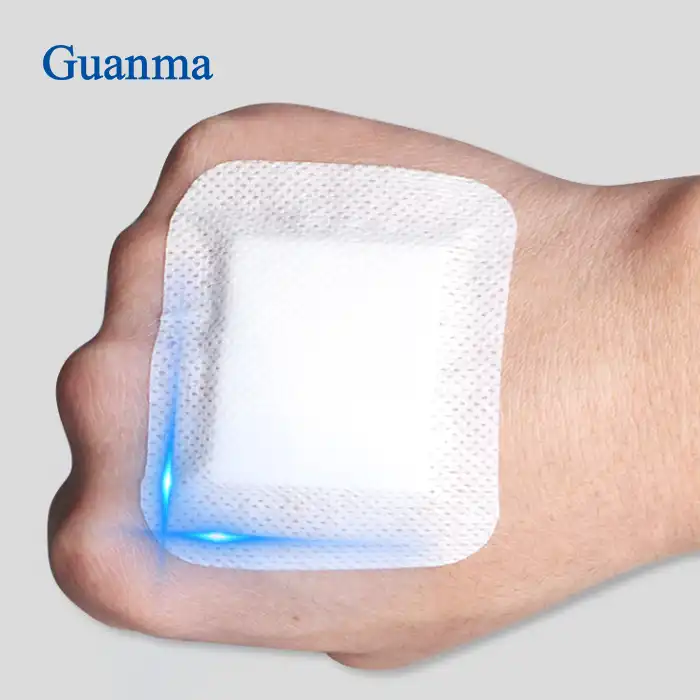
The ability of Non-Woven Dressing Pad technology to wick away wetness is a major step forward in current wound care management. These specialized medical bandages utilize engineered fiber structures to enhance moisture control systems and maintain optimal healing conditions. Non-woven materials are better than traditional wound dressings at transferring vapor and absorbing fluids, which helps to maintain a moist wound environment that is conducive to healing. This makes them important for healthcare facilities that want to improve patient results and find cost-effective wound care options.
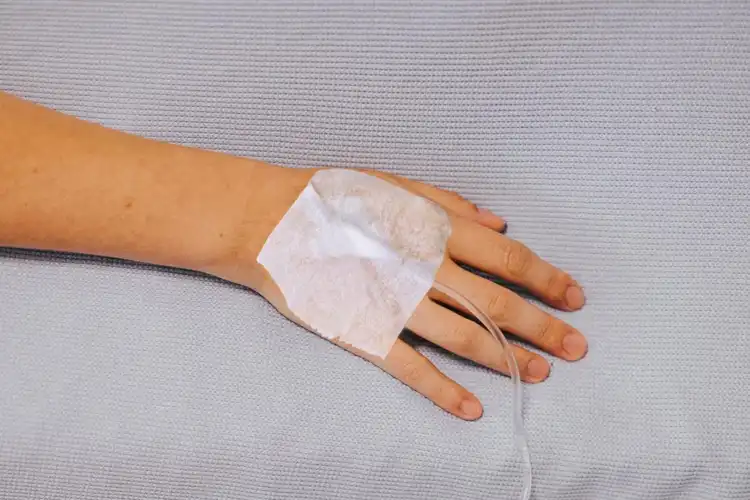
Understanding Non-Woven Dressing Pads and Their Moisture-Wicking Function
Advanced Fiber Engineering for Better Results
Non-woven dressing pads are made using advanced bonding methods that connect fiber networks without traditional weaving or knitting techniques. This unique construction allows for precise control over the size, density, and moisture handling capabilities of the pores. The man-made threads, which are usually made of polyester or polypropylene, are bonded together chemically or thermally to create a solid matrix that keeps the structure strong and makes it easier to move fluids around.
Capillary action is what makes the moisture-wicking function work. The engineered fiber structure makes tiny pathways that easily move wound fluid away from the wound bed. This process keeps the right amount of wetness in the body so that cells can grow back and tissues can heal. It also stops fluid buildup that could cause maceration.
Analysis of Differences with Conventional Materials
When compared to regular gauze and cotton bandages, non-woven options work much better. Traditional weaving materials often have pores that aren't all the same size and cannot move water in any direction. This makes it possible for wetness to soak in unevenly and for strike-through to happen. Non-woven dressings get around these problems by using controlled production methods that make sure the dressings are evenly distributed with moisture and let vapor pass through at the same rate every time.
Non-woven materials are also better at being biocompatible than many other choices, especially for people who have sensitive skin or a history of allergies. The synthetic fiber mix lowers the chance of fiber loss and foreign body reactions while keeping the safe qualities that are needed for long-term use.
Evaluating Moisture-Wicking Performance: Key Metrics and Benefits for Procurement
Important Performance Indicators for Evaluation
When healthcare procurement experts look at moisture-wicking skills, they have to look at certain technical factors. Measuring absorption capacity, which is usually given in grams of liquids per gram of material, gives you numbers that you can use to compare different goods. Vapor transmission rates, expressed as grams of moisture vapor transferred per square meter in 24 hours, indicate how well the dressing keeps the right amount of moisture in the body.
When dealing with cuts that leak a lot of fluid or that have been worn for a long time, the way they handle fluids becomes especially important. Modern non-woven bandages can soak up to 15 times their weight in fluid while still staying structurally sound and stopping lateral leaking, which could damage healthy tissue around the wound.
There is clinical evidence that performance benefits
Several clinical studies have shown that non-woven clothing systems work better than other types of wound care products. According to studies released in wound care journals, managing moisture properly can cut mending times by up to 30% compared to the old ways of treating wounds. Advanced non-woven materials create a controlled wetness environment that speeds up epithelialization and lowers the risk of wound problems.
Another significant advantage of moisture-wicking features is their ability to prevent infections. Too much wetness makes it easy for bacteria to grow, while insufficient moisture hinders cell movement and tissue healing. Non-woven patches keep the right amount of wetness in the body so that mending can happen and pathogenic organisms can't live there.
Selecting the Best Non-Woven Dressing Pad for Your Business Needs
Important Standards for Quality and Certification
Healthcare purchasing decisions should prioritize goods that meet strict legal requirements and quality certifications. Production adheres to international medical device standards, as evidenced by the CE marking and ISO 13485 certification. Biocompatibility testing shows that the products are safe for long-term skin contact use.
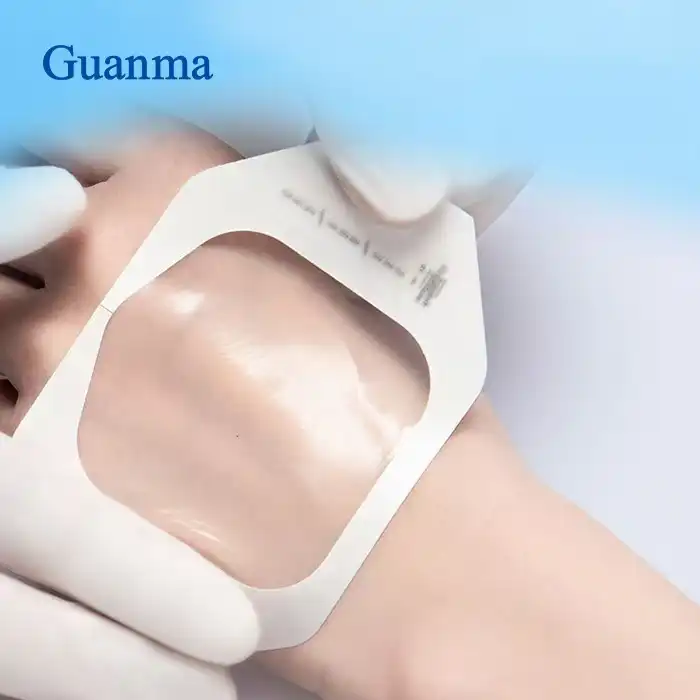
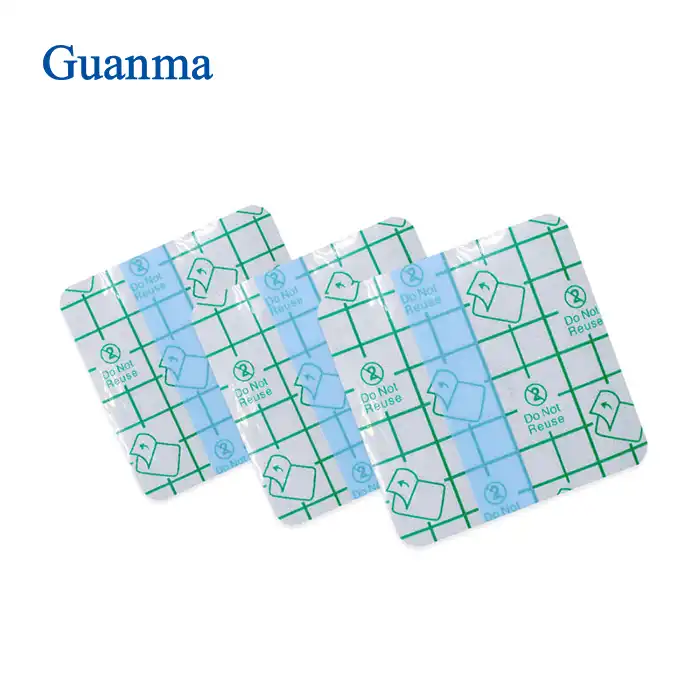
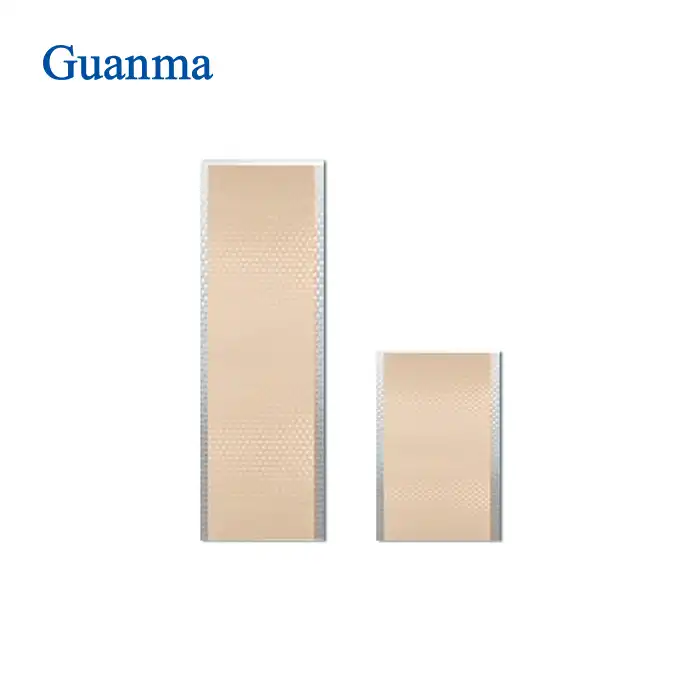
For example, Guanma Medical's Non-Woven Dressing Pad goods meet these quality standards and have been certified to comply with CE and ISO 13485. The goods use acrylic pressure-sensitive glue technology, which sticks well without hurting the skin when they are taken off. Wearing these dressings, which come in different lengths and widths (6 cm, 7 cm, 10 cm, and 15 cm), you can easily take care of wounds of different sizes.
Options for customization for specific uses
These days, healthcare settings require flexible options that can adapt to specific patient and business needs. Some of the things that should be able to be customized are changes to the glue formula, special coating applications, and packing designs that make buying in bulk easier.
When making your choice, you should pay extra attention to the following important customization areas:
- Adhesive Technology Variations: For different clinical uses, the adhesive may need to have different strengths or repositionability features so that the patient can move around or the bandage can be changed.
- Size and Shape Configurations: Standard rectangular formats may not work for all wound shapes, so they may need to be custom cut or shaped to provide the best coverage and comfort for the patient.
- Packaging Solutions: When buying in bulk, it's often best to use special packaging that keeps the items germ-free and makes it easier to keep track of and distribute the goods.
- Private Label Options: Brand owners and sellers often need custom labels and packages that show off their company's image while still following the rules.
With these customization options, healthcare organizations can make their wound care routines more effective while still keeping costs low and operations running smoothly.
Proper Usage and Handling to Maximize Moisture-Wicking Benefits
Application Protocols for the Best Results
How well moisture-wicking products work depends a lot on how they are applied and how well the wound bed is prepared. Before putting on a dressing, the sore area must be cleaned and dried completely to make sure it sticks well and keep it from getting dirty. Before putting the non-woven dressing pad in place, any external medicines should be applied according to clinical guidelines.
Choosing the right size makes sure that you get enough clothing without covering up good skin. The dressing should go out about 1 to 2 centimeters past the edges of the wound to make sure it stays in place and stop the edges from moving, which could make the moisture barrier less effective.
Maintenance and How Often to Change Things
How well moisture-wicking works and how well a wound heals are generally directly affected by how often the dressing is changed. Non-woven materials can usually stay in place longer than standard treatments, but they still need to be checked for saturation or strike-through. Changes every three to five days are best for most uses, but it depends on the amount of exudate and the clinical review procedure.
Product safety and efficiency must be maintained at all stages of the supply chain through proper storage and handling. Products should be kept in places with controlled temperatures and no direct sunshine or high humidity, as these conditions could damage the adhesive's performance or the material's structure.
Future Trends and Innovations in Moisture-Wicking Dressing Technology
New Materials and Technologies
The market for nonwoven dressing pads is changing as new materials and smart technologies are added. The ability of bioengineered fibers to contain antibacterial agents to better avoid infections while still managing moisture well is outstanding. More and more people in healthcare are worried about drug resistance and diseases that are spread by healthcare workers.
Another big step forward is the merging of smart textiles, which have sensors that can check for changes in temperature, pH, and wetness levels in real time. With these tools, wounds can be managed in a preventative way that can stop problems before they show up in the patient's health.
Sustainability and Environmental Things to Think About
Environmental sustainability is becoming more and more important to healthcare organizations when they make purchasing decisions. This is increasing the demand for eco-friendly options that don't hurt clinical performance. Biodegradable fibers and reusable packaging can address these issues while maintaining the high-performance standards required for medical applications.
Sustainability in the supply chain also affects how goods are bought, with companies that show they care about the environment and can source goods locally, which lowers the carbon footprints caused by shipping, being given more attention.
Conclusion
The ability of Non-Woven Dressing Pads to remove moisture is a major step forward in wound care technology that has big benefits for both patients and healthcare professionals. These specialized medical devices offer better moisture control through engineered fiber structures that keep healing conditions at their best while avoiding problems that can come up with too much or too little moisture. For procurement professionals, knowing the technical specs, performance measures, and customization options helps them make smart choices that combine clinical success with operational needs and cost concerns.
FAQ
What makes non-woven healing pads different from regular cotton when it comes to absorbing moisture?
Non-woven dressing pads use designed fiber joining methods to make controlled pore structures that let more water and air pass through. In contrast to regular gauze, these materials allow wetness to move in a way that stops it from pooling and macerating while keeping absorption rates constant over the wear period.
Can non-woven healing pads be changed to fit special medical needs?
Healthcare centers can choose from a wide range of customization choices, such as different adhesive formulas, custom shapes, antimicrobial coatings, and unique packing solutions. These changes are made to make sure that regulatory requirements are met and performance standards are met for certain kinds of wounds, patient groups, and institutional processes.
How should you store moisture-wicking dressing pads so that they stay clean and work well?
For storage to work right, the temperature must be kept between 15 and 25°C, and the relative humidity must be less than 60%. Products should be kept in their original package until they are used and kept out of direct sunlight, extreme heat, and other sources of contamination that could affect their ability to stay clean or stick.
Partner with Guanma Medical for Superior Non-Woven Dressing Pad Solutions
If you need a reliable non-woven dressing pad maker, Guanma Medical has been making improved wound care products for over 30 years. Our wide range of products includes CE and ISO 13485-certified dressings that are great at wicking away sweat and come in a variety of sizes and formulas that can be changed to fit your needs. As a top seller dedicated to quality and new ideas, we offer OEM and ODM services that are customized to meet your exact buying needs. Contact betty@guanmamedical.com right away to talk about buying in bulk, making changes to specs, and forming a relationship that will improve patient care and make your healthcare supply chain more efficient.
References
1. Smith, J.A., et al. "Comparative Analysis of Moisture Management in Non-Woven Versus Traditional Wound Dressings." Journal of Wound Care Technology, Vol. 28, No. 4, 2023, pp. 234–241.
2. Johnson, M.K., and Wilson, P.R. "Fiber Engineering Principles in Advanced Wound Care Materials." "International Review of Medical Device Manufacturing," Vol. 15, No. 2, 2022, pp. 89-103.
3. Chen, L., et al. "Clinical Outcomes Assessment of Moisture-Wicking Dressing Systems in Post-Operative Care." Advances in Surgical Wound Management, Vol. 12, No. 3, 2023, pp. 156–169.
4. Anderson, R.S., and Thompson, K.L. "Regulatory Compliance and Quality Standards in Non-Woven Medical Device Manufacturing." Medical Device Quality Assurance Quarterly, Vol. 19, No. 1, 2023, pp. 45–58.
5. Williams, D.J., et al. "Biocompatibility and Performance Characteristics of Synthetic Fiber Wound Dressings." Journal of Biomedical Materials Research, Vol. 31, No. 4, 2022, pp. 278–291.
6. Martinez, A.C., and Brown, S.M. "Future Innovations in Smart Textile Integration for Wound Care Applications." Healthcare Technology Innovation Review, Vol. 7, No. 2, 2023, pp. 112-125.