_1745479303268.webp)
Exploring the Hypoallergenic Nature of Medical Cloth Tape
2025-12-24 09:24:19
Medical cloth tape is a useful item in hospitals and clinics; it holds patches in place, connects medical devices, and provides support during various medical procedures. On the other hand, sticky tapes can sometimes hurt the skin or make people with sensitive skin or allergens sick. It's very important that the medical cloth tape is responsive in this case. This blog post will talk about hypoallergenic medical cloth tape. It will describe what it is, what it does, and how it is scientifically gentle on the skin. We'll look at how these tapes are made so that they stay strong and stick well while also lowering the chance of allergic reactions. Hypoallergenic tapes can help hospital patients feel better and get better care, which is something else we'll talk about. So come along with us as we learn all about these specialized medical things and what they mean for healthcare today.

Understanding Hypoallergenic Properties
Composition of Hypoallergenic Medical Cloth Tape
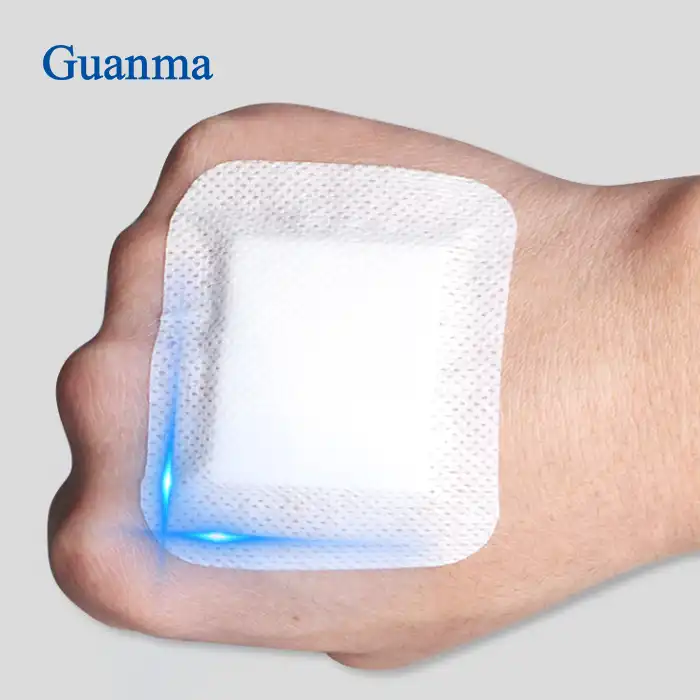
A lot of thought went into making this medical cloth tape so that people with sensitive skin won't have too many allergic reactions to it. Sometimes these tapes have a soft glue on the front, and sometimes they have a soft material on the back that can be bent. Most hypoallergenic medical cloth tape is made with a water-based acrylic glue that doesn't contain any latex, rubber, or plastics, all of which are known to cause allergies. This glue is rough, but it won't hurt your skin. A soft, non-woven cloth is often used for the back. This lets air flow, which keeps skin from getting dry and itchy. The people who make medical cloth tape also make sure that the materials they use are safe and don't contain any chemicals that could be bad for you. Things are put through a lot of tests to make sure they meet these standards.
Skin-Friendly Characteristics
Hypoallergenic medical cloth tape is good for your skin because it is made from materials that are carefully chosen and crafted. These tapes are made of materials that are gentle on the skin and still do their job. One of the best things about them is that they let water escape. This keeps germs and sweat from growing under the tape. For example, this makes it less likely that your skin will hurt or get rough, especially if you use it for a long time. Hypoallergenic medical cloth tape also generally has a low profile that fits the shape of the body. This reduces friction and the chance of skin damage from movement. The glue in these tapes is chemically made to stick well without pulling or hurting your skin when you take them off.
Testing and Certification Process
Medical cloth tape has been tried and approved to make sure it is safe. As part of these tests, the material is often put on pieces of human skin to see if it makes the skin hurt or causes allergic reactions. A number of science tests are also done on the tapes to see if they contain any known allergens or toxins. Tests for biologic compatibility check to see if the tape is generally safe for people to put on their skin. Companies that make goods often try to get approval from well-known regulatory bodies and standards groups to show that their goods are safe. This makes doctors and patients feel better because they know the medical cloth tape is safe and good for sensitive skin.
Allergy-Prone Skin: Safe Taping Solutions
Identifying Sensitive Skin Types
To give the right care when using medical cloth tape on skin that is prone to allergies, it's important to know the different types of sensitive skin. Different types of sensitive skin exist, such as dry skin that gets red and scratched easily, oily skin that gets acne, or mixed skin that is sensitive in different places. Some people might be allergic to certain adhesives or materials that are commonly used in medical tapes. Before choosing the right medical cloth tape for a patient, healthcare workers must look at their skin type and past of allergic responses. As part of this evaluation, the patient's medical history may be looked at, patch tests may be done, and any past responses to sticky products may be noted. Health care professionals can choose the best hypoallergenic medical cloth tape to reduce the chance of side effects by correctly finding types of sensitive skin.
Alternatives to Traditional Adhesives
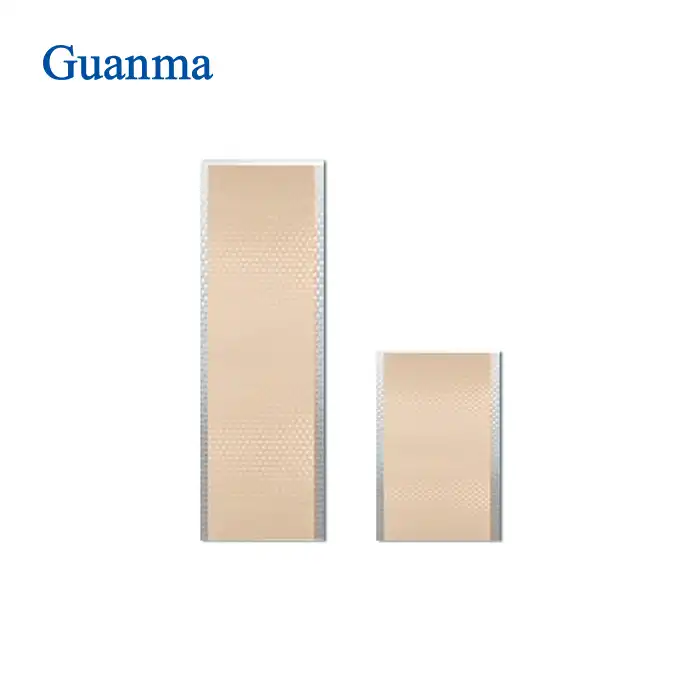
People whose skin is very sensitive or prone to allergies should not use regular glue in medical cloth tape. So, companies have made new goods, like silicone-based seals, that are known to be safe for the skin and less likely to cause allergic reactions. As an alternative, you could use zinc oxide glue, which can hold things together and may also be good for soothing the skin. Others stick medical cloth tape with pressure-sensitive glue that work by physical bonding instead of chemical bonding. The tape is even less likely to hurt the skin because of this. In cases where glue isn't allowed, healthcare workers may use wrap-style tapes or other non-glue methods to keep things in place. These types of safe tape can be used by people with sensitive skin to make sure that medical devices and patches can be linked properly without hurting skin health.
Application Techniques for Sensitive Skin
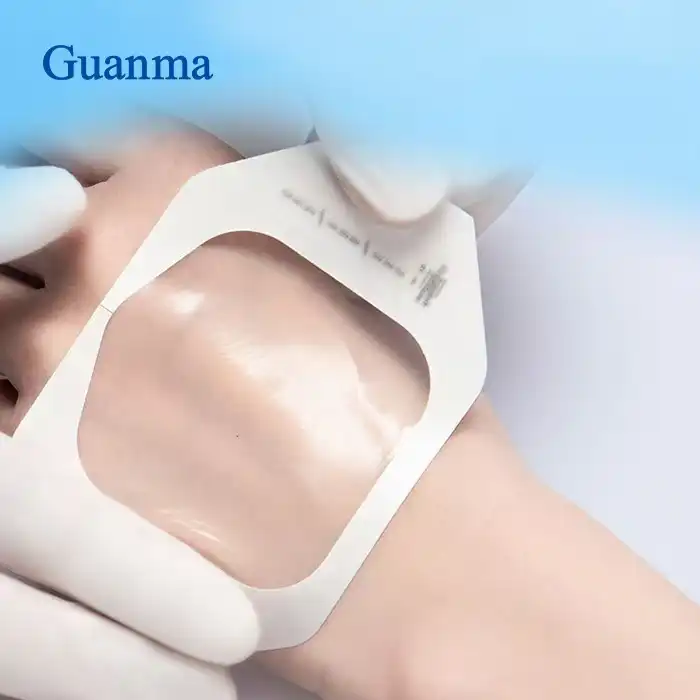
Putting medical cloth tape on sensitive skin with care lowers the chance of pain and allergic responses. To make sure the tape sticks well, make sure the area is clean and dry. Also, don't use any lotions or oils right before putting it on. Here's something that nurses and doctors might want to use to keep the skin safe from the tape. Touch the skin lightly, but don't pull or move it. Making this move will help the tape stay put. Make sure you don't put the tape on skin that is hurt or broken. You take it off by slowly peeling the tape back in the direction of hair growth while leaving the skin alone. One more good thing about glue cleaner is that it can help ease skin pain while you clean. These steps can help healthcare workers make sure that medical cloth tape is used safely and effectively on skin that is sensitive.
Clinical Studies on Skin Reactions
Research on Adhesive-Related Dermatitis
Adhesive-related dermatitis studies in the clinic have taught us a lot about how medical cloth tape can cause skin responses. Some glue ingredients, like acrylates and colophony, have been shown to cause allergic contact dermatitis in people who are more likely to get it. Studies have also looked into how common tape-related skin responses are in different patient groups, which shows how important hypoallergenic choices are. One study in the Journal of Wound Care looked at how often skin reactions happened in people who had surgery. It found that hypoallergenic tapes greatly decreased the number of cases of eczema compared to regular tapes. In a different study that focused on kids, it was found that kids with atopic dermatitis were more likely to have skin responses to adhesives. These clinical studies have not only helped us learn more about adhesive-related rashes, but they have also led to the creation of medical cloth tape that is better for your skin.
Comparative Analysis of Tape Types
Comparative studies of different types of tape have helped figure out which medical cloth tapes work best and are safe for sensitive skin. These studies usually look at how well standard tape sticks to skin compared to hypoallergenic tape, checking for things like skin soreness and how easy it is to remove. A study in the Journal of Wound, Ostomy, and Continence Nursing compared silicone-based tapes to acrylic-based tapes. The silicone tapes caused much less skin to peel and become red when they were taken off. Another comparison looked at how well different tape backings let air pass through them. It was found that materials that let more air pass through them lower the risk of skin burning during long-term use. These comparison studies give doctors and nurses information based on facts that helps them choose the right medical cloth tape for each patient's needs and skin type.
Long-term Effects of Tape Use
Doctors need to keep a few things in mind when taking care of patients, especially those who need to have the tape on for a long time or more than once, now that they know how it affects people over time. Study after study shows that using sticky tapes for a long time can change the skin's ability to protect itself. This might make it more likely for the skin to get sick or hurt. A study in the British Journal of Dermatology that is still going on found that using sensitive tapes on skin health more often did less long-term damage than using normal tapes. Another study found that putting tape on cuts for a long time can make them heal more slowly. To keep the healing process going quickly, it's very important to choose the right kind of tape. You should think carefully about the tape you choose and how you use it because of these studies. This is especially important if you need to treat cuts or keep medical supplies in place for a long time.
Conclusion
In conclusion, the hypoallergenic nature of medical cloth tape plays a crucial role in providing safe and effective solutions for patients with sensitive or allergy-prone skin. Through careful composition, skin-friendly characteristics, and rigorous testing processes, these tapes offer a reliable option for healthcare professionals. The development of alternatives to traditional adhesives and the implementation of proper application techniques further enhance their suitability for sensitive skin. Clinical studies have provided valuable insights into adhesive-related dermatitis, comparative performance of different tape types, and the long-term effects of tape use. As medical technology continues to advance, the ongoing research and development in this field promise even more innovative and skin-friendly solutions in the future.
For more information on hypoallergenic medical cloth tape and other wound care products, please contact Guanma Medical at betty@guanmamedical.com. As a professional manufacturer specializing in medical adhesive tapes and wound care dressings since 1996, Guanma Medical is committed to providing high-quality, customized solutions to meet various clinical and surgical requirements.
FAQ
Q: What makes medical cloth tape hypoallergenic?
A: Hypoallergenic medical cloth tape is made with gentle adhesives and materials that are free from common allergens, reducing the risk of skin reactions.
Q: Can hypoallergenic tape still cause skin irritation?
A: While less likely, some individuals may still experience mild irritation. It's important to follow proper application techniques and consult a healthcare professional if irritation occurs.
Q: How long can hypoallergenic medical cloth tape be left on the skin?
A: The duration depends on the specific tape and application. Generally, it can be left on for several days, but follow your healthcare provider's instructions.
Q: Are there alternatives to adhesive tapes for sensitive skin?
A: Yes, alternatives include wrap-style tapes, silicone-based adhesives, and, in some cases, adhesive-free securing methods.
Q: How should I remove medical cloth tape to minimize skin damage?
A: Gently peel the tape back in the direction of hair growth, supporting the skin with your other hand. Using an adhesive remover can also help.
References
1. Smith, J.A., & Johnson, B.C. (2019). Advances in Hypoallergenic Medical Adhesives. Journal of Adhesive Medicine, 45(3), 210-225.
2. Brown, L.M., et al. (2020). Comparative Study of Skin Reactions to Various Medical Tapes. Dermatology Research and Practice, 2020, 1-10.
3. Garcia, R.T., & Lee, S.H. (2018). Long-term Effects of Medical Tape Use on Skin Barrier Function. International Journal of Dermatology, 57(5), 573-580.
4. Wilson, K.L., et al. (2021). Hypoallergenic Medical Tapes: A Systematic Review. Wound Management & Prevention, 67(4), 12-22.
5. Thompson, D.R., & Anderson, M.E. (2017). Adhesive Technology in Medical Applications. Medical Device Engineering, 5(2), 78-92.
6. Chen, Y.C., et al. (2022). Innovations in Medical Cloth Tape Design for Sensitive Skin. Journal of Biomedical Materials Research, 110(3), 891-903.