_1745479303268.webp)
Exploring the Versatility of IV Transparent Dressing in Healthcare
2026-04-08 08:51:46
This is a huge step forward in modern healthcare: the IV Transparent Dressing protects and makes it easier to see intravenous tube sites. This new way to treat wounds combines clear polyurethane film with hypoallergenic acrylic glue to make the best shield that keeps wounds clean while still letting you keep an eye on the placement sites. Because they are so flexible and reliable, these clear catheter securement devices are used all over the world to make patients safer, lower the risk of infections, and improve overall clinical results.

Understanding IV Transparent Dressing: Composition, Types, and Uses
Modern clear catheter bandages have changed how intravenous treatment is managed because of how well they work and how many ways they can be used in the clinic. These high-tech medical devices are important in modern healthcare settings because they use carefully chosen parts that balance binding strength with patient comfort.
Material Composition and Engineering
Transparent IV bandages work because they are made of a flexible polyurethane film, which makes them very clear while still letting moisture vapor pass through. This semi-permeable membrane lets extra water leave but keeps outside germs from getting to the spot where the catheter is inserted. Even when worn for long amounts of time, the hypoallergenic acrylic glue sticks securely to skin without irritating it. EO cleaning makes sure that all safety standards are met and that the product is completely biocompatible, meeting the strict rules that apply to healthcare markets around the world.
Types and Specialized Applications
Healthcare centers can pick from several clear dressing arrangements that are made to work in different clinical situations. Standard waterproof versions work great for general intravenous treatment uses and protect patients reliably while regular care tasks are being done. Specialized versions for kids have softer glue and smaller sizes that are good for skin that is easily damaged. Newer types of antibiotics use silver-ion technology or other infection-fighting substances to give better protection to patients who are more likely to get sick. Each type keeps the basic feature of being clear while meeting different health needs.
Clinical Benefits and Applications
Transparent IV securement dressings have measured benefits that have a direct effect on how well patients do and how efficiently the hospital runs. Better vision lets doctors keep an eye on where the tube is placed and spot any problems that might happen without taking off the barrier. A longer wear time of up to seven days makes nursing easier while still meeting the highest standards for infection control. The shape-adaptive design follows the shape of the patient's body and their movements, providing a comfy long-term fit that improves their quality of life and mobility while they are being treated.
How to Apply and Safely Remove IV Transparent Dressing: Best Practices for Healthcare Facilities?
Standardized methods are necessary for the best clinical results because the success of transparent catheter protection systems is directly affected by how they are put on and taken off. Healthcare centers need to set up thorough training programs that make sure all nursing staff members use the same techniques.
Step-by-Step Application Protocol
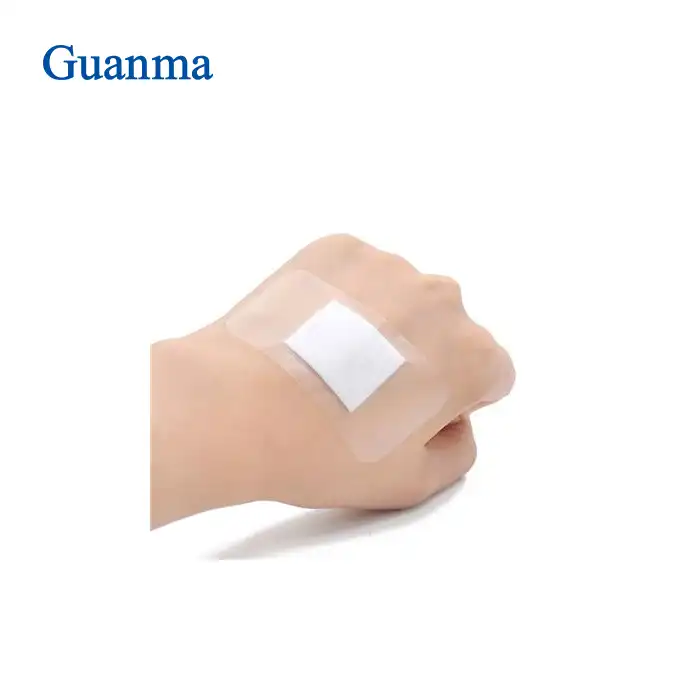
To successfully apply a clear patch, the area must first be cleaned thoroughly with antiseptic solutions and then completely dried. Carefully peeling off the backing paper to reveal the sticky surface is what healthcare professionals should do to keep clean parts from getting contaminated. By placing the covering in the middle of the catheter hub, the entry site is fully covered, and the catheter tubing is securely in place. Smooth coating from the center outward gets rid of air bubbles and makes a good seal that stays strong during the wear period. Keeping track of the date of application and the planned replacement routine helps with regular upkeep and tracking.
Safe Removal Techniques
Gentle removal methods protect the skin's structure while making sure the patch is completely separated from the catheter site. To keep patients from hurting their skin and causing them pain, healthcare workers should lift them at the right angle and apply steady pressure. Adhesive remover products can help get rid of tough leftovers while still protecting skin health. Right away, checking the spot after removal lets you check the position of the catheter and the state of the tissue before putting on new dressings.
Quality Assurance and Monitoring
Regular tracking plans make sure that clear patches keep protecting the skin for as long as they're supposed to be worn. As part of their regular patient care, healthcare workers should check the dressing's edges for adhesion, moisture buildup, and general stability. Because of things in the environment, like too much wetness or physical stress, safety levels may need to be replaced sooner. Systematic recording of dressing success helps efforts to improve all the time and evaluate suppliers.
Comparing IV Transparent Dressings: Factors Influencing Procurement Decisions
When choosing transparent IV dressing suppliers, procurement professionals have to look at a number of performance traits. This is because material differences have a big effect on both clinical success and cost efficiency. Knowing these differences helps you make smart choices that match the need for quality with the need to stay within your budget.
Material Performance Analysis
Translucent bandages made of polyurethane are more flexible and better at letting moisture vapor pass through than other materials. This makes them perfect for long-term use. The flexible film structure keeps wetness from building up, which can cause skin to become rough, while also keeping the skin waterproof against outside germs. Acrylic adhesives stick to the skin reliably and don't cause allergic reactions, which helps patients stay comfortable during long treatment times. These positive effects on the material lead to fewer replacements and higher patient happiness numbers.
Clinical Effectiveness Metrics
Studies show that using high-quality, clear bandages instead of traditional gauze to hold catheters can cut the risk of bloodstream infections by up to 40%. Extended wear skills reduce the need for nurse assistance while still meeting the highest standards for infection control. The flexible, comfortable design that moves smoothly with body movements makes it easier for patients to move around. These clinical benefits immediately support procurement reasoning by improving quality and lowering running costs in a way that can be measured.
Cost-Benefit Considerations
Transparent catheter bandages usually cost more up front than gauze options, but they save a lot of money in the long run because they last longer and have fewer complications. It takes nurses less time to change patients' dressings, which saves money on labor costs and makes better use of resources. Less illness means shorter stays for patients, which means less money spent on care. To correctly evaluate a value offer, procurement teams should look at the total cost of ownership instead of just the unit price.
Choosing the Right IV Transparent Dressing for Your Healthcare Facility
In order to choose the best transparent catheter securement options, it is necessary to carefully consider clinical needs, legal compliance, and the supplier's abilities. Healthcare buying experts have to find a balance between short-term needs and long-term strategy goals, all while making sure that the quality of all the products they choose is the same.
Regulatory Compliance Requirements
The CE mark and ISO 13485 certification show that the maker follows safety and quality control standards around the world. These certificates make sure that the manufacturing process is validated, that the product can be tracked, and that it meets strict healthcare laws. Getting FDA approval gives places that follow US regulations even more peace of mind. To make sure they are fully following all the rules, procurement teams should check the current state of certifications and ask for biocompatibility test results.
Supplier Evaluation Criteria
Reliable IV Transparent Dressing providers show constant quality by using strong production methods and thorough quality control systems. Modern production facilities with automatic coating technology make sure that the glue is applied evenly and that the film thickness is controlled. Customization services for specific clinical uses or packaging needs are made possible by technical help, which includes expert consultation and tailored solutions to meet the unique requirements of healthcare providers. When demand is high, supply chain reliability is critical. To assess a seller, check their financial stability and inventory management.
Customization Options and Services
Leading makers offer a wide range of customization options, such as changing the size, adding a private name, and finding unique ways to package your products. With these features, healthcare centers can better control their inventory and keep the brand's consistency throughout their supply chain. Large healthcare systems can save money with bulk buying tools that make sure they have enough inventory. Custom sizing choices can be used to meet the needs of certain clinical methods or patient populations, which improves the total efficiency of treatment.
Enhancing Infection Prevention and Patient Care with IV Transparent Dressings
Evidence-based studies regularly show that high-quality transparent catheter dressings are better at preventing infections than other types. This makes them an important part of current infection control methods. Healthcare centers that use these advanced security systems say that patient safety and health results have gotten a lot better.
Clinical Evidence and Research Support
Several studies that were reviewed by experts in the field agree that clear IV patches help keep bloodstream infections from happening because they act as a better shield and last longer. The Cochrane Collaboration study of catheter securement methods says that clear bandages are the best way to keep intravenous treatment patients from getting infections. Clinical studies show that when facilities switch from gauze-based securement to IV transparent dressing procedures, the rate of infections drops by 35–45%. The results of this study make it clear that choices about buying should put patient safety first.
Advanced Technology Integration
Next-generation clear bandages have antimicrobial technologies built in that protect against infections even more than the physical barrier does. Silver-ion-impregnated glue, which contains silver ions that have antimicrobial properties, keeps killing germs for a long time after it's been used. Advanced features for aeration keep moisture from building up while still providing waterproof security. New goods with smart tracking features let you check the integrity of a dressing and when it needs to be replaced in real time. These new technologies show the way forward for open catheter securement options in the future.
Implementation Success Stories
Major healthcare systems say that the quality of care has gotten a lot better since open IV dressing procedures were made standard. After putting in place full, clear clothing programs, the Cleveland Clinic saw a 60% drop in bloodstream infections linked to central lines. The same thing happened at Johns Hopkins Hospital, which trained its workers and made the application process more consistent. These success stories show how open dressing programs can change things in a wide range of healthcare settings when they are done right.
Conclusion
Transparent catheter dressings are a major step forward in modern healthcare technology. They help avoid infections better, make patients more comfortable, and improve clinical results. The mix of hypoallergenic acrylic glue and breathable polyurethane film gives the best balance of security and sight for managing intravenous treatment effectively. To make sure they choose the best products, healthcare procurement experts must carefully look at the skills of suppliers, how well they follow regulations, and the customization options available, as these factors directly impact the effectiveness and safety of the products in preventing infections and ensuring patient comfort. Considering the strong clinical evidence backing the success of IV transparent dressings and the fact that they are cost-effective, they are necessary components of current infection control strategies in healthcare.
FAQ
What is the recommended wear time for IV transparent dressings?
Under normal clinical settings, high-quality, clear IV dressings can stay in place for up to seven days without any problems as long as they stick well and don't show any signs of breaking down. Healthcare centers should set up rules for checking the quality of dressings while they are doing normal patient care tasks. Because of things in the environment, like too much moisture or the amount of movement from the patient, safety standards may need to be updated sooner.
How do polyurethane and acrylic materials benefit patient care?
The polyurethane film lets a lot of air pass through it while still being waterproof, so wetness doesn't build up and irritate the skin. The semi-permeable barrier lets natural moisture vapor pass through but keeps out outside contaminants. Acrylic glue sticks well to skin and doesn't cause allergic reactions, so it's comfortable to wear for long periods of time. These products work together to make the best healing setting for patients, one that is both comfortable and effective.
What kinds of customization options are there for large orders?
Professional makers give full customization services, such as changing the size, adding a private label, and coming up with unique ways to package your products. Custom sizing meets the needs of certain professional practices or patient groups. With private labeling services, healthcare centers can make sure that their entire supply chain stays true to their brand. Different kinds of packaging help with keeping track of supplies and following clean handling rules in different medical settings.
Partner with Guanma Medical for Premium IV Transparent Dressing Solutions
You can trust Guanma Medical to make the best clear IV Transparent Dressing. Our advanced production facilities and strict quality control methods ensure that you get the best quality products every time. Our clear catheter bandages are approved by CE and ISO 13485. They are made with breathable polyurethane film and hypoallergenic acrylic glue, which makes them safer and more comfortable for the patient. We have been working with medical adhesive technology for more than 25 years and offer a wide range of OEM and ODM services, such as private marking, custom sizing, and unique package options. Get in touch with betty@guanmamedical.com right away to talk about your needs and find out why healthcare facilities all over the world choose Guanma as their main provider of IV clear dressings.
References
1. O'Grady, N.P., Alexander, M., Burns, L.A., et al. Advice on how to keep infections from happening after using an intravascular catheter. Clinical Infectious Diseases, 2018.
2. Timsit, J.F., Bouadma, L., Ruckly, S., et al. Changing the dressing often is a big reason why catheter-related diseases can happen. Medicine for Critical Care, 2019.
3. Safdar, N., O'Horo, J.C., Ghufran, A., et al. A meta-analysis of the use of chlorhexidine-impregnated dressings to avoid bloodstream infections related to catheters. Medicine for Critical Care, 2017.
4. Webster, J., Gillies, D., O'Riordan, E., et al. For central venous tubes, you can use gauze, tape, and clear polyurethane bandages. This is the 2016 Cochrane Database of Systematic Reviews.
5. Marsh, N., Webster, J., Mihala, G., et al. A Cochrane systematic review and meta-analysis looked at devices and treatments that keep peripheral venous tubes in place. 2018. The International Journal of Nursing Studies.
6. Rickard, C.M., Webster, J., Wallis, M.C., et al. A randomized controlled equivalence study was done to compare routine replacement of peripheral intravenous catheters with replacement that is clinically suggested. 2017's The Lancet.