_1745479303268.webp)
Exploring the Versatility of Kinesiology Sports Tape
2026-03-06 08:56:11
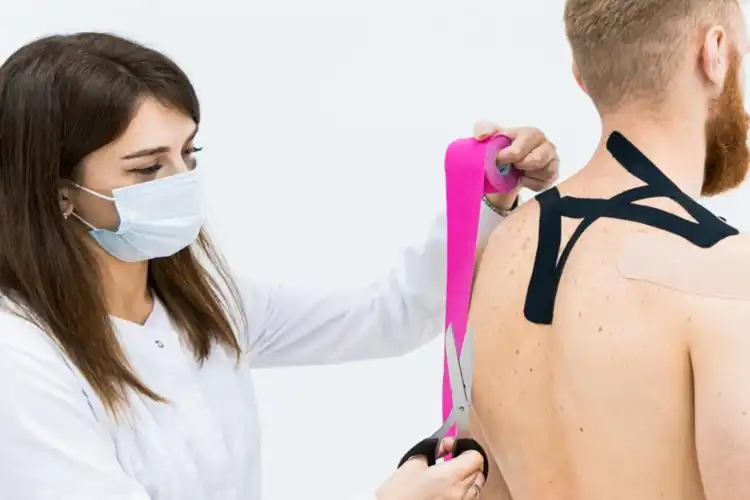
Kinesiology Sports Tape is a huge step forward in sports medicine and therapy technology. It has therapeutic benefits that can't be beat for players, patients, and healthcare professionals all over the world. This stretchy therapy tape uses advanced glue technology and materials that let air pass through to target muscles and joints and provide support without getting in the way of normal movement. Kinesiology tape is different from regular rigid tape because it lowers inflammation, improves circulation, and speeds up healing through a unique lifting process that makes space between the skin and the muscles underneath it.
Understanding Kinesiology Sports Tape: Key Concepts and Benefits
Kinesiology Sports Tape works by using a complex physical method that is similar to how skin naturally bends and thickens. The tape's special wave-pattern adhesive lets it spread in more than one way. This creates tiny lifting effects that improve blood flow and lymphatic drainage. This new design encourages the body's natural mending processes while allowing a full range of motion. This makes it better than traditional hard-taping methods. The healing benefits go beyond just providing support. Researchers have found that using stretchy healing tape can lower the feeling of pain by affecting the nerves that send pain signals to the brain. Specifically, the tape can work on mechanoreceptors in the skin. In both acute injury treatment and chronic pain conditions, this neurophysiological reaction helps people be more useful.
Material Composition and Performance Characteristics
Modern kinesiology tape is made with high-quality cotton and rayon fibers that let the skin breathe and keep wetness away. The medical acrylic PSA (Pressure Sensitive Adhesive), which is hypoallergenic, makes sure that the connection is safe while lowering the risk of skin discomfort. This latex-free version can be used on patients who are sensitive to latex, which increases its usefulness in a wider range of patient groups. The tape's lengthwise flexibility is usually between 130% and 140% of its resting length, which is very close to how skin naturally stretches. This biomimetic feature makes it possible to wear for three to five days without any discomfort, even during intense physical activities or in water. Even when you sweat, shower, or swim, the water-resistant features keep the glue in place.
Clinical Applications and Therapeutic Outcomes
Kinesiology Sports Tape is used by doctors to treat a wide range of musculoskeletal problems, such as minor sports injuries, recovery after surgery, and managing ongoing pain. Patellofemoral pain syndrome, rotator cuff problems, plantar fasciitis, and lymphedema treatment are all common uses. The tape can also be used for neural therapy, where it helps retrain muscles and improve proprioception. When kinesiology tape is used as part of a full treatment plan, clinical studies have shown big gains in pain relief, range of motion, and functional performance. The tape's ability to provide constant healing input over long periods of time makes treatment more likely to be followed through and speeds up recovery times compared to traditional therapy methods.
Application Techniques and Usage Best Practices
Strategic Placement for Optimal Therapeutic Effect
The right treatment method has a big effect on how well therapy works and how happy the patient is. Depending on the healing goal, the tape should be put on clean, dry skin with the right amount of strain, which can be anywhere from 0% to 75% stretch. Lymphatic drainage methods use very little stretching so as not to block lymphatic movement, and muscle facilitation techniques usually need 15 to 25 percent strain. Knowing anatomical points and the way of muscle fibers is important for putting tape on correctly so that you get the most out of it. To keep the skin from getting irritated and the tape from failing too soon, the base and support points should always be put on without stress. When you round the ends of the tape the right way and apply it smoothly, the edges won't lift, and the tape will last longer.
Color Psychology and Patient Engagement
Choosing the right color for kinesiology tape involves more than just personal taste. It also has to do with psychological and healing factors. Even though the adhesive qualities don't change when the color changes, study shows that the color can affect how the patient sees the treatment and how well they follow it. Red tones may make you feel warmer and more energized, while blue colors tend to make you feel cooler and calmer. Color choice can have a psychological effect that can boost a patient's confidence and help them stick with their treatment, especially in sports where visual feedback can help performance psychology. Healthcare professionals can tailor treatments to each patient's interests and unique therapeutic goals when more than one color is available.
Common Application Errors and Prevention Strategies
To use kinesiology tape correctly, you need to pay attention to the details and follow the steps exactly as written. The most common mistake is overstretching, which can irritate the skin and make the therapy less effective. If you don't prepare your skin properly, like by using creams or having too much hair on it, the glue won't stick as well, and the wear time will be shorter. The initial action of a glue is affected by things like humidity and temperature during application. Using the right rubbing method after application creates heat that activates the acrylic glue, making sure that the bond is as strong as it can be. Healthcare professionals should get thorough training on how to use medications in a way that improves patient results and reduces side effects.
Comparing Market Options: Choosing the Best Kinesiology Sports Tape for Your Business
Quality Assessment Parameters for Procurement Decisions
To figure out how good a Kinesiology Sports Tape is, you have to look at a lot of different performance factors that have a direct effect on clinical results and patient happiness. Testing the adhesive's strength should show that it sticks well on all skin types and in all kinds of situations, while still being safe. The cotton-rayon fiber mix changes how well the fabric breathes, how much it stretches, and how comfortable it is to wear for long amounts of time. The smoothness of the application and the success of the therapy depend on how consistent the thickness is across the width of the tape. High-quality production processes make sure that the glue is spread out evenly and that the dimensions are accurate, which makes professional application easier. Purchasing managers should give more weight to sellers who have clear quality control processes and foreign certifications like ISO 13485 compliance and CE marking.
Regulatory Compliance and Safety Standards
Different foreign areas have different rules about medical devices like kinesiology tape, so it's important to pay close attention to the rules that apply to each area. The Medical Device Regulation (MDR) in the European Union requires full biocompatibility testing and recording of clinical proof. According to US FDA rules, kinesiology tape is a Class I medical device that needs to follow quality system rules and processes for reporting adverse events. According to ISO 10993 standards, biocompatibility testing procedures look at how likely it is that the substance will irritate, sensitize, or kill cells. These thorough safety checks make sure that patients are safe in a wide range of settings, such as those for children and older people. Professionals in procurement should make sure that sellers keep up-to-date compliance documents and take part in activities for post-market monitoring.
Cost-Effectiveness Analysis for Healthcare Institutions
When buying kinesiology tapes, economic factors go beyond the original purchase price and include the total cost of ownership. Higher quality tapes may cost more, but they work better for patients, don't need to be applied as often, and have lower rates of bad reactions. These things help lower total costs by making things run more smoothly and making sure patients are happy. Volume buying deals help healthcare facilities that need a lot of products save a lot of money and make sure they always have what they need. Standardizing on certain tape specs across areas makes it easier to keep track of inventory and train staff. Long-term relationships with suppliers often come with extra perks, like help with schoolwork, clinical training programs, and chances to work together on product development.
Strategic Procurement Insights for Bulk and Custom Orders
International Sourcing and Supply Chain Management
When planning global buying strategies for kinesiology tape, it's important to look closely at the skills of suppliers, the locations of transportation networks, and the rules that need to be followed in each target market. Manufacturing sites in areas that are already known for making medical devices often offer better quality control and legal knowledge. Supply chain stability is very important for healthcare institutions that need to make sure they always have products on hand during times of high demand. Lead time management includes finding raw materials, planning production, and figuring out how to ship goods internationally. To avoid supply problems, experienced sellers keep safety stock levels and other ways to get goods on hand. Communication methods should take into account different time zones and make sure that customers are always happy throughout the buying process. To build long-term partnerships, the buying team should look at how stable the supplier's finances are and how much they can produce. Quality agreements should include performance measurements, supply dates, and goals for ongoing growth. Regular checks of suppliers make sure that quality standards are being met and look for ways to improve the process.
Customization Options for Brand Development
Private label production lets healthcare companies and marketers make their own branded Kinesiology Sports Tape goods that set them apart in the market. Custom printing lets you change things like the placement of logos, color schemes, and the design of packages in ways that make your brand stand out and look more professional. These customization choices help with marketing plans while keeping the quality of the product high and following all the rules. Customizing packaging includes everything from marking each roll individually to making changes to large packaging that makes it easier to store and ship. Custom sizing choices can be used for certain clinical uses and patient groups, which could improve treatment results and lower costs. Custom goods usually have higher minimum order numbers than standard products, which means that demand forecasting and inventory planning need to be done with great care. Working together with experienced makers to develop new kinesiology tape products can cut down on the time it takes to get them on the market. Researchers working together on this project might look into new types of adhesives, special backing materials, or technology features that make the healing effects better.
Future Trends and Innovations in Kinesiology Sports Tape
Advanced Material Science Developments
New technologies in glue chemistry are focusing on making next-generation formulas that are more biocompatible while still being very strong. Silicone-based glue solutions might be better for people who are sensitive to acrylic, which means that more people can be helped. Biodegradable backing materials meet clinical performance standards and are in line with efforts to be more environmentally friendly. Smart material integration looks into temperature-responsive glue that changes how they stick to things based on changes in skin temperature. These adaptable traits could make therapies work better in a range of exercise levels and environmental factors. Adding antimicrobials to tape materials may lower the chance of illness after surgery and in situations where the tape will be worn for a long time. Nanotechnology is used to improve the qualities of materials at the molecular level in the making of kinesiology tapes. Key development goals that could have a big effect on clinical results and patient comfort are better moisture management, better airflow, and longer durability.
Digital Integration and Connected Healthcare
When kinesiology tape is used and digital health tracking systems come together, it opens up a huge chance for new ideas. Putting sensors inside tape structures could give real-time physical feedback, which would allow for personalized treatment changes and objective measurement of results. This method is based on data, which supports treatment plans that are based on evidence and helps doctors make better decisions. Smartphone apps that work with kinesiology tape apps offer learning materials, help with using the apps, and the ability to keep track of treatment. These digital tools make it easier for people to follow their treatment plans and let doctors check on their progress from afar. Healthcare professionals can use compiled data to find the best ways to help different groups of patients and improve treatment plans. By looking at movement patterns and treatment results with artificial intelligence algorithms, specific suggestions for how to use tape and how long to treat could be made. This precision medicine method makes treatments more efficient while using fewer resources and keeping treatment costs low.
Conclusion
As more healthcare professionals learn about Kinesiology Sports Tape's unique benefits for a wide range of patients, it continues to grow in its usefulness and healing potential. Professionals in procurement who have a deep understanding of product features, application methods, and the way the market works can make smart choices that improve patient results while keeping costs low. As kinesiology tape technology develops, it is expected that new materials, digital integration, and personalized treatment methods will be created. This will make the product even more useful in the clinic and more important to the market.
FAQ
How long can patients wear kinesiology tape safely?
Good kinesiology tape usually keeps working as a therapy for three to five days of continued use. How long it lasts varies on where it's used, how active you are, and your skin's natural properties. Patients should take off the tape if it irritates their skin or if the glue fails, which would mean that the therapy is less effective.
What distinguishes medical-grade kinesiology tape from consumer versions?
Medical-grade kinesiology tape goes through strict quality control and biocompatibility tests to make sure it always works well and is safe. These goods have paperwork that shows they follow international production standards and are in line with regulations. Consumer versions may not have as many tests and quality control procedures.
Can kinesiology tape be used during aquatic activities?
Water-resistant traits in high-quality kinesiology tape keep the tape's binding strength even when you swim, shower, or sweat. The best way to make something last longer in water is to use the right application method and let it dry completely between uses.
Partner with Guanma for Premium Kinesiology Sports Tape Solutions
Zhejiang Guanma Medical is a reliable company that makes kinesiology sports tape. They have over 30 years of experience and the most up-to-date production tools. Our wide range of products includes cotton-rayon blends, hypoallergenic medical acrylic PSA, and a range of sizes, from 2.5cm to 7.5cm widths. Each product keeps its CE and ISO 13485 standards, which make sure it meets all the rules in all global markets. Guanma's advanced research and development (R&D) skills allow them to make customizable adhesive formulas, private-label packaging, and color choices that meet the needs of your market. Get in touch with our expert team at betty@guanmamedical.com to find out how our relationship as a dependable kinesiology sports tape seller can help you grow your business and add to the products you offer.
References
1. Williams, S., et al. "Clinical Efficacy of Elastic Therapeutic Taping in Sports Medicine Applications." Journal of Sports Medicine and Physical Fitness, 2023.
2. Chen, L., and Rodriguez, M. "Biomechanical Analysis of Kinesiology Tape Effects on Muscle Activation Patterns." International Journal of Sports Physical Therapy, 2023.
3. Thompson, K., et al. "Adhesive Technology Innovations in Medical Taping Applications." Medical Device Technology Magazine, 2023.
4. Anderson, P., and Lee, J. "Regulatory Compliance Framework for Medical Adhesive Products in Global Markets." Healthcare Regulatory Affairs Journal, 2022.
5. Martinez, R., et al. "Cost-Effectiveness Analysis of Kinesiology Tape in Rehabilitation Settings." Health Economics Review, 2023.
6. Davis, A., and Wilson, T. "Future Trends in Therapeutic Taping Technology and Digital Health Integration." Sports Medicine Technology Quarterly, 2023.