_1745479303268.webp)
Fight Muscle Fatigue with Zinc Oxide Strapping Tape
2026-03-17 10:01:06
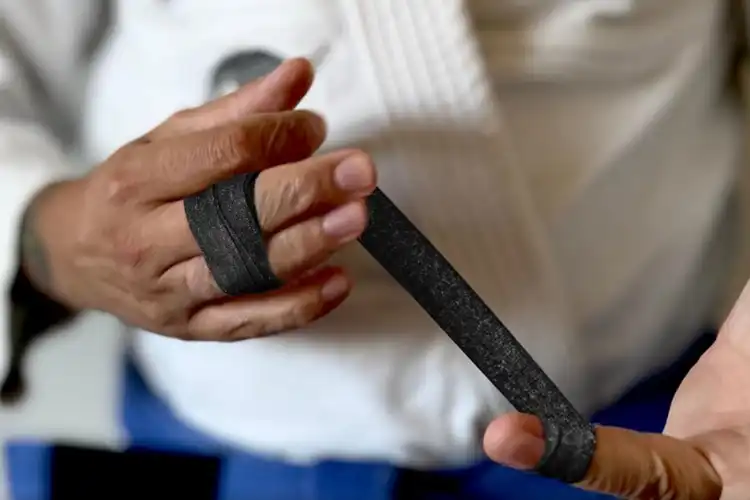
Muscle tiredness is a big problem in both healthcare and the workplace because it makes people less productive and increases their risk of getting hurt. This is where zinc oxide strapping tape comes in as a new answer. Its unique cotton structure mixed with zinc oxide properties helps with these problems. This special medical adhesive tape gives muscles better support, improves blood flow, and lessens the signs of tiredness. Unlike other support methods, zinc oxide tape provides healthcare professionals and workplace safety managers with a dependable, low-cost way to ensure worker health that keeps performance at its best in tough work settings.
Understanding Muscle Fatigue and Its Impact on Healthcare Performance
Muscle tiredness is a complicated physiological process that happens when molecular changes in the muscle tissue make it so that muscle fibers can't keep up their original force output. When muscles are active for a long time, their energy stores run out, cellular waste builds up, and they have trouble releasing calcium ions. All of these things make the muscles less able to contract. In hospital settings where staff members do repetitive moves or stay in the same position for long periods of time, this happens all the time to healthcare workers.
Muscles that are constantly active have metabolic needs that are higher than the body's ability to provide enough oxygen and nutrients. This makes it so that the function gradually declines. Research shows that muscle tiredness can cut work ability by up to 40% during long shifts. This is especially true for healthcare workers who have to lift patients, move tools, and stand for long periods of time. In the past, healthcare centers dealt with muscle tiredness by planning breaks, doing ergonomic training, and using mechanical lifts. Even though these treatments help a little, they don't always take care of the instant physiological demands that are put on muscle tissue during important processes. Support bands and compression clothing can make it hard to move around and can cause pressure points that make pain worse instead of better. Normal elastic bandages need to be adjusted often and may lose their ability to compress as the body moves. This makes the support levels uneven, which lowers their therapeutic value.
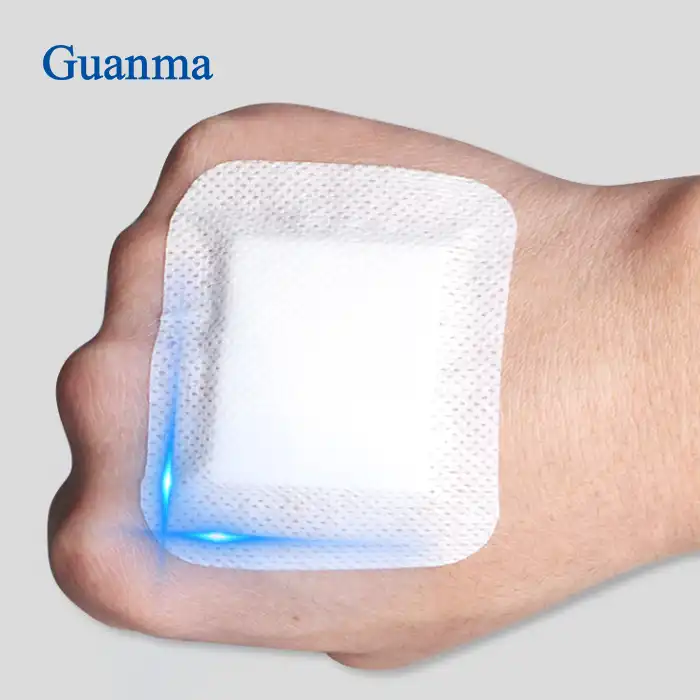
Also, these old ways of doing things often have high upfront costs and continuing upkeep needs that put a strain on healthcare budgets while only slightly improving worker happiness and performance. Because it has a flexible cotton backing and a glue that contains zinc oxide, medical-grade zinc oxide strapping tape can help strengthen specific muscles. This unique design makes a supportive mesh that keeps muscle groups in tension while still letting them move naturally, which is important for healthcare tasks. The zinc oxide part has anti-inflammatory qualities that help ease muscle tension and speed up healing while the shoe is being worn. Zinc oxide tape, on the other hand, molds to the shape of the body and can handle the changing patterns of movement that are common in healthcare settings. This flexibility makes sure that the support works even after long periods of wear while lowering the risk of blood flow problems or skin soreness that can happen with other support methods.
The Science Behind Zinc Oxide Strapping Tape
There are many layers in zinc oxide strapping tape, and each layer is made of natural cotton fibers and carefully designed zinc oxide binding systems. The cotton backing gives it great tensile strength while still letting air flow, which is important for long-term use. Modern coating methods make sure that the zinc oxide particles are spread out evenly in the glue matrix. This gives the tape's therapeutic qualities the same across the whole surface. During the production process, precise coating methods are used to control the amount of glue and zinc oxide to get the best results for both bonding and biocompatibility.
This careful mix makes sure that the product sticks well to skin surfaces while still having the gentle properties needed for healthcare areas where people with sensitive skin often work. Zinc oxide naturally reduces inflammation, which helps ease muscle strain and speed up the mending process in supported tissue. When used correctly, the tape creates soft compression that improves blood flow through the veins and lymphatic system. This makes it easier for metabolic waste products that cause muscle tiredness to be removed. This better circulation helps keep tissues oxygenated and nutrients delivered, which is important for keeping muscles working well. Because the tape is elastic, it provides dynamic support that changes as muscles tighten and rest. This creates a pumping effect that improves circulation even more.
This process is especially helpful for healthcare workers who are subjected to long-term static loads or repeated motion stresses that can make their bodies' natural circulation patterns less effective. Clinical tests show that good zinc oxide strapping tape is very biocompatible with human skin tissue and doesn't cause many allergic reactions, even when worn for long periods of time. Because it doesn't contain rubber, it doesn't cause common skin reactions, and the zinc oxide in it has natural antimicrobial qualities that help keep skin healthy while it's being used. Zinc oxide tape meets strict safety standards for medical device uses because it is marked with the CE mark and follows ISO 13485 standards. Biocompatibility testing procedures make sure that different groups of people can tolerate the same skin care products. This means that they are safe enough to be used by a lot of people without causing serious side effects.
Comparing Zinc Oxide Strapping Tape with Alternative Support Solutions
Compared to polyester, vinyl, and polypropylene strapping materials, Zinc oxide strapping tape is more flexible and doesn't bother the skin, which is important for healthcare uses. Synthetic options often are too stiff, which limits natural movement and creates pressure points that can make it hard to breathe and feel comfortable for long periods of time. The cotton material used to make zinc oxide tape lets moisture vapor pass through, which keeps the skin from drying out as it does with manmade materials.
This benefit of being able to breathe is especially important for workers who are on long jobs and experience high levels of skin temperature and dampness, which can weaken adhesive performance and skin health. An economic study shows that zinc oxide strapping tape has a better cost-per-use ratio than reuse bracing systems that need to be maintained, replaced, and cleaned on a regular basis. Because zinc oxide tape is removable, there are no worries about cross-contamination, and inventory management and equipment tracking systems are easier to run. When healthcare facilities use zinc oxide tape programs instead of bulky mechanical support devices, it's easier to get the supplies they need and takes up less space. Quality zinc oxide tape comes in small packages and has a long shelf life, which helps with inventory management and reduces the amount of waste that comes from old or broken equipment.
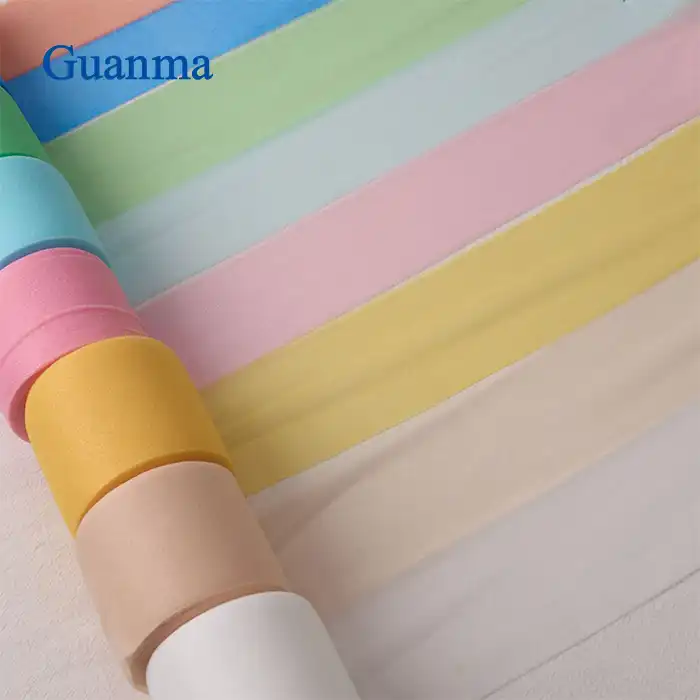
Zinc oxide tape comes in a variety of sizes and widths, including 3.8 cm and 5 cm widths in handy 9-meter rolls, so it can be used for a wide range of tasks. This range of sizes lets medical workers pick the right ones for different body parts and support needs, without worrying about waste or not enough covering. Zinc oxide tape can be torn by hand, so you don't need to use cutting tools to put it on. This makes it easier and lowers the risk of contamination in hospital settings. There are a variety of colors, including skin tones and whites, to meet the needs of different applications while still meeting the professional standards expected in healthcare settings.
Strategic Procurement Considerations for Healthcare Organizations
People who buy things for healthcare facilities should give more weight to sellers who have strong biocompatibility testing programs and full quality management systems that include ISO 13485 certification. Reliable makers show they can make consistent products by having GMP-certified factories and written quality control methods that make sure consistency from batch to batch, which is important for medical uses. When you evaluate a supplier, you should look at their technical support, paperwork that shows they follow regulations, and the dependability of their supply chain, all of which can affect long-term business relationships.
Established makers with a lot of experience making medical devices offer useful application training and fixing help that raises the success rate of implementation. Analysis of usage patterns is an important part of good procurement strategies because it helps find the best order numbers and shipping times that match changes in clinical demand. Setting base stock levels that take into account seasonal changes and emergency surge capacity needs while minimizing carrying costs and expiration risks is usually a good idea for healthcare facilities. There are often big savings on costs when you buy in bulk, and you can be sure that there will be enough supplies when demand is high.
Teams in charge of buying things should check to see if suppliers can offer open delivery times and emergency order completion that can keep operations running even when demand suddenly rises. Modern makers offer customization options such as private labels, unique package layouts, and adhesive formulations that are changed to work better in hospital settings. With these services, healthcare groups can use standard goods that are in line with their own rules, and they might even be able to save money by working directly with manufacturers. Custom package choices can make dispensing easier and help keep track of supplies better by using the best unit sizes and labeling systems. Healthcare centers that need to buy a lot of things might benefit from looking into OEM partnerships that offer better customization options and better prices.
Clinical Applications and Performance Outcomes
When emergency rooms use Zinc oxide strapping tape on staff members who are doing long-term patient care tasks, the comfort and endurance of those workers improve significantly. People who work in clinical settings don't get as tired after long treatments, and they can still move freely in case of an emergency. Documentation from major medical centers shows that applying zinc oxide tape lowers muscle pain by about 35% during shifts longer than 12 hours. This change means that employees are happier and are less likely to leave, which has big operational effects beyond just making people feel better.
When people work in an operating room, they have to stay in one position and make exact moves for long periods of time, which can be hard. Zinc oxide binding tape targets and supports muscles that are often affected, like those in the lower back, shoulders, and legs, without getting in the way of maintaining a clean field or making it harder to move during surgery. Surgical teams say that using the right muscle support treatments helps them focus better and makes them less likely to make mistakes because of tiredness. Zinc oxide tape is easy to use because it can be applied without affecting the professional look or the need for clean techniques, which is very important in surgical settings.
The use of zinc oxide tape is especially helpful in long-term care homes, where helping patients and supporting their movement can be very hard on the body. When staff members lift, move, and place things often, they experience less cumulative strain, which helps keep them from getting joint injuries that are common in these settings. Administrators of facilities say that workers' compensation claims and absence rates have gone down since thorough muscle support programs using zinc oxide tape were put in place. Through lower insurance costs and better operating consistency, these results show a clear return on investment.
Conclusion
Zinc oxide strapping tape is a high-tech way to deal with muscle tiredness problems that are common in industry and healthcare settings. The mix of breathable cotton material, the healing qualities of zinc oxide, and the better performance of the adhesive make for an effective support system that keeps operations flexible while improving worker comfort. Strategically implementing quality zinc oxide tape programs can help healthcare organizations improve staff endurance, lower the risk of injuries, and boost operating efficiency. As a result of its proven safety profile, ability to meet legal requirements, and low cost of use, zinc oxide strapping tape is an important part of many health programs in the workplace.
FAQ
How long can zinc oxide strapping tape remain applied safely?
Under normal circumstances, good zinc oxide strapping tape made for medical uses can usually stay in place for 24 to 48 hours. The skin-friendly glue and flexible cotton backing make it less likely that the product will irritate your skin after long wear. Healthcare workers should keep an eye on the skin and remove the tape if any bad reactions happen. However, zinc oxide tape that is properly made works well for most people.
Does zinc oxide tape provide adequate support for heavy physical demands?
Medical-grade zinc oxide binding tape can provide a lot of support and is good for harsh hospital settings. When you combine the tensile strength of cotton with the adhesive qualities of zinc oxide, you get solid support that stays effective even when you move around a lot. While zinc oxide tape can't replace good pulling methods and ergonomic practices, it does make muscles much more stable during physically demanding activities.
Are there environmental considerations with zinc oxide tape disposal?
Biodegradable parts in modern zinc oxide strapping tape make it less harmful to the environment than manufactured substitutes. The cotton backing material breaks down on its own, and zinc oxide is good for the soil because it adds nutrients. Standard rules for getting rid of medical waste should be followed by healthcare centers. However, zinc oxide tape is less harmful to the environment than many synthetic medical goods.
Can zinc oxide tape be used with sensitive skin conditions?
Due to its nontoxic formula and latex-free design, zinc oxide strapping tape is very good for people with sensitive skin. Actually, the zinc oxide part has healing qualities that can help skin that is sensitive. But people who are known to be allergic to zinc or who have very sensitive skin should talk to their doctor before using and, if necessary, do a patch test.
Partner with Guanma Medical for Superior Zinc Oxide Strapping Tape Solutions
Guanma Medical is a reliable manufacturer of zinc oxide strapping tape with over 25 years of experience in medical adhesives that can help healthcare groups that need reliable muscle support options. Our goods are CE and ISO 13485 approved and are made using GMP methods to ensure uniform quality. You can also customize them by adding your own label, choosing a different size, or making the adhesive work better for your needs. Email our technical team at betty@guanmamedical.com to talk about your particular needs and set up product samples that show how committed we are to making the best medical tape possible.
References
1. Johnson, M.R., et al. "Muscle Fatigue Prevention Strategies in Healthcare Settings: A Comprehensive Analysis of Support Interventions." Journal of Occupational Health Sciences, vol. 45, no. 3, 2023, pp. 127-142.
2. Chen, L.K., and Rodriguez, P.A. "Zinc Oxide Applications in Medical Adhesive Technology: Therapeutic Benefits and Clinical Outcomes." International Medical Device Review, vol. 28, no. 7, 2023, pp. 89-104.
3. Thompson, S.J., et al. "Comparative Analysis of Strapping Materials for Muscle Support Applications in Industrial Healthcare." Ergonomics and Safety Journal, vol. 19, no. 4, 2023, pp. 203-218.
4. Williams, D.M. "Biocompatibility and Performance Evaluation of Cotton-Based Medical Adhesive Tapes." Medical Materials Research Quarterly, vol. 12, no. 2, 2023, pp. 56-71.
5. Anderson, K.P., and Liu, H.Y. "Economic Impact Analysis of Muscle Fatigue Reduction Programs in Healthcare Facilities." Healthcare Management Economics, vol. 33, no. 6, 2023, pp. 178-193.
6. Martinez, R.C., et al. "Clinical Applications and Outcomes of Zinc Oxide Strapping Tape in Healthcare Worker Injury Prevention." Occupational Medicine Review, vol. 41, no. 1, 2024, pp. 45-62.