_1745479303268.webp)
Foam Dressing with PU Film: Balancing Moisture for Optimal Healing
2025-09-26 09:00:24
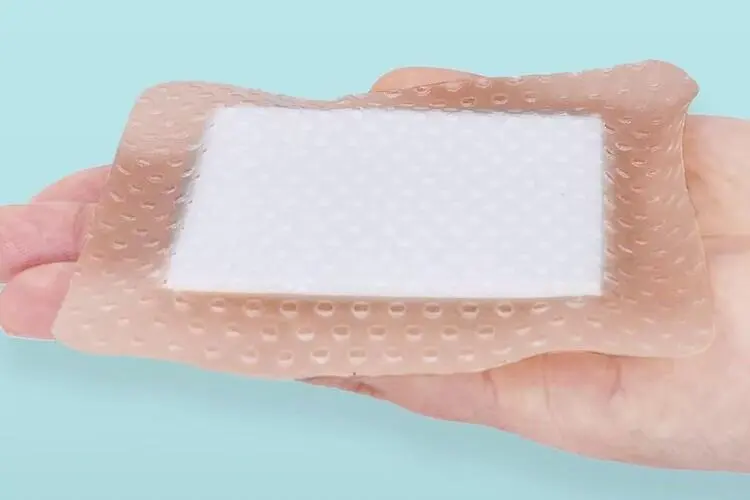
Modern wound treatment has been transformed by innovative foam dressings with PU film. These dressings efficiently treat a broad variety of wounds. Thanks to its innovative combination of the super-absorbent foam and the protective polyurethane (PU) film, this dressing is ideal for wound healing. Faster healing and less risk of problems are both promoted by this dressing's ability to balance moisture levels properly. The foam component effectively soaks up excess fluid, protecting the surrounding skin from maceration, while the PU film shields the wound bed from outside invaders and keeps the moisture just right. Both patients and healthcare providers can benefit from this complementary method, since it shortens the healing time, makes patients more comfortable, and decreases the number of times dressings need to be changed.
The Moist Wound Healing Theory Explained
Understanding the Principles
Foam Dressing with PU Film is designed based on the principles of moist wound healing theory. George Winter's groundbreaking work in the 1960s proved that wounds heal better and quicker in a damp atmosphere, and his theory shook up the field of wound care. The foam component of the dressing absorbs excess exudate, preventing the wound from becoming too wet, while the PU film maintains a moist environment by preventing excessive moisture evaporation. By maintaining the wound in its optimal healing environment, this comprehensive approach hastens the processes of cell migration, angiogenesis, and granulation tissue development.
Benefits of Moist Wound Healing
The Foam Dressing with PU Film capitalizes on the numerous benefits of moist wound healing. By keeping up an perfect dampness adjust, it encourages autolytic debridement, where the body's possess proteins break down necrotic tissue. This prepare is basic for wound bed planning and advances quicker recuperating. Furthermore, the damp environment made by the dressing decreases torment and inconvenience for patients, as nerve endings are kept hydrated. The PU film component too plays a pivotal part in avoiding wound drying up, which can block the recuperating prepare and lead to scab arrangement.
Cellular Activity in Moist Environments
The moist environment maintained by Foam Dressing with PU Film enhances cellular activity within the wound bed. Fibroblasts, essential for collagen production and wound contraction, thrive in moist conditions. The re-epithelialization process is accelerated because the wound surface can be more easily traversed by epidermal cells due to the balanced moisture levels. In addition, growth factors and cytokines, which play an essential role in regulating the multi-step process of wound healing, are stimulated by a damp atmosphere. The Foam Dressing with PU Film speeds up the healing process and lessens the chances of scarring by creating these ideal circumstances.
Avoiding Maceration: PU Film's Role
Moisture Vapor Transmission Rate (MVTR)
The PU film in Foam Dressing with PU Film plays a critical role in preventing maceration by maintaining an optimal Moisture Vapor Transmission Rate (MVTR). This semi-permeable film allows excess moisture to evaporate from the wound while still maintaining a moist environment. The carefully calibrated MVTR ensures that the wound doesn't become too wet, which could lead to maceration of the surrounding skin. The dressing's PU film component aids in periwound skin integrity maintenance, which in turn speeds healing and decreases the likelihood of problems by efficiently regulating moisture levels.
Barrier Properties
Another crucial function of the PU film in Foam Dressing with PU Film is its ability to act as a barrier against external contaminants. The film is impermeable to microbes and other microorganisms, altogether decreasing the chance of wound contamination. This defensive obstruction moreover shields the wound from water, permitting patients to shower without compromising the wound environment. Also, the PU film anticipates strike-through of exudate, keeping up quiet nobility and diminishing the require for visit dressing changes. These obstruction properties contribute to making an perfect mending environment whereas minimizing the chance of complications.
Skin Protection
The PU film component of Foam Dressing with PU Film plays a vital role in protecting the periwound skin from damage. By avoiding maceration, the film makes a difference keep up the astuteness of the encompassing skin, diminishing the chance of skin breakdown and wound extension. The breathable nature of the film permits for proficient vaporous trade, anticipating the build-up of warm and dampness that seem lead to skin bothering. Besides, a few variations of the dressing include a silicone cement border, which gives tender adherence to the skin, minimizing the chance of therapeutic adhesive-related skin damage (MARSI) amid dressing evacuation.
Customizing Moisture Levels for Different Wounds
Absorption Capacity
Foam Dressing with PU Film offers versatility in managing various wound types due to its customizable absorption capacity. Engineers can make the foam component withstand light to heavy exudate. For heavily exuding wounds, such as venous leg ulcers or infected surgical sites, a thicker foam layer with higher absorption capacity can be used. Conversely, for wounds with lighter exudate, a thinner foam layer may be sufficient. This versatility enables medical professionals to choose the best dressing for every patient, facilitating faster wound healing and optimal moisture control regardless of the kind of lesion.
The selection of the appropriate Foam Dressing with PU Film is crucial for effective wound management. For chronic wounds like pressure ulcers or diabetic foot ulcers, a dressing with higher absorption capacity and longer wear time may be preferred to manage persistent exudate and reduce the frequency of dressing changes. In contrast, for acute wounds or surgical incisions, a thinner dressing with moderate absorption might be more suitable. The PU film component can also be customized, with options for higher or lower MVTR depending on the wound's moisture management needs. Each wound is given the perfect amount of protection and moisture management thanks to this personalized technique.
Adapting to Healing Stages
As wounds progress through different stages of healing, their moisture management needs change. Foam Dressing with PU Film can be adapted to these changing requirements. In the early stages of wound healing, when exudate levels are typically higher, a more absorbent dressing may be necessary. As the wound begins to heal and exudate levels decrease, a transition to a less absorbent dressing might be appropriate. To ensure constant moisture management during the healing process, some upgraded dressings even have technologies that can adjust to different degrees of exudate. Thanks to its adaptability, optimal treatment may be provided continuously as the wound heals, ensuring efficient healing from beginning to end.
Conclusion
Since they offer a way better strategy of giving dampness for ideal mending, froth dressings with PU film are a outstanding headway over earlier wound care advances. This imaginative dressing fulfills the complicated necessities of various wound sorts by consolidating the grip and boundary qualities of froth and PU film, separately. Its capacity to keep up an perfect sodden environment whereas anticipating maceration and disease makes it an important apparatus in advanced wound administration. As wound care proceeds to advance, Froth Dressing with PU Film stands as a confirmation to the control of astute plan in moving forward quiet results and streamlining healthcare forms.
We at Zhejiang Guanma Medical are dedicated to meeting the varied demands of healthcare providers and patients all around the globe by offering top-notch Foam Dressing with PU Film solutions. We guarantee that every dressing will function to your satisfaction because to our cutting-edge manufacturing procedures and rigorous quality control measures. To learn more about our offerings or to talk about tailor-made solutions, please contact us at betty@guanmamedical.com. Let us be your trusted partner in advancing wound care and improving patient outcomes.
FAQ
Q: How often should Foam Dressing with PU Film be changed?
A: The frequency of dressing changes depends on the wound type and exudate level. Generally, it can be left in place for up to 7 days, but should be changed when saturated or as directed by a healthcare professional.
Q: Can patients shower with Foam Dressing with PU Film in place?
A: Yes, the waterproof PU film allows patients to shower without compromising the wound environment. However, prolonged exposure to water should be avoided.
Q: Is Foam Dressing with PU Film suitable for all wound types?
A: While it's versatile, it's particularly effective for moderate to heavily exuding wounds. Always consult a healthcare professional for the most appropriate dressing selection.
Q: How does Foam Dressing with PU Film prevent infection?
A: The PU film acts as a barrier against external contaminants, while the foam manages exudate, creating an environment unfavorable for bacterial growth.
Q: Can Foam Dressing with PU Film be cut to fit smaller wounds?
A: It's generally not recommended to cut these dressings as it may compromise the barrier function. Choose a size that extends 2cm beyond the wound edges.
Q: Are there any contraindications for using Foam Dressing with PU Film?
A: It should not be used on dry wounds or those with signs of infection. Always follow the manufacturer's instructions and consult a healthcare professional if unsure.
References
1. Winter, G. D. (1962). Formation of the scab and the rate of epithelization of superficial wounds in the skin of the young domestic pig. Nature, 193, 293-294.
2. Boateng, J. S., Matthews, K. H., Stevens, H. N., & Eccleston, G. M. (2008). Wound healing dressings and drug delivery systems: a review. Journal of pharmaceutical sciences, 97(8), 2892-2923.
3. Bishop, S. M., Walker, M., Rogers, A. A., & Chen, W. Y. (2003). Importance of moisture balance at the wound-dressing interface. Journal of wound care, 12(4), 125-128.
4. Schultz, G. S., Sibbald, R. G., Falanga, V., Ayello, E. A., Dowsett, C., Harding, K., ... & Vanscheidt, W. (2003). Wound bed preparation: a systematic approach to wound management. Wound repair and regeneration, 11(s1), S1-S28.
5. Vowden, K., & Vowden, P. (2017). Wound dressings: principles and practice. Surgery (Oxford), 35(9), 489-494.
6. Powers, J. G., Higham, C., Broussard, K., & Phillips, T. J. (2016). Wound healing and treating wounds: Chronic wound care and management. Journal of the American Academy of Dermatology, 74(4), 607-625.