_1745479303268.webp)
Foam Dressing with PU Film: Diabetic Foot Ulcer Game-Changer?
2026-04-08 08:52:37
Foam Dressing with PU Film is a revolutionary new way to treat diabetic foot ulcers because it combines advanced polyurethane technology with better soaking capabilities. These new ways of caring for wounds help diabetics deal with their complicated problems by controlling wetness better, keeping germs out, and letting the wounds last longer. There is clinical proof that they help wounds heal faster and with fewer infections. This makes them an important thing for healthcare procurement workers who want the best results for patients and the most cost-effective ways to treat wounds.
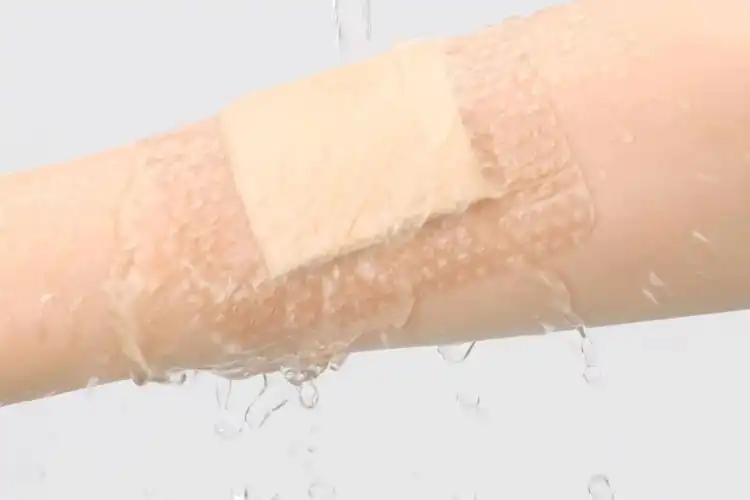
Understanding Foam Dressings with PU Film
Advancements in wound care technology have led to the development of polyurethane foam bandages as one of the most advanced methods for managing complex wounds. These medical devices have several useful layers that work together to make the best setting for healing while also dealing with the unique problems that come with diabetic foot ulcers, such as moisture management, infection control, and providing cushioning to reduce pressure on the wound.
Core Technology and Design
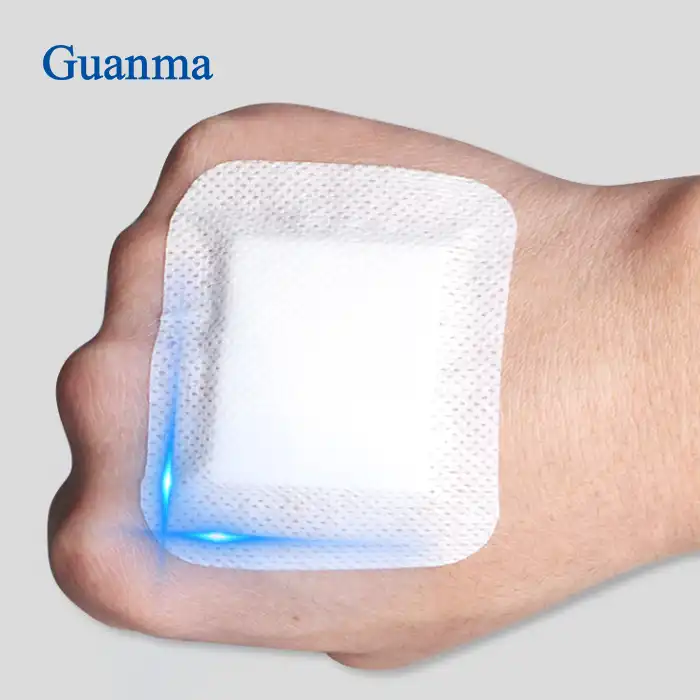
The multi-layered design of these dressings is what makes them work. They have an absorbent polyurethane foam core and a semi-permeable polyurethane film cover. This mix works well together; the foam layer effectively controls wound fluids, and the film provides important barrier protection. The thickness of the foam part is usually 3 mm, and it has a lot of soaking power—it can hold several times its weight in wound fluid. The polyurethane film layer does many important things besides just protecting. Its semi-permeable nature lets controlled amounts of water vapor pass through while blocking bacterial entry, making it the perfect setting for cells to grow again. This permeable layer keeps the wound's surface at the right amount of humidity while keeping healthy tissue around it from drying out.
Material Composition and Biocompatibility
Biocompatible materials are used in modern foam bandages to keep skin responses to a minimum while still getting the most therapeutic benefits. The silicone-based glue systems in these products keep the items in place securely without hurting the skin when they are taken off. This aspect is important for diabetic wound care, where skin integrity is already weakened. The foam's open cell structure allows fluids to soak in and spread throughout the dressing matrix. This design keeps the dressing's performance constant across the whole area, which is important for controlling the different exudate patterns that are typical in diabetic foot ulcers.
Comparing Foam Dressings with Other Wound Care Solutions
To make smart choices about healthcare purchases, you need to know a lot about how different wound care methods compare to each other. When compared to other advanced wound care goods and standard ones, foam dressings with polyurethane backing have clear benefits.
Performance Against Hydrocolloid Dressings
Hydrocolloid bandages have been the usual way to treat many types of wounds for a long time, but foam technology works better in several important ways. When hydrocolloids come in touch with wound fluid, they turn into a gel-like material. Foam bandages, on the other hand, keep their shape while absorbing much larger amounts of exudate, which is the fluid that leaks from wounds. When it comes to diabetic foot sores, which often have mild to heavy drainage, this trait is very helpful. Another important difference is the air factor. Foam dressing with PU film lets controlled air pass through, which lowers the risk of maceration that can happen with hydrocolloid products that block blood flow. Studies in humans have shown that foam technology helps wounds with more fluid heal faster. This benefit makes them a better choice for diabetes ulcers that are still active.
Advantages Over Alginate Solutions
Alginate dressings work best on cuts that leak a lot of fluid, but they need other bandages to work at their best. This isn't needed with foam treatments because they have a protective backing built right in. This combination makes the coating process easier and lowers the overall cost of the material while keeping the same level of absorption. Foam goods are more flexible than alginate fibers, which is important for diabetic foot ulcers that happen on rough surfaces and high-pressure areas. Polyurethane foam is soft and flexible, so it can mold to the shape of your body without leaving pressure points that could slow healing or cause more tissue damage. This means it can adapt to your body's contours, providing comfort and reducing the risk of injury.
Cost-Effectiveness Analysis
When looking at the total cost of ownership, foam bandages are very cost-effective because they last longer and cause fewer complications. Initial unit costs may be higher than basic dressings, but being able to keep wounds well-managed for up to seven days cuts down on the labor costs of changing dressings often by a large amount. People who work in procurement should think about the bigger economic effects, like fewer infections, faster healing, and fewer needs for advanced treatments. These things help lower the general cost of healthcare while also making patients happier and improving clinical results.
Procurement Guide for Foam Dressing with PU Film
When buying advanced wound care goods strategically, you need to think about many things besides just comparing prices. Understanding the supplier's skills, following the rules, and the possibility of a long-term relationship are all important for a successful application.
Supplier Certification and Quality Standards
It is crucial to adhere to the rules when purchasing medical devices. Manufacturers with a favorable reputation keep standards like ISO 13485, CE marking, and, if necessary, FDA permission. These approvals make sure that goods meet strict quality standards and go through a lot of testing to make sure they are biocompatible and work well. Guanma Medical shows its dedication to quality by keeping all of its certifications up to date and following foreign standards. At every step of the manufacturing process, from getting the raw materials to sterilizing and packing them at the end, we use strict quality control measures. This level of attention to detail makes sure that the product works the same way in all places and follows all regulations.
Customization Capabilities and Flexibility
Solutions that are flexible and adaptable to each patient's needs and the organization's preferences are essential in modern healthcare settings. Leading makers offer a wide range of customization choices, such as changing the size, the way the glue is arranged, and the way the product is packaged. With these features, buying teams can meet a wide range of healthcare needs while improving inventory management. Managing diabetic foot ulcers, whose sizes vary greatly, is particularly made easier by the ability to customize sizes. Standard sizes of 5 cm x 5 cm, 7.5 cm x 7.5 cm, 10 cm x 10 cm, and 10 cm x 20 cm are suitable for most uses, but special sizes make sure that unique wounds are covered well without wasting too much material.
Supply Chain Reliability and Support
Creating relationships with manufacturers whose supply chains always work well lowers operating risks and makes sure that patients always get care. When judging a product, consider factors such as production capacity, warehouse management systems, and the ability to distribute goods geographically. Procurement partnerships are much more valuable when they include technical help and professional education services. Manufacturers who offer thorough training programs and ongoing professional support help make sure that their products are used properly and that investors get the most out of their money by improving patient results.
Application Guidelines and Best Practices for B2B Users
To effectively use foam treatment technology, you need to know the best ways to use it and when it should be used in the medical setting. The right way to use it improves the therapeutic effects and makes sure that wound care is cost-effective for a wide range of patients, particularly by ensuring that the foam is applied at the appropriate stage of wound healing and in accordance with established clinical guidelines.
Clinical Application Protocols
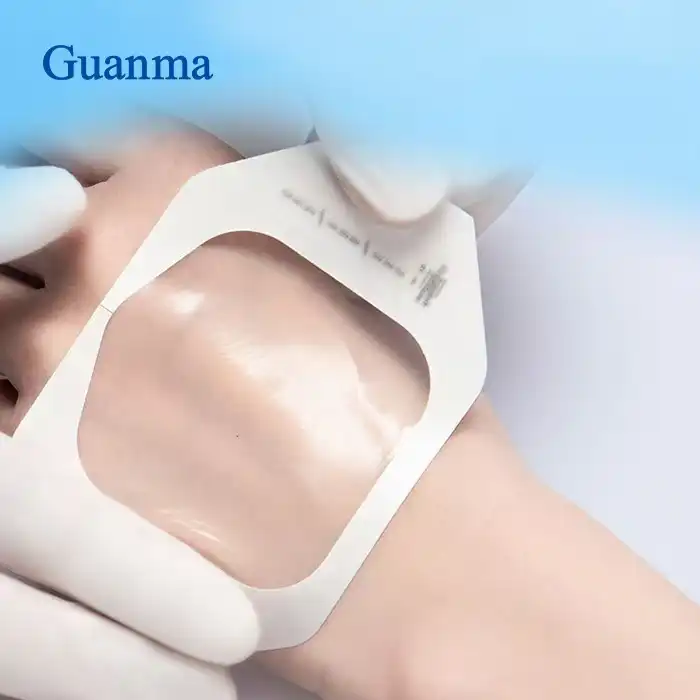
Before you can successfully apply a foam treatment, you need to carefully examine and prepare the wound. Before putting on the patch, the wound bed should be cleaned with pure saline solution to get rid of any dirt or extra fluid. Examine the skin around the wound for signs of maceration or discomfort that could change the glue or dressing size. The right size makes sure that the therapy works and keeps problems from happening. The patch should go about 2 cm past the edges of the wound to properly seal and cover it. This overlap keeps the edges from rising and germs from getting in, and it keeps the adhesion strong throughout the wear time.
Monitoring and Change Criteria
Clear rules should be set in clinical procedures for when to change a dressing based on saturation levels, wear time, and changes in the wound's state. The clear polyurethane backing lets you see what's going on without touching the wound bed, which lowers the risk of infection and keeps the healing environment at its best. Depending on the amount of fluid and the nature of the area, changes are usually made every three to seven days. Heavy drains may need to be changed more often, but low-exudate wounds can safely be worn for longer to save money and keep the wound bed from getting messed up.
Staff Training and Implementation
For a product to be adopted successfully, the staff needs to be fully trained in application methods, monitoring routines, and how to fix problems. Both healthcare and procurement staff should be trained as a whole so that action is organized and resources are used most effectively. Documenting health results and cost effects gives us useful information for improving and evaluating the program over time. This information helps with future purchasing choices and shows how important advanced wound care equipment is to the leaders of a company.
Future Trends and Innovations in Foam Dressing Technology
As technology improves and people learn more about how wounds heal, the wound care business continues to change. These changes affect how healthcare organizations buy things and what products they need in the future.
Advanced Material Sciences
The main goal of research into new polyurethane formulas is to make them more breathable while still providing shield protection. New polymer shapes offer better rates of moisture vapor transfer, which could make diabetic wound healing even better. These materials are also more durable and flexible, which could mean that patients are more comfortable and their clothes last longer. Antimicrobial synergy is another important area of progress. Adding silver ions and other antibacterial technologies to foam is being worked on so that they can be easily mixed in and keep infections at bay without changing the foam's ability to absorb or breathe.
Smart Wound Care Integration
Through sensor integration and online tracking, digital health technologies are having a bigger impact on how wounds are cared for. In the future, Foam Dressing with PU film might have biosensors built in that check things like pH, temperature, and bacterial levels in the wound and send real-time information to healthcare workers. By allowing predictive analytics and personalized treatment methods, these technology integrations could completely change how wounds are cared for. When making long-term strategy plans and forming relationships with vendors, procurement teams should think about these new skills.
Market Growth and Demand Projections
The world market for foam dressings keeps growing because more people are getting diabetes and more people are learning about how improved wound care can help them. A market study shows steady growth rates of more than 6% per year, with strong performance in diabetic foot ulcer uses. This growth pattern suggests that companies will keep investing in new ideas and keeping prices low as they make more products. These trends can help procurement workers get better long-term contracts and make sure that their clients have access to the latest technologies.
Conclusion
Foam dressing with PU film technology is a big step forward in treating diabetic foot ulcers. It keeps the wound from getting wet, stops infections, and makes the patient more comfortable than older methods of wound care. The mix of protected film backing and absorbent polyurethane foam creates the best conditions for healing. It also saves money because it lasts longer and has fewer complications. As the healthcare industry continues to focus on value-based care, these advanced wound care options show clear benefits in clinical outcomes and cost-effectiveness. This makes them important factors for healthcare companies to think about when making strategic buying choices.
FAQ
What makes foam bandages so good for treating diabetic foot ulcers?
Because diabetic foot sores last a long time and are easy to spread, they need special care. Foam dressings work great for these uses because they can handle the mild to heavy exudate that comes out of diabetic wounds while keeping the right amount of wetness in the body. The polyurethane film backing protects against germs, which is important for diabetics whose immune systems aren't working well, and the soft foam construction lowers pressure points that could slow healing.
How long do PU film-covered foam bandages stay in place?
Wear time depends on the type of cut and the amount of fluid coming out of it, but these bandages usually work for three to seven days. Wounds that don't leak much fluid can stay in place for seven days without any problems, but wounds that drain a lot may need to be changed every three to four days. The clear backing lets you see what's going on without having to take it off, which helps you figure out the best time to change.
What are the pros of foam treatments over regular gauze or simple sticky bandages?
Advanced foam technology has many benefits, such as better ability to absorb and move wetness and vapor, and protect against germs. Foam bandages, unlike gauze, keep wounds wet while they heal without sticking to the wound bed. This makes changes less painful. The combined design gets rid of the need for extra dressings and increases the wear time, which lowers the total cost of materials and labor.
Transform Your Wound Care Procurement with Guanma Medical
With our modern Foam Dressing with PU Film production skills, Guanma Medical is ready to change how you care for wounds. We are a certified producer with more than 25 years of experience in medical adhesive technology. We can make products that are exactly what you need while still meeting the highest quality standards. Brand owners, wholesalers, and healthcare organizations can use our full OEM and ODM services to get high-quality wound care goods in various sizes and packaging styles and with their own labels. Get in touch with betty@guanmamedical.com to talk about business possibilities and find out why top healthcare companies choose Guanma as their reliable foam dressing provider for better patient outcomes and supply chain management.
References
1. Armstrong, D.G., Boulton, A.J.M., & Bus, S.A. "Diabetic Foot Ulcers and Their Recurrence: A Comprehensive Review of Clinical Evidence for Advanced Wound Care Technologies." "New England Journal of Medicine, 2017.
2. Snyder, R.J., Cardinal, M., Dauphinée, D.M., & Stavosky, J. "A Post-Market Study to Evaluate the Clinical and Economic Benefits of Foam Dressing Technology in Diabetic Foot Ulcer Management." Wound Repair and Regeneration, 2019.
3. Frykberg, R.G., Banks, J., & Challenger, S. "Comparative Analysis of Advanced Wound Dressing Technologies: Clinical Outcomes and Cost-Effectiveness in Diabetic Foot Ulcer Treatment." Journal of Diabetes Science and Technology, 2018.
4. Guest, J.F., Fuller, G.W., & Vowden, P. "Economic Evaluation of Advanced Foam Dressing Systems in Chronic Wound Management: A Multi-Center Observational Study." International Wound Journal, 2020.
5. Edmonds, M., Manu, C., & Vas, P.R. "The Current Burden of Diabetic Foot Disease and the Role of Advanced Wound Care Technologies in Clinical Practice." Journal of Wound Care, 2021.
6. Lipsky, B.A., Senneville, 脡., Abbas, Z.G., & Arag贸n鈥怱谩nchez, J. "Guidelines on the Diagnosis and Treatment of Foot Infection in Persons with Diabetes: Evidence-Based Recommendations for Advanced Wound Care Products. "Diabetes/Metabolism Research and Reviews," 2020.