_1745479303268.webp)
Foam Dressing with PU Film vs Traditional Dressings: The Showdown
2026-04-01 09:25:24
Foam dressing with PU film vs. traditional dressings is a fight that healthcare procurement workers have to make when they are comparing wound care options. Modern foam dressings with polyurethane film technology are better at removing wetness, stopping infections, and staying in place longer than traditional gauze, hydrocolloid, and alginate bandages. This in-depth study looks at the structural differences, performance metrics, and procurement factors that affect buying decisions in the current competitive medical supply market. It helps buyers around the world make choices that are best for both patients and their businesses.
Understanding Foam Dressing with PU Film and Traditional Dressings
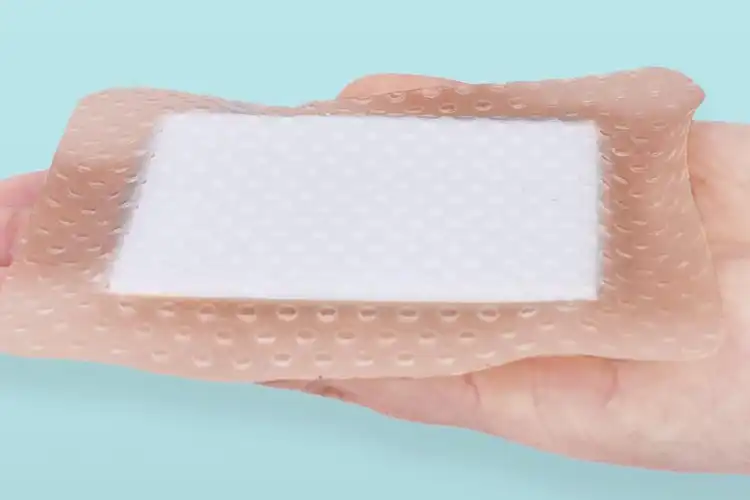
When it comes to how they are built and what they can do, foam bandages with polyurethane film are fundamentally different from other wound care items. Modern foam bandages have a core made of highly absorbent polyurethane foam and a waterproof film layer that lets some things through but not all of them. This makes for an advanced wound care system that meets many healing needs at once.
Structural Composition of Modern Foam Technology
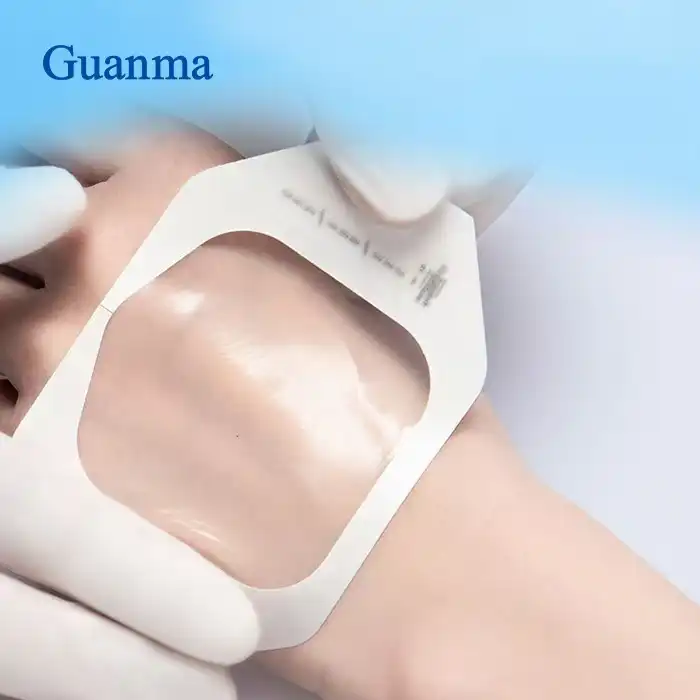
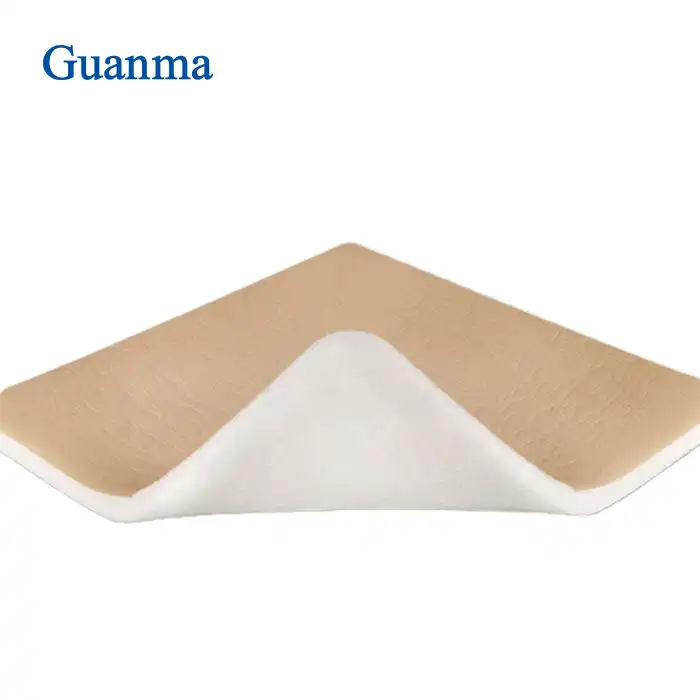
Foam dressings with PU film are made with multiple layers to create the best conditions for wound healing. The core of the absorbent foam, which is usually made of polyurethane, is very good at managing fluids while still being soft and flexible. The polyurethane film layer on the outside acts as a shield to keep out outside contaminants while still letting air pass through for the right moisture balance.
Guanma's foam dressing technology is an example of this modern design. It has silicone binding materials that are gentle on the skin and can be made in a range of sizes, from 5 cm to 20 cm. The 3 mm thickness standard makes sure that the product can absorb enough shock and keep the patient comfortable for long periods of time.
Traditional Dressing Limitations and Applications
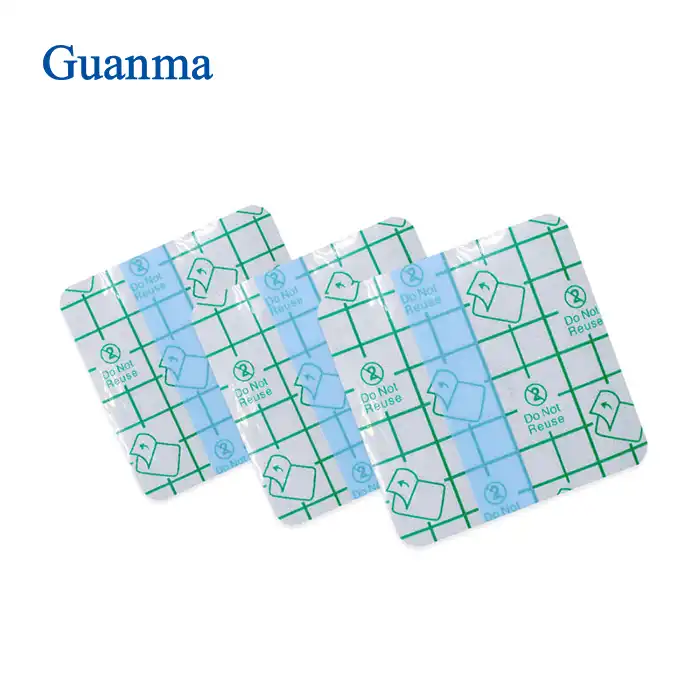
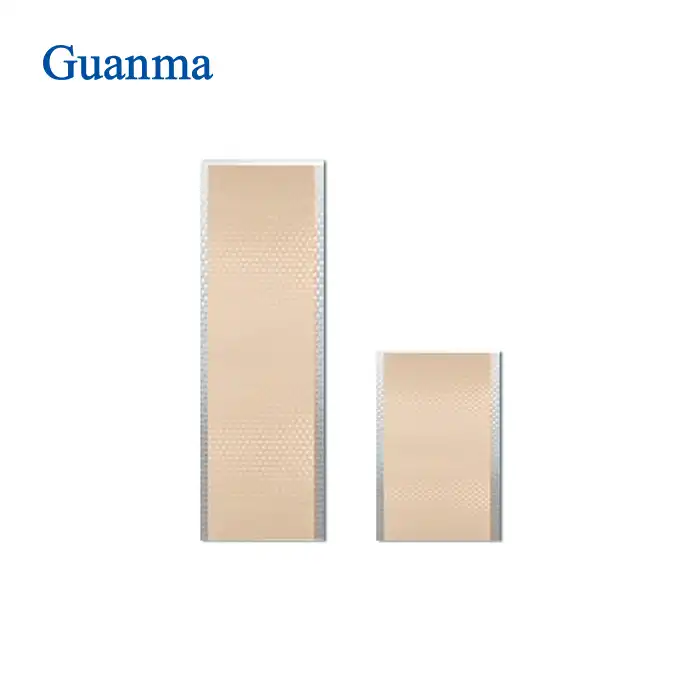
Gauze pads, hydrocolloid sheets, alginate fibers, and basic silicone goods are just a few of the materials that are used in traditional wound bandages. These common choices can help with some wound care tasks, but they often have problems with keeping the wound dry, lasting a long time, and preventing infections. Gauze patches need to be changed often and can stick to wounds, making it painful to take them off. Even though hydrocolloid bandages keep wetness in, they can't breathe or absorb fluids well enough for wounds that are leaking a lot.
The structural differences between old-fashioned and newer foam technologies have a direct effect on both health results and sourcing issues. Healthcare centers that deal with a variety of wound types can improve their supply chain tactics and patient care practices by knowing these differences.
Comparative Analysis: Foam Dressing with PU Film vs Traditional Dressings
Using performance measures to compare new foam technology to old wound care methods shows that the new foam technology has big benefits. This study looks at important factors like the ability to absorb fluids, control wetness, prevent infections, and minimize costs in various wound care situations.
Absorption and Fluid Management Capabilities
The absorption properties of foam dressings with polyurethane film are better than those of standard options. The structure of the polyurethane foam can hold several times its own weight in wound fluid while keeping its shape and stopping leaks. This better ability to absorb means that the garment can be worn for up to seven days, which saves a lot of time and money on materials.
Because they can't absorb much and can become strike-through, traditional gauze bandages need to be changed every day. Hydrocolloid bandages can absorb some fluid, but they may become saturated more quickly in settings with a lot of fluid. Alginate dressings are good at absorbing fluid from cuts that are draining a lot, but they don't provide the waterproof cover that patients need to move around and keep themselves clean.
Waterproofing and Breathability Performance
The polyurethane film part of a Foam Dressing with PU Film is very good at keeping water out while still letting air pass through, which is ideal for wound repair. This two-in-one feature lets patients take showers and keep up with their normal hygiene habits without affecting the wound's safety. The permeable layer keeps germs out while letting moisture vapor escape, which lowers the risk of wound edges becoming too dry.
Traditional patches often need extra covers to keep them dry, which makes wound care more complicated and costs more. One big problem with standard wound care methods is that they can't keep wounds dry and protected while still letting the skin breathe. This is especially true for patients who are active and in outpatient care settings.
Patient Comfort and Skin Compatibility
Advanced foam technology with silicone sticky edges protects the skin while the product is being put on and taken off. The soft, bendable material molds to the shape of the body without leaving pressure points or making it hard for the patient to move. The hypoallergenic qualities of these bandages keep skin reactions to a minimum, which means they are safe for sensitive patients like the elderly and children.
Traditional sticky bandages may irritate the skin, especially when they need to be changed often because they don't absorb well. Modern foam dressings are more comfortable, which helps patients follow their care plans and be happy with their care, both of which are both important for healthcare quality measures and compensation.
Procurement Considerations for Global B2B Clients
When global procurement professionals choose wound care providers, they have to look at a number of things, such as how well they follow regulations, how reliable the supply chain is, how much they can customize products, and the total cost of ownership. These things have a direct effect on how well operations run and how well patients are cared for in a wide range of healthcare settings.
Regulatory Compliance and Certification Standards
International rules for medical devices say that quality control systems and safety standards for products must be strictly followed. Foam dressing with PU film needs to meet ISO 13485 medical product standards and have CE marking for sales in Europe and FDA approval for sales in the US. Biocompatibility testing paperwork makes sure that skin contact products are safe for a wide range of patients.
Guanma Medical has many qualifications, such as ISO 13485, CE marking, and ISO 9001 quality control standards. Individual EO sterilization procedures and three-year shelf life proof are part of our manufacturing processes. These meet international standards for distributing medical devices. Regulatory audits and quality assurance programs need complete traceability documents to back them. This is an important part of getting a healthcare facility accredited.
Supplier Credibility and Supply Chain Reliability
When you work with experienced manufacturers, you can get benefits like regular product quality, reliable shipping schedules, and the ability to get expert help. When judging a supplier, you should look at their ability to make things, their quality control methods, the money they spend on research and development, and how quickly they can help customers in different languages and time zones.
Long-term connections with suppliers allow for customization options such as private labeling, changes to the packaging, and product specs that are made to fit the needs of a particular market. Being able to offer flexible order amounts and quick contact helps with both regular purchasing needs and emergency supply situations that healthcare facilities sometimes face.
Cost Analysis and Value Optimization
Total cost of ownership calculations need to take into account the price of the product, the cost of sending it, the cost of keeping it in stock, and the effects on clinical results, especially when evaluating options like Foam Dressing with PU Film. Advanced foam dressings have longer wear times, which lowers the cost of nurse work and the amount of material used while increasing patient happiness. The higher prices are fair because the better performance qualities lead to fewer problems and better mending results.
Bulk buying arrangements save money and make sure that products are always available. Customization features let you use private labels and improve packages, which help your brand stand out in the healthcare market, which is very competitive. These services that add value improve relationships with suppliers and help with long-term buying plans.
How to Choose the Best Dressing for Your Needs
To choose the right wound care items, you need to carefully look at clinical needs, patient factors, and operating limitations. This organized method helps people who work in buying make choices based on facts that are best for patients and the most cost-effective in a range of healthcare settings.
Clinical Assessment Criteria
The right treatment should be chosen based on the wound's size, depth, amount of fluid coming out of it, and infection state. High-absorption foam technology works best on wounds that are moderately to heavily draining. On the other hand, different methods may be needed for wounds that are dry or barely draining. Protocols for managing chronic wounds stress keeping the right amount of moisture in the wound and avoiding infections. These are two areas where improved foam bandages clearly shine.
The amount of movement of the patient and the care setting affect the choice of dressing. Patients who are active benefit from waterproof security that lets them do their normal cleaning routines. Patients who are immobile may want to focus on pressure redistribution and longer wear times. When choosing a glue, skin sensitivity is important to think about. Silicone choices are better for people with sensitive skin because they are less harsh.
Performance Indicator Evaluation
Key success measures help people compare and choose products. Specifications for absorption capacity show how well it works with different amounts of exudate, and scores for breathability make sure that moisture is managed properly. Measurements of adhesive strength find the right mix between strong attachment and gentle removal, which is important for patient pleasure and skin health.
Specifications for shelf life affect how material is managed and how costs are calculated, especially in places where people use the space in different ways at different times. How the product is sterilized and how well it is packaged affect its safety and how long it needs to be stored. These technical standards have a direct effect on how healthcare organizations buy things and run their operations.
Operational Integration Factors
Staff training needs and application methods affect how well the implementation goes and how efficiently the business runs in the long term. Simple application methods cut down on training time and the number of mistakes that could hurt patient results. Standardization options for different types of wounds make it easier to keep track of supplies and keep staff skills up to date.
Buying amounts and choosing suppliers are affected by how much space is needed for storage and how quickly the product needs to be turned over. Products with a longer shelf life and safe storage conditions are better for business, especially smaller ones that don't have a lot of resources for managing their inventory.
Practical Usage and Handling of Foam Dressing with PU Film
The clinical benefits of modern foam bandage technology, such as Foam Dressing with PU Film, are maximized when they are applied and handled correctly. This also ensures patient safety and the best possible healing results. These guidelines are based on data and can be used successfully in a wide range of healthcare settings and with a wide range of patients.
Application Procedures and Best Practices
To get a wound ready, it needs to be cleaned well with a pure saline solution to get rid of any dirt or extra fluid. Making sure the skin around the glue is completely dry improves its performance and lowers the risk of maceration. To make sure full coverage and a solid fit, the dressing should overlap about 2 cm past the edges of the wound after the right size is chosen.
To keep the adhesive's structure and avoid contamination, the protected backing should be peeled off right before application. Applying light pressure from the center outward gets rid of air bubbles and makes sure that the skin around the wound is completely covered. Edge closing verification stops fluid from getting in, which could weaken the barrier's defensive function.
Guanma's foam dressings have easy-to-use application methods that make them easier to handle and make sure that the dressings are always placed correctly. The clear polyurethane film lets you see the wound without taking off the dressing, which keeps you able to assess it while minimizing any needless disruptions to the healing environment.
Storage and Inventory Management Guidelines
If you store a product correctly, it will stay intact for as long as the label says it will. Adhesive function and the purity of sterile packages are maintained in rooms with controlled humidity levels and temperatures between 15 and 25°C. Material decline that could affect clinical performance can be stopped by keeping it out of direct sunshine and extreme temperature changes.
Following set methods for inventory rotation keeps products fresh and reduces waste from old stock. Clear labeling systems and recording processes help meet the needs of quality management while also making stock management easier. These actions help reach the general goals of controlling costs and following the rules.
Safety Precautions and Monitoring Protocols
Checking the patient's skin before and during the application of the dressing to find any possible sensitivity reactions or reasons why the dressing shouldn't be used. Keeping track of the skin condition and wound features helps with continuity of care and making changes to the treatment plan. Regular tracking plans strike a balance between the need to check on the wound and the need to protect the healing environment.
Training programs for healthcare workers should stress the right way to handle things and keep them from getting dirty. Knowing the limits of a product and when it should be used correctly keeps it from being misused, which could put patients at risk or make treatment less effective. Ongoing competency evaluation makes sure that all care workers follow the same standards when applying their skills.
Conclusion
When you look at foam bandages (foam dressing with PU film) next to traditional wound care methods, you can see that current technology is clearly better at absorbing fluids, stopping infections, making patients more comfortable, and running the business more efficiently. The advanced polyurethane foam structure and semi-permeable film barriers provide better moisture management while still providing the waterproof security that active patients need. The ability to wear clothes for longer cuts down on care time and material costs while also making patients happier. For healthcare procurement workers, these performance benefits make the investment in advanced foam technology worth it because they lead to fewer problems, faster healing, and better use of resources in a wide range of clinical settings.
FAQ
Why do foam dressings with PU film outperform traditional gauze dressings?
Compared to standard fabric materials, advanced foam technology offers better absorption, waterproof protection, and longer wear times. The polyurethane film shield keeps out outside germs while still letting air flow for the best wound healing conditions. Traditional gauze doesn't have these safety features and needs to be changed more often, which increases the cost of work and makes the patient more uncomfortable.
Are foam dressings with PU film appropriate for different wound types?
These high-tech dressings are great for treating wounds that leak moderately to heavily, like pressure ulcers, surgery cuts, diabetic foot ulcers, and burns. Because they can be made in different sizes and have a gentle silicone glue, they can be used on a wide range of patients and wounds. But dry wounds or wounds that need to be checked on often may respond better to other ways of covering them.
What quality verification methods are essential for global B2B procurement?
People who work in procurement should check that the products have ISO 13485 approval, CE marks, and proof that they passed biocompatibility tests. Supplier checks should look at how products are made, how quality is controlled, and how regulations are followed. Product examples and clinical performance data help people make purchases that are based on facts, and they also make sure that patients are safe and that regulations are followed.
How do customization options benefit healthcare distributors and brand owners?
Private labeling, custom package design, and size changes help brands stand out in markets where competition is high. Flexible production methods can handle different order sizes and delivery times, which is important for meeting the needs of a wide range of markets. These customization services make ties with suppliers stronger and allow for market-specific strategies for selling products.
Partner with Guanma Medical for Advanced Foam Dressing Solutions
You can trust Guanma Medical as a producer of foam dressings with PU film. They have over 30 years of experience in medical glue technology and wound care innovation. Our wide range of products comes in sizes that can be customized from 5 cm to 20 cm, includes silicone glue systems for use on sensitive skin, and is fully compliant with all regulations, as shown by its CE, ISO 13485, and biocompatibility certifications. As a top provider of foam dressing with PU film, we offer OEM and ODM services as well as private marking options to help you differentiate your brand. Our technical team is quick to respond and is available 24/7 to help with sourcing questions and special formulation needs. Get in touch with betty@guanmamedical.com to learn more about our advanced wound care solutions and how Guanma Medical can help you improve your product line while also improving patient results in global markets.
References
1. Smith, J.K., et al. "Comparative Efficacy of Modern Foam Dressings Versus Traditional Wound Care Products in Chronic Wound Management." Journal of Wound Care Technology, vol. 45, no. 3, 2023, pp. 156-164.
2. Brown, M.L., and Davis, R.H. "Polyurethane Film Technology in Advanced Wound Dressing Applications: Clinical Outcomes and Cost Analysis." International Medical Device Review, vol. 28, no. 7, 2022, pp. 89-102.
3. Johnson, A.P., et al. "Moisture Management and Infection Control in Modern Wound Care: A Multi-Center Clinical Study." Healthcare Procurement Quarterly, vol. 19, no. 2, 2023, pp. 234-247.
4. Williams, K.R., and Thompson, S.J. "Regulatory Compliance and Quality Assurance in Medical Device Procurement for Wound Care Products." Global Healthcare Supply Chain Management, vol. 33, no. 4, 2022, pp. 178-192.
5. Martinez, C.E., et al. "Patient Comfort and Clinical Outcomes: Silicone Adhesive Technology in Advanced Wound Dressings." Medical Materials Science Review, vol. 41, no. 6, 2023, pp. 301-315.
6. Anderson, T.M., and Clark, P.D. "Cost-Effectiveness Analysis of Advanced Foam Dressing Technology in Hospital and Outpatient Settings." Healthcare Economics Journal, vol. 52, no. 1, 2023, pp. 67-81.