_1745479303268.webp)
France Medical Companies’ Guide to Importing Cohesive Bandages
2025-12-30 08:55:04
France's hospitals, clinics, and other health care facilities need to be able to reliably get high-quality cohesive bandages. In order for medical companies to build reliable supply chains, they need to know how to import goods, what the rules are, and how to choose a supplier. In French hospitals and clinics, adhesive bandages are an important part of wound care, sports medicine, and rehabilitation therapy. This detailed guide talks about the difficulties in getting these medical supplies, the rules that must be followed, and the best ways to bring them into France's regulated healthcare market.

How Cohesive Bandages Are Used in French Healthcare: A Guide
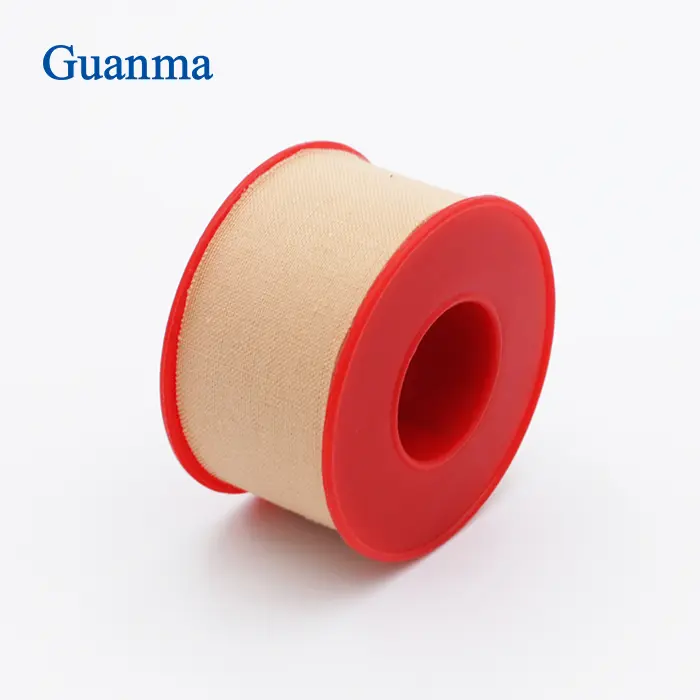
French hospitals use elastic bandages a lot in a lot of different medical fields. Self-adhesive wraps are used in emergency rooms to stabilize injuries right away. Compression wraps are used by orthopedic clinics to help patients recover from surgery. For treating sports injuries, sports medicine centers need bandages that let air pass through them.
In rehabilitation centers, stretchable bandage systems are used as part of physiotherapy. To keep patients safe and treatments working, these facilities demand consistent product quality. Modern cohesive bandages are an important part of healthcare in France because they can be used in many ways.
The departments that buy things for hospitals look at injury support products based on certain performance standards. In some clinical situations, bandages that don't get wet are useful. Latex-free bandages help patients who are allergic to or sensitive to latex. Products that are both useful and easy to use are liked by medical professionals.
French Rules for Bringing Medical Devices into the Country
France follows the strict rules for medical devices set by the European Union. All medical wraps that come into France must still have the CE mark on them. Medical Device Regulation (MDR) 2017/745 lists Essential Requirements that manufacturers must show they meet.
Technical files, risk management reports, and clinical evaluation data are all examples of documents that must be kept. The French government agrees with the EU's procedures for checking the safety of medical devices. Post-market surveillance duties last for the whole lifecycle of a product.
The French National Agency for Medicines and Health Products Safety (ANSM) is in charge of making sure that rules about medical devices are followed. Importers must keep detailed records of how products can be tracked and how they get to customers. Quality management systems that follow ISO 13485 standards show French regulators that a company is good at making things.
Biocompatibility testing according to ISO 10993 standards makes sure that skin-contact applications are safe for patients. French healthcare institutions are asking for more and more detailed test reports before they will accept a product. Verification of regulatory compliance keeps both importers and healthcare providers from having to worry about liability.
The most important quality standards in France for adhesive bandages
French hospitals put a high priority on first aid wraps that meet international standards for quality. Testing the adhesive's strength makes sure that it will work reliably while the patient moves and does other things. Measurements of breathableness confirm that the rates of moisture vapor transmission are good for long-term use.
Bandages that don't slip keep them from moving around while they're being used. Consistent elasticity keeps the right level of compression throughout the treatment period. An analysis of the material's composition confirms that it doesn't contain any potentially harmful substances or allergens.
Validation of sterilization shows that microbial safety for wound contact applications is met. Testing the integrity of the packaging keeps the product sterile until it is used. Shelf life studies find the best way to store food and when it should be thrown away.
Color fastness testing for Cohesive Bandages makes sure that the way things look doesn't change over time. Measurements of tensile strength for Cohesive Bandages show that a product will last under normal use. These quality standards for Cohesive Bandages are in line with what France expects from quality assurance in healthcare.
Criteria for French medical companies to choose a supplier
For partnerships to work, suppliers must have quality systems and manufacturing skills that have been proven. French importers look at a potential partner's history of following the rules and their certification status. Inspections of manufacturing facilities make sure that Good Manufacturing Practices (GMP) are being followed.
Reliability in the supply chain is essential for making sure that products are always available. Suppliers must demonstrate capacity for meeting volume requirements and delivery schedules. Customization options that are flexible let you adapt to the tastes of the French market.
Technical support makes sure that the product is set up correctly and that staff is properly trained. Being responsive to communication makes managing business relationships easier. Indicators of financial stability give people faith in the long-term viability of a partnership.
Quality documentation systems make it easy to submit regulatory information and make sure that rules are being followed. Supplier audit programs keep quality assurance going throughout business relationships. These evaluation criteria help French companies find good import partners.
Options for Customization to Meet the Needs of the French Market
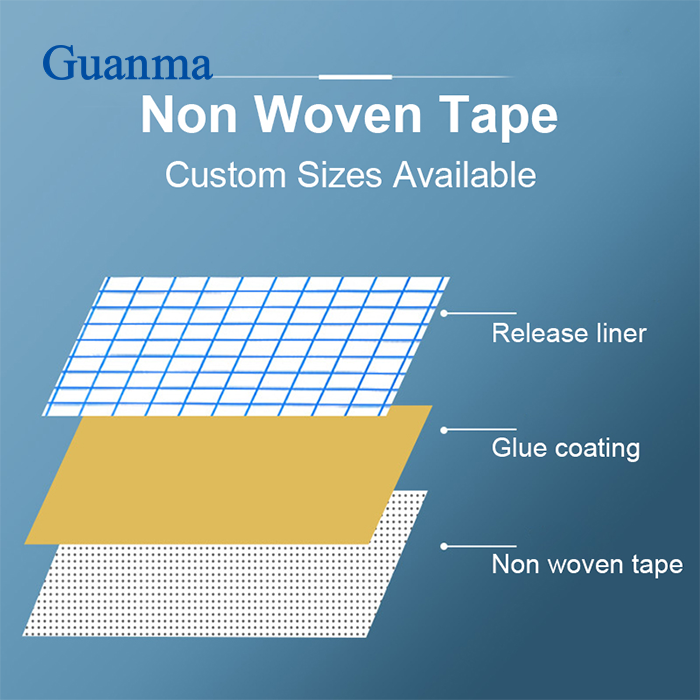
French healthcare providers often need certain product configurations to get the best clinical results. Customizable sizes can be made to fit a wide range of patients and applications. Specialized adhesive formulations take into account issues related to skin sensitivity.
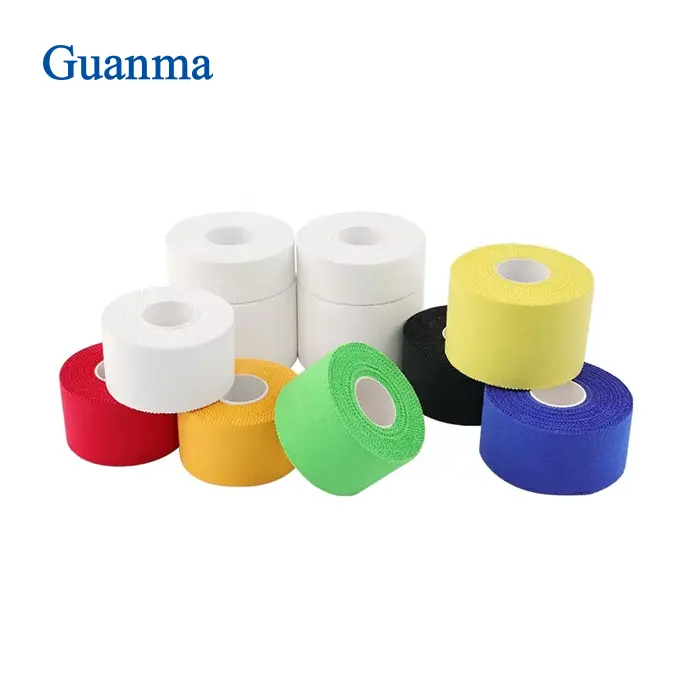
Customizing the packaging makes it possible to connect it to existing systems for managing inventory. Private labeling services support brand differentiation in competitive markets. Color-coding options make it easier to find products and keep track of inventory.
The creation of educational materials helps healthcare teams use products correctly. Customizing training programs makes sure that new products are used correctly. These adaptation services make it easier for French healthcare settings to use the products.
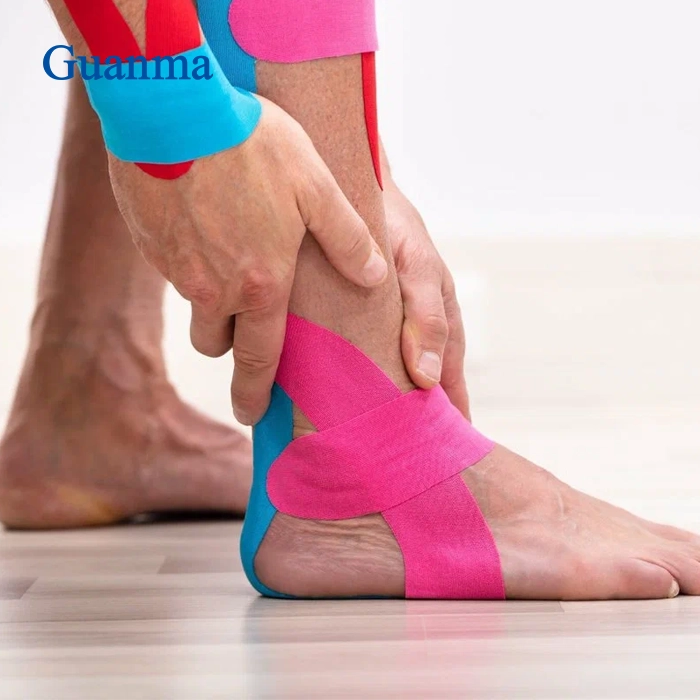
Different kinds of knee supports and ankle wraps are used for common orthopedic needs. Different types of wrist wraps are useful for both occupational health and sports medicine. Formulations for pain relief wraps take therapeutic factors into account when they are made.
Managing the supply chain and logistics of imports
Product deliveries to French healthcare facilities are always on time thanks to good logistics planning. The choice of transportation mode strikes a balance between cost and delivery time requirements. Temperature-controlled shipping keeps the quality of the goods while they're in transit.
For customs clearance procedures to work, you need accurate paperwork and classification codes. Duty and tax calculations change how much a product costs overall. Warehouse management systems help keep track of expiration dates and rotate inventory efficiently.
The design of the distribution network makes it easier for people in all parts of France to get products. Unexpected changes in demand are dealt with by emergency supply protocols. Inventory forecasting models keep carrying costs low and reduce the risk of running out of stock.
Documentation management makes sure that requirements for traceability are met along the entire supply chain. Electronic data interchange systems make it easier to coordinate deliveries and orders. These logistics issues have a direct effect on the quality of service and the level of customer satisfaction.
Thoughts on Cost and Pricing Strategies
The total cost analysis looks at the price of the product, the cost of shipping it, and the cost of following the rules. Larger French medical groups can save money by buying in bulk through volume purchasing agreements. Price stability over contract periods is affected by changes in the value of the currency.
Value-based pricing models focus on benefits for clinical outcomes and patient satisfaction. Pricing strategies in the French market are based on an analysis of the competition. Price protection mechanisms are often part of long-term partnership agreements.
Finding hidden costs for Cohesive Bandages keeps budget surprises from happening during the implementation stages. Total ownership costs are affected by the terms and coverage of the warranty for Cohesive Bandages. The costs of training and support services for Cohesive Bandages add to the total amount of money that needs to be invested.
Payment terms and financing options affect how importing companies manage their cash flow. Insurance protects against product liability and problems in the supply chain. These financial factors need to be carefully considered when choosing a supplier.
Needs for Quality Control and Testing
Incoming inspection protocols check that the product meets quality standards and meets the specifications. Procedures for testing in batches make sure that performance is the same across production lots. Statistical sampling plans are the best way to make sure of quality while keeping testing costs low.
Applications that support muscles and veins need specific performance validation. For pressure bandage configurations, accurate compression measurement confirmation is needed. Rehabilitation wraps need to be tested to see how long they last when they are used over and over again.
Documentation systems keep track of quality data and look for ways to make things better. Corrective action procedures quickly and effectively deal with quality deviations. Supplier quality agreements spell out exactly what is expected of them and how they will be measured.
Third-party testing services make sure that product claims are true without any bias. Quality audit programs keep an eye on how well suppliers are doing all the time. These quality assurance steps protect the safety of patients and the organization's reputation in the French healthcare market.
Conclusion
To successfully bring cohesive bandages into France, you need to pay close attention to quality standards, regulations, and the supplier's abilities. French medical companies can get more out of their partnerships with experienced manufacturers who know what the European market needs and what the healthcare industry expects. A successful product launch and long-term supply chain stability depend on careful planning, documentation, and quality assurance measures.
The French healthcare market has a lot of room for high-quality medical products that meet strict performance and safety standards. French medical organizations can get new cohesive bandage solutions that improve patient care and clinical outcomes in a wide range of healthcare settings by following established import procedures and working with qualified suppliers.
Partner with Guanma for Your Cohesive Bandages Manufacturing Needs
Guanma Medical stands ready to serve as your trusted cohesive bandages supplier for the French healthcare market. Our comprehensive OEM and ODM capabilities address the unique requirements of French medical companies, distributors, and healthcare facilities. With over 30 years of manufacturing expertise, we understand the critical importance of regulatory compliance and product quality in European markets.
Our CE marking and ISO 13485 certifications ensure seamless import processes into France. Biocompatibility testing reports support rapid regulatory approval and clinical acceptance. Custom adhesive formulations accommodate specific performance requirements for French healthcare applications.
Flexible manufacturing capabilities enable rapid response to changing market demands. Quality management systems guarantee consistent product performance across all production batches. Technical support services facilitate smooth product implementation and staff training programs.
Ready to explore partnership opportunities? Our experienced team provides comprehensive consultation on product specifications, regulatory requirements, and market entry strategies. We invite French medical companies to contact us at betty@guanmamedical.com to discuss your specific cohesive bandage procurement needs and discover how our customized solutions can enhance your healthcare supply chain performance.
References
1. European Medicines Agency. "Medical Device Regulation (EU) 2017/745 - Guidance for Manufacturers and Importers." European Union Medical Device Guidelines, 2023.
2. French National Agency for Medicines and Health Products Safety. "Import Requirements for Medical Devices in France: Regulatory Framework and Compliance Procedures." ANSM Technical Documentation, 2023.
3. International Organization for Standardization. "ISO 13485:2016 Medical Devices - Quality Management Systems Requirements for Regulatory Purposes." ISO Medical Device Standards, 2023.
4. French Hospital Federation. "Procurement Guidelines for Medical Supplies in French Healthcare Institutions: Best Practices and Quality Standards." Healthcare Procurement Manual, 2023.
5. European Committee for Standardization. "EN ISO 10993 Biological Evaluation of Medical Devices: Testing Requirements for French Market Entry." CEN Medical Device Testing Standards, 2023.
6. French Ministry of Health. "Healthcare Supply Chain Management: Regulatory Compliance and Quality Assurance for Medical Device Imports." Ministry Guidelines for Medical Procurement, 2023.