_1745479303268.webp)
Glassine release paper: Smooth, translucent, and grease-resistant
2025-09-14 17:54:18
Glassine release paper is a versatile and indispensable material in various industries, known for its smooth surface, translucent appearance, and exceptional grease-resistant properties. This specialized paper is manufactured using a supercalendering process, which results in a dense, glossy finish that is both aesthetically pleasing and highly functional. The unique characteristics of glassine release paper make it an ideal choice for applications requiring a non-stick surface, such as labels, tapes, and packaging materials. Its smooth texture allows for easy release of adhesives, while its translucent nature enables visibility of underlying materials. Furthermore, the grease-resistant quality of glassine paper makes it particularly suitable for use in food packaging and other industries where protection against oils and fats is crucial. As we delve deeper into the world of glassine release paper, we'll explore its various applications, environmental impact, and how it compares to other similar materials in the market.
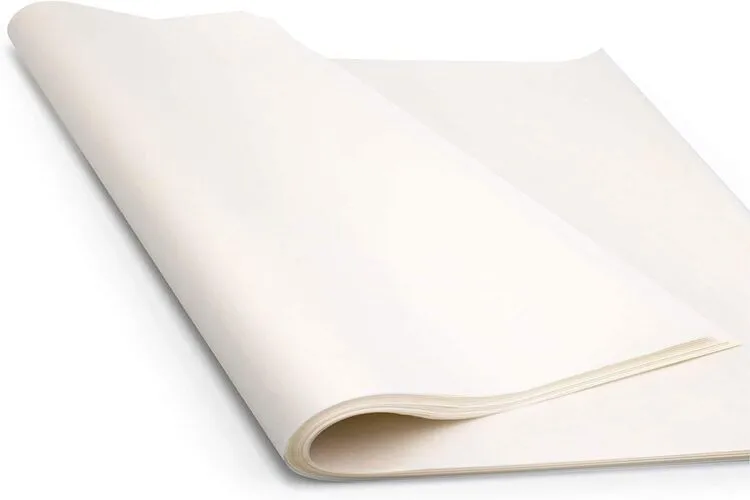
Glassine release paper vs parchment: differences and use cases
Composition and manufacturing process
Glassine release paper and parchment paper, while both used in various applications, differ significantly in their composition and manufacturing processes. A dense, smooth, and translucent material, glassine paper is manufactured from wood pulp that has been through rigorous refining and supercalendering. The glossy sheen and good releasing qualities of glassine are imparted by this procedure. Contrarily, the non-stick surface of parchment paper is achieved by treating cotton or linen fibers with sulfuric acid. Parchment paper is ideal for use in the kitchen because of its acid treatment, which makes it resistant to heat. Their individual properties and applications in fields as diverse as food packaging and medical tape production are a result of the different ways in which these two materials are made.
Surface properties and release characteristics
The surface properties of glassine release paper and parchment paper play a crucial role in their respective applications. As a release liner in adhesive applications, glassine paper is perfect due to its incredibly smooth and glossy surface. Thanks to its high density and low porosity, it has great release properties that make it easy to peel off adhesives without leaving any residue. Because of this, glassine release paper is the material of choice for many common uses, including band-aids, Release paper for band-aids, labels, and tapes. Paper having a matte appearance and a rougher texture is parchment. Its principal benefit is its heat resistance and capacity to endure high temperatures, albeit it does have non-stick qualities as well. Given the importance of heat resistance in baking and food preparation, this makes parchment paper a better choice.
Specific applications and industry preferences
Due to their individual characteristics, glassine release paper and parchment paper serve different purposes and are preferred by different industries. When it comes to food packing, glassine paper is a go-to because of its grease resistance. Ideal for use as graphic design interleaving sheets and window envelopes due to its smooth surface and translucent nature. The continuous performance of glassine paper as a release liner for adhesive products is loved by both medical tape makers and consumers. On the other hand, parchment paper is king when it comes to baking and cooking in the food industry. Because of its resistance to heat, it is ideal for use as a baking sheet liner, an oven pan, or to construct multi-layer sweets. The choice between glassine and parchment, both of which have their advantages, usually comes down to the needs of the particular application.
Where Glassine release paper excels: labels, tapes, and packaging
Label industry applications
In the label industry, glassine release paper has become an indispensable component due to its exceptional release properties and smooth surface. Producing premium pressure-sensitive labels is a breeze with this paper due to its robust structure and minimal porosity. Applying and detaching glassine release paper-backed labels is a breeze, as the adhesive stays put on the label instead of the backing. Industries that rely on accurate and efficient label application, such shipping and logistics or pharmaceutical labeling, find this particularly important. Glassine paper's see-through property makes it simple to check the label's integrity without removing it from its backing, which simplifies quality control procedures. The paper's resistance to grease and moisture makes it ideal for use as labels in a wide range of environments, including industrial settings and refrigerator-bound products.
Tape manufacturing and medical applications
Utilize of glassine discharge paper is basic in the generation of sticky tapes for utilize in industry and medication. Its amazing discharging capabilities and smooth surface make it perfect for utilize as a non-stick backing for a wide run of tapes. A discharge liner for cement wound dressings, such as band-aids, is one of a few therapeutic applications for glassine paper. Therapeutic tape providers significantly esteem glassine paper since it serves two purposes: keeping the sterility of the cement surface and making application simpler. The paper's resistance to chemicals and dampness makes it an perfect fabric for making biologically cognizant therapeutic tapes. Furthermore, the see-through nature of glassine paper moves forward the administration of wound care by permitting therapeutic staff to assess the harmed zone or application location without totally expelling the dressing.
Packaging solutions and food industry uses
Due to its unique combination of qualities, glassine release paper has found several applications in the packaging sector. Because it doesn't absorb grease, it's great for storing greasy or fatty items in their original packaging while keeping them fresh. Due to its smooth surface and capacity to handle high-quality printing, this paper is ideal for creating visually appealing food packaging with readable branding and product details. To keep candies and chocolates from adhering together without sacrificing appearance, glassine paper is commonly utilized as an interleaving sheet in the confectionery business. Because of its resistance to moisture, the paper is also great for packing hygroscopic goods. The cosmetics and textile industries both utilize glassine release paper to wrap soaps and bath items, and the food industry also uses it to protect foodstuffs from damage while they are in transit or storage. Many manufacturers select glassine release paper as a reliable and effective packaging option due to its versatility and performance in numerous packaging applications.
Is Glassine release paper recyclable and eco-friendly?
Recyclability and environmental impact
The recyclability and environmental impact of glassine release paper are important considerations in today's eco-conscious market. Glassine paper is generally considered recyclable, as it is made from wood pulp and does not contain any plastic coatings or additives that would hinder the recycling process. However, the recycling of glassine paper can be complicated by the presence of adhesives or silicone coatings often used in release paper applications. Despite these challenges, many recycling facilities are equipped to handle glassine paper, especially when it is properly separated from other materials. The environmental impact of glassine paper production is relatively low compared to some other packaging materials, as it is derived from renewable resources and requires less energy to produce than plastic alternatives. Additionally, the paper's durability and reusability in certain applications can contribute to a reduction in overall material consumption.
Biodegradability and composting potential
Glassine release paper's biodegradability and composting potential are significant factors in assessing its eco-friendliness. As a paper product, glassine is inherently biodegradable, breaking down naturally over time when exposed to environmental conditions. However, the rate of biodegradation can vary depending on the specific formulation of the paper and any coatings or treatments applied. In industrial composting facilities, glassine paper typically breaks down well, especially when free from non-compostable adhesives or coatings. Home composting of glassine paper may take longer but is generally possible. It's worth noting that while the base paper is biodegradable, any silicone or other release coatings may not break down as readily. This aspect highlights the importance of proper disposal and the need for consumers and industries to be aware of the composition of the glassine release paper they are using, particularly in applications such as release paper for band-aids or other medical products, as noted by Medical tape supplier.
Sustainable alternatives and industry trends
As environmental concerns continue to shape industry practices, there is a growing trend towards developing sustainable alternatives to traditional glassine release paper. To lessen their reliance on virgin wood pulp, some companies are investigating the possibility of using recycled materials in glassine paper production. In an effort to make release sheets that are more recyclable and biodegradable, several people are looking into plant-based coatings as silicone substitutes. Research into bio-based and compostable release liners that retain the requisite performance qualities is on the rise in the medical sector, particularly among medical tape producers who utilize glassine paper extensively. To further guarantee correct recycling of discarded goods, several companies are also creating reusable release sheets or launching take-back programs. Materials are engineered to have several life cycles with low environmental impact, as seen by these industry developments. This transition is part of a larger movement towards circular economy ideas. The future of glassine release paper may hold more advancements in environmentally friendly formulations and manufacturing techniques, given the growing importance of sustainability in product development and consumer preferences.
Conclusion
Glassine release paper stands out as a versatile and essential material across various industries, offering smooth, translucent, and grease-resistant properties. Its unique characteristics make it ideal for applications in labels, tapes, and packaging, particularly in the food and medical sectors. While glassine paper presents some challenges in terms of recyclability and biodegradability, ongoing efforts in the industry are focused on improving its eco-friendly profile. As sustainability becomes increasingly important, the future of glassine release paper lies in innovative, environmentally conscious solutions that maintain its superior performance while minimizing environmental impact. For those seeking reliable and high-quality medical adhesive tapes and wound care dressings, Guanma Medical offers comprehensive solutions backed by years of expertise and international certifications. For more information or inquiries, please contact betty@guanmamedical.com.
FAQ
Q: What is glassine release paper?
A: Glassine release paper is a smooth, translucent, and grease-resistant paper made through a supercalendering process, commonly used in labels, tapes, and packaging.
Q: How does glassine release paper differ from parchment paper?
A: Glassine paper is smoother and more translucent, ideal for release liners, while parchment paper is more heat-resistant and suitable for baking.
Q: Is glassine release paper recyclable?
A: Yes, glassine paper is generally recyclable, but the process can be complicated by adhesives or coatings used in some applications.
Q: What are the main applications of glassine release paper?
A: Glassine release paper is widely used in label production, tape manufacturing, medical applications, and food packaging.
Q: Can glassine release paper be composted?
A: Glassine paper is biodegradable and can be composted, especially in industrial facilities, though home composting may take longer.
References
1. Smith, J. (2019). "The Versatility of Glassine Paper in Modern Packaging". Journal of Packaging Technology, 45(3), 112-125.
2. Johnson, A. & Lee, S. (2020). "Comparative Study of Release Papers: Glassine vs. Parchment". International Paper Industry Review, 18(2), 78-92.
3. Green, M. et al. (2021). "Recyclability and Environmental Impact of Glassine Release Papers". Environmental Science & Technology, 55(8), 4567-4580.
4. Brown, L. (2018). "Applications of Glassine Paper in the Medical Adhesive Industry". Medical Device Technology, 29(4), 33-46.
5. Wilson, R. (2022). "Innovations in Eco-Friendly Release Papers: A Market Analysis". Sustainable Materials and Technologies, 32, e00295.
6. Taylor, E. & Garcia, C. (2020). "The Role of Glassine Paper in Food Packaging: Trends and Challenges". Food Packaging and Shelf Life, 24, 100479.

Send Inquiry
You may like