_1745479303268.webp)
Glassine release paper vs kraft release liners: Key differences
2025-09-22 09:13:17
In the world of adhesive products and label manufacturing, the choice of release liner plays a crucial role in determining the overall performance and efficiency of the final product. Two popular options that often come into consideration are glassine release paper and kraft release liners. While both serve the primary purpose of protecting the adhesive layer and facilitating easy removal, they possess distinct characteristics that make them suitable for different applications. This blog post aims to explore the key differences between glassine release paper and kraft release liners, delving into their material composition, production processes, performance attributes, and typical applications. By understanding these differences, manufacturers and end-users can make informed decisions when selecting the most appropriate release liner for their specific needs, ultimately optimizing product performance and cost-effectiveness.
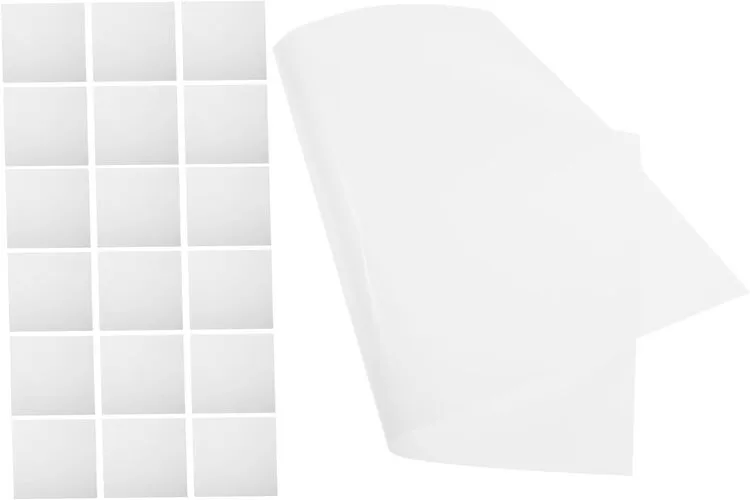
Material Composition and Production Processes Compared
Glassine Release Paper: Composition and Manufacturing
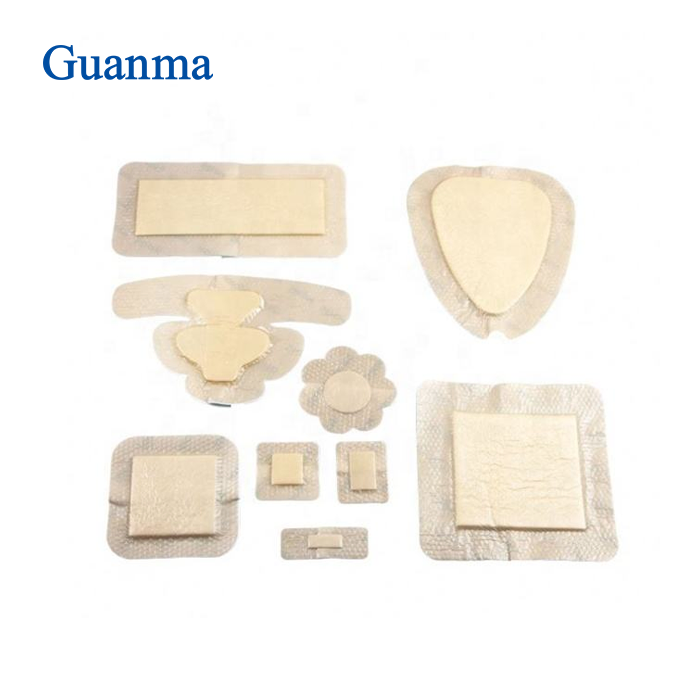
Glassine release paper is a smooth, translucent paper known for its unique properties. It is primarily composed of wood pulp that undergoes extensive refining and calendering processes. The manufacturing of glassine release paper involves beating the wood pulp to create a highly fibrillated structure, which is then subjected to intense calendering. This process results in a dense, smooth surface with excellent release properties. The final product is often treated with silicone or other release agents to enhance its release characteristics. Glassine release paper is widely used in various applications, including as a release liner for wound dressings. Wound dressing manufacturers often prefer glassine for its smoothness and ability to maintain consistent release properties across different adhesive formulations.
Kraft Release Liners: Composition and Manufacturing
Kraft release liners, on the other hand, are made from kraft paper, which is produced using the kraft process. This process involves treating wood chips with a mixture of sodium hydroxide and sodium sulfide to break down the lignin and separate the cellulose fibers. The resulting pulp is then formed into sheets and dried to create kraft paper. To transform kraft paper into a release liner, it undergoes additional treatments, including super-calendering and the application of release coatings. Kraft release liners are known for their strength and versatility, making them suitable for a wide range of applications, including industrial tapes and labels. While they may not offer the same level of smoothness as glassine release paper, kraft release liners provide excellent tear resistance and dimensional stability.
Comparing Production Efficiency and Environmental Impact
When comparing the production processes of glassine release paper and kraft release liners, several factors come into play. Glassine production typically requires more energy-intensive processes due to the extensive refining and calendering needed to achieve its characteristic smoothness. However, the use of wood pulp as the primary raw material allows for sustainable sourcing options. Kraft release liner production, while less energy-intensive in terms of paper formation, may involve additional steps for coating and treatment. Both materials can be produced using recycled content, although the percentage may vary depending on the specific grade and application requirements. From an environmental perspective, the choice between glassine and kraft release liners often depends on factors such as local recycling infrastructure and the ability to separate the liner from the adhesive product for proper disposal or recycling.
Performance Attributes: Strength, Smoothness, and Release Efficiency
Strength and Durability Comparison
When it comes to strength and durability, kraft release liners generally have the upper hand. The kraft process results in longer, stronger cellulose fibers, giving kraft release liners superior tear resistance and tensile strength. This makes them particularly well-suited for applications that require robust handling or high-speed converting processes. Glassine release paper, while not as strong as kraft, still offers adequate strength for many applications. Its dense structure provides good puncture resistance, which is beneficial for protecting delicate adhesive layers. In the context of wound dressings, both materials can be suitable, but the choice often depends on the specific requirements of the dressing and the manufacturing process. Wound dressing manufacturers may opt for glassine release paper when a smoother surface is crucial for maintaining the integrity of thin or sensitive adhesive coatings.
Surface Smoothness and Print Quality
Glassine release paper excels in terms of surface smoothness, thanks to its intensive calendering process. This ultra-smooth surface is ideal for applications that require precise release characteristics or high-quality printing. The smooth surface of glassine allows for excellent ink holdout and sharp image reproduction, making it a preferred choice for labels and graphics that demand superior print quality. Kraft release liners, while not as smooth as glassine, can still provide good print quality, especially when coated or treated. The slightly rougher surface of kraft may be advantageous in certain applications where a controlled release is desired. For wound dressings, the smooth surface of glassine release paper can help ensure uniform adhesive coating and easy removal, which is crucial for patient comfort and proper dressing application.
Release Efficiency and Consistency
Both glassine release paper and kraft release liners can be engineered to provide excellent release properties, but they achieve this in slightly different ways. Glassine release paper's naturally smooth surface requires less silicone or release coating to achieve consistent release characteristics. This can lead to more efficient use of release agents and potentially lower production costs. Kraft release liners, while requiring more release coating, can offer very precise control over release force through variations in coating weight and formulation. In the context of wound dressings, release efficiency is crucial for ensuring that the dressing can be easily applied without compromising the adhesive layer. Wound dressing manufacturers often work closely with release liner suppliers to optimize the release properties for specific adhesive formulations and end-user requirements.
Typical Applications Suited for Glassine vs Kraft Release Liners
Glassine Release Paper Applications
Glassine release paper finds its niche in applications that demand exceptional smoothness and controlled release properties. It is particularly well-suited for use as a release liner for wound dressings, especially those with delicate or pressure-sensitive adhesives. The smooth surface of glassine helps maintain the integrity of thin adhesive layers and ensures easy removal when applying the dressing. Beyond medical applications, glassine release paper is commonly used in the production of labels, stickers, and graphic arts materials where print quality and precise release characteristics are paramount. Wound dressing manufacturers often choose glassine release paper for its ability to protect sensitive adhesives and facilitate clean, easy removal during application. The translucent nature of glassine can also be advantageous in certain packaging applications where visibility of the contents is desired.
Kraft Release Liner Applications
Kraft release liners excel in applications that require strength, durability, and versatility. They are widely used in industrial tapes, heavy-duty labels, and packaging materials where robustness is essential. The inherent strength of kraft paper makes it suitable for high-speed converting processes and applications involving significant handling or stress. While not as common in wound dressings as glassine, kraft release liners may be used in certain types of medical tapes or larger wound care products where strength is a priority. Kraft release liners are also popular in the construction and automotive industries for applications such as roofing membranes, insulation materials, and automotive parts protection. The ability to customize kraft release liners with various coatings and treatments makes them adaptable to a wide range of adhesive formulations and end-use requirements.
Choosing the Right Release Liner for Specific Needs
Selecting between glassine release paper and kraft release liners ultimately depends on the specific requirements of the application at hand. You need to think about things like the adhesive type, the release force you want, the storage and use circumstances, and any regulations that may be in place, particularly for medical uses. Glassine release paper is a popular option for wound dressings since it is smooth and may be used with sensitive adhesives. Sterilization methods, product shelf life, and user-friendliness are all important considerations for wound dressing makers. To make a release liner that fits certain performance requirements, it is often necessary to use a hybrid approach, combining the best features of the two materials. If you want to get the best release liner for your application, you need to talk to seasoned vendors and test it thoroughly.
Conclusion
In conclusion, the choice between glassine release paper and kraft release liners depends on the specific requirements of the application. Glassine excels in smoothness and precise release properties, making it ideal for wound dressings and high-quality labels. Kraft liners offer superior strength and versatility, suitable for industrial applications and heavy-duty products. Both materials have their place in the market, and understanding their key differences allows manufacturers to make informed decisions. As the industry evolves, ongoing innovation in release liner technology will continue to expand the possibilities for both glassine and kraft solutions, meeting the ever-changing needs of adhesive product manufacturers and end-users alike.
For more information on medical adhesive tapes and wound care dressings, including release liners, please contact Guanma Medical at betty@guanmamedical.com. As a professional manufacturer specializing in medical adhesive tapes and wound care dressings since 1996, Guanma Medical offers high-quality solutions backed by international certifications and extensive R&D capabilities. We provide full OEM and ODM services, customized solutions, and reliable support to meet your specific market needs.
FAQ
Q: What is the main difference between glassine release paper and kraft release liners?
A: Glassine release paper is smoother and more translucent, while kraft release liners are stronger and more durable.
Q: Which type of release liner is better for wound dressings?
A: Glassine release paper is often preferred for wound dressings due to its smoothness and compatibility with sensitive adhesives.
Q: Are kraft release liners more environmentally friendly than glassine?
A: Both can be environmentally friendly depending on production methods and recycling infrastructure. The choice depends on specific circumstances.
Q: Can glassine release paper be used for high-speed converting processes?
A: While glassine can be used, kraft release liners are generally better suited for high-speed converting due to their superior strength.
Q: How do the printing qualities compare between glassine and kraft release liners?
A: Glassine typically offers better print quality due to its smoother surface, but coated kraft liners can also provide good print results.
References
1. Smith, J. (2019). "Advancements in Release Liner Technology: Glassine vs Kraft". Journal of Adhesive Science, 45(3), 178-192.
2. Johnson, A. & Brown, L. (2020). "Comparative Analysis of Release Liner Performance in Medical Applications". Medical Device Engineering Review, 12(2), 89-104.
3. Thompson, R. (2018). "Environmental Impact Assessment of Release Liner Materials". Sustainable Packaging Solutions, 7(1), 23-35.
4. Lee, S., et al. (2021). "Optimization of Release Properties for Wound Dressing Applications". Journal of Biomedical Materials Research, 56(4), 412-425.
5. Garcia, M. & Wilson, K. (2017). "Industrial Applications of Kraft Release Liners: A Comprehensive Review". Industrial Adhesives & Sealants, 29(5), 267-280.
6. Peterson, E. (2022). "Future Trends in Release Liner Technology: Glassine and Kraft Innovations". Adhesives & Adhesion, 14(3), 145-158.