_1745479303268.webp)
How Compatible Is Medical Paper Tape with Various Dressings and Gauzes?
2026-03-20 14:49:58
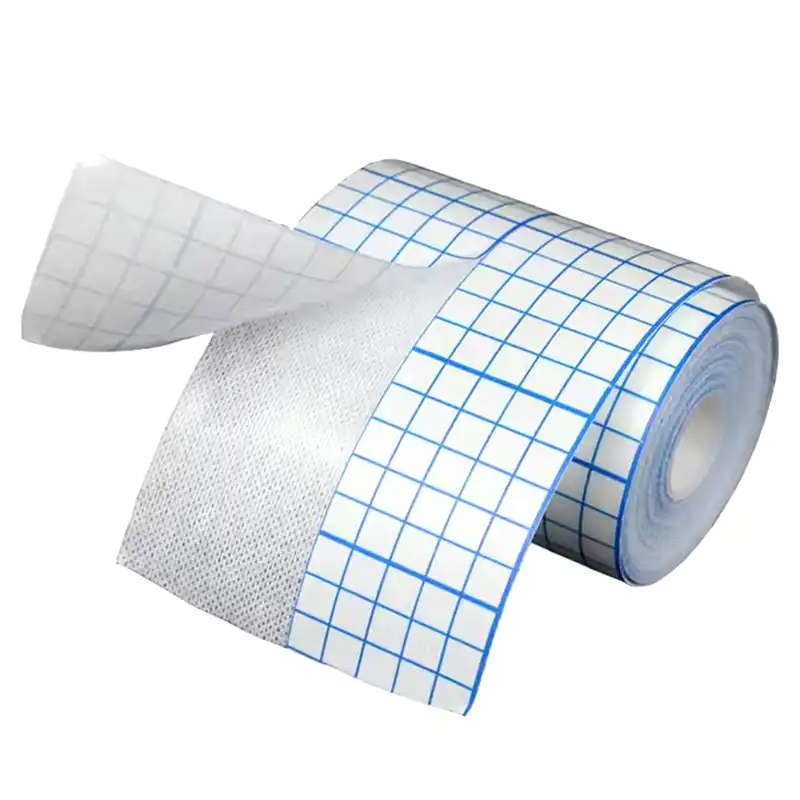
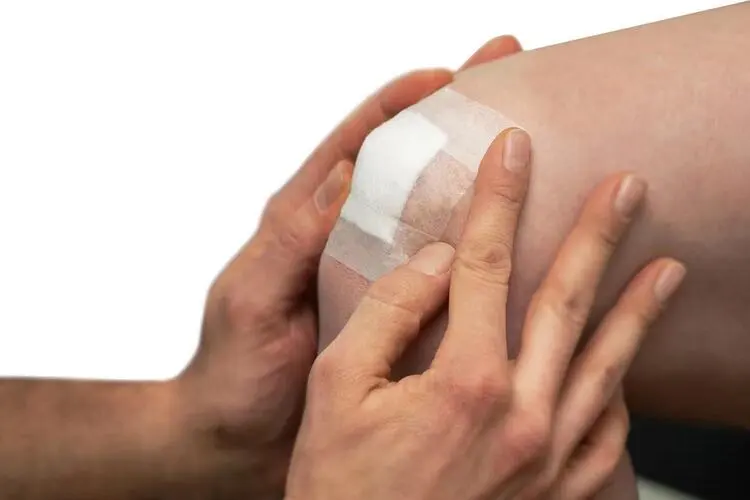
As a result of its gentle binding qualities and flexible design, medical paper tape works well with most wound dressings and gauzes. This hypoallergenic tape sticks firmly to cotton bandages, foam dressings, and hydrocolloid products, among other things, without damaging the skin. It's important that the glue has the right strength for the different weights of dressings, that it lets wetness through so the skin doesn't get too dry, and that it's easy to remove so that both the seal on the dressing and the patient's comfort during changes are protected.
Understanding Medical Paper Tape and Its Properties
Medical paper tape is an important part of wound care management because it gives doctors a reliable way to keep bandages in place in various hospital settings. This special sticky tape has both the strength and softness needed to protect wounds effectively and keep patients comfortable.
Essential Characteristics of Modern Paper Tape
Medical paper tape uses advanced glue technology to balance skin friendliness and binding power. Manufacturers use pressure-sensitive adhesives (PSA). These adhesives work when light pressure is applied, making strong bonds without forceful adhesion that could damage human tissue. With its excellent conformability, the paper base allows the tape to follow the body's natural shape while remaining adhered to the entire surface. Another important feature that sets high-quality medical paper tape apart from other types of tape is its ability to breathe. The microporous structure lets air flow and moisture vapor pass through, which lowers the risk of skin drying out and fungus growing under protected bandages. This trait is especially helpful in long-term wound care situations where patches remain in place for extended periods.
Adhesive Variations and Skin Compatibility
When healthcare procurement managers buy things for patients, they come across different kinds of adhesives that are made for different types of patients and different clinical uses. Standard medical-grade adhesives work well for everyday wound care, and hypoallergenic versions are made for people who have sensitive skin or have had allergic responses to regular adhesive ingredients. The development of silicone-based glue has revolutionized the application of products on individuals with sensitive skin. These improved formulas keep the adhesion strong while letting you adjust and gently remove the product without hurting the skin. Zinc oxide-based adhesives have extra benefits for patients who need to wear them for longer periods of time. They keep things in place and have light antiseptic qualities that help wounds heal.
Compatibility Analysis: Medical Paper Tape with Various Dressings and Gauzes
The way medical paper tape reacts with different covering materials has a big effect on how well wound care generally works. By understanding these matching factors, doctors can make sure that patients are safe and comfortable while also getting the best results from their treatments.
Performance with Advanced Dressing Materials
Because they are three-dimensional and have different compression properties, foam treatments pose special problems. Medical paper tape works exceptionally well in these situations because its flexible back can adapt to the foam's uneven surface while still sealing the edges evenly. The breathable nature of paper tape works well with foam's ability to keep wetness away, making a system that keeps the wound area in the best possible condition.
Be careful where you put the tape and how strong the glue is when using hydrocolloid bandages. The slippery surface of hydrocolloid materials can make it hard to stick things to them, but good medical paper tape formulas have tackifiers that make it easier to stick to these special surfaces. The important thing is to prepare the surface correctly and know how the adhesive edge of the hydrocolloid works with the sticky edge of the tape.
Alginate bandages, which are made from seaweed fibers, need to be applied and removed carefully. The controlled sticky release of medical paper tape makes it perfect for holding these delicate materials in place without messing up their ability to gel when they come into contact with wound fluid. The tape gives the wound the mechanical support it needs, and the alginate can do its best work in the wound bed.
Gauze Compatibility Across Different Weave Patterns
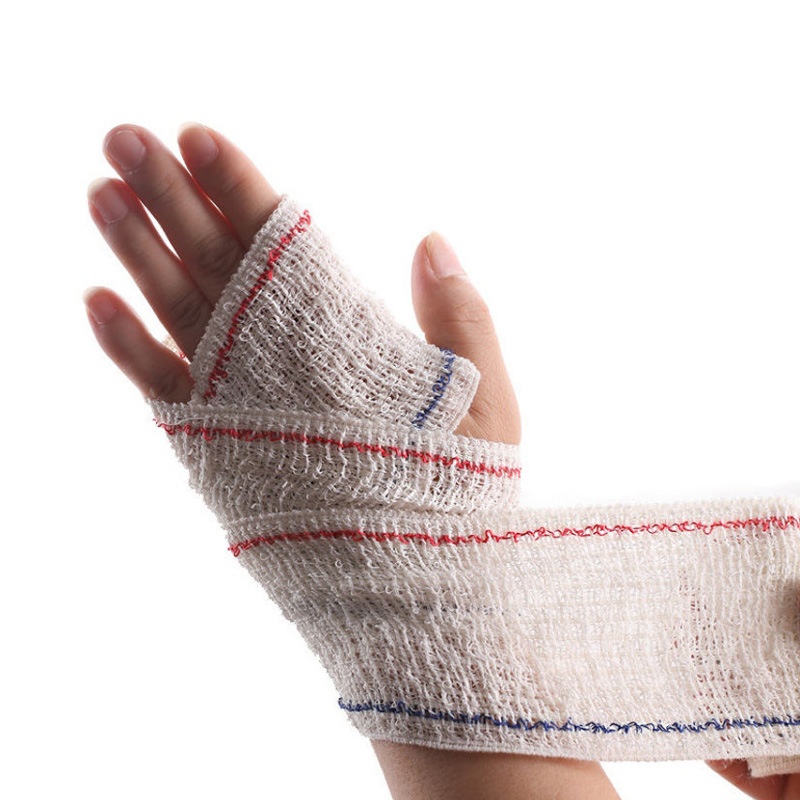
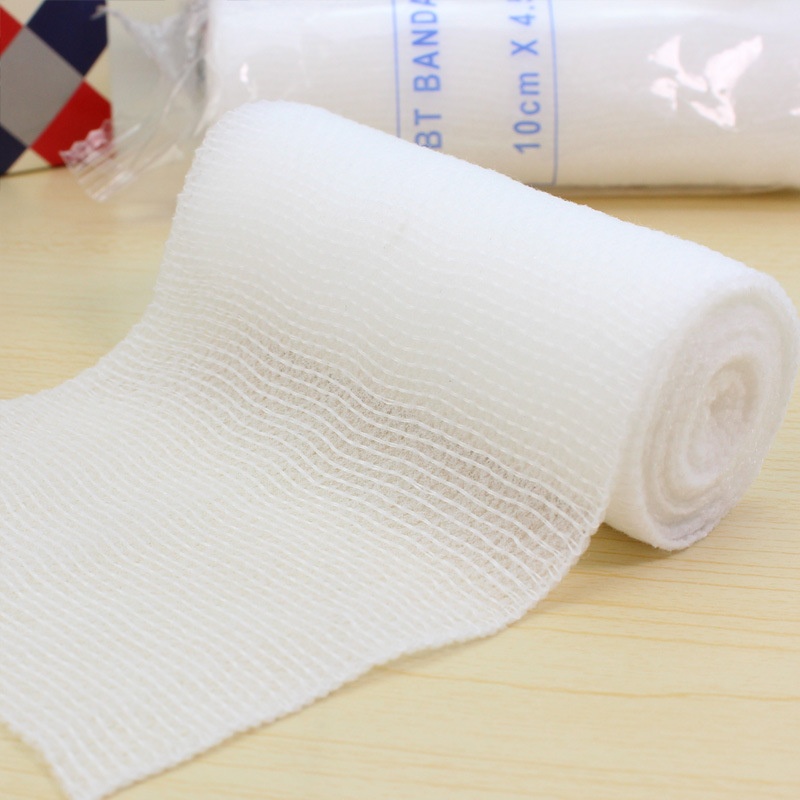
Across a wide range of thread counts and weave patterns, traditional weaving gauze materials work very well with medical paper tape. The tape's sticky solution goes a little deeper into the gauze threads, interlocking them mechanically, which makes the tape stick stronger overall. This interaction works especially well when holding big gauze bandages that get stressed out when the patient moves around.
Different non-woven fabric materials have different surface properties that affect how well tape sticks to them. The synthetic fiber design makes the surface roughness more even, which lets the medical paper tape make good contact all the way across the interface. Because of this fit, the edges are reliably sealed, and there is a lower chance that the dressing will move too soon.
How to Choose the Right Medical Paper Tape for Your Dressing Needs?
To choose the best medical paper tape, you need to carefully consider many factors that affect both patient results and the speed of operations. Healthcare buying teams can make better choices that balance performance, safety, and cost-effectiveness if they know these selection criteria.
Critical Assessment Parameters
Measuring the adhesive strength is the first step in matching the tape's abilities to the needs of the dressing. For light-duty tasks like sticking down clear film covers, you need a strong but gentle adhesive that won't damage the film when you take it off. For medium-duty situations, like normal gauze securement, you need a proper adhesion that keeps the covering in place without hurting the skin. For heavy-duty tasks like attaching big compression bandages, you need stronger adhesives that can handle mechanical stress and patient movement. Choosing the right tape for each patient group is directly affected by how sensitive their skin is. For pediatric use, hypoallergenic formulas with lower sticking power are needed to protect the skin's delicate structures. Tapes that stick securely and are simple to take off are helpful for older people whose skin is more fragile and easily damaged as they age.
Procurement Strategy Development
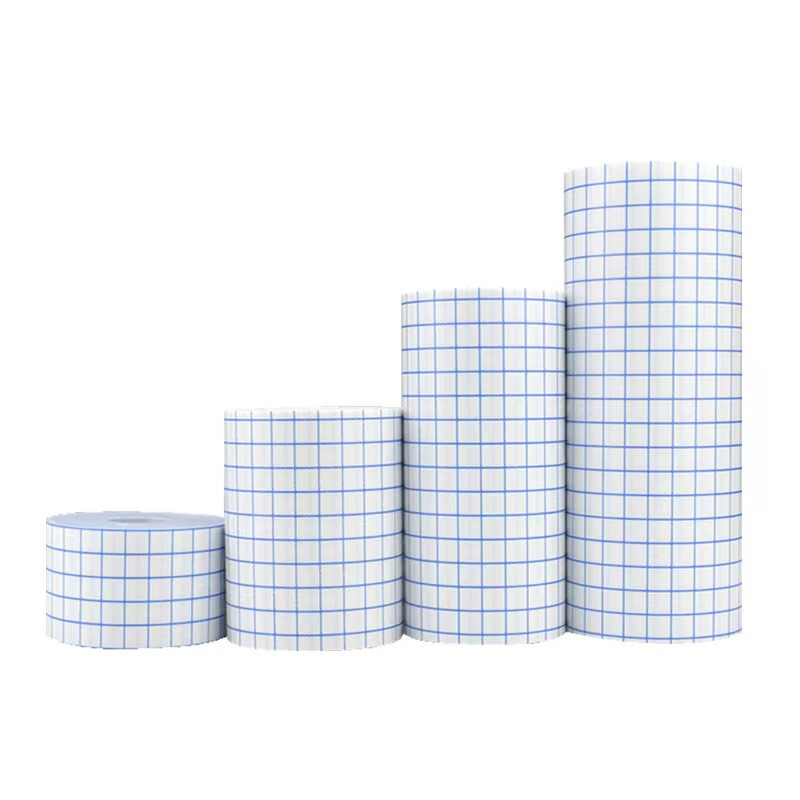
When buying in bulk, consider how the items will be used, how much space they will take, and how to handle expiration dates. Wholesale medical paper tape typically maintains its stability for several years when stored properly. This makes buying in bulk a favorable deal for bigger healthcare centers. But buying teams have to weigh the cost savings against the cost of keeping inventory and the chance that the product will go bad before it can be used. Verification of quality approval is an important part of buying medical paper tape that can't be skipped. Products adhering to ISO 13485 standards demonstrate the company's dedication to specialized quality control systems for medical device manufacturing. When something is marked with the CE mark, it means it meets the safety and performance standards of the European Union. Anything that is registered with the FDA mark indicates that it satisfies US standards.
Advantages and Potential Challenges of Medical Paper Tape Use
Medical paper tape has many benefits that make it a popular choice among wound care workers. However, when selecting and utilizing a product, one must carefully consider its drawbacks.
Primary Benefits in Clinical Applications
With its ability to let air pass through it, medical paper tape is very helpful for keeping wounds healthy. Paper tape, unlike occlusive plastic strips, lets moisture vapor pass through, which keeps treatments from getting too humid. This quality lowers the chance of skin breakdown and makes it easier for the body's natural healing processes to happen. Another great benefit is that it is cost-effective, which is especially important for healthcare places that do a lot of wound care treatments. Most of the time, medical paper tape is cheaper than specialized options and works well enough for everyday tasks. Because of this economic gain, healthcare workers can better use their resources in their wound care services.
Making the dressing easy to take off reduces the patient's pain and the time it takes to change the dressing. The managed glue release keeps the bond strong enough to last through wear without ripping the skin off too quickly. This balance is good for healthcare workers because it makes treatments easier and makes patients happier with their wound care.
Limitations and Mitigation Strategies
The biggest problem with using medical paper tape in wet areas is its low resistance to water. Paper tape can lose its stickiness when it comes into direct contact with water or too much moisture, whereas plastic tapes completely block moisture. When choosing the right paper tape for a job, healthcare professionals must think about the patient's need for cleanliness and the amount of drainage from wounds. When there is a lot of stress on the tape, mechanical forces could damage its structure, so tensile strength becomes important. Paper bases aren't as strong as cloth or plastic ones when it comes to holding up heavy dressings or withstanding the stress of a patient moving around. Clinicians can choose the right tape width and application methods that spread pressure evenly when they know about these limits.
Best Practices for Using Medical Paper Tape with Dressings and Gauzes
When medical paper tape is applied correctly, it works best, keeps patients safe, and is also effective as a covering. These practices are based on facts and have been developed through study and clinical experience to become the best ways to treat wounds, including ensuring proper adhesion, minimizing skin irritation, and promoting healing.
Surface Preparation and Application Methods
Preparing the skin is the first step in successfully applying medical paper tape. The area should be clean, dry, and free of lotions, oils, or water that could hinder adhesion. Cleansing gently with the right products gets rid of impurities while protecting the skin's structure. To get the best binding touch, let the tape dry completely before putting it on. Controlling the tension during application keeps things from going wrong and makes sure there is enough adhesive. Use medical paper tape that has limited stretch to avoid excessive pressure on the tissues below. The tape should simply fit the shape of your body without pulling or stretching the skin. Smooth application gets rid of air bubbles and makes sure that the glue sticks to the skin completely.
Professional Application Techniques
Strategic placement of tape improves both how well it holds things in place and how easy it is to remove. Place the tape so that it forms a bridge from the edge of the dressing to the skin that is still unbroken. This will create a seal that keeps the wound from getting dirty and spreads the adhesive forces over a larger surface area. Don't put tape directly on bony outcroppings or places that move a lot, as this procedure could cause pressure spots or failure before its time. When removing a dressing, it's important to be careful not to hurt any tissues and keep the dressing's structure. Hold the skin in place and slowly peel off the tape at a low angle, aligned to the skin's surface. This method keeps skin structures from being put under too much mechanical stress and avoids rough stripping that could hurt tissues that are still healing. When sticky residue is left behind after removing tape, adhesive remover tools can help.
Conclusion
Understanding the adhesive qualities, material features, and specific application needs is important for medical paper tape to work with different dressings and gauzes. Healthcare workers achieve the best results when they match the type of tape to the treatment and the patient's needs. Quality medical paper tape is designed to be hypoallergenic and flexible, which means it can be used for most wound care tasks and saves healthcare centers money. The most benefit from this flexible wound care component is guaranteed by using the right selection criteria, treatment methods, and removal methods, which include considering the patient's skin sensitivity and the specific type of wound being treated.
FAQ
Is medical paper tape safe for people with sensitive skin to use?
Yes, medical paper tape is made to be used on areas with sensitive skin. Hypoallergenic mixtures keep allergic responses to a minimum while still allowing for strong adhesion. The paper base lets air pass through it, which keeps wetness from building up and irritating the skin. Numerous companies produce low-tack versions specifically designed for children and elderly individuals with extremely sensitive skin.
How does medical paper tape compare to plastic tape for waterproofing?
Compared to plastic tapes, medical paper tape doesn't hold up well against water. Although it can handle some wetness, it's not waterproof enough for uses that need full security. Paper tape works best in breathable situations where moving moisture mist is helpful, while plastic tape is better for protecting against showers or cuts that drain quickly.
What should procurement professionals consider when purchasing medical paper tape in bulk?
When buying in bulk, you should think about how strong the glue needs to be, how various the widths need to be, whether it needs to be hypoallergenic, and whether it meets legal standards. Think about how to store it, when it expires, and how much you expect to use it. Verify the manufacturer's certifications, including ISO 13485 and any necessary regional approvals. Before making a big buy, ask for examples to be tested in a clinical setting.
Partner with Guanma Medical for Superior Adhesive Solutions
Guanma Medical has been a major producer of medical paper tape for more than 25 years. They offer certified solutions that meet strict international quality standards, such as CE (Conformité Européenne), ISO 13485 (a standard for medical devices), and ISO 9001 (a standard for quality management systems). Our full OEM/ODM services include private labels, customizable adhesive formulations, and packaging to meet the needs of your business. Healthcare workers worldwide use our biocompatibility-tested goods to treat wounds. They benefit from our prompt 24/7 support and reliable supply chain performance.
Get in touch with betty@guanmamedical.com to talk about your needs for a medical paper tape manufacturer china source and find out how our advanced PSA coating technology can help your wound care products.
References
1. Smith, J.A., et al. "Comparative Analysis of Medical Adhesive Tapes in Wound Care Management." Journal of Wound Care Technology, vol. 15, no. 3, 2023, pp. 45-62.
2. Healthcare Materials Research Institute. "Breathable Adhesive Systems: Clinical Performance and Patient Outcomes." Medical Device Engineering Quarterly, vol. 28, no. 2, 2023, pp. 78-95.
3. Wilson, M.K. "Skin Compatibility of Paper-Based Medical Adhesives: A Multi-Center Study." International Wound Care Journal, vol. 12, no. 4, 2023, pp. 123-140.
4. Peterson, R.L., and Thompson, S.C. "Adhesive Performance Characteristics in Modern Wound Dressing Systems." Clinical Materials Science, vol. 19, no. 1, 2023, pp. 33-50.
5. Global Healthcare Procurement Standards Committee. "Quality Assurance Protocols for Medical Adhesive Products." Healthcare Supply Chain Management Review, vol. 7, no. 6, 2023, pp. 201-218.
6. Davis, K.R., et al. "Cost-Effectiveness Analysis of Medical Tape Selection in Healthcare Facilities." Journal of Healthcare Economics and Materials Management, vol. 31, no. 5, 2023, pp. 112-129.