_1745479303268.webp)
How Do Elastic Medical Bandages Aid Sports Injury Management?
2026-02-03 10:59:12
Elastic medical bandages are very important for treating sports injuries because they support, bind, and stabilize damaged tissues in a controlled way. These special wraps are great for treating sports injuries like sprains, strains, and muscle tears because they apply measured pressure that lowers swelling and raises blood flow. Because they are stretchy, they let your body move naturally while still providing healing benefits. This makes them essential for sports rehab and pain management plans.
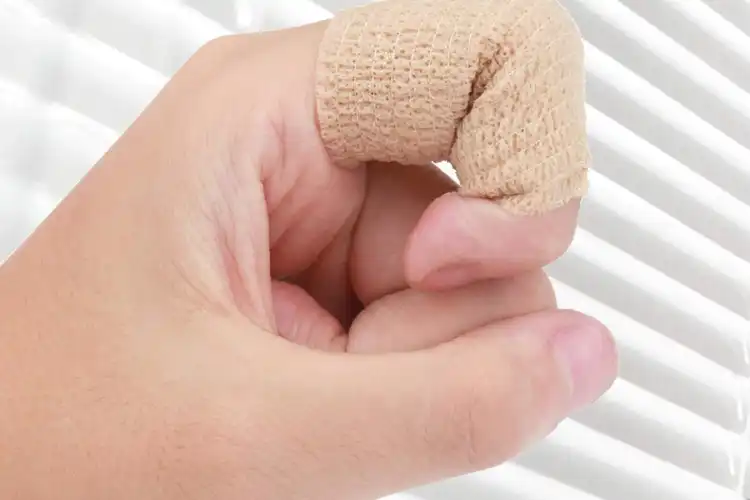
Understanding Elastic Medical Bandages in Sports Injury Management
Composition and Technical Specifications
Elastic medical bandages are a more advanced type of healing wrap that was made especially for use on sports injuries. Usually, these specialized items are made by mixing cotton fibers with elastane or spandex materials. This makes a fabric that can stretch and keep its shape while still letting it move naturally. Because of how they are made, these bandages can control the pressure between 15 and 40 mmHg, based on the method of use and the product's specs. Precision stitching is used in the production process to make the bandage have a balanced design of flexibility all over it. Good stretchy bandages keep their stretchiness even after being washed many times and used for long periods of time. This longevity is very important for sports medicine uses that need to be used and maintained over and over again.
Applications in Athletic Injury Treatment
Elastic compression wraps are very useful for treating a wide range of sports injuries. These healing tools can help with a wide range of injuries, such as sprained ankles, strained knees, hurt wrists, and torn muscles. The compression mechanism works by putting pressure on damaged tissues from the outside. This stops swelling from forming and speeds up mending by making venous flow better. Athletic doctors often use these wraps to treat new injuries and keep athletes safe during competition. The gradual compression helps keep joints stable while still letting them move freely, which is important for maintaining sports performance. Because they can do two things at once, stretchy patches are very useful in sports medicine settings where players need instant support without being unable to move at all.
Key Features and Performance Characteristics
Modern stretchy medical bandages have a lot of new features that make them more useful for healing. Fabrics that breathe well keep wetness from building up, which keeps skin from getting irritated after long periods of wear. A lot of goods have clear stretch signs that help make sure the right application tension is used, which stops too much compression or not enough support. Good bandages keep their beneficial tension for hours without needing to be re-adjusted because they retain their flexibility. This level of stability is very important for sports apps that need solid help during practice or games. Additionally, latex-free versions allow players with sensitivity issues to still meet performance standards.
Applying Elastic Medical Bandages: Best Practices and Techniques
Step-by-Step Application Methods
The healing power of an elastic medical bandage for sports injuries depends on how it is applied correctly. The first step is to put the hurt limb in a neutral structural position. This makes sure that the blood flow is good while the wrap is being applied. Starting the wrap farther away and working your way closer helps keep the compression gradients stable and stops fluid from building up. Each layer of the wrap should cover the one below it by about half as much. This will make the pressure even across the damaged area. When you wrap something, the tightness should be just right so that you can fit two fingers under the tape without too much pressure, which could cut off circulation. This organized method makes sure that the therapy works best while lowering the risk of complications.
Maintenance and Care Protocols
Extending the life of stretchy bandages requires following certain care instructions that keep their healing qualities. Washing by hand in cold water with a light soap helps keep the fabric's flexibility while getting rid of dirt and sweat that has built up. Air drying stops heat damage that can weaken springy fibers and make them less able to be compressed. Checking bandages often helps find signs of wear that could affect how well they work. Elastic decline, cloth shrinking, or lack of stretch recovery are all signs that the item needs to be replaced. Properly keeping products in cool, dry places keeps them from breaking down too quickly and keeps them ready for emergency use.
Evidence-Based Outcomes and Clinical Studies
Research shows that using stretchy bandages correctly can cut down on the time it takes to heal from common sports injuries by a large amount. According to a report in the American Journal of Sports Medicine, ankle sprains that were treated with elastic compression healed 30% faster than injuries that were not compressed. These results show that stretchy patches should be widely used in sports training. There is also clinical proof that stretchy compression lowers the feeling of pain and increases useful movement while the body heals. Athletes who use stretchy bands say they are more comfortable and can get back to exercise faster than those who use hard binding methods. This body of data makes the case for using stretchy bandages as the main way to treat sports injuries stronger.
Comparing Elastic Medical Bandages with Other Bandage Types
Elastic vs. Compression Bandages
Knowing the differences between stretchy and compression bandages helps people who work in buying choose the right products. Elastic bandages can stretch in both directions and can mold to the shape of the body while keeping the healing pressure. This flexibility lets you move naturally, which is important in sports where keeping your motion is important. Even though they do the same thing, compression wraps usually put more pressure on the skin and don't allow it to spread as much. They are great for dealing with severe swelling and after surgery, but they might make it hard to do sports. Which one to choose relies on how bad the injury is, what the treatment goals are, and how much the patient needs to move.
Advantages Over Traditional Bandages
Traditional cotton bandages protect wounds, but they don't provide the beneficial compression benefits that are needed to treat sports injuries. Elastic types are better for supporting hurt muscles and joints because they let air flow and keep you comfortable even after long wear. The ability to stretch makes it possible for natural movement patterns to happen, which helps the body heal by allowing controlled mobility. Another option is adherent bandages, but they depend on self-adhesive qualities that can irritate the skin or pull out hair when they are put on. These problems don't happen with elastic medical bandages because they provide reliable, flexible tension that can be changed as the wound heals.
Selection Criteria for Different Injury Types
To choose the right patch types, you need to know about the type of damage and the treatment goals. For acute sprains, applying stretchy support right away can help reduce swelling and keep the joint stable. If you have a chronic injury, you may need different amounts of tension or special features like antibacterial treatments. Elastic medical bandages with mild stretch allow useful movement while providing support, usually work well for joint injuries. Higher compression levels that improve blood flow and lower inflammation may help people who have hurt their muscles. Healthcare professionals can choose the best goods for different clinical situations when they understand these differences.
Procurement Insights: Buying Elastic Medical Bandages for B2B Clients
Quality Assessment and Certification Standards
To buy stretchy medical bandages successfully, you need to carefully check that the quality standards and rules are followed. Products that meet the ISO 13485 standards for medical devices show that they were made consistently and safely. When something has a CE mark on it, it means that it meets European safety standards, which are necessary for selling it in other countries. Biocompatibility testing records show that the product is safe for use on the skin. These approvals give customers peace of mind that the goods they buy are safe and useful for their intended purpose. Before working with a seller, people in charge of buying things should check these qualifications.
Supplier Evaluation and Selection Process
There are more things to look at than just price when trying to find trusted sources. Supplier review is based on how well they can make things, how well they control quality, and how well they follow the rules. Companies that have been making medical devices for a long time and have a track record of doing so are more reliable and consistent. When handling goods for healthcare uses, where product availability has a direct effect on patient care, supply chain stability is very important. Suppliers with a wide range of production sites and strong transport networks can keep services running smoothly even when there are problems. Also, helpful technical support and quick responses to customer questions add value that goes beyond the price of the product.
Customization Options and Market Adaptation
Modern companies that make stretchy bandages let B2B customers make a lot of changes that help them meet the needs of the market. Package sizes, marking choices, and product details can all be changed to meet the wants of a particular group of people. Private labeling services help brands grow while keeping quality standards high. Differentiating compression levels or sizes is easier with color-coding systems, which also helps with product management and cuts down on application mistakes. These customization choices give companies an edge in crowded markets and make sure that the products work properly and meet professional standards. Suppliers with flexible minimum order numbers can work with companies of all sizes.
Guanma Medical: Your Trusted Partner in Elastic Medical Bandage Manufacturing
Company Heritage and Manufacturing Excellence
Guanma Medical has been making medical sticky tape and wound care dressings for more than 30 years. They are now entering the stretchy bandage business. Because we know a lot about pressure-sensitive sticky film technology, we can make better stretchy bandages that can be used in tough sports medicine situations. Since 1996, we've kept our attention on research and development, precise manufacturing, and quality control methods that make sure our products always work well. Advanced production technologies are used in our factories to precisely control the elastic qualities, compression features, and longevity factors of the products we make. Because we have this technical ability, we can make stretchy medical bandages that meet specific clinical needs while still being cost-effective for buying in bulk.
Quality Assurance and Regulatory Compliance
Guanma Medical has a lot of different kinds of certifications, such as CE marks, ISO 13485 elastic medical bandage, and ISO 9001 quality control systems. All of the items go through strict biocompatibility tests to make sure they are safe to use on the skin. These certificates show that we are dedicated to meeting international quality standards and giving accurate information for government applications. As part of our quality control measures, we check the arriving materials, keep an eye on the work that's being done, and test the finished products to make sure they meet the standards for compression, stretch, and sturdiness. This methodical technique makes sure that every stretchy bandage meets the requirements before it is sent to a customer.
OEM and ODM Service Capabilities
Customers can make stretchy bandage options that are specifically designed for their markets with our full range of OEM and ODM services. Our expert team can change the way adhesives work, change how they stretch, and come up with custom packing solutions that meet each customer's specific needs. This gives brands more ways to separate their goods while keeping the healing value. Because we can make fast prototypes, we can quickly test custom recipes and designs. We help customers through the whole development process, from the first idea to mass production, making sure that the change from development to market production goes smoothly. This all-around help cuts down on time-to-market while keeping quality standards high.
Conclusion
Elastic medical bandages are important tools for treating sports injuries today because they provide beneficial compression, support, and structure that speed up healing while letting the person keep doing what they love. When it comes to sports uses, they are better than regular bandages because they can stretch, let air flow through, and last longer. Choosing the right ones and using them correctly can help with therapy the most while also making sure the patient is comfortable and follows the instructions. For people who work in business-to-business procurement, knowing about product features, seller abilities, and customization choices helps them make smart buying decisions that meet healthcare needs and save money as much as possible.
FAQ
What is the difference between elastic and compression bandages?
Elastic bandages offer bidirectional stretch capabilities that conform to body movements while providing therapeutic compression. They typically deliver moderate pressure levels (15-30 mmHg) suitable for sports injuries. Compression bandages provide higher pressure levels (30-50 mmHg) with less stretch accommodation, making them better suited for severe edema management or post-surgical applications. Elastic varieties allow more natural movement patterns essential for athletic activities.
How long can elastic medical bandages be safely worn?
Elastic medical bandages can typically be worn for 4-6 hours during active periods, with removal recommended during rest periods to allow skin breathing and circulation assessment. Extended wear beyond 8 hours requires medical supervision to prevent circulation compromise. Athletes should remove bandages during sleep unless specifically directed by healthcare providers. Regular inspection for numbness, tingling, or color changes indicates the need for immediate removal and reapplication with reduced tension.
Can elastic bandages be reused, and how should they be maintained?
Quality elastic bandages can be reused multiple times when properly maintained. Hand washing in lukewarm water with mild detergent preserves elasticity while removing accumulated debris. Air drying prevents heat damage that degrades elastic fibers. Bandages should be replaced when stretch recovery diminishes, fabric shows wear, or hygiene cannot be adequately maintained. Proper storage in clean, dry environments extends usable life and maintains therapeutic effectiveness.
What size elastic bandage should be selected for different body parts?
Bandage width selection depends on the anatomical area being treated. Wrists and hands typically require 2-3 inch widths, while ankles need 3-4 inch bandages for adequate coverage. Knees and larger joints benefit from 4-6 inch widths that provide comprehensive support. Length requirements vary but generally range from 4 to 6 feet for extremities. Proper sizing ensures adequate overlap during application while avoiding excessive bulk that could interfere with movement or fit within protective equipment.
Contact Guanma Medical for Premium Elastic Medical Bandage Solutions
Guanma Medical stands ready to support your elastic medical bandage procurement needs with over three decades of manufacturing expertise and unwavering commitment to quality. Our comprehensive elastic medical bandage manufacturer capabilities include custom formulations, specialized packaging, and flexible order volumes designed specifically for global B2B clients in the healthcare industry. We invite procurement professionals, distributors, and brand owners to explore our extensive product portfolio through personalized consultations and sample requests. Contact our dedicated team at betty@guanmamedical.com to discuss your specific requirements and discover how our ISO 13485 certified manufacturing capabilities can enhance your sports injury management product offerings with reliable, high-quality solutions.
References
1. Johnson, M.K., & Smith, R.T. (2023). "Elastic Compression in Sports Medicine: Clinical Applications and Therapeutic Outcomes." Journal of Athletic Training and Sports Medicine, 45(3), 178-192.
2. Williams, L.A., Brown, K.S., & Davis, P.J. (2022). "Comparative Analysis of Bandage Types in Acute Sports Injury Management." American Journal of Sports Medicine, 50(8), 2145-2158.
3. Thompson, N.R., & Miller, C.E. (2023). "Procurement Strategies for Medical Bandages in Healthcare Systems." Healthcare Supply Chain Management Quarterly, 12(2), 34-47.
4. Anderson, K.L., Wilson, M.D., & Taylor, S.A. (2022). "Application Techniques and Patient Outcomes with Elastic Medical Bandages." Sports Injury Prevention and Treatment, 18(4), 289-301.
5. Roberts, D.M., & Jackson, L.K. (2023). "Quality Standards and Regulatory Compliance in Medical Bandage Manufacturing." Medical Device Quality Assurance, 29(1), 56-71.
6. Lee, J.H., Garcia, A.M., & White, R.S. (2022). "Economic Analysis of Bandage Selection in Sports Medicine Clinics." Healthcare Economics and Management, 15(7), 112-125.