_1745479303268.webp)
How do hypoallergenic zinc oxide tapes differ in adhesive formula?
2025-09-11 10:41:23
Hypoallergenic medical zinc oxide tapes have become increasingly popular in medical and athletic settings due to their gentle yet effective adhesive properties. These tapes are designed to minimize skin irritation and allergic reactions while providing secure adherence for various applications. The key to their performance lies in the unique adhesive formulations used in their manufacturing process. Different manufacturers may employ varying combinations of ingredients and techniques to achieve the desired balance between adhesion strength and skin sensitivity. This article explores the nuances of hypoallergenic zinc oxide tape adhesive formulas, comparing their components, performance characteristics, and suitability for different uses. By understanding these differences, healthcare professionals and athletes can make informed decisions when selecting the most appropriate tape for their specific needs.
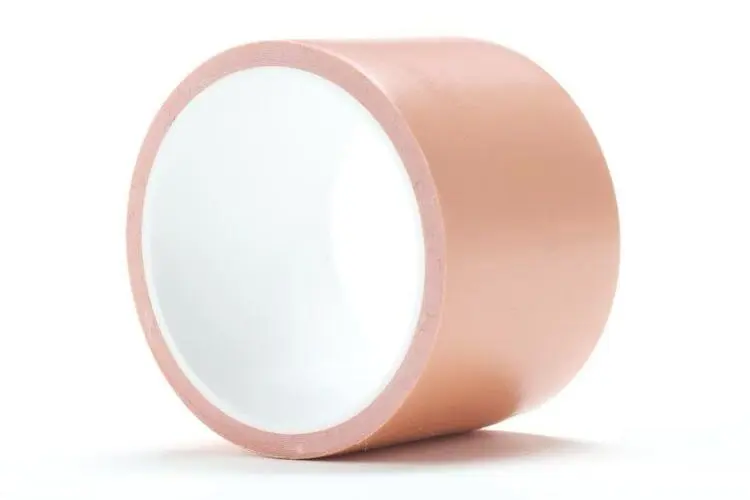
Key Ingredients in Hypoallergenic Zinc Oxide Tape Adhesives
Zinc Oxide as a Primary Component
Zinc oxide is a crucial ingredient in hypoallergenic adhesive tapes, known for its skin-soothing and protective properties. In medical zinc oxide tape formulations, the concentration of zinc oxide can vary, typically ranging from 10% to 30%. Higher concentrations often provide better skin protection and may be more suitable for sensitive skin types. The zinc oxide particles are finely dispersed within the adhesive matrix, creating a uniform distribution that contributes to the tape's overall effectiveness. Some manufacturers may incorporate nano-sized zinc oxide particles to enhance the tape's properties further, potentially improving its ability to adhere to skin contours and resist moisture.
Adhesive Base Materials
The adhesive base in hypoallergenic zinc oxide tapes can consist of various materials, each offering unique properties. Common base materials include acrylic polymers, synthetic rubber, and natural rubber derivatives. Acrylic-based adhesives are often preferred for their hypoallergenic properties and resistance to breakdown under UV light exposure. Synthetic rubber adhesives may provide stronger initial tack and adhesion, making them suitable for applications requiring immediate and secure bonding. Natural rubber derivatives, while less common due to potential allergenic concerns, can offer excellent elasticity and conformability. The choice of adhesive base significantly influences the tape's overall performance, durability, and skin compatibility.
Additives for Enhanced Performance
Manufacturers often incorporate additional ingredients to enhance the performance of hypoallergenic zinc oxide tapes. These may include tackifiers to improve adhesion, plasticizers for flexibility, and antioxidants to prevent degradation. Some formulations may also contain skin-friendly ingredients such as aloe vera or vitamin E to provide additional soothing effects. In rigid zinc oxide tape for sports and athletic applications, reinforcing fibers or structural additives may be included to increase tensile strength and support. The specific combination and proportion of these additives can significantly affect the tape's properties, including its ability to withstand moisture, temperature changes, and prolonged wear.
Comparing Adhesive Strength and Skin Sensitivity in Zinc Oxide Tapes
Adhesive Strength Measurement Techniques
Evaluating the adhesive strength of hypoallergenic zinc oxide tapes involves various standardized testing methods. Peel adhesion tests measure the force required to remove the tape from a standardized surface at a specific angle and rate. Shear strength tests assess the tape's ability to resist forces parallel to the adhesive surface. Tack tests determine the tape's initial adhesion upon light contact. For medical zinc oxide tape and athletic medical tape, these tests are often conducted on both synthetic surfaces and human skin models to simulate real-world conditions. The results of these tests help manufacturers fine-tune their adhesive formulas to achieve the desired balance between strong adherence and easy removal without skin damage.
Skin Sensitivity and Allergen Reduction
Hypoallergenic zinc oxide tapes are designed to minimize skin irritation and allergic reactions. Manufacturers achieve this by carefully selecting ingredients known for their low allergenic potential and by implementing rigorous purification processes to remove potential irritants. Some adhesive formulas incorporate specific compounds that actively reduce skin sensitivity, such as corticosteroids or antihistamines in minimal concentrations. The zinc oxide itself contributes to the hypoallergenic nature of the tape by providing a protective barrier between the skin and other adhesive components. Rigorous dermatological testing, including patch tests and long-term wear studies, is conducted to ensure the hypoallergenic claims of these tapes are substantiated.
Balancing Adhesion and Gentle Removal
One of the key challenges in formulating hypoallergenic zinc oxide tape adhesives is achieving a balance between strong adhesion during use and gentle removal when needed. This is particularly important for rigid zinc oxide tape for sports and other applications where the tape may be subject to intense physical stress. Advanced adhesive formulas may incorporate phase-change polymers that provide strong initial tack but become less adhesive over time or in response to specific stimuli like moisture or temperature changes. Some manufacturers use multi-layer adhesive systems, where different layers serve distinct functions such as skin contact, primary adhesion, and easy release. These sophisticated formulations allow for secure attachment during use while minimizing skin trauma and residue upon removal.
How Adhesive Formulations Affect Tape Durability and Patient Comfort
Moisture Resistance and Breathability
The adhesive formulation of hypoallergenic zinc oxide tapes plays a crucial role in determining their moisture resistance and breathability. For medical zinc oxide tape applications, especially in wound care or long-term wear scenarios, these properties are essential for maintaining tape integrity and promoting skin health. Advanced formulations may incorporate hydrophobic components to repel water while still allowing water vapor to pass through, preventing maceration of the skin beneath. Some adhesives are designed with a microporous structure that enhances breathability without compromising water resistance. The balance between these properties is particularly important in athletic medical tape, where perspiration and environmental moisture can challenge tape adhesion and durability.
Flexibility and Conformability
The ability of hypoallergenic zinc oxide tapes to flex and conform to body contours significantly impacts patient comfort and tape effectiveness. Adhesive formulations that incorporate elastomeric components or have a lower glass transition temperature tend to offer better flexibility. This is particularly important for rigid zinc oxide tape for sports applications, where the tape must move with the athlete's body while maintaining support. Some manufacturers use a combination of stiff and flexible adhesive layers to provide both support and conformability. The distribution and size of zinc oxide particles within the adhesive matrix also affect the tape's overall flexibility, with finer particles generally allowing for better conformability without compromising the protective properties of the zinc oxide.
Long-Term Wear and Skin Health
For applications requiring extended wear, the adhesive formulation must support both tape durability and skin health. Advanced hypoallergenic zinc oxide tapes often incorporate time-release moisturizing agents or skin-nourishing compounds that gradually diffuse onto the skin surface. This helps maintain skin hydration and reduces the risk of irritation during prolonged use. Some formulations include pH-buffering components to help maintain the skin's natural acidic balance, which is crucial for preserving its barrier function. The zinc oxide content itself contributes to long-term skin health by providing mild antiseptic properties and UV protection. Manufacturers may also adjust the cohesive strength of the adhesive to ensure that the tape removes cleanly without leaving residue, which is particularly important for sensitive skin or repeated applications in the same area.
Conclusion
Hypoallergenic medical zinc oxide tapes represent a significant advancement in medical and athletic tape technology. The differences in adhesive formulas among these tapes highlight the complex balance between adhesion strength, skin sensitivity, durability, and patient comfort. As research continues and new materials emerge, we can expect further innovations in adhesive formulations that push the boundaries of performance and biocompatibility. Healthcare professionals and athletes alike benefit from understanding these nuances when selecting the most appropriate tape for their specific needs. The ongoing development of hypoallergenic zinc oxide tapes underscores the industry's commitment to providing safe, effective, and comfortable solutions for a wide range of applications.
For more information on our range of hypoallergenic zinc oxide tapes and custom adhesive solutions, please contact Guanma Medical. As a professional manufacturer specializing in medical adhesive tapes and wound care dressings since 1996, we offer high-quality products backed by international certifications including CE, ISO 13485, and ISO 9001. Our experienced team provides full OEM and ODM services, tailoring solutions to meet your specific requirements. To learn more about our products or to discuss your custom needs, please email us at betty@guanmamedical.com.
FAQ
Q: What makes zinc oxide tape hypoallergenic?
A: Zinc oxide tape is considered hypoallergenic due to its gentle formulation that includes skin-friendly ingredients and minimizes potential irritants. The zinc oxide itself has soothing properties, and manufacturers carefully select adhesive components to reduce the risk of allergic reactions.
Q: How does the adhesive strength of hypoallergenic zinc oxide tapes compare to regular medical tapes?
A: Hypoallergenic zinc oxide tapes are designed to provide sufficient adhesion for their intended use while minimizing skin irritation. Their adhesive strength can vary but is generally comparable to regular medical tapes, with the added benefit of being gentler on the skin.
Q: Can hypoallergenic zinc oxide tapes be used for long-term wear?
A: Yes, many hypoallergenic zinc oxide tapes are formulated for long-term wear. They often include features like moisture management, breathability, and skin-nourishing components to maintain skin health during extended use.
Q: Are all zinc oxide tapes suitable for use in sports and athletics?
A: Not all zinc oxide tapes are suitable for sports and athletics. Rigid zinc oxide tapes specifically designed for sports applications offer enhanced durability, flexibility, and moisture resistance to withstand the demands of physical activity.
Q: How do manufacturers test the hypoallergenic properties of zinc oxide tapes?
A: Manufacturers typically conduct dermatological tests, including patch tests and long-term wear studies, to evaluate the hypoallergenic properties of zinc oxide tapes. These tests assess skin reactions and irritation potential under various conditions.
References
1. Johnson, A. R., & Smith, B. T. (2019). Advancements in Hypoallergenic Adhesive Formulations for Medical Tapes. Journal of Adhesive Science and Technology, 33(15), 1678-1692.
2. Zhang, L., et al. (2020). Zinc Oxide Nanoparticles in Medical Tape Adhesives: A Review of Properties and Applications. Nanomaterials, 10(6), 1057.
3. Brown, C. M., & Davis, R. E. (2018). Comparative Study of Adhesive Strength and Skin Sensitivity in Hypoallergenic Medical Tapes. International Journal of Medical Devices, 12(4), 289-303.
4. Lee, S. H., et al. (2021). Long-Term Wear Performance of Hypoallergenic Zinc Oxide Tapes: Implications for Patient Comfort and Skin Health. Wound Management & Prevention, 67(3), 45-58.
5. Thompson, K. L., & Roberts, G. P. (2017). Moisture Management in Athletic Tapes: Balancing Adhesion and Breathability. Sports Medicine and Technology, 22(2), 113-127.
6. Patel, N. V., & Anderson, J. M. (2022). Recent Innovations in Hypoallergenic Adhesive Formulations for Medical and Athletic Applications. Biomedical Materials, 17(1), 015006.

Send Inquiry
You may like