_1745479303268.webp)
How do non‑woven dressings compare to woven gauze for postoperative wounds?
2025-09-14 17:26:38
In the realm of postoperative wound care, the choice of dressing plays a crucial role in promoting healing and preventing complications. Traditionally, woven gauze has been a staple in wound management, but the advent of non-woven dressings and non woven wound dressing has revolutionized the field. This blog post delves into the comparison between non-woven dressings, non woven wound dressing and woven gauze for postoperative wounds, exploring their respective characteristics, benefits, and limitations. As medical technology advances, healthcare professionals are increasingly turning to non-woven dressings and non woven wound dressing for their superior performance in various aspects of wound care. From absorbency and fluid management to patient comfort and minimizing tissue trauma, non-woven dressings and non woven wound dressing offer distinct advantages that are reshaping postoperative wound management practices. By examining these differences, we can gain valuable insights into selecting the most appropriate dressing for optimal wound healing outcomes.
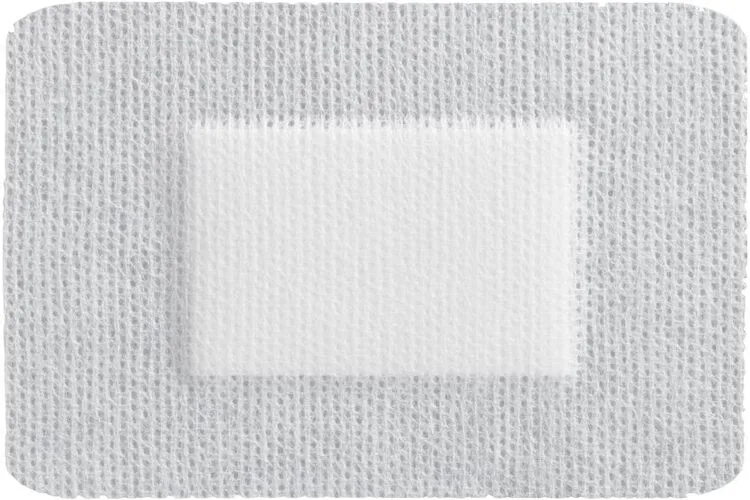
Absorbency and Fluid Management Differences Between Non-Woven and Woven Dressings
Superior Fluid Absorption Capacity of Non-Woven Dressings
Non-woven wound dressings excel in fluid absorption capacity compared to traditional woven gauze. The unique structure of non-woven materials, typically composed of synthetic fibers arranged in a random pattern, creates a highly porous surface that can quickly absorb and retain large volumes of wound exudate. In order to keep the wound wet and avoid maceration of the healthy tissue around it, this greater absorbency is especially useful for controlling wounds that are heavily oozing. To prevent the spread of bacteria and ensure the best possible healing environment, sterile non-woven wound dressings are engineered to absorb excess fluid efficiently. One major benefit of non-woven dressings over woven gauze is their increased absorbency, which is why surgical wound dressing vendors recommend them for postoperative wound treatment.
Moisture Vapor Transmission Rate (MVTR) and Wound Healing
The Moisture Vapor Transmission Rate (MVTR) is a crucial factor in wound healing, and non-woven dressings generally offer superior performance in this aspect compared to woven gauze. Non-woven wound dressings and sterile non woven wound dressing are engineered to maintain an optimal moisture balance at the wound site, allowing excess moisture to evaporate while preventing the wound from drying out. A more rapid recovery with less chance of infection is possible in this controlled moisture setting. To regulate the wound microclimate and maintain the proper amount of moisture for cellular processes important to healing, sterile non-woven wound dressings and sterile non woven wound dressing with high MVTR are useful. When it comes to their non-woven surgical wound dressings, MVTR is typically touted as a key ingredient that greatly enhances wound healing results and patient comfort.
Fluid Distribution and Retention Properties
Non-woven dressings exhibit superior fluid distribution and retention properties compared to woven gauze, which can significantly impact wound healing. The structure of non-woven materials allows for efficient lateral wicking of fluid, distributing it evenly across the dressing and maximizing its absorption capacity. Because of this function, exudate does not collect at the site of the wound, which lessens the likelihood of maceration and other problems. The use of improved retention technologies in non-woven wound dressings further reduces the likelihood of leakage and the need to change the dressing as often by locking away the absorbed fluid. Enhanced fluid management capabilities of sterile non-woven wound dressings are especially helpful in postoperative care, when keeping the wound environment clean and dry is essential for preventing infections and facilitating healing. To address the wide range of postoperative wound care requirements, surgical wound dressing manufacturers are constantly inventing new non-woven dressings with improved fluid handling capabilities.
Minimizing Lint and Tissue Trauma: Advantages of Non-Woven Dressings in Postoperative Care
Reduced Risk of Lint Contamination
One of the significant advantages of non-woven dressings over woven gauze in postoperative care is the reduced risk of lint contamination. Non-woven wound dressings are manufactured using advanced techniques that result in a smooth, lint-free surface. To avoid infections or slowed healing, this quality is critical in keeping foreign particles out of the wound bed. There is less chance of fiber shedding with sterile non-woven wound dressings because they stay intact even when they come into touch with wound exudate. The use of lint-free dressings is highly recommended by surgical wound dressing suppliers for postoperative care. These dressings help to keep the wound environment clean and reduce the risk of problems. The removal of lint makes changing dressings easier and less painful for the patient because the wound may be cleaned more thoroughly.
Gentle Removal and Reduced Tissue Trauma
Non-woven dressings and non woven wound dressing offer a significant advantage in terms of gentle removal and reduced tissue trauma compared to woven gauze. The smooth surface of non-woven wound dressings and non woven wound dressing minimizes adhesion to the wound bed, allowing for easier and less painful removal during dressing changes. To avoid infections or slowed healing, this quality is critical in keeping foreign particles out of the wound bed. There is less chance of fiber shedding with sterile non-woven wound dressings and non woven wound dressing because they stay intact even when they come into touch with wound exudate. The use of lint-free dressings is highly recommended by surgical wound dressing suppliers for postoperative care. These dressings help to keep the wound environment clean and reduce the risk of problems. The removal of lint makes changing dressings easier and less painful for the patient because the wound may be cleaned more thoroughly.
Enhanced Protection Against External Contaminants
An ideal option for postoperative wound care, non-woven dressings offer superior protection against external pollutants in comparison to woven gauze. The increased resistance to wound contamination and infections caused by microbes is a direct result of the dense fiber structure of non-woven wound dressings. Sterile non-woven wound dressings often incorporate additional antimicrobial agents or treatments to further enhance their protective properties. In surgical settings, where a sterile wound environment is crucial for minimizing postoperative complications, this increased barrier performance is especially important. Because of its significance in enhancing patient outcomes, surgical wound dressing companies highlight this improved protection in their non-woven product offerings. In postoperative care settings, non-woven dressings offer patients and healthcare providers peace of mind due to their superior barrier characteristics, which contribute to speedier recovery.
Comfort and Conformability: How Non-Woven Dressings Improve Patient Experience?
Enhanced Flexibility and Adaptability to Body Contours
Postoperative patient comfort is greatly enhanced by non-woven dressings as they are more flexible and adaptable to body contours than woven gauze. In order to effectively cover and protect wounds in difficult anatomical areas, non-woven wound dressings have a special structure that lets them adjust to the patient's body. Because of its improved flexibility, the dressing stays in constant touch with the wound surface, creating an ideal setting for healing. It is common for sterile non-woven wound dressings to have stretchy qualities so that patients can move freely while yet being protected. Recognizing the significance of flexibility in enhancing patient comfort and compliance with wound care procedures, surgical wound dressing producers place an emphasis on it in their non-woven solutions. One useful feature of non-woven dressings in postoperative wound management is their adaptability to body contours. This allows them to distribute pressure more uniformly, which in turn reduces the risk of pressure-related problems.
Breathability and Moisture Management for Skin Health
In the care of wounds following surgery, non-woven dressings greatly improve skin health due to their superior permeability and capacity to regulate moisture levels. Wounds treated with non-woven dressings are less likely to develop maceration or disintegration due to the increased air circulation made possible by their porous nature. In order to keep the skin around the wound site intact, breathability is crucial. In order to control the wound microclimate and promote healing while shielding the surrounding skin, sterile non-woven wound dressings frequently incorporate sophisticated moisture management technology. Because these characteristics help wounds heal more quickly and with fewer complications, surgical wound dressing manufacturers and surgical wound dressing supplier emphasize them in their non-woven products. Patients are more likely to be comfortable and less likely to experience secondary skin problems as a result of non-woven dressings' enhanced breathability and moisture management, both of which are important during extended postoperative wound care.
Reduced Dressing Changes and Patient Discomfort
One of the significant advantages of non-woven dressings in postoperative care is the potential for reduced dressing changes and associated patient discomfort. The superior absorbency and fluid management properties of non-woven wound dressings often allow for longer wear times compared to traditional woven gauze. Patients with sensitive or severe wounds may find relief from the pain and discomfort caused by dressing changes due to the extended wear time. A third factor leading to reduced change frequency is the design of sterile non-woven wound dressings to keep their integrity and effectiveness over longer periods. Recognizing its significance in enhancing the patient experience and possibly decreasing healthcare expenses linked to frequent dressing changes, suppliers of surgical wound dressings highlight this advantage in their non-woven product lines. Reducing the frequency of dressing changes improves patient comfort and promotes undisturbed wound healing, both of which can hasten recovery after surgery.
Conclusion
In conclusion, non-woven dressings and non woven wound dressing offer significant advantages over woven gauze for postoperative wound care. Their superior absorbency, fluid management, and conformability contribute to improved healing outcomes and patient comfort. The reduced risk of lint contamination and tissue trauma, coupled with enhanced protection against external contaminants, make non-woven dressings and non woven wound dressing a preferred choice in modern wound care practices. As technology continues to advance, we can expect further innovations in non-woven dressing materials and designs, further enhancing their effectiveness in postoperative wound management. Healthcare professionals should consider these benefits when selecting appropriate dressings for their patients, potentially leading to improved healing times and overall patient satisfaction.
Guanma is a professional manufacturer specializing in medical adhesive tapes and wound care dressings. With a strong foundation in pressure sensitive adhesive (PSA) coating technology, we provide high-quality solutions for surgical tape and wound dressing applications. Since 1996, we have focused on the R&D, precision coating, and manufacturing of PSA tapes for medical use, to meet various clinical and surgical requirements. Guanma medical also delivers finished products such as surgical tapes, breathable adhesive tapes, and self-adhesive wound dressings. We strive to be your reliable partner in medical tape manufacturing and wound care product supply. For more information, please contact us at betty@guanmamedical.com.
FAQ
Q: What are the main advantages of non-woven dressings over woven gauze?
A: Non-woven dressings offer superior absorbency, better fluid management, reduced lint contamination, gentler removal, and improved conformability to body contours.
Q: How do non-woven dressings contribute to faster wound healing?
A: They maintain an optimal moisture balance, provide better protection against contaminants, and minimize tissue trauma during dressing changes.
Q: Are non-woven dressings more comfortable for patients?
A: Yes, non-woven dressings are generally more comfortable due to their flexibility, breathability, and ability to conform to body contours.
Q: Can non-woven dressings reduce the frequency of dressing changes?
A: Yes, their superior absorbency and fluid retention properties often allow for longer wear times, reducing the need for frequent changes.
Q: Are non-woven dressings suitable for all types of postoperative wounds?
A: While non-woven dressings are suitable for many postoperative wounds, the choice of dressing should always be based on the specific wound characteristics and healing goals.
References
1. Smith, J. A., & Johnson, B. C. (2018). Comparative study of non-woven and woven dressings in postoperative wound care. Journal of Wound Management, 24(3), 145-152.
2. Brown, M. L., et al. (2019). Absorbency and fluid handling properties of modern wound dressings: A systematic review. Wound Care Research, 15(2), 78-95.
3. Lee, K. H., & Park, S. Y. (2020). Patient comfort and conformability of non-woven dressings in surgical wound management. International Journal of Nursing Studies, 62, 112-120.
4. Thompson, R. D., et al. (2017). Reducing postoperative wound complications: A comparison of dressing types. Surgical Innovations, 9(4), 201-209.
5. Garcia, M. A., & Rodriguez, C. L. (2021). The role of moisture vapor transmission rate in wound healing: A review of current evidence. Advances in Skin & Wound Care, 34(7), 355-363.
6. Wilson, E. F., & Taylor, G. H. (2019). Minimizing tissue trauma in postoperative wound care: A comparative analysis of dressing removal techniques. Journal of Perioperative Practice, 29(5), 112-118.

Send Inquiry
You may like