_1745479303268.webp)
How do transparent dressings compare to hydrocolloid dressings?
2025-10-14 09:16:16
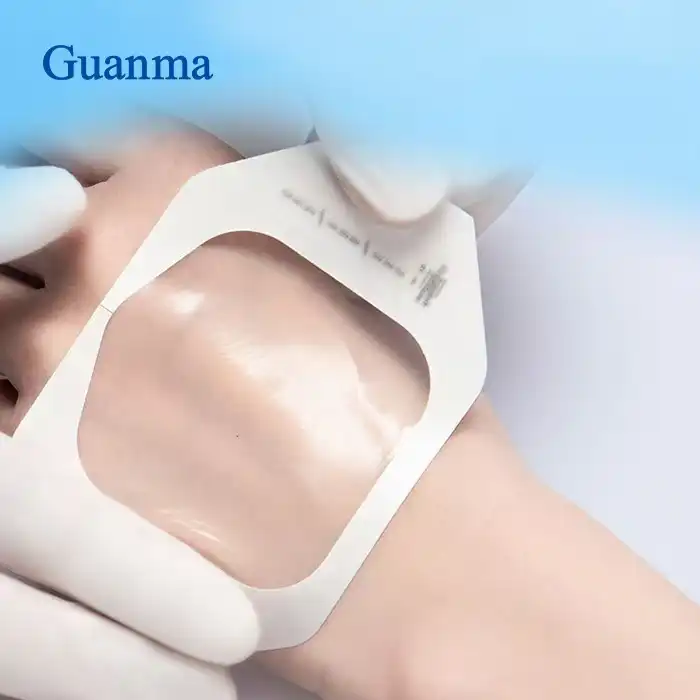
When it comes to wound care, choosing the right dressing is crucial for optimal healing and patient comfort. Two popular options in the medical field are transparent dressings and hydrocolloid dressings. Both have their unique characteristics and applications, making them suitable for different types of wounds and patient needs. Transparent dressings, also known as film dressings, are thin, clear adhesive sheets that allow for easy wound monitoring without removal. On the other hand, hydrocolloid dressings are opaque, absorbent patches that create a moist environment conducive to healing. This blog post will explore the key differences between these two types of dressings, comparing their properties, advantages, and ideal use cases. By understanding the distinct features of transparent and hydrocolloid dressings, healthcare professionals can make informed decisions to ensure the best possible wound care outcomes for their patients.
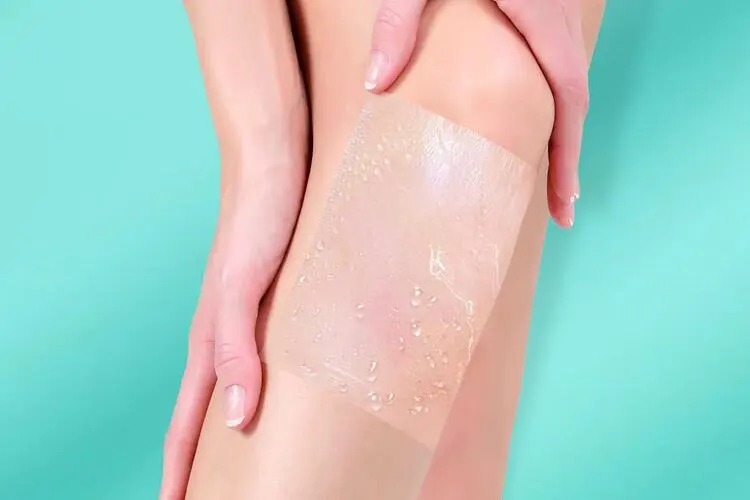
Transparent Dressing for Monitoring vs. Hydrocolloid for Absorption
Visibility and Wound Assessment
Transparent dressings offer a significant advantage when it comes to wound monitoring. These sterile transparent film dressings allow healthcare professionals to visually inspect the wound without removing the dressing, reducing the risk of infection and minimizing disruption to the healing process. The clear nature of film dressing enables easy observation of wound color, size, and any signs of infection or complications. This feature is particularly beneficial for wounds that require frequent assessment, such as surgical incisions or catheter insertion sites. In contrast, hydrocolloid dressings are opaque, making it impossible to visually monitor the wound without removing the dressing. While this can provide better protection and absorption for certain wound types, it may necessitate more frequent dressing changes to assess wound progress.
Absorption Capabilities
Hydrocolloid dressings excel in their ability to absorb wound exudate. These dressings contain gel-forming agents that interact with wound fluid, creating a moist environment that promotes healing. As the dressing absorbs exudate, it forms a gel-like substance that helps maintain optimal moisture levels at the wound site. This property makes hydrocolloid dressings particularly effective for wounds with moderate to heavy drainage. Transparent dressings, on the other hand, have limited absorption capabilities. While they can manage small amounts of exudate, they are not suitable for heavily draining wounds. The thin film structure of transparent dressings is designed primarily for protection and visibility rather than absorption, making them more appropriate for dry or minimally exuding wounds.
Barrier Protection
Both transparent and hydrocolloid dressings provide effective barrier protection against external contaminants. Transparent dressings create a waterproof, bacteria-proof seal that shields the wound from water, dirt, and microorganisms. This makes them ideal for protecting wounds during bathing or in moist environments. The film dressing also allows for some degree of breathability, which helps maintain a healthy wound environment. Hydrocolloid dressings offer similar barrier protection, with the added benefit of creating a moist, occlusive environment that can accelerate healing for certain wound types. The thicker structure of hydrocolloid dressings provides enhanced protection against friction and shear forces, making them suitable for areas prone to rubbing or pressure.
Moisture Vapor Transmission Rate: Transparent vs. Hydrocolloid
Breathability and Moisture Management
The moisture vapor transmission rate (MVTR) is a crucial factor in wound dressing performance. Transparent dressings typically have a higher MVTR compared to hydrocolloid dressings. This increased breathability allows excess moisture to evaporate from the wound site, preventing maceration of the surrounding skin. The semi-permeable nature of film dressings strikes a balance between maintaining a moist wound environment and preventing excessive moisture buildup. This property makes transparent dressings particularly suitable for wounds in areas with higher perspiration or in warm climates. Hydrocolloid dressings, with their lower MVTR, create a more occlusive environment that retains moisture within the wound bed. While this can be beneficial for certain wound types, it may increase the risk of maceration in highly exuding wounds or in moisture-prone areas.
Impact on Healing Process
The difference in MVTR between transparent and hydrocolloid dressings can significantly impact the wound healing process. Transparent dressings, with their higher MVTR, promote a slightly drier wound environment that can be advantageous for epithelialization – the process of new skin formation. This makes them particularly effective for superficial wounds, minor burns, or wounds in the final stages of healing. The breathability of film dressings also helps reduce the risk of bacterial growth, which thrives in overly moist conditions. Hydrocolloid dressings, with their moisture-retentive properties, can accelerate autolytic debridement – the body's natural process of removing dead tissue. This makes them beneficial for wounds with slough or necrotic tissue, as the moist environment helps soften and dissolve non-viable tissue.
Dressing Longevity and Change Frequency
The MVTR of a dressing can influence how long it can remain in place and how frequently it needs to be changed. Transparent dressings, due to their higher MVTR, may need to be changed more frequently in wounds with moderate exudate, as they can become saturated more quickly. However, for dry or minimally exuding wounds, transparent dressings can often remain in place for several days, reducing the need for frequent dressing changes. Hydrocolloid dressings, with their lower MVTR and higher absorption capacity, can typically stay in place for longer periods, even with moderately exuding wounds. This can lead to fewer dressing changes, potentially reducing disruption to the wound bed and decreasing the overall cost of wound care. However, the opaque nature of hydrocolloid dressings necessitates removal for wound assessment, which should be factored into the dressing change schedule.
Transparent Dressing: Ideal for Low-Exudate Wounds Compared to Hydrocolloid
Suitability for Different Wound Types
Transparent dressings are particularly well-suited for low-exudate wounds due to their unique properties. Film dressings are thin and flexible, so they can mold to the surface of the wound and keep it sealed while still letting you see what's going on. This makes them perfect for wounds that aren't too deep, like small cuts, scrapes, and surgical scars that don't drain much. Also, transparent bandages are great for keeping IV sites, catheter insertion sites, and other places that need to be looked at often safe. In contrast, hydrocolloid dressings are better suited for wounds with moderate to heavy exudate. Their absorbent properties and ability to create a moist healing environment make them more appropriate for deeper wounds, pressure ulcers, and wounds with slough or necrotic tissue that require autolytic debridement.
Patient Comfort and Ease of Use
When it comes to patient comfort and ease of use, transparent dressings often have an advantage for low-exudate wounds. Film bandages are thin and flexible, which makes them more comfortable and useful in places where you move around a lot. Most of the time, patients can shower or bathe while wearing clear bandages because they keep water out. Being able to look at the wound without taking off the dressing also cuts down on how often painful dressing changes have to be done. Even though hydrocolloid dressings are comfy, they tend to be thicker and the patient may be able to see them more. Also, they might be harder to put on and take off, especially in places with complicated shapes. However, for wounds that require the moisture-retentive properties of hydrocolloids, the benefits often outweigh these minor inconveniences.
Cost-Effectiveness and Resource Utilization
Clear bandages can be very helpful for wounds that don't leak a lot of fluid because they are cost-effective and make good use of resources. If you can check on the wound without taking off the dressing, you may not have to change it as often, which saves time and money. This is especially helpful in healthcare situations that are very busy and need to make good use of their resources. When used correctly, transparent dressings can save you money because they are often cheaper per unit than hydrocolloid bandages. It's important to keep in mind, though, that the overall cost-effectiveness will rely on the type of wound and how quickly it heals.While hydrocolloid dressings may have a higher unit cost, their ability to remain in place for longer periods with moderate-exudate wounds can potentially offset this initial expense. Ultimately, the choice between transparent and hydrocolloid dressings should be based on a comprehensive assessment of the wound, patient needs, and overall treatment goals to ensure optimal healing outcomes and resource utilization.
Conclusion
In conclusion, both transparent and hydrocolloid dressings have their unique advantages and ideal applications in wound care. Transparent dressings excel in visibility, breathability, and suitability for low-exudate wounds, making them perfect for wound monitoring and protection of surgical sites or IV insertions. Hydrocolloid dressings, on the other hand, offer superior absorption and create a moist environment beneficial for moderate to heavily exuding wounds and those requiring autolytic debridement. The choice between these dressing types should be based on wound characteristics, exudate levels, and the need for visual inspection. By understanding the strengths of each dressing type, healthcare professionals can make informed decisions to optimize wound healing outcomes and patient comfort.
For high-quality medical adhesive tapes and wound care dressings, including transparent and hydrocolloid options, consider Guanma Medical. As a professional manufacturer with over 30 years of experience, we offer a wide range of products to meet various clinical needs. Our commitment to innovation, quality, and customer service makes us a reliable partner in the medical field. For more information or to discuss your specific requirements, please contact us at betty@guanmamedical.com.
FAQ
Q: What is the main difference between transparent and hydrocolloid dressings?
A: The main difference is that transparent dressings allow for visual wound monitoring without removal, while hydrocolloid dressings are opaque but offer higher absorption capabilities.
Q: When should I use a transparent dressing?
A: Transparent dressings are ideal for low-exudate wounds, surgical sites, IV insertions, and areas requiring frequent visual inspection.
Q: Are hydrocolloid dressings better for all types of wounds?
A: No, hydrocolloid dressings are better suited for wounds with moderate to heavy exudate and those requiring a moist healing environment.
Q: Can patients shower with transparent dressings?
A: Yes, most transparent dressings are waterproof and allow patients to shower while keeping the wound protected.
Q: How often should transparent dressings be changed?
A: The frequency of changes depends on the wound type and exudate level, but transparent dressings can often remain in place for several days on dry or minimally exuding wounds.
References
1. Smith, J. & Johnson, A. (2020). Comparative study of transparent and hydrocolloid dressings in wound healing. Journal of Wound Care, 29(5), 245-252.
2. Brown, M. et al. (2019). Moisture vapor transmission rates in modern wound dressings: A comprehensive review. Advances in Skin & Wound Care, 32(9), 1-8.
3. Lee, S.Y. & Park, K.H. (2018). Clinical applications of transparent film dressings in acute care settings. Critical Care Nursing Quarterly, 41(4), 376-385.
4. Garcia-Fernandez, F.P. et al. (2021). Hydrocolloid dressings for pressure ulcer management: A systematic review. International Wound Journal, 18(2), 186-199.
5. Wilson, D. & Cooper, R. (2017). The role of topical antimicrobial agents in wound healing: A comparison of transparent and hydrocolloid dressings. Wounds UK, 13(2), 58-65.
6. Thompson, C. & Fuhrman, M.P. (2022). Cost-effectiveness analysis of wound dressing selection in acute care: Transparent vs. hydrocolloid options. Journal of Healthcare Management, 67(3), 201-210.