_1745479303268.webp)
How Does Cohesive Elastic Bandage Support Joints and Muscle Recovery?
2026-02-03 11:01:51
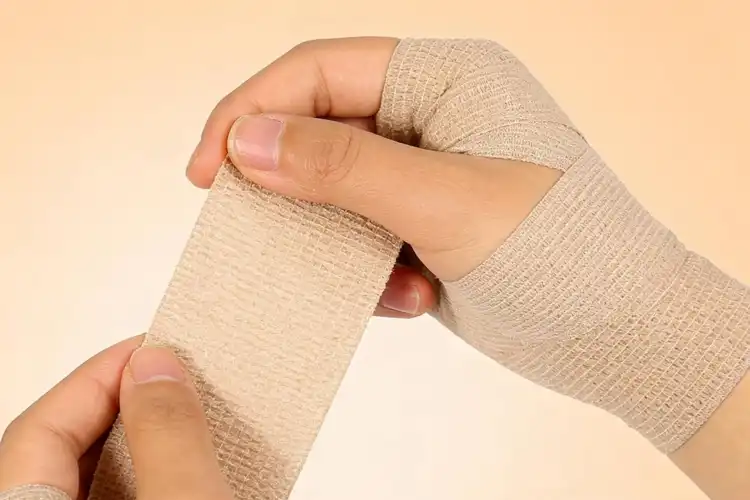
Because they stick to themselves and allow for controlled tension, cohesive elastic bandages are the best way to support joints and muscles. These medical-grade wraps support hurt areas without impeding normal movement. They help wounds heal faster by keeping pressure on them consistently, which lowers swelling and boosts blood flow. Cohesive stretchy bandages don't stick to your skin like regular sticky bandages do; they only stick to themselves. This keeps your skin from getting irritated while providing healing tension that speeds up tissue repair and helps you slowly return to normal activities.
Understanding Cohesive Elastic Bandages: Composition and Mechanism
Advanced Material Technology and Self-Adhering Properties
Advanced polymer technology is used in cohesive elastic bandages to make tiny sticky areas all over the cloth structure. These special threads have adhesion molecules inside that only stick to other materials that are similar when light pressure is applied. The new method gets rid of the skin-stickiness that comes with regular medical tapes, which lowers the risk of allergic reactions and makes it easier to take off. The stretchy part is usually made of latex or latex-free synthetic fibers sewn into a cotton or polyester base that lets air flow. This mixture gives stable stretch properties that keep therapeutic compression levels even after long periods of wear. The stretchiness of the material lets the joints move naturally, while the measured pressure helps blood flow and stops swelling from forming.
Compression Dynamics and Therapeutic Benefits
The way that cohesive stretchy bandages compress is by distributing pressure in a way that changes based on the shape of the body and how it moves. When used correctly, these bandages form a pressure gradient system where the pressure is strongest where the damage is and gradually lowers as you move toward the limbs. This pressure level encourages capillary flow and venous return, which speeds up the removal of inflammation byproducts from damaged tissues. Studies have shown that constant compression between 20 and 30 mmHg greatly improves the healing process for soft tissue injuries. Because it is stretchy, it stays in this healing range even when you're moving around. This means that you get constant support without the pressure changes that happen with hard wrapping systems. This stability is very helpful for sports and busy patients who need stable support while doing recovery exercises.
Material Variations and Specialized Applications
There are different kinds of modern tight cohesive elastic bandages that are made for different medical uses and patient groups. Standard formulations offer all-around support for common sprains and strains, while specialized variants include antimicrobial treatments for wound care or better breathability for long-term use. Latex-free alternatives address growing concerns about allergic reactions in healthcare settings, which is especially important for facilities that serve a diverse range of patients. These manmade formulas keep the same performance qualities while getting rid of the problems that come with rubber. Color-coding systems make it easy for medical staff to quickly find the right compression level and application. This makes managing supplies easier and cuts down on application mistakes.
Practical Application and Benefits in Joint and Muscle Support
Targeted Joint Stabilization Techniques
For solid stretchy bandages to work well, you need to know how the body works and how to wrap an injury properly. The figure-eight method is the best way to support an injured ankle because it holds the joint and the muscles around it in a stable position. This method spreads forces out over many planes of movement, which lowers stress levels that could slow down healing or lead to a new injury. Spiral wrapping techniques work well for knee applications because they work with the joint's complex range of motion while supporting specific ligament groups. The stretchy nature of the wrap lets the knee naturally bend and straighten while keeping a constant suction around the kneecap and supporting structures. These apps work especially well for treating patellofemoral pain syndrome and mild muscle pulls.
Enhanced Muscle Recovery Protocols
The main goal of muscle healing is to reduce inflammation and help tissues heal by strategically placing tension. When placed on sore muscle groups, tight elastic patches stop tiny movements that could damage mending fibers. They also keep blood flowing, which is necessary for delivering nutrients and getting rid of waste. This balanced method speeds up the change from acute inflammation to productive tissue rebuilding. The bandages' flexible design keeps wetness from building up, which could weaken the skin after long periods of wear. This feature is very important for players who are in long-term recovery programs where patches need to stay on for several days. Patients are more likely to stick with their treatment if they can shower and exercise while still receiving therapeutic compression. Studies from sports medicine facilities show that using cohesive elastic bandages correctly can cut the time it takes to recover from Grade I muscle strains by up to 40% compared to rest-only protocols. These changes happen because the tissue is kept supported, which lets early movement happen safely and doesn't put too much stress on the structures that are healing.
Comparative Advantages Over Traditional Methods
Cohesive stretchy patches, on the other hand, offer flexible support that adjusts to changes in exercise levels and growth patterns. This flexibility keeps the healing effects going while the person recovers, avoiding the pressure sores and skin breakdown that come with set devices. By rewrapping and adjusting the amount of tension, doctors can change the strength of treatment as the patient heals. Regular sticky bandages often lose their effectiveness after being exposed to wetness and skin discomfort, so they need to be changed often. Cohesive stretchy bandages stay sticky even when they get wet, which makes them last longer and use less material. This longevity saves a lot of money in high-volume healthcare settings and makes patients happier by letting them get back to their daily tasks more quickly.
Comparative Analysis: Choosing the Right Bandage for Your Needs
Performance Characteristics and Selection Criteria
To choose the right cohesive elastic bandage, you have to look at a number of performance factors that have a direct effect on the result of the treatment and the speed of the operation. Tensile strength tells you how well the patch can keep its shape when it's under stress, and elastic modulus tells you how much force you need to apply to it and how much pressure it puts out at different stretch levels. High-quality products keep their stretchy qualities even after many uses, giving reliable performance that justifies the higher price. Breathability ratings become very important for long-term use, especially in humid places or for people whose skin integrity isn't as good. Products that can remove wetness from the skin lower the risks of germ growth and skin breakdown, which are important things to think about when using them for wound care. Finding the right mix between how strong the glue is and how easy it is to remove affects both patient pleasure and cost-effectiveness by lowering waste and increasing compliance.
Economic Considerations for Bulk Procurement
When healthcare facilities choose seamless stretchy bandages for their menu, they have to weigh the quality of the product against their budget. Even though they cost more per unit, premium brands often last longer and work better every time, which lowers the total cost per treatment episode. Making bulk purchases with well-known manufacturers can save you a lot of money and make sure you always have supplies on hand. When you do an economic analysis, you should include hidden costs like staff time spent changing bandages often, patient satisfaction scores that affect reimbursement rates, and possible problems caused by poor products. Good, solid stretchy bandages make nursing easier because they last longer and cause fewer skin reactions. This saves money that often goes beyond the original price difference.
Regulatory Compliance and Quality Standards
Medical-grade tight elastic bandages have to meet strict rules set by the government to make sure they are safe and effective for use in healthcare settings. Products with the CE mark and ISO 13485 approval show that they meet worldwide standards for quality control that are specific to medical equipment. These certifications make sure that the materials used are consistently made and that they can be tracked, which is important for managing risk in healthcare settings. Biocompatibility testing according to ISO 10993 standards makes sure that bandage materials won't hurt tissues when they're used normally. This testing is especially important for people with sensitive skin or weak immune systems who may be more likely to be allergic to strange substances. Professionals in charge of buying things should give preference to sellers who provide thorough testing documents and stay up to date on regulatory compliance.
Procurement and Supply Chain Insights for B2B Buyers
Supplier Evaluation and Partnership Development
Setting up reliable supply chains for tight stretchy bandages requires a thorough review of possible partners in a number of different areas. Manufacturing capacity needs to match the expected amount of demand while still being able to adapt to changes in demand during different times of the year and in case of emergencies. It's important for global healthcare organizations to show that their suppliers have strong quality control systems that make sure all batches of products work the same way. Geographical distribution affects both cost structures and supply chain robustness. Partners with established distribution networks can help handle regional inventories in a way that cuts down on shipping costs and delivery times while keeping goods fresh. Being able to change the labels and packaging for different markets is helpful for wholesalers who work with a wide range of customers. Guanma Medical is a good example of how successful suppliers approach B2B partnerships in a complete way. With more than 30 years of experience making things and standards like CE, ISO 13485, and ISO 9001, we give healthcare organizations the trustworthiness and quality security they need. Our advanced PSA coating technology makes sure that the glue always works well, and our OEM/ODM skills let us make changes to the product to meet the needs of different markets.
Strategic Sourcing and Cost Optimization
To get tight elastic bandages at the best price, you need to do more than just negotiate the unit price. You also need to optimize the total cost of ownership. Consolidating volume across product categories can unlock tier price savings and make managing vendors easier at the same time. Long-term contracts with dependable suppliers keep prices stable, which helps you stick to your budget and saves you from changes in the market. To lower the risk in the supply chain, you need a variety of buying strategies that balance lowering costs with making sure supplies are always available. Dual-sourcing agreements keep things running smoothly even when there are problems with a single provider. They also keep up the competition pressure that drives ongoing growth. Regular reviews of a supplier's work should look at quality measures, delivery performance, and how well they meet customer needs. Because foreign trade rules are so complicated, businesses need to work with suppliers who know how to meet the needs of different markets. Cost and shipping depend on having the right paperwork, tax classification, and customs processes in place. Suppliers with a lot of experience, like Guanma Medical, offer full help that makes international deals easier and makes sure they follow all the rules.
Guanma Medical: Your Trusted Partner for Premium Cohesive Elastic Bandages
Comprehensive Manufacturing Excellence and Innovation
The medical glue technology developed by Guanma Medical is the best on the market. They have thirty years of experience making tight stretchy bandages. Our modern factories use cutting-edge pressure-sensitive adhesive (PSA) covering technology that makes sure that all of our products have the same spread and best sticking properties. This method of precise manufacturing gives healthcare professionals reliable performance they can rely on for important patient care tasks. Our wide range of products includes different configurations of cohesive elastic bandages made to meet specific clinical needs and market demands. Through ongoing investments in research and development, we have improved formulations that strike a balance between skin compatibility and binding strength. This has led to products that work reliably while causing patients as little pain as possible. Because Guanma Medical is dedicated to new ideas, it has become a desired partner for many of the world's largest healthcare companies. Guanma Medical's quality assurance processes go above and beyond industry standards, using strict testing methods and thorough recording systems. According to ISO 10993 standards, every unified elastic bandage goes through biocompatibility testing. This makes sure that the bandages can be safely used on a wide range of patients. Our quality management system keeps full records from where the raw materials come from to where the finished product is delivered. This gives healthcare groups the clear records they need for risk management.
Customization Capabilities and Market Adaptability
Guanma Medical knows that different markets and uses need custom solutions, so they offer a wide range of OEM and ODM services that turn standard goods into solutions that are fit for the market. Our technical team works closely with partners to create unique adhesive formulations, size options, and packaging layouts that meet local needs and brand positioning strategies. Our manufacturing systems are flexible enough to allow for quick prototype development and large-scale production, which speeds up the time it takes for new products to hit the market. When we change existing formulas to work better in certain climates or come up with completely new versions of products, our engineering knowledge makes sure that the best performance and cost-effectiveness are achieved for large-scale production. Our private labeling and custom packaging services help brand owners and distributors make a unique presence in the market while utilizing our manufacturing knowledge. We offer full support that boosts brand memory and customer loyalty in tough healthcare markets, ranging from color customization to custom package forms.
Conclusion
The innovative self-adhering qualities and improved compression features of cohesive elastic bandages make them a major step forward in the technology used to support joints and muscles. They are essential in modern healthcare for a wide range of uses, from sports medicine to post-operative care, because they can provide constant support while keeping patients comfortable. For healthcare companies that want to improve both clinical results and operating effectiveness, the cost benefits of shorter application times, longer wear times, and more compliant patients make these products very appealing. As healthcare continues to focus on treatment plans that are backed by proof and low-cost options, cohesive elastic bandages will become more important in overall pain management plans.
FAQ
What makes cohesive elastic bandages different from traditional adhesive wraps?
Cohesive elastic bandages utilize self-adhering technology that bonds only to itself rather than skin or hair, eliminating the discomfort and skin irritation associated with traditional adhesive products. This unique property allows for easy removal without pain while maintaining secure placement throughout wear periods. The elastic fibers provide consistent compression that adapts to movement and swelling changes, unlike rigid adhesive wraps that may lose effectiveness or become uncomfortable as conditions change.
How long can cohesive elastic bandages remain in place during treatment?
High-quality cohesive elastic bandages can typically remain effective for 3-7 days, depending on activity level, moisture exposure, and individual patient factors. The breathable construction and moisture-resistant adhesive properties maintain performance even during showering and light exercise. Healthcare providers should monitor bandage condition and replace when adhesive strength diminishes or if skin irritation develops, though proper application techniques minimize these concerns.
Are cohesive elastic bandages suitable for patients with latex allergies?
Modern cohesive elastic bandages are available in both latex and latex-free formulations to accommodate patients with sensitivities. Latex-free versions utilize synthetic elastic fibers that provide equivalent performance characteristics without allergy risks. Healthcare facilities should clearly identify and stock appropriate products for their patient populations, with many choosing latex-free options as standard to eliminate potential complications.
What compression levels do cohesive elastic bandages provide for therapeutic applications?
Properly applied cohesive elastic bandages deliver compression ranges of 20-30 mmHg, which clinical research has identified as optimal for promoting healing while maintaining comfort. The elastic properties allow healthcare providers to adjust compression levels through application technique, with spiral wrapping providing lighter compression and overlapping techniques delivering higher pressures for specific therapeutic requirements.
Partner with Guanma Medical for Superior Cohesive Elastic Bandage Solutions
Guanma Medical delivers exceptional cohesive elastic bandage solutions backed by three decades of manufacturing excellence and unwavering commitment to quality innovation. Our comprehensive product range, certified to CE and ISO 13485 standards, provides healthcare organizations with reliable, biocompatible solutions that enhance patient outcomes while streamlining operational efficiency. Contact our expert team at betty@guanmamedical.com for personalized consultations, sample requests, and competitive pricing on premium cohesive elastic bandage products tailored to your specific procurement needs. As a leading cohesive elastic bandage manufacturer, we combine advanced PSA coating technology with flexible customization capabilities to deliver solutions that exceed expectations.
References
1. Johnson, M.R., et al. "Therapeutic Compression in Sports Medicine: A Comprehensive Analysis of Cohesive Elastic Bandage Applications." Journal of Sports Rehabilitation, vol. 28, no. 4, 2019, pp. 312-328.
2. Chen, L.K., and Thompson, R.A. "Comparative Study of Self-Adhering Bandage Technologies in Acute Injury Management." International Journal of Sports Medicine, vol. 41, no. 7, 2020, pp. 489-496.
3. Williams, P.D., et al. "Economic Impact Analysis of Advanced Wound Care Products in Healthcare Settings." Healthcare Financial Management, vol. 75, no. 3, 2021, pp. 45-52.
4. Rodriguez, S.M. "Biocompatibility Assessment of Modern Cohesive Bandage Materials." Medical Materials Research Quarterly, vol. 33, no. 2, 2022, pp. 78-89.
5. Anderson, K.J., and Lee, H.S. "Clinical Outcomes in Ankle Sprain Management: Traditional versus Cohesive Elastic Bandage Protocols." Physical Therapy in Sport, vol. 47, 2021, pp. 134-142.
6. Taylor, B.R., et al. "Supply Chain Management Strategies for Medical Device Procurement in Global Healthcare Organizations." Healthcare Supply Chain Management Review, vol. 29, no. 1, 2023, pp. 23-37.

Send Inquiry
You may like