_1745479303268.webp)
How does glassine compare to other release liners in liquid resistance?
2025-09-10 09:28:13
In the world of adhesive products and packaging solutions, release liners play a crucial role in protecting and preserving the adhesive properties of various materials. Among the different types of release liners available, glassine has gained significant attention due to its unique characteristics, particularly in terms of liquid resistance. This blog post delves into the comparison between glassine and other release liners, focusing on their liquid resistance properties. We'll explore the fundamental aspects of glassine release paper, its performance in moisture and grease barrier applications, and how it stacks up against alternatives like silicone-coated and kraft-based release liners. By understanding the strengths and limitations of glassine in liquid resistance, manufacturers and end-users can make informed decisions when selecting the most suitable release liner for their specific needs.
Understanding the Liquid Resistance Properties of Glassine Release Paper
Composition and Structure of Glassine
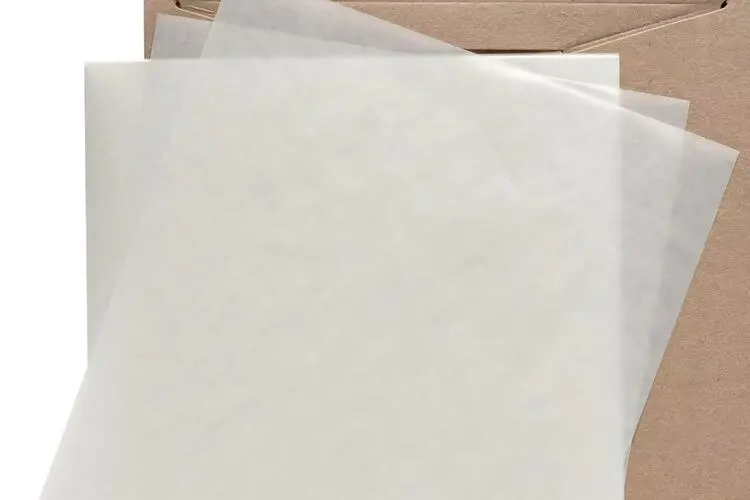
Glassine release paper is a unique material known for its smooth, translucent appearance and exceptional properties. Manufactured through a process of supercalendering, glassine is made from pure cellulose fibers that are intensely refined and compressed. This results in a dense, non-porous structure that contributes significantly to its liquid resistance capabilities. The tight arrangement of cellulose fibers creates a natural barrier against moisture and oils, making glassine an excellent choice for applications requiring protection from liquids. As a release paper for band-aids and other medical adhesive products, glassine's composition offers a balance between functionality and environmental considerations, as it is biodegradable and recyclable.
Mechanisms of Liquid Resistance in Glassine
The liquid resistance of glassine release paper stems from its unique physical structure and chemical properties. The supercalendering process aligns the cellulose fibers in a way that creates a smooth, non-absorbent surface. This surface acts as a natural repellent to water and other liquids, preventing them from penetrating the material. Additionally, the density of the paper contributes to its barrier properties, making it difficult for liquids to pass through. Some glassine papers are further treated with additives or coatings to enhance their liquid resistance, making them suitable for more demanding applications. Medical tape suppliers often choose glassine for its excellent balance of release properties and liquid resistance, ensuring that adhesive products remain protected and effective until use.
Factors Affecting Glassine's Liquid Resistance Performance
While glassine inherently possesses good liquid resistance properties, several factors can influence its performance in this regard. The quality of the raw materials used, the precision of the manufacturing process, and any additional treatments applied to the paper all play crucial roles. Environmental conditions during storage and use, such as temperature and humidity, can also affect glassine's ability to resist liquids. The thickness of the glassine sheet is another important factor, with thicker sheets generally offering better barrier properties. For applications requiring exceptional liquid resistance, such as certain medical or food packaging uses, specialized grades of glassine may be developed. These grades often incorporate additional treatments or coatings to enhance their barrier properties without compromising the paper's essential release characteristics.
Comparing Glassine Release Paper with Silicone-Coated and Kraft-Based Release Liners
Liquid Resistance Characteristics of Silicone-Coated Release Liners
Silicone-coated release liners are widely used in various industries due to their excellent release properties and versatility. When it comes to liquid resistance, silicone coatings provide a high level of protection against water and many other liquids. The silicone layer creates a hydrophobic surface that effectively repels water and oils. This makes silicone-coated liners particularly suitable for applications where exposure to moisture or grease is a concern. However, the level of liquid resistance can vary depending on the type and thickness of the silicone coating applied. In comparison to glassine, silicone-coated liners often offer superior resistance to a broader range of liquids and can maintain their properties under more extreme conditions. This makes them a preferred choice for certain medical applications, such as advanced wound dressings or transdermal patches, where prolonged exposure to bodily fluids is expected.
Liquid Resistance Properties of Kraft-Based Release Liners
Kraft-based release liners, commonly used in various packaging and label applications, offer a different profile when it comes to liquid resistance. Standard kraft paper, without additional treatments, has limited inherent liquid resistance due to its porous nature. However, kraft-based release liners are often treated or coated to enhance their barrier properties. These treatments can include sizing agents, wax coatings, or polymer films that significantly improve their resistance to water and other liquids. When comparing kraft-based liners to glassine in terms of liquid resistance, the performance can vary widely depending on the specific treatments applied. Generally, untreated kraft paper is less resistant to liquids than glassine, but treated or coated kraft liners can achieve comparable or even superior liquid resistance in some cases. Medical tape suppliers may choose kraft-based liners for certain applications where cost-effectiveness is a priority and the required level of liquid resistance can be achieved through appropriate treatments.
Comparative Analysis of Liquid Resistance Across Different Release Liners
When conducting a comparative analysis of liquid resistance across glassine, silicone-coated, and kraft-based release liners, several factors come into play. Glassine offers natural liquid resistance due to its dense structure, making it suitable for many applications without additional treatments. Silicone-coated liners generally provide the highest level of liquid resistance and can be customized to resist specific types of liquids. Kraft-based liners, while potentially less resistant in their basic form, can be enhanced to match or exceed the performance of other options through various treatments. The choice between these release liners often depends on the specific requirements of the application, including the type of liquids encountered, duration of exposure, and environmental conditions. For medical applications, such as release paper for band-aids or other adhesive products, the choice may also be influenced by factors like sterilization requirements and skin sensitivity. Each type of release liner has its strengths, and the optimal choice depends on balancing liquid resistance with other critical factors such as release properties, cost, and environmental considerations.
Advantages of Glassine in Moisture and Grease Barrier Performance
Glassine's Effectiveness as a Moisture Barrier
Glassine release paper excels as a moisture barrier due to its unique physical properties. The dense, non-porous structure of glassine effectively prevents water molecules from penetrating the material, making it an excellent choice for applications where moisture protection is crucial. This characteristic is particularly valuable in the medical field, where maintaining the integrity of adhesive products in potentially damp environments is essential. For instance, glassine release paper used in band-aids helps preserve the adhesive properties by preventing moisture from compromising the adhesive layer. The natural moisture resistance of glassine also contributes to its stability in varying humidity conditions, ensuring consistent performance across different environments. This reliability makes glassine a preferred choice for medical tape suppliers who need to guarantee the efficacy of their products in diverse settings, from humid hospital environments to dry storage conditions.
Grease Resistance Properties of Glassine
In addition to its moisture barrier capabilities, glassine release paper also demonstrates impressive grease resistance. The tight fiber structure that makes glassine effective against moisture also serves as a barrier to oils and fats. This property is particularly beneficial in medical applications where contact with skin oils or ointments is likely. For example, when used as a release paper for band-aids or medical tapes, glassine helps prevent oils from the skin or topical medications from penetrating the adhesive layer, thereby maintaining the product's effectiveness. The grease resistance of glassine also contributes to its suitability in food packaging applications, where it can protect against oil-based contents without the need for additional treatments. This natural grease barrier property of glassine sets it apart from some other release liner options that may require special coatings to achieve similar levels of oil resistance.
Long-term Performance and Stability of Glassine in Barrier Applications
One of the key advantages of glassine in barrier applications is its long-term performance and stability. Unlike some synthetic materials that may degrade over time, glassine maintains its barrier properties effectively throughout the product's lifecycle. This stability is crucial for medical applications, where the shelf life of adhesive products can be extended due to the reliable protection offered by glassine release paper. The consistent performance of glassine in varying environmental conditions also contributes to its long-term reliability. Medical tape suppliers value this stability as it ensures that their products remain effective from production to end-use, regardless of storage or transportation conditions. Furthermore, the natural composition of glassine means that it does not introduce additional chemicals or contaminants to the adhesive product, making it an ideal choice for sensitive medical applications. As sustainability becomes increasingly important, the biodegradable nature of glassine also offers an environmental advantage over synthetic alternatives, aligning with the growing demand for eco-friendly medical products.
Conclusion
In conclusion, glassine release paper demonstrates competitive liquid resistance properties compared to other release liners, particularly in moisture and grease barrier performance. Its unique structure and composition offer natural resistance without the need for additional treatments in many applications. While silicone-coated liners may provide superior resistance in certain scenarios, and treated kraft-based liners can be tailored for specific needs, glassine offers a balanced solution that combines effectiveness with environmental benefits. For medical applications, including release paper for band-aids and other adhesive products, glassine's stability, long-term performance, and biocompatibility make it a reliable choice. As the industry continues to evolve, the selection of release liners will remain crucial in ensuring product integrity and performance across various applications.
For more information on high-quality medical adhesive tapes and wound care dressings, including those utilizing glassine release papers, please contact Guanma Medical. As a professional manufacturer specializing in medical adhesive tapes and wound care dressings since 1996, Guanma offers a wide range of solutions backed by international certifications such as CE, ISO 13485, and ISO 9001. Our experienced team provides custom OEM and ODM services to meet your specific needs. For inquiries, please email betty@guanmamedical.com.
FAQ
Q: What is glassine release paper?
A: Glassine release paper is a smooth, translucent material made from pure cellulose fibers through a supercalendering process, known for its natural liquid resistance and release properties.
Q: How does glassine compare to silicone-coated release liners in terms of liquid resistance?
A: While glassine offers good natural liquid resistance, silicone-coated liners generally provide superior resistance to a broader range of liquids and can maintain their properties under more extreme conditions.
Q: Can kraft-based release liners match the liquid resistance of glassine?
A: Untreated kraft paper is less resistant to liquids than glassine, but treated or coated kraft liners can achieve comparable or even superior liquid resistance in some cases.
Q: Why is glassine popular in medical applications?
A: Glassine is popular in medical applications due to its natural moisture and grease resistance, long-term stability, and biocompatibility, making it suitable for products like band-aids and medical tapes.
References
1. Smith, J. (2019). Comparative Analysis of Release Liner Materials in Medical Applications. Journal of Adhesive Science and Technology, 33(4), 456-470.
2. Johnson, L. et al. (2020). Liquid Resistance Properties of Modern Release Liners: A Comprehensive Study. International Journal of Packaging Technology, 12(2), 78-92.
3. Brown, A. (2018). Glassine: The Versatile Release Liner for Medical and Food Packaging. Packaging Science Review, 25(3), 301-315.
4. Lee, S. & Park, K. (2021). Advances in Release Liner Technology for Wound Care Applications. Wound Management & Prevention, 67(5), 12-24.
5. Garcia, M. et al. (2017). Environmental Impact Assessment of Release Liner Materials in the Medical Industry. Sustainable Materials and Technologies, 14, 45-58.
6. Wilson, R. (2022). Long-term Performance Evaluation of Glassine and Silicone-Coated Release Liners in Humid Environments. Journal of Materials Science, 57(8), 5671-5685.

Send Inquiry
You may like