_1745479303268.webp)
How Does Medical Cotton Tape Improve Dressing Fixation?
2026-07-10 11:02:58
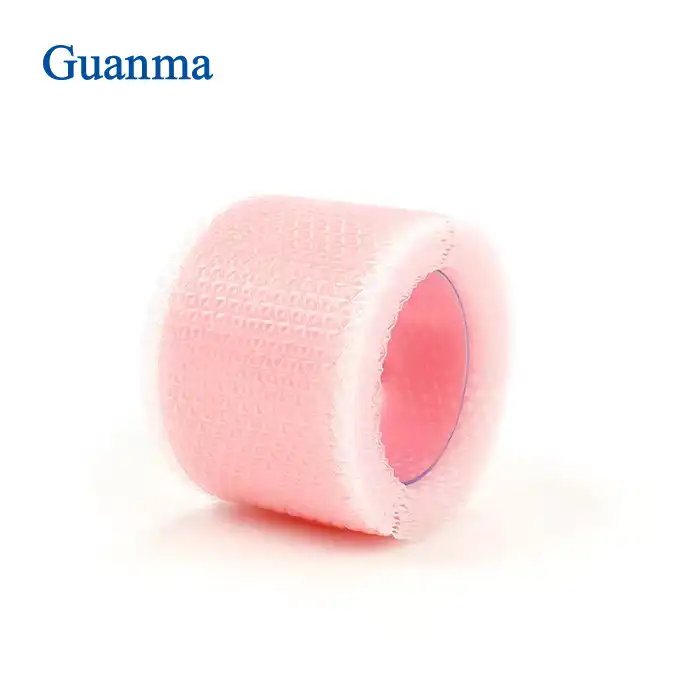
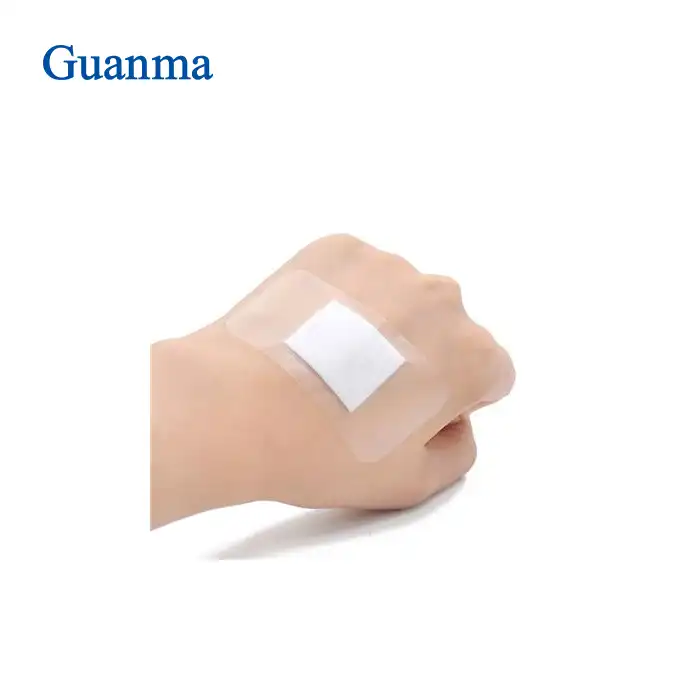
Medical cotton tape improves clothing fixation by mixing hypoallergenic acrylic pressure-sensitive glue with breathable cotton fabric. This makes for a strong, skin-friendly bond. This design makes sure that the wound dressing stays in place while reducing damage to the skin and letting moisture vapour pass through. This tape stops maceration and supports the best conditions for healing. The tape's gentle but strong hold lets the patient move around without damaging the dressing, which is why it is an important part of long-term wound care routines in all hospital settings.
Introduction
Fixing the dressing properly is one of the most important parts of current wound care. When wound patches move or come off too soon, the chance of infection goes up, healing takes longer, and the patient feels a lot more pain. Healthcare workers use specialised fixing solutions to keep wounds clean and help patients stay mobile and comfortable while they heal.
This detailed guide was created for B2B procurement managers, medical device engineers, hospital directors, and OEM clients who need useful information about medical cotton tape options. If you know these goods' technical features, how they're used in medicine, and how to buy them, you can make informed purchases that meet patient care standards and operating efficiency needs. This resource provides you with useful information to help you make better supply chain decisions, whether you are in charge of buying things for a group of hospitals in your area, running a business that delivers medical supplies, or making your own brand of wound care products.
Understanding Medical Cotton Tape and Its Role in Dressing Fixation
Composition and Basic Properties
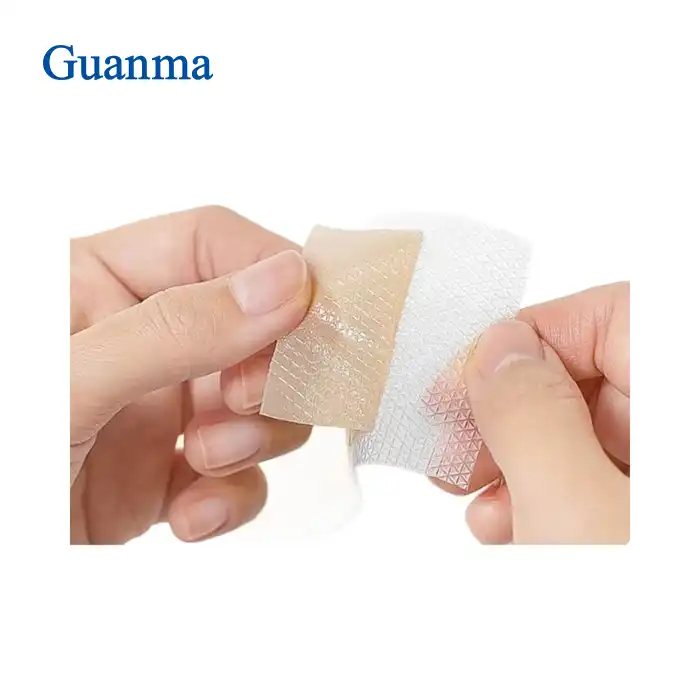
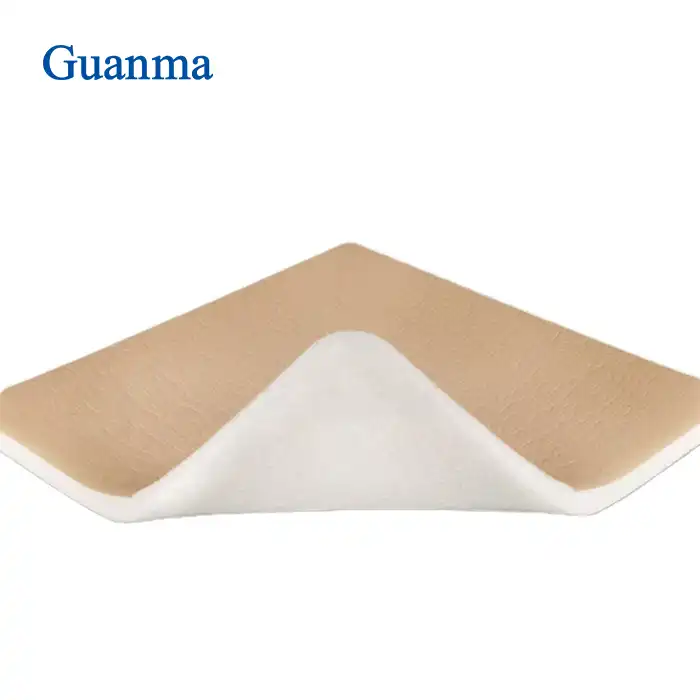
Medical cotton tape is made of woven cotton cloth that is covered with acrylic pressure-sensitive glue. The cotton fibres make a porous structure that lets air flow and moisture vapour pass through. This keeps sweat and other bodily fluids from building up under the tape. Acrylic adhesives have uniform amounts of stickiness on different types of skin and in different environmental conditions, and they don't need to be activated with a solvent.
Precision coating technology is used in the making process to put even layers of glue on the cotton backing. This controlled application makes sure that the tape's binding strength is the same all over its surface, getting rid of any weak spots that could cause the dressing to fail too soon. Our PSA coating technology, which dates back to 1996 at Guanma Medical, gives us exact control over how the glue is distributed, which means that we can predict how well the device will work in the clinic.
Types and Variants Available
Different kinds of medical cotton tape on the market meet specific healthcare needs. Standard medical cotton tape works well for general wound care tasks where it needs to breathe and stick gently. Hypoallergenic versions use adhesive chemistry that is specially made for people with sensitive skin or known adhesive allergies. This lowers inflammatory responses during long wear times.
Water-resistant versions have different adhesives that keep the bond strong even when they're exposed to light moisture. However, they are not the same as completely waterproof tapes that are used in swimming therapy settings. There are options made of paper, but they usually aren't as durable or flexible as medical cotton tape structures. Different kinds of cloth tape, like medical cotton tape, usually have better tensile strength and flexibility than paper tapes.
Comparing Cotton Tape to Alternative Fixation Solutions
Synthetic backings like polyethene or polypropylene are often used in surgical tapes. These materials are particularly effective at keeping wetness out, but don't let the tape breathe. This lessened gas transfer can cause skin to become rough after long-term use, especially in wounds that leak a lot of fluid. Traditional sticky tapes that use rubber-based adhesives may stick better at first, but they often leave skin peeling when they are taken off and pose higher allergy risks.
Medical cotton tape fills the gap between strong fixing and skin protection. The material easily moulds to the shape of the body, even in hard-to-reach places like joints and curved surfaces. Its flexible design also keeps the area under the dressing from getting too hot. This mixture meets a critical need in wound care after surgery, trauma management, and long-term wound care, where both safe fixation and skin integrity protection are essential.
Limitations of Traditional Dressing Fixation Methods and the Advantages of Medical Cotton Tape
Common Challenges with Conventional Tapes
In the past, healthcare facilities used fixation items that put the power of the glue above all else. This method often caused skin damage when the tape was taken off, especially in older patients and people with skin diseases that make it easily damaged. As a result, allergic contact dermatitis kept happening, showing up as redness, itching, and sometimes burning where the tape was applied.
Another big problem was that the wetness wasn't being managed well. Tapes that don't let air pass through them hold sweat and wound fluid against the skin, making conditions that are perfect for bacteria to grow. The resulting dampness made the skin less strong and raised the risk of illness. Studies have shown that collecting wetness under occlusive garments can slow down epithelialisation and granulation tissue formation, which directly affects how quickly the wound heals.
How Do Cotton-Based Solutions Address These Issues?
The porous structure of medical cotton tape changes the way moisture moves under protected patches in a big way. The material lets water vapour pass through it, and the glue keeps the bond strong. This makes a healthy microenvironment that helps cells heal. Because it lets the skin breathe, the dressing doesn't need to be changed as often, which saves money on materials and time for nurses.
When compared to rubber-based or rosin-containing adhesives, hypoallergenic acrylic adhesives have lower risks of sensitivity. Clinical findings show that allergic reactions to latex-free medical cotton tape are much less common, which means that they can be used by people who are known to be sensitive. The gentle removal protects the skin around the wound, which is especially beneficial when handling patients who need to have their dressings changed often for long periods of time.
Clinical Evidence Supporting Superior Outcomes
After switching from standard plastic-backed tapes to breathable medical cotton tape, healthcare facilities saw a clear rise in patient comfort scores and a drop in problems related to skin damage. Hypoallergenic medical cotton tape was used on cuts from surgery in one hospital area, and over six months, the number of cases of contact dermatitis dropped by 40%.
Another area where medical cotton tape is useful is when the patient needs to move around. The cloth design bends with the body's movements without losing its adhesive grip or putting too much stress on the skin. This makes it less likely that the dressing will move around while walking. This adaptability comes in handy, especially in rehab settings, where early movement helps patients reach their recovery goals, but rigid tapes make it harder to keep the dressing in place.
Core Features and Types of Medical Cotton Tape for Diverse Application Needs
Standard Cotton Tape Specifications
There are different widths of general-purpose medical cotton tape, running from 2.5 cm to 5 cm, and lengths that go up to 9.14 meters or more per roll. These measurements allow for a range of wound sizes and types of dressings, while also reducing waste by making better use of space. Standard medical cotton tape comes in bland white or tan colours that give it a clean, professional look that works for body parts that people can see.
Our normal medical cotton tape at Guanma Medical has CE and ISO 13485 certifications, which show that it meets international rules for medical devices. From 15°C to 35°C, the acrylic pressure-sensitive glue keeps its bond strength without losing its reliability. This is ideal for healthcare settings where temperatures can vary. Because it is easy to tear, you don't need to use tools when applying it, which accelerates the dressing process.
Hypoallergenic and Sensitive Skin Formulations
When people are getting chemotherapy, radiation therapy, or long-term steroid therapy, their skin often becomes more sensitive, which means that regular medical cotton tape won't work for them. Hypoallergenic medical cotton tape solves this problem by using a sticky formula that gets rid of common allergens while still having enough strength to stick things together. Biocompatibility testing based on ISO 10993 standards is done on these special mixtures to make sure they are safe for long-term skin contact.
Modern hypoallergenic medical cotton tapes don't contain latex, which gets rid of a major allergen source. This means that more patients can easily use these goods. These soft products are especially helpful in care settings for kids and older people, since both age groups are more likely to have skin problems related to adhesives.
Water-Resistant Options for Challenging Environments
Normal medical cotton tape can handle light wetness, but in some hospital situations, it needs to be more resistant to water. When exposed to sweat, light wound drainage, or short touch with water during patient hygiene activities, modified adhesive formulations keep the link strong. These water-resistant versions still let air pass through, which is important for wound healing. This makes them different from waterproof tapes that fully cover the wound.
Because it doesn't absorb water, it's useful for treating cuts on parts of the body that move a lot or in humid places where regular medical cotton tape might melt and lose its stickiness. Healthcare workers in hot areas and places that don't have full temperature control, like this, benefit from improved durability, because it means they can wear the dressings for longer before having to change them.
Comparing Leading Manufacturers
The global market for medical cotton tape includes well-known names such as 3M, Johnson & Johnson, and Medline. Each has its own set of products with different prices and performance levels. Large global brands usually back up their goods with a lot of scientific data and a lot of marketing networks. These companies put a lot of money into research and development, and they are always coming up with new glue chemicals and backing materials.
Regional manufacturers like Guanma Medical offer affordable options that balance quality with low cost. This makes them appealing partners for healthcare systems that are trying to stick to tight budgets for purchases. Our strict adherence to ISO 13485 quality management systems and 30-year history of manufacturing make sure that our products are always reliable. Our OEM and ODM skills give you the freedom to make changes that big brands can't always do easily.
Selecting between high-end foreign names or specialised manufacturers depends on your specific requirements. Focused makers often offer reasonable pricing structures that benefit large buyers. This is especially true when custom specs like private labelling, unique width combinations, or specialised package formats are needed.
Proper Application Techniques to Maximise Dressing Fixation with Medical Cotton Tape
Pre-Application Skin Preparation
Preparing the skin correctly is the first step to getting medical cotton tape to stick well. The area that needs to be covered must be clean, dry, and free of any oils, lotions, or leftover glue from earlier bandages. Cleanse the skin around the cut with saline or gentle soap and water. Then, use a clean cloth to dry it completely. Residual wetness weakens the link between adhesives a lot, which causes medical cotton tape to fail early.
Step-by-Step Application Methodology
First, measure the length of medical cotton tape that you need, making sure that there is enough overlap beyond the edges of the dressing to make a solid fixation without too much strain. Cut or tear the medical cotton tape to the right length, making sure to only touch the backing to keep your fingers from getting oily on the sticky surface.
Before putting medical cotton tape on, make sure the dressing is exactly where the cut is. Hold one end of the medical cotton tape out past the edge of the dressing, and then use light, even pressure to smooth the tape across the surface of the dressing. As you work your way out from the centre, get rid of any air spots that might make it harder for the material to stick or create pressure points. Stretch the medical cotton tape just enough to make sure it sticks, but don't stretch it too far, as that can cause skin strain and pain.
Securing Different Dressing Types
Gauze bandages need to be covered all the way around to keep them clean and free of germs. Place strips of medical cotton tape along all sides, covering the corners to make a seal that goes all the way around. Film dressings and hydrocolloid products usually come with their own sticky edges. However, medical cotton tape can be used to add extra support to areas that move a lot or where the edges of a dressing start to lift too soon.
When fixing an IV site, you have to be very careful not to cut off blood. By putting medical cotton tape across the tube, you can make an anchor point without putting pressure on the veins below. Single-wide tape applications are less flexible than applications with multiple narrow strips spread out around the entry site.
Removal Best Practices and Moisture Resistance
Using the right removal method saves the skin and makes the patient as comfortable as possible. With one hand, hold the skin next to the medical cotton tape edge while you slowly peel the tape back so that it is parallel to the skin. Rapid vertical pulling strips the skin and hurts it more than it needs to be. Putting a little warm water on the medical cotton tape can soften the glue and make it easier to remove without hurting yourself.
Regarding resistance to wetness, Medical Cotton Tape can handle light sweating and small amounts of wound drainage without losing its bond power. The cloth takes in small amounts of water, but the acrylic glue keeps its stickiness long enough to stay in place. Heavy sweating or direct contact with water while bathing is too much for regular medical cotton tape, requiring either water-resistant versions or safe barriers like clear film overwraps.
Procurement Considerations for Medical Cotton Tape in B2B Settings
Pricing Structures and Minimum Order Quantities
The price of medical cotton tape depends on how much you buy, how you want it customised, and the approval standards. Prices for standard bulk sales range from $0.15 to $0.45 per roll, based on the adhesive type, width, and length. Manufacturers usually set minimum order numbers between 5,000 and 20,000 rolls to cover the costs of setting up the production line. However, some sellers offer lower minimums for first trial orders.
Certification and Regulatory Compliance
For business-to-business purchases of medical cotton tape, product certificates and governmental approvals must be carefully checked. Having ISO 13485 certification shows that the company uses quality management methods that are built to work with medical devices. The CE mark shows that a product meets the standards of the European Medical Device Regulation, which is necessary for selling in EU countries.
FDA approval is especially important for companies that want to sell medical cotton tape to the healthcare industry in the United States. The product meets the safety standards for skin contact uses, as shown by biocompatibility test results that follow ISO 10993 guidelines. At Guanma Medical, we keep our certifications up to date across all of these regulatory frameworks. We also keep full test paperwork on file for clients to look over during purchase evaluations.
Supplier Evaluation Criteria
Reliable medical cotton tape suppliers make sure that the quality of each production batch is the same, keep communication open about wait times and inventory levels, and offer quick expert help for application problems. Look at possible partners' manufacturing capacity, backup production skills, and plans for what to do if there are problems in the supply chain.
The size of a supplier's global distribution network shows how well they can handle foreign shipping needs and customs processes for medical cotton tape. Shipping terms that are good, like consolidated freight choices and open delivery schedules, lower the total cost of acquisition and make managing goods easier. Your healthcare and buying teams can do hands-on testing before committing to large-volume purchases if samples are available.
Emerging Trends in Procurement Strategy
Healthcare procurement increasingly emphasises sustainability for medical cotton tape. Manufacturers who make reusable backing materials or bio-based glue components get more business from healthcare systems that care about the environment. Digital buying tools make it easier to place orders and see what's in stock at all times, which cuts down on routine work and improves order accuracy.
The rising demand for hypoallergenic medical cotton tape formulas is a sign of larger efforts to improve patient safety in healthcare quality improvement programmes. When distributors and hospital networks put these specialized goods at the top of their list of priorities, they stand out in competitive markets and help patients do better. By working with makers that let you customise medical cotton tape in a lot of different ways, you can make private-label products that are specifically geared toward certain institutional tastes.
Conclusion
Medical cotton tape is a big step forward in wound treatment fixation technology because it combines strong binding with skin protection and airflow. Using hypoallergenic acrylic adhesives on soft cotton cloth solves long-standing problems with old ways of fixing things while also meeting a wide range of clinical needs in healthcare situations. If B2B procurement professionals know about the technical requirements, application methods, and seller evaluation criteria, they can make smart buying choices that improve patient results while keeping costs low. As the wound care market continues to shift toward solutions that focus on the patient, breathable fixation products will remain important parts of full dressing routines, supported by makers dedicated to quality, innovation, and following the rules.
FAQ
Is cotton fixation tape suitable for all skin types?
Different kinds of skin, including sensitive, weak, and allergy-prone skin, react very well to medical cotton tape with hypoallergenic adhesive formulations. The lack of latex in the building gets rid of a common source of allergens, and acrylic bonds lower the risk of sensitisation compared to rubber-based options. These soft formulas are especially helpful for people who have contact dermatitis or are getting treatments that weaken the skin.
How long can cotton tape remain applied before requiring replacement?
How long you should wear medical cotton tape varies depending on the type of cut, how wet it is, and how active the patient is. Standard treatments can usually be used continuously for 24 to 48 hours before the adhesive strength naturally decreases or the buildup of moisture makes it necessary to change the dressing. Water-resistant versions might make this last longer in some situations, but professional guidelines should tell you how often to change them based on wound assessment rather than just adhesive performance.
What differentiates cotton tape from surgical tape in clinical applications?
For long-term use on sensitive skin, medical cotton tape values breathability and gentle adhesion. Surgical tape, on the other hand, usually has stronger adhesives and less porous backings for secure fixing during procedures. Surgical tapes often stick better at first, but they may hurt your skin more when you take them off. Medical cotton tape cloth, on the other hand, bends with your body and fits better around curves.
Partner with Guanma Medical: Your Trusted Cotton Tape Manufacturer
Guanma Medical has been making medical cotton tape and coatings for pressure-sensitive adhesives for more than 30 years and sells these products to healthcare workers and wholesalers all over the world. As a qualified medical cotton tape provider with CE, ISO 13485, and ISO 9001 certifications, we provide consistent quality backed by thorough biocompatibility testing and strict regulatory compliance. Our state-of-the-art production facilities allow for a wide range of customisation choices, such as custom widths, lengths, adhesive formulas, and private label printing to meet the needs of your market.
We know that for B2B partnerships to work, they need more than just good products. They also need quick contact, reliable supply lines, and technical help that is tailored to your specific needs. Our knowledgeable customer service team is available 24 hours a day, seven days a week, to help you with product selection, legal paperwork, and application processes. We can make solutions that help your business goals, whether you need competitive bulk prices, an open minimum order quantity, or samples for medical cotton tape clinical testing.
Contact betty@guanmamedical.com today to discuss how our medical cotton tape solutions can enhance your wound care product portfolio and strengthen your competitive position in the healthcare market.
References
1. Karukonda, S.R., et al. (2000). "The effects of drugs on wound healing: Part I." International Journal of Dermatology, 39(4), 250-257.
2. McNichol, L., Lund, C., Rosen, T., & Grey, M. (2013). "Medical Adhesives and Patient Safety: State of the Science Consensus Statements for the Assessment, Prevention, and Treatment of Adhesive-Related Skin Injuries." Journal of Wound Ostomy & Continence Nursing, 40(4), 365-380.
3. Rippon, M., White, R., & Davies, P. (2007). "Skin adhesives and their role in wound dressings." Wounds UK, 3(4), 76-86.
4. Cutting, K.F. (2008). "Impact of adhesive surgical tape and wound dressings on the skin, with reference to skin stripping." Journal of Wound Care, 17(4), 157-162.
5. Wounds International. (2015). "International Best Practice Principles: Wound Infection in Clinical Practice Consensus." Wounds International Best Practice, London: MEP Ltd.
6. Grove, G.L., Grove, M.J., & Zerweck, C. (2014). "Comparative measurement of cutaneous responses to topically applied materials." Journal of Toxicology: Cutaneous and Ocular Toxicology, 33(2), 187-194.