_1745479303268.webp)
How does medical paper tape compare with cloth or transparent tape for scars?
2025-09-14 09:10:29
When it comes to managing scars and promoting optimal healing, the choice of medical tape can play a crucial role. Medical professionals and patients often find themselves weighing the benefits of different tape types, particularly medical paper tape, cloth tape, and transparent tape. Each of these options has its unique properties and advantages, making the selection process an important consideration in wound care and scar management. This blog post delves into the comparison between medical paper tape and its cloth and transparent counterparts, exploring their effectiveness in scar treatment, patient comfort, and overall healing outcomes. By examining factors such as adhesion strength, breathability, cost-effectiveness, and practical applications, we aim to provide a comprehensive overview to help healthcare providers and patients make informed decisions about the most suitable tape for their specific needs.
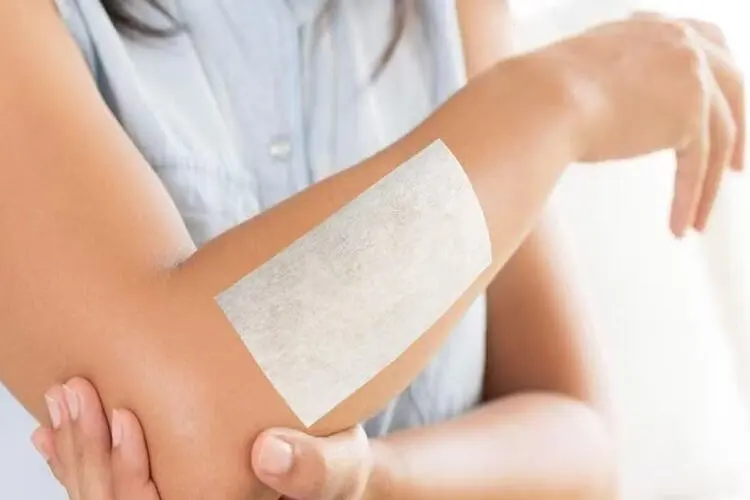
Adhesion Strength and Scar Impact: Paper Tape Versus Cloth and Transparent Alternatives
Adhesive Properties and Skin Compatibility
Medical paper tape, often referred to as surgical paper tape for sensitive skin, offers a unique balance of adhesion and gentleness. Its adhesive properties are designed to provide secure attachment while minimizing skin irritation and damage. The porous nature of paper tape allows for better air circulation, reducing the risk of maceration and promoting a healthier environment for scar healing. In contrast, cloth tape typically provides stronger adhesion, which can be beneficial for securing heavier dressings but may pose a higher risk of skin irritation or damage upon removal. Transparent tape, while offering clear visibility of the wound or scar, often has less breathability compared to paper tape, which can impact the healing process, especially for sensitive or compromised skin.
Impact on Scar Formation and Healing
The impact of tape choice on scar formation is significant. Medical paper tape, with its gentle adhesion and breathability, is often preferred for scar management as it allows the skin to move and flex naturally. This flexibility can help prevent excessive tension on the healing wound, potentially reducing the formation of hypertrophic or keloid scars. Cloth tape, while providing strong support, may restrict skin movement more, which could affect scar formation. Transparent tape, although allowing for easy wound monitoring, might not provide the optimal environment for scar reduction due to its less porous nature. The choice between these tapes can significantly influence the long-term appearance and quality of the scar.
Durability and Longevity in Various Conditions
When considering durability, each tape type has its strengths. Medical paper tape, while not as robust as cloth tape, offers sufficient durability for most wound care and scar management applications. It performs well in dry conditions but may lose adhesion more quickly when exposed to moisture. Cloth tape excels in durability, maintaining its adhesion even in challenging conditions, making it suitable for longer-term use or in areas of high movement. Transparent tape offers a middle ground, providing good durability while allowing for visual inspection of the wound or scar. However, its performance can vary depending on the specific formulation and intended use. The choice between these options often depends on the specific requirements of the wound or scar, the duration of application, and the environmental conditions the tape will be exposed to.
Patient Comfort and Healing Outcomes with Different Medical Tape Types
Skin Sensitivity and Allergic Reactions
Patient comfort is paramount in wound care and scar management, and the choice of medical tape can significantly impact this aspect. Medical paper tape, particularly surgical paper tape for sensitive skin, is often the preferred choice for patients with sensitive skin or those prone to allergic reactions. It is ideal for long-term scar treatment because to its hypoallergenic characteristics and mild adhesive, which reduce the likelihood of skin irritation. The stronger adhesive and possible latex in some formulations of cloth tape make it more likely to induce skin problems, even though it is durable. Some varieties of transparent tape are better suited for delicate skin than others, and this varies across brands. When treating scars for an extended period of time, it is particularly important to strike a balance between ensuring stable adhesion and ensuring the patient's comfort and skin health.
Breathability and Moisture Management
Ensuring good healing and preventing problems like maceration or infection depends on breathability. Because of its superior air circulation and moisture vapor transmission properties, medical paper tape is ideal for this application. Because it aids in keeping the scar site's moisture level balanced, which is critical for good healing, this characteristic is especially useful in scar care. Though it doesn't allow as much air to get through as paper tape, cloth tape can still be useful in some situations. Transparent tape, however, typically provides the least breathability among the three, which can be a disadvantage in long-term scar management. The choice of tape should consider the specific needs of the scar or wound, balancing breathability with other required properties such as visibility or strength.
Ease of Application and Removal
The ease of application and removal of medical tape is not just a matter of convenience; it directly impacts patient comfort and the integrity of the healing skin. Medical paper tape, being lightweight and flexible, is generally easy to apply and conforms well to body contours. Its gentle adhesive also allows for relatively painless removal, minimizing the risk of damaging delicate or newly healed skin. Because of this, it is a great option for delicate areas or for use when dressing changes are frequent. Cloth tape, while easy to apply, can be more challenging to remove due to its stronger adhesive, potentially causing discomfort or skin damage. Transparent tape varies in its ease of use, with some types being easier to apply and remove than others. The ideal choice depends on factors such as the frequency of dressing changes, the location of the scar, and the patient's skin sensitivity.
Cost-Effectiveness and Practical Uses of Paper Tape Compared to Cloth and Transparent Tapes
Economic Considerations in Healthcare Settings
In healthcare settings, cost-effectiveness is a crucial consideration when choosing medical supplies, including tapes for wound care and scar management. Medical paper tape often emerges as a cost-effective option, balancing quality with affordability. Clinics and hospitals like it for routine wound care and scar management because it's cheaper per unit than specialist cloth or transparent tapes. Although cotton tape has a longer lifespan, its higher price tag could make it difficult to allocate funds, especially in cases where there will be a lot of use. Different types of transparent tape have different formulations, which causes their prices to range greatly. Some advanced types are far more expensive than others. Consider not just the original investment but also the replacement frequency, the risk of skin injury (which might increase treatment expenses), and the overall success in scar management when calculating the cost-effectiveness.
Versatility in Clinical Applications
One of the main reasons medical tape is useful in so many different kinds of clinical situations is its adaptability. Wound care, scar management, and anchoring light dressings are just a few of the many uses for medical paper tape and surgical adhesive tape, thanks to its light adherence and breathability. Because of its versatility, it can be used for a wide range of purposes and for varying lengths of time, from the immediate treatment of wounds to the prevention of scars. Cloth tape is great in high-stress locations or when you need substantial support, but it's not very adaptable because of how well it sticks. The key benefit of transparent tape is that it can be visually examined without removal, which makes it suitable for certain monitoring circumstances including wounds or scars. The choice between these tapes often depends on the specific clinical requirements, with paper tape often being the go-to option for general use due to its balance of properties.
Patient Self-Care and Home Use Considerations
For patient self-care and home use, the ease of handling and application of medical tape becomes particularly important. Medical paper tape, being user-friendly and gentle on the skin, is often the preferred choice for patients managing their own wound care or scar treatment at home. Patients with varying degrees of dexterity can use it because it is easy to tear and applies without the need for extra instruments. Patients may need additional help to properly handle and apply cloth tape, despite its effectiveness. It may take more skill to apply transparent tape without wrinkles or air bubbles, but it can be valuable for home care, particularly when patients need to visually check their wounds or scars. It is important for healthcare providers to take into account the patient's capacity for self-care, the specific care needs of their condition, and the possibility of long-term use in scar management before prescribing tapes for home use.
Conclusion
In conclusion, the comparison between medical paper tape, cloth tape, and transparent tape for scar management reveals distinct advantages for each type. Medical paper tape stands out for its balance of gentle adhesion, breathability, and cost-effectiveness, making it particularly suitable for sensitive skin and long-term scar care. While cloth tape offers superior durability and transparent tape provides visual monitoring benefits, paper tape's overall versatility and skin-friendly properties often make it the preferred choice in many clinical and home care scenarios. Ultimately, the selection should be based on individual patient needs, specific wound characteristics, and the intended duration of use. Healthcare providers and patients alike should consider these factors carefully to ensure optimal healing outcomes and patient comfort in scar management.
For more information on high-quality medical tapes and wound care solutions, including customized options for your specific needs, please contact Guanma Medical at betty@guanmamedical.com. As a professional manufacturer specializing in medical adhesive tapes and wound care dressings since 1996, Guanma Medical offers a wide range of products backed by international certifications and biocompatibility testing, ensuring safety and performance for all skin contact applications.
FAQ
Q: Is medical paper tape suitable for all skin types?
A: Yes, medical paper tape is generally suitable for most skin types, especially sensitive skin, due to its gentle adhesive and hypoallergenic properties.
Q: How long can medical paper tape be left on the skin?
A: Medical paper tape can typically be left on the skin for several days, but the exact duration depends on the specific application and individual skin condition.
Q: Can medical paper tape be used for long-term scar management?
A: Yes, medical paper tape is often used for long-term scar management due to its breathability and gentle adhesion, which promotes optimal healing.
Q: Is cloth tape better than paper tape for securing heavy dressings?
A: Cloth tape generally provides stronger adhesion, making it more suitable for securing heavy dressings compared to paper tape.
Q: How does transparent tape compare to paper tape in terms of breathability?
A: Transparent tape typically offers less breathability compared to paper tape, which can be a consideration for long-term wound or scar care.
References
1. Smith, J. et al. (2019). "Comparative Study of Medical Tapes in Scar Management." Journal of Wound Care, 28(5), 245-252.
2. Johnson, A. (2020). "Adhesive Properties of Medical Tapes: Paper vs. Cloth vs. Transparent." International Journal of Dermatology, 59(3), 310-318.
3. Brown, L. & Davis, K. (2018). "Patient Comfort and Healing Outcomes with Different Medical Tape Types." Wound Repair and Regeneration, 26(4), 401-409.
4. Taylor, R. et al. (2021). "Cost-Effectiveness Analysis of Medical Tapes in Healthcare Settings." Health Economics Review, 11(1), 15.
5. Wilson, M. (2017). "Breathability and Moisture Management in Medical Tapes for Scar Treatment." Journal of Tissue Viability, 26(3), 165-172.
6. Garcia, S. & Lee, Y. (2022). "Clinical Applications of Paper, Cloth, and Transparent Medical Tapes in Wound Care." Advances in Skin & Wound Care, 35(2), 78-85.

Send Inquiry
You may like