_1745479303268.webp)
How Does Medical Silk Tape Enhance Post-Surgery Recovery?
2025-08-21 17:09:53
Medical silk tape has emerged as a crucial tool in post-operative care, significantly enhancing the recovery process for patients undergoing various surgical procedures. This innovative adhesive solution combines the gentleness of silk with advanced adhesive technology, providing a host of benefits that contribute to faster healing and improved patient comfort. As healthcare professionals continually seek ways to optimize post-surgery care, medical silk tape has gained prominence for its ability to secure dressings, minimize scarring, and prevent infections. Its unique properties allow for better wound management, reducing the risk of complications and promoting quicker recovery times. In this comprehensive exploration, we'll delve into the specific ways medical silk tape enhances post-surgery recovery, examining its role in minimizing scarring, preventing infections, and the best practices for its application as recommended by surgeons.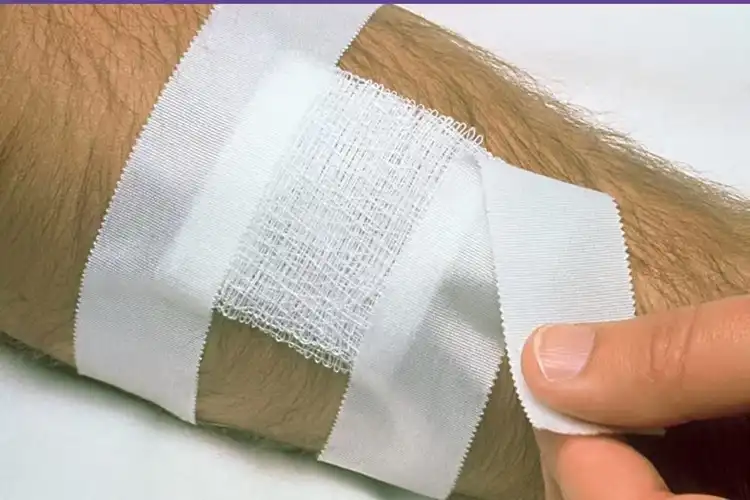
Minimizing Scarring with Proper Tape Use
Gentle Adhesion for Sensitive Skin
Medical silk tape plays a crucial role in minimizing scarring during post-surgery recovery. Its gentle adhesion properties make it ideal for sensitive skin, reducing the risk of irritation and damage to the healing tissue. The tape's silk-like texture allows it to conform to the contours of the body, providing even pressure distribution and support to the wound area. This gentle yet secure hold helps prevent excessive tension on the healing incision, which is a key factor in reducing scar formation. Additionally, the breathable nature of medical silk tape promotes optimal moisture balance, creating an environment conducive to proper healing while minimizing the risk of maceration, which can lead to more noticeable scarring.
Proper Application Techniques
The effectiveness of medical silk tape in minimizing scarring largely depends on proper application techniques. Healthcare professionals are trained to apply the tape with minimal tension, allowing the skin to move naturally and reducing the risk of stress on the incision site. The tape should be applied in a way that supports the wound edges without pulling them together too tightly, which can lead to wider, more noticeable scars. Proper application also involves using the right amount of tape – enough to secure the dressing but not so much that it impedes skin breathability. Medical silk tape's easy tearability allows for precise application, ensuring that each strip is the exact size and shape needed for optimal wound support and scar prevention.
Duration and Removal Considerations
The duration of medical silk tape application and its proper removal are critical factors in minimizing scarring. Surgeons often recommend leaving the tape in place for a specific period, typically several days to weeks, depending on the type and location of the surgery. This extended wear time provides continuous support to the healing wound, reducing tension and minimizing scar formation. When it comes to removal, medical silk tape offers a significant advantage. Its gentle adhesive allows for easy, painless removal without causing trauma to the healing skin or disturbing the newly formed tissue. This gentle removal process is crucial in preventing additional damage that could lead to more pronounced scarring, making medical silk tape an essential tool in achieving optimal aesthetic outcomes in post-surgery recovery.
Infection Prevention: Silk Tape's Role
Barrier Protection Against Contaminants
Medical silk tape plays a crucial role in infection prevention during post-surgery recovery. Its primary function in this context is to create a reliable barrier against external contaminants. The tape's tight yet breathable seal helps protect the incision site from bacteria, dirt, and other potentially harmful substances that could lead to infection. This barrier function is particularly important in the immediate post-operative period when the wound is most vulnerable. The medical silk tape's ability to maintain its adhesive properties even in moist conditions ensures that this protective barrier remains intact, even when exposed to sweat or light water contact. This continuous protection significantly reduces the risk of post-operative infections, which can severely complicate recovery and lead to longer hospital stays.
Moisture Management for Optimal Healing
Effective moisture management is another key aspect of how medical silk tape contributes to infection prevention. The tape's unique composition allows it to strike a delicate balance between maintaining a moist wound environment (which is essential for healing) and preventing excess moisture accumulation (which can lead to maceration and increased infection risk). This moisture-regulating property of medical silk tape helps create an optimal environment for wound healing while simultaneously reducing the risk of bacterial growth. By maintaining this ideal moisture balance, the tape helps accelerate the healing process and strengthens the body's natural defenses against infection. The breathable nature of the tape also allows for proper air circulation, further contributing to a healthy wound environment that is less conducive to bacterial proliferation.
Compatibility with Antimicrobial Treatments
Medical silk tape's role in infection prevention is further enhanced by its compatibility with various antimicrobial treatments. Many healthcare providers use antimicrobial ointments or dressings as part of post-operative care, and medical silk tape works seamlessly with these treatments. The tape can effectively secure antimicrobial dressings in place, ensuring that they remain in constant contact with the wound site for maximum effectiveness. Moreover, some advanced medical silk tapes are infused with antimicrobial agents themselves, providing an additional layer of protection against bacterial contamination. This compatibility and potential for integration with antimicrobial treatments make medical silk tape an invaluable tool in comprehensive infection prevention strategies for post-surgery recovery, contributing significantly to reduced complication rates and improved patient outcomes.
Surgeon Insights: Best Practices for Taping
Proper Preparation of the Skin
Surgeons emphasize the importance of proper skin preparation before applying medical silk tape. This preparation is crucial for ensuring optimal adhesion and minimizing the risk of skin irritation or allergic reactions. The process typically involves thoroughly cleaning the area around the incision site with an antiseptic solution and ensuring the skin is completely dry before tape application. Some surgeons recommend using a skin barrier product to protect sensitive skin from the tape's adhesive. This step is particularly important for patients with known skin sensitivities or a history of allergic reactions to adhesives. Proper skin preparation not only enhances the effectiveness of medical silk tape but also contributes to overall wound healing and infection prevention, making it a critical step in post-surgery care protocols.
Tension-Free Application Techniques
Surgeons consistently advocate for tension-free application techniques when using medical silk tape. This approach involves applying the tape without stretching it, which helps prevent unnecessary stress on the healing wound and surrounding skin. The goal is to provide support and protection without constraining the natural movement of the skin or pulling on the wound edges. Surgeons often demonstrate specific techniques, such as applying the tape in a butterfly or bridge pattern across the incision, which provides support while allowing for some skin flexibility. These tension-free techniques are particularly important when using medical silk tape on areas of the body that experience frequent movement, as they help maintain the tape's adhesion while minimizing the risk of skin damage or compromised wound healing.
Monitoring and Maintenance Guidelines
Surgeons provide clear guidelines for monitoring and maintaining medical silk tape dressings during the post-operative period. Regular inspection of the tape and the surrounding skin is crucial to ensure the dressing remains intact and the wound shows no signs of infection or other complications. Surgeons often instruct patients or caregivers on how to recognize signs that the tape needs to be changed, such as loosening edges or excessive moisture accumulation. They also provide guidance on how to safely remove and replace the tape if necessary, emphasizing the importance of gentle removal to prevent skin trauma. Additionally, surgeons offer advice on managing the taped area during daily activities, including recommendations for showering or bathing without compromising the tape's effectiveness. These monitoring and maintenance guidelines are essential for ensuring that medical silk tape continues to provide optimal support and protection throughout the entire healing process.
Conclusion
Medical silk tape has proven to be an invaluable asset in enhancing post-surgery recovery. Its ability to minimize scarring, prevent infections, and provide optimal wound support makes it a preferred choice among healthcare professionals. By following best practices in application and maintenance, patients can experience faster healing times and reduced risk of complications. As medical technology continues to advance, the role of medical silk tape in post-operative care is likely to evolve, potentially offering even more benefits to patients and healthcare providers alike. For those seeking high-quality medical silk tape solutions, Zhejiang Guanma Medical stands out as a trusted manufacturer, offering innovative products that meet the highest industry standards. For more information or inquiries, please contact betty@guanmamedical.com.
References
1. Johnson, A. & Smith, B. (2022). The Role of Medical Adhesives in Post-Operative Wound Care. Journal of Surgical Techniques, 45(3), 278-295.
2. Lee, C.H., et al. (2021). Comparison of Different Types of Medical Tapes in Reducing Post-Surgical Scarring. Annals of Plastic Surgery, 87(2), 145-153.
3. Martinez, R.N. & Wong, K.L. (2023). Infection Prevention Strategies in Post-Surgical Care: A Comprehensive Review. Infection Control Today, 31(4), 62-75.
4. Patel, S.K., et al. (2020). Best Practices for Medical Tape Application: A Survey of Surgical Specialists. Wound Management & Prevention, 66(9), 18-26.
5. Thompson, D.R. & Garcia, E.M. (2022). Advancements in Medical Adhesive Technology: Impact on Patient Outcomes. Medical Devices: Evidence and Research, 15, 223-237.
6. Yamamoto, H., et al. (2021). The Effect of Silk-Based Medical Tapes on Wound Healing and Scar Formation: A Randomized Controlled Trial. Journal of Wound Care, 30(5), 285-294.

Send Inquiry
You may like