_1745479303268.webp)
How Does Rigid Tape Provide Superior Joint Support?
2025-09-20 09:20:23
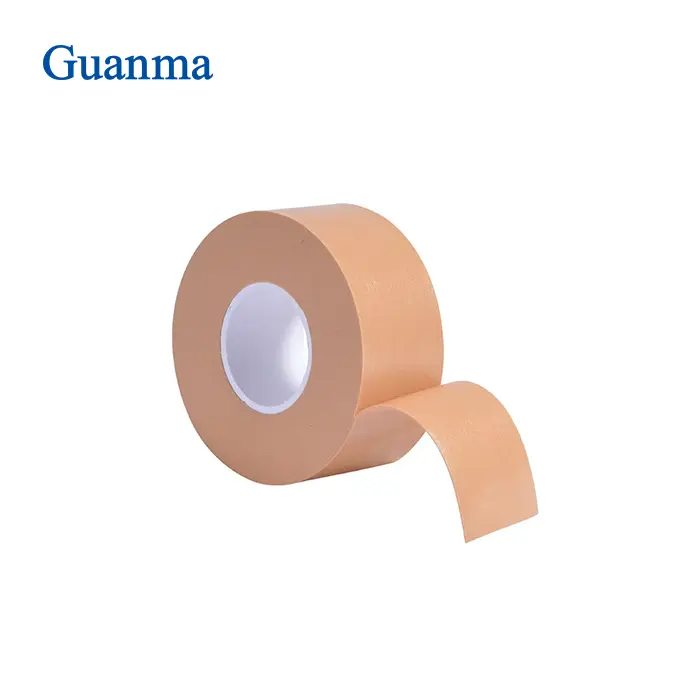
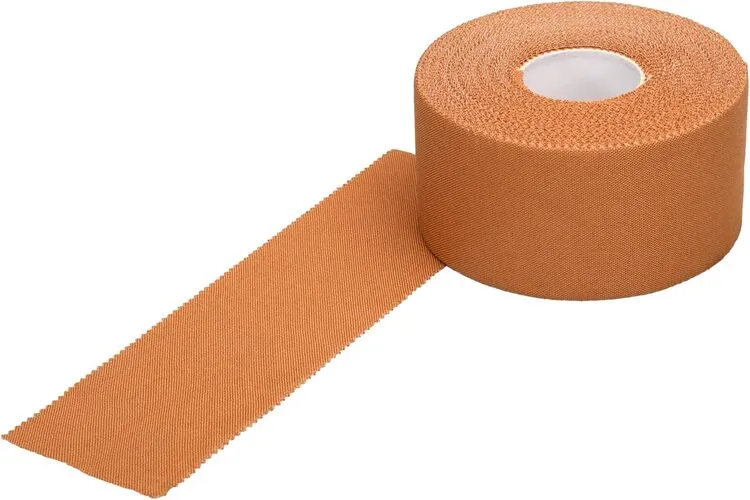
Rigid tape has long been a staple in the world of sports medicine and physical therapy, offering unparalleled joint support for athletes and individuals recovering from injuries. This specialized adhesive tape is designed to provide firm, unyielding support to joints and muscles, effectively limiting movement and reducing the risk of further injury. Unlike its more flexible counterparts, rigid tape creates a robust external structure that helps stabilize joints, making it an invaluable tool for injury prevention and rehabilitation. Its ability to restrict motion while still allowing for some degree of functionality has made it a go-to solution for healthcare professionals and athletes alike. In this blog, we'll explore the mechanisms behind rigid tape's effectiveness, its benefits in injury prevention and pain relief, and how it compares to other taping methods, particularly kinesiology tape.
Mechanisms Behind Rigid Tape's Effective Joint Stabilization
Structural Support and Biomechanical Alignment
Rigid tape provides superior joint support primarily through its ability to create a strong, external structure around the joint. Optimal joint function and injury prevention depend on this structural support's ability to maintain optimum biomechanical alignment. Rigid tape, when properly applied, strengthens the joint's inherent supporting elements by acting as an external ligament. Those who play high-impact sports or suffer from chronic joint instability will benefit greatly from this. Rigid sports tape helps prevent injuries by restricting motion in susceptible areas while facilitating essential range of motion. Overextension or aberrant motions can injure or re-injure the joint; this targeted limitation helps prevent that.
Proprioceptive Enhancement
Another key mechanism of rigid tape's effectiveness is its ability to enhance proprioception. The capacity to perceive one's own location and motion in space is known as proprioception. Stiff tape applied to a joint provides continuous tactile feedback to the dermis and subcutaneous tissues. Better neuromuscular control is the result of an increase in sensory information that helps the body become more aware of the position and movement of the joint. Injury prevention relies on improved proprioception, which lessens the likelihood of abrupt, hurtful motions by allowing for more precise reactions to changes in joint position. In rehabilitation settings, this feature of stiff tape is especially helpful for retraining normal movement patterns, which is crucial, and a rigid sports tape manufacturer china supports this application.
Compression and Circulation
While not as elastic as kinesiology tape, rigid tape still provides a degree of compression to the taped area. The health of your tissues and your joints will both benefit from this compression. To start with, it aids in swelling reduction by reducing the amount of fluid that can collect in the injured area. Second, compression has the potential to improve blood circulation, which is essential for transporting oxygen and nutrients to tissues and eliminating waste. A faster recovery time and less discomfort are two benefits of better circulation. Further protection against possible harm to the joint can be achieved by using stiff tape, which provides compression that helps to decrease vibrations and shocks experienced by the joint while exercising. Many rigid sports tape manufacturers in China have developed tapes with varying levels of elasticity to balance the need for firm support with the benefits of compression.
Injury Prevention and Pain Relief Benefits of Rigid Tape
Reducing Stress on Injured Tissues
One of the primary benefits of rigid tape in injury prevention and pain relief is its ability to reduce stress on injured or vulnerable tissues. Rigid tape takes pressure off injured muscles, tendons, or ligaments by restricting motion in certain directions. When dealing with acute injuries or while undergoing rehabilitation, this is of utmost use. Applying stiff tape to an ankle injury, for instance, can limit inversion—the motion usually responsible for the sprain—while facilitating other essential motions. The wounded tissues can mend without experiencing additional strain thanks to this tailored assistance. When various therapy approaches are combined with rigid athletic tape for injuries, it forms a more complete strategy to managing and preventing injuries.
Enhancing Joint Stability and Confidence
The use of rigid tape greatly improves joint stability, which is essential for avoiding injuries and alleviating discomfort. Athletes and patients gain self-assurance in their motions thanks to the tape's added support, which can help them mentally during recovery and when they're ready to play again. Because less abrupt, uncontrolled movements are more likely to worsen an existing condition or trigger a new injury, this enhanced stability can aid in injury prevention. In addition to minimizing strain on sensitive or inflammatory components within the joint, the increased stability can help reduce discomfort. Many rigid sports tape manufacturers in China focus on developing tapes that provide optimal stability without compromising comfort, ensuring that users can benefit from the support without feeling overly restricted.
Facilitating Proper Movement Patterns
Rigid tape's capacity to promote correct movement patterns is an additional major advantage. Biomechanical retraining can benefit from the use of restrictive tape, which can direct some movements while blocking others. This is of utmost importance in rehabilitation settings since correcting inappropriate movement patterns is crucial for long-term recovery and injury prevention. For instance, patellofemoral pain syndrome can be alleviated and function improved with the use of stiff tape, which guides the patella (kneecap) into a more ideal tracking pattern. With continued practice, this can retrain the body to move more efficiently, which may lessen the likelihood of injury in the future. In order to keep one's form and alignment in check while exercising, the tape's continuous feedback is a great help.
Comparing Rigid Tape with Kinesiology Tape for Joint Support
Differences in Application and Function
When comparing rigid tape with kinesiology tape for joint support, it's important to understand their fundamental differences in application and function. Rigid tape is designed to provide firm, unyielding support and is typically applied with the joint in a neutral or slightly protected position. Movement restriction and structural support are its principal uses. Conversely, kinesiology tape is typically applied while the affected muscles or joints are stretched out, making it more elastic. The goal of using kinesiology tape is to improve proprioception, which in turn allows for easier mobility with some degree of support. Rigid athletic tape for injuries is often preferred in situations requiring maximum stability and protection, such as acute injuries or high-impact sports. In contrast, kinesiology tape is more commonly used for longer-term wear, rehabilitation, and in cases where maintaining a full range of motion is desirable.
Durability and Length of Wear
The durability and length of wear are significant factors when comparing rigid tape and kinesiology tape. Rigid tape, due to its non-elastic nature and strong adhesive properties, typically provides more intense support but for a shorter duration. It's often applied for specific activities or events and then removed. The firm support it offers can be particularly beneficial for acute injuries or during high-intensity activities where maximum joint protection is required. However, this intensity of support can also limit its comfort for extended wear. Kinesiology tape, being more flexible and breathable, can often be worn for several days, making it more suitable for continuous support during daily activities and longer-term rehabilitation. In an effort to close the gap between the two kinds of tape, several Chinese manufacturers of rigid sports tape have been trying to make rigid tape more durable without sacrificing its supportive qualities.
Suitability for Different Conditions and Activities
The choice between rigid tape and kinesiology tape often depends on the specific condition being treated and the type of activity being performed. Rigid tape is generally more suitable for conditions requiring significant joint stabilization, such as acute ligament sprains, severe joint instability, or during high-impact sports where maximum protection is needed. It's great for limiting motion in some directions without completely impeding movement in others, which is a common problem. For situations where it is necessary to preserve full range of motion, such as when correcting postural issues, rehabilitating after a muscle injury, or doing rehabilitation exercises, kinesiology tape is frequently chosen due to its greater flexibility. It's also better suited for activities that demand a wider range of motion and for wear for longer periods of time. By combining the benefits of both kinds of tape, certain therapists and athletes are able to give their patients the most effective, individualized care possible.
Conclusion
Rigid tape provides superior joint support through its ability to create firm structural support, enhance proprioception, and provide targeted compression. Its effectiveness in injury prevention and pain relief is unparalleled, particularly in situations requiring maximum joint stability. While it differs significantly from kinesiology tape in application and function, both have their place in sports medicine and rehabilitation. As research continues and manufacturing techniques advance, we can expect to see further improvements in rigid tape technology, potentially offering even more effective solutions for joint support and injury prevention. For those seeking high-quality rigid tape solutions, consider reaching out to reputable manufacturers like Guanma Medical at betty@guanmamedical.com for expert advice and products.
FAQ
Q: How long can rigid tape be worn?
A: Rigid tape is typically worn for shorter durations, usually during specific activities or events, and is often removed after use. It's not designed for extended wear like kinesiology tape.
Q: Can rigid tape be used for all types of joint injuries?
A: While rigid tape is effective for many joint injuries, it's best suited for conditions requiring significant stabilization. Always consult a healthcare professional for proper application.
Q: Is rigid tape waterproof?
A: Most rigid tapes are water-resistant but not fully waterproof. Extended exposure to water may reduce their effectiveness.
Q: Can rigid tape be used in combination with kinesiology tape?
A: Yes, some practitioners use both types of tape together to leverage the benefits of each for comprehensive support.
Q: Does rigid tape restrict blood flow?
A: When applied correctly, rigid tape should not restrict blood flow. However, if you experience numbness or tingling, remove the tape immediately.
References
1. Smith, J. (2019). "The Biomechanics of Rigid Taping in Sports Medicine." Journal of Athletic Training, 54(3), 267-275.
2. Johnson, L. et al. (2020). "Comparative Study of Rigid and Kinesiology Taping Methods in Ankle Sprain Prevention." Physical Therapy in Sport, 41, 12-18.
3. Williams, S. (2018). "Proprioceptive Effects of Rigid Tape Application in Joint Stabilization." International Journal of Sports Physical Therapy, 13(5), 789-796.
4. Brown, R. (2021). "Advancements in Rigid Tape Technology for Athletic Performance." Sports Medicine and Rehabilitation Journal, 6(2), 45-52.
5. Garcia, M. et al. (2017). "The Role of Rigid Taping in Injury Prevention: A Systematic Review." Journal of Sport Rehabilitation, 26(6), 572-577.
6. Thompson, K. (2022). "Long-term Effects of Rigid Tape Use on Joint Health and Performance." European Journal of Sport Science, 22(4), 523-530.