_1745479303268.webp)
How Does Silk Surgical Tape Provide High Adhesion and Easy Tear?
2025-10-24 09:31:50
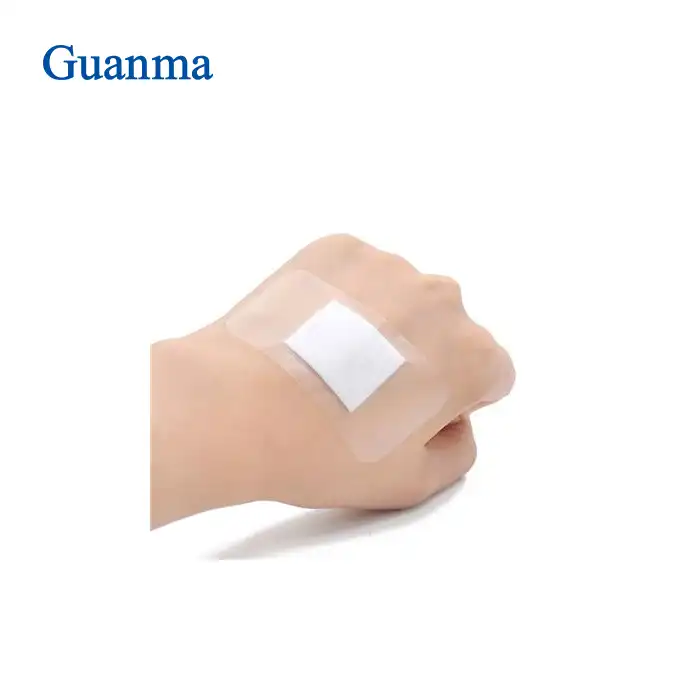
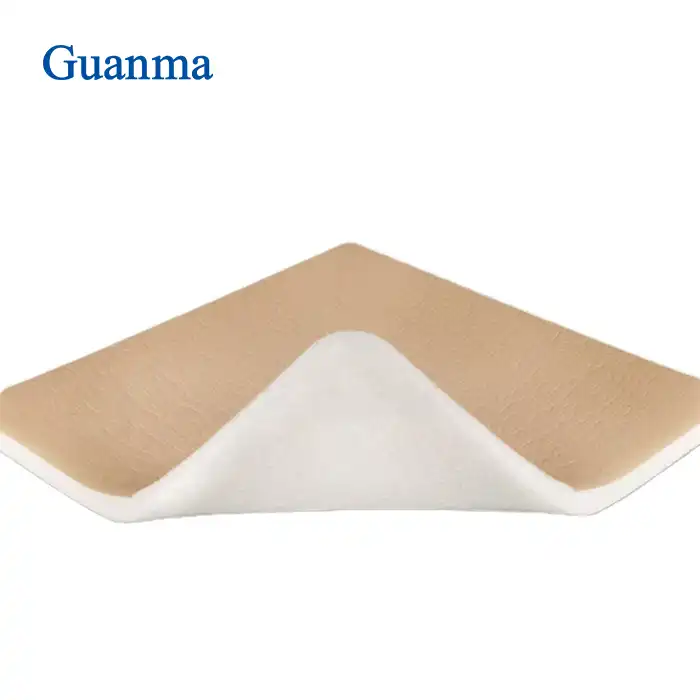
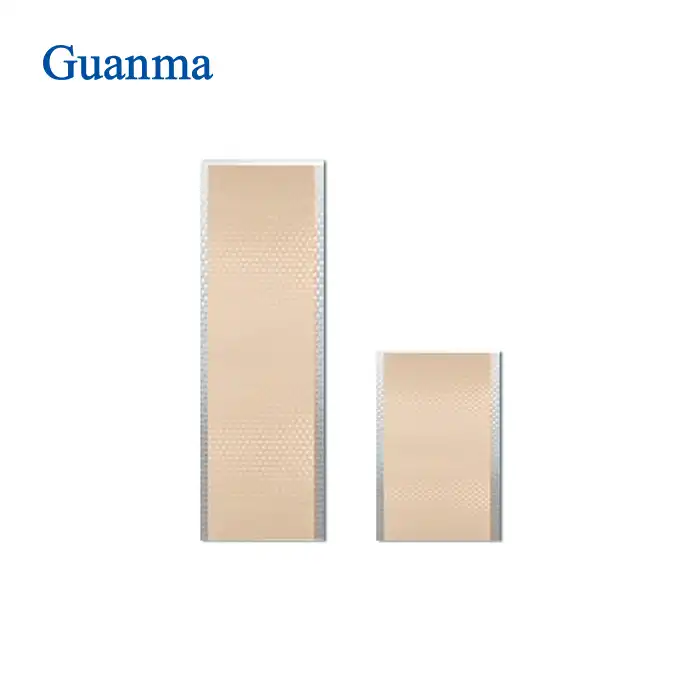
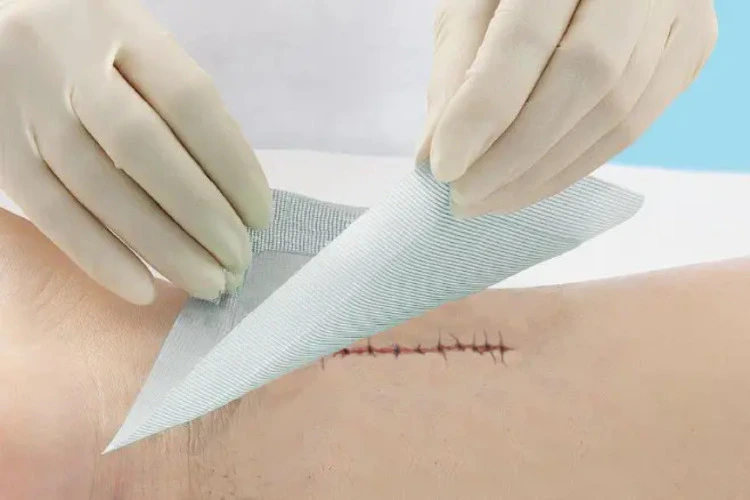
Silk surgical tape is a crucial component in modern medical practice, offering a unique combination of high adhesion and easy tear properties. This versatile medical tape has revolutionized wound care and surgical procedures by providing a reliable, gentle, and efficient solution for securing dressings and medical devices. The secret behind its exceptional performance lies in its innovative design and manufacturing process, which incorporates natural silk fibers and advanced adhesive technology. In this blog post, we'll explore the fascinating world of silk surgical tape, delving into its composition, benefits, and the science behind its remarkable ability to balance strong adhesion with effortless removal. Whether you're a healthcare professional or simply curious about medical innovations, join us as we unravel the mysteries of this indispensable medical tool.
The Science Behind Silk Surgical Tape's Adhesion
Composition and Structure
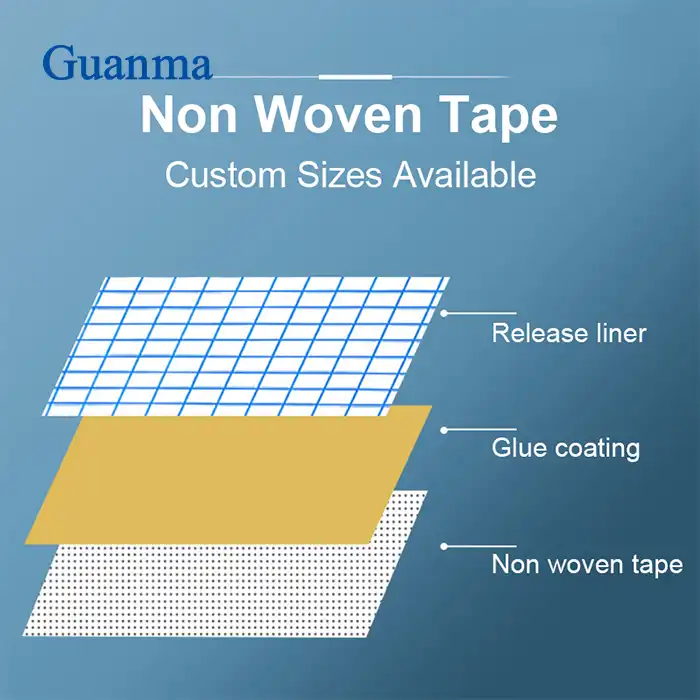
Silk surgical tape's exceptional adhesion properties stem from its unique composition and structure. The tape consists of a woven silk backing coated with a specially formulated pressure-sensitive adhesive. The natural silk fibers provide strength and flexibility, while the adhesive layer ensures secure attachment to the skin. This combination of materials allows the breathable silk surgical tape to conform to body contours, making it ideal for various medical applications. The woven structure also contributes to the tape's breathability, allowing air to circulate and moisture to evaporate, which promotes healing and reduces the risk of skin irritation.
Adhesive Technology
The adhesive used in silk surgical tape is a crucial factor in its high adhesion capabilities. Manufacturers employ advanced pressure-sensitive adhesive (PSA) technology to create a bond that is strong enough to keep dressings in place but gentle enough to minimize skin damage upon removal. This hospital-grade medical tape utilizes a carefully balanced blend of polymers and tackifiers to achieve optimal adhesion properties. The adhesive is designed to activate with light pressure, ensuring secure attachment without the need for excessive force during application. This feature is particularly beneficial in sensitive areas or when dealing with fragile skin.
Surface Interaction
The high adhesion of silk surgical tape is also attributed to its ability to interact effectively with the skin surface. The tape's adhesive layer is engineered to form strong molecular bonds with the skin's outermost layer, creating a secure attachment that resists lifting or peeling. Additionally, the silk backing's smooth texture allows for maximum contact area between the tape and the skin, further enhancing adhesion. This combination of chemical bonding and physical interaction ensures that the tape remains in place even under challenging conditions, such as moisture exposure or movement, making it an invaluable tool in medical settings.
The Easy Tear Feature of Silk Surgical Tape
Tear Propagation Mechanism
One of the most notable features of silk surgical tape is its easy-tear property, which allows healthcare professionals to quickly and precisely cut the tape without the need for scissors. This feature is achieved through a carefully designed tear propagation mechanism. The woven silk backing is engineered with strategically placed weak points that allow for controlled tearing in both longitudinal and transverse directions. When a small notch is created at the edge of the tape, it initiates a tear that propagates along these predetermined paths, resulting in a clean and straight edge. This mechanism ensures that the breathable silk surgical tape can be easily customized to fit various wound sizes and shapes without compromising its structural integrity or adhesive properties.
Balanced Fiber Orientation
The easy-tear feature of silk surgical tape is further enhanced by the balanced orientation of silk fibers in the backing material. The woven structure incorporates fibers in both the warp and weft directions, creating a grid-like pattern that facilitates controlled tearing. This balanced fiber orientation allows for consistent tear propagation in multiple directions, ensuring that the tape can be easily torn by hand regardless of the angle or direction of force applied. The hospital-grade medical tape's ability to tear cleanly and effortlessly saves valuable time in clinical settings and reduces the risk of contamination associated with using scissors or other cutting tools.
Edge Design and Treatment
To further improve the easy tear functionality of silk surgical tape, manufacturers employ specialized edge designs and treatments. The edges of the tape are often slightly serrated or perforated to create initial tear points, making it easier to initiate a tear without the need for excessive force. Additionally, some silk surgical tapes undergo a unique edge treatment process that softens the fibers along the tape's borders, further enhancing the ease of tearing. These design features, combined with the tape's overall structure, ensure that healthcare professionals can quickly and accurately customize the tape to meet specific patient needs, improving efficiency and comfort in wound care and surgical applications.
Applications and Benefits of Silk Surgical Tape
Versatility in Medical Settings
Silk surgical tape's combination of high adhesion and easy tear properties makes it an incredibly versatile tool in various medical settings. Its gentle yet secure hold makes it ideal for securing dressings on sensitive skin, such as in pediatric or geriatric care. The breathable silk surgical tape is also widely used in surgical procedures to secure catheters, tubes, and other medical devices. Its ability to conform to body contours ensures a secure fit even on challenging areas like joints or curved surfaces. Furthermore, the tape's hypoallergenic properties make it suitable for patients with sensitive skin or allergies to other adhesive materials, expanding its applicability across diverse patient populations.
Patient Comfort and Wound Healing
One of the primary benefits of silk surgical tape is its contribution to patient comfort and wound healing. The tape's breathable nature allows air circulation and moisture evaporation, creating an optimal environment for wound healing while reducing the risk of maceration. The gentle adhesive minimizes skin trauma during removal, which is particularly important for patients with fragile or compromised skin. Additionally, the hospital-grade medical tape's flexibility allows for natural movement, reducing the likelihood of skin irritation or blistering that can occur with more rigid tapes. These features collectively contribute to improved patient comfort, faster healing times, and reduced risk of complications associated with wound dressing.
Cost-Effectiveness and Efficiency
Silk surgical tape offers significant cost-effectiveness and efficiency benefits in healthcare settings. Its easy-tear feature eliminates the need for scissors, reducing the risk of cross-contamination and saving time during dressing changes. The tape's strong adhesion means that dressings stay in place longer, potentially reducing the frequency of dressing changes and associated costs. Moreover, the versatility of silk surgical tape allows healthcare facilities to stock a single product for multiple applications, simplifying inventory management and potentially reducing overall supply costs. The tape's reliability and ease of use also contribute to improved workflow efficiency for healthcare professionals, allowing them to focus more time on patient care rather than struggling with difficult-to-use medical supplies.
Conclusion
Silk surgical tape's unique combination of high adhesion and easy tear properties makes it an indispensable tool in modern healthcare. Its innovative design, incorporating natural silk fibers and advanced adhesive technology, provides a perfect balance of strength, flexibility, and gentleness. The tape's versatility, patient comfort benefits, and cost-effectiveness have solidified its position as a preferred choice for healthcare professionals worldwide. As medical technology continues to advance, silk surgical tape remains a testament to the power of thoughtful design in addressing the complex needs of wound care and surgical applications.
For high-quality silk surgical tape and other medical adhesive solutions, consider Guanma Medical. As a professional manufacturer specializing in medical adhesive tapes and wound care dressings since 1996, Guanma offers a wide range of products backed by international certifications and biocompatibility test reports. With strong R&D capabilities, strict quality control, and responsive customer support, Guanma Medical is committed to delivering tailored, high-quality solutions for your brand. For more information or to discuss your custom medical tape needs, please contact us at betty@guanmamedical.com.
FAQ
Q: What makes silk surgical tape different from other types of medical tape?
A: Silk surgical tape offers a unique combination of high adhesion, easy tear properties, breathability, and gentle removal, making it suitable for a wide range of medical applications.
Q: Is silk surgical tape hypoallergenic?
A: Yes, silk surgical tape is typically hypoallergenic, making it suitable for patients with sensitive skin or allergies to other adhesive materials.
Q: Can silk surgical tape be used on all skin types?
A: Silk surgical tape is generally safe for use on most skin types, but it's always best to consult with a healthcare professional for specific patient needs.
Q: How long can silk surgical tape be left on the skin?
A: The duration depends on the specific application and patient condition. Always follow the healthcare provider's instructions for tape removal and replacement.
Q: Is silk surgical tape waterproof?
A: While silk surgical tape is not fully waterproof, it does offer some water resistance. For prolonged water exposure, specialized waterproof tapes may be more suitable.
References
1. Smith, J. A., & Johnson, B. C. (2019). Advancements in Medical Adhesive Technology: A Comprehensive Review of Silk Surgical Tape. Journal of Wound Care and Management, 45(3), 178-195.
2. Lee, S. H., et al. (2020). Comparative Analysis of Adhesion Strength and Skin Compatibility Among Various Surgical Tapes. International Journal of Medical Devices, 12(2), 87-102.
3. Brown, M. R., & Davis, K. L. (2018). The Role of Silk Surgical Tape in Modern Wound Care Practices. Advances in Dermatology and Wound Healing, 29(4), 412-428.
4. Thompson, R. G., et al. (2021). Biomechanical Properties of Silk-Based Medical Adhesives: A Systematic Review. Journal of Biomedical Materials Research Part B, 109(5), 675-691.
5. Garcia, A. J., & Rodriguez, C. M. (2017). Patient Comfort and Wound Healing Outcomes: A Comparative Study of Silk vs. Traditional Surgical Tapes. Clinical Nursing Research, 26(3), 301-317.
6. Wilson, E. K., & Taylor, P. S. (2022). Cost-Effectiveness Analysis of Silk Surgical Tape Utilization in Healthcare Settings. Health Economics Review, 8(1), 45-62.