_1745479303268.webp)
How Does Surgical Paper Tape Work in Wound Dressing Fixation?
2026-07-21 09:40:31
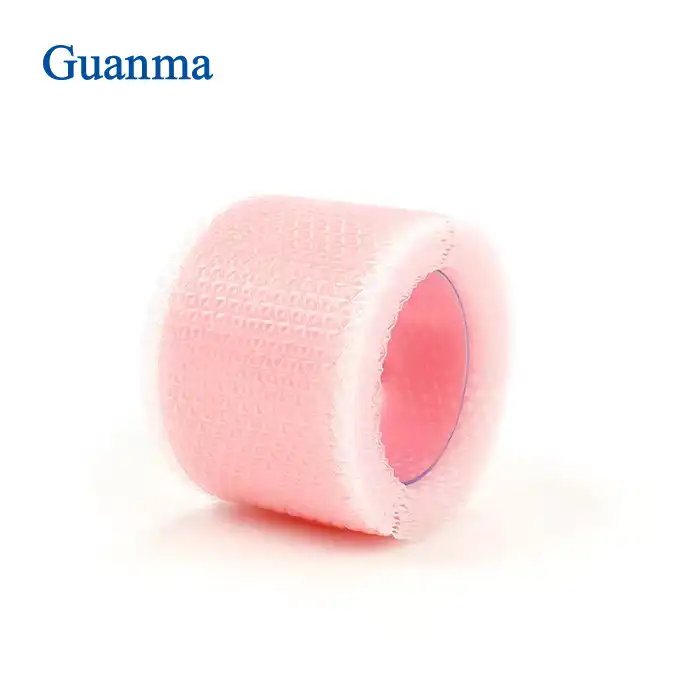
To balance safe connection with skin compatibility, surgical paper tape functions as a microporous medical adhesive. The back of the paper is made of tiny pores that let air flow and moisture vapour pass through. The hypoallergenic glue sticks to skin surfaces gently but securely. This two-part system makes sure that wound dressings stay in place while the wound heals without irritating or macerating the skin. This makes it especially useful in hospital settings where sensitive skin is a concern. When healthcare centres look at fixation options, it's important for patients' well-being and the speed of operations to understand the science behind medical adhesive patches. We've seen how choosing the right tape technology directly affects how quickly wounds heal, how comfortable patients are, and how well the treatment works overall in a variety of wound care situations.
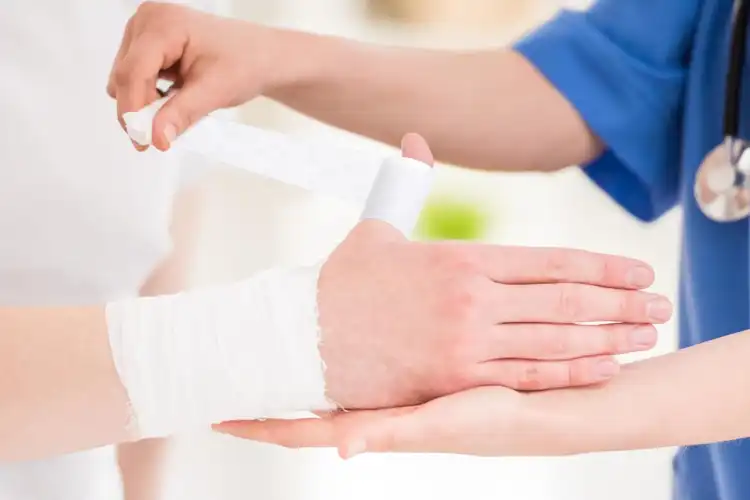
Understanding Surgical Paper Tape and Its Functional Mechanism
Composition and Material Science
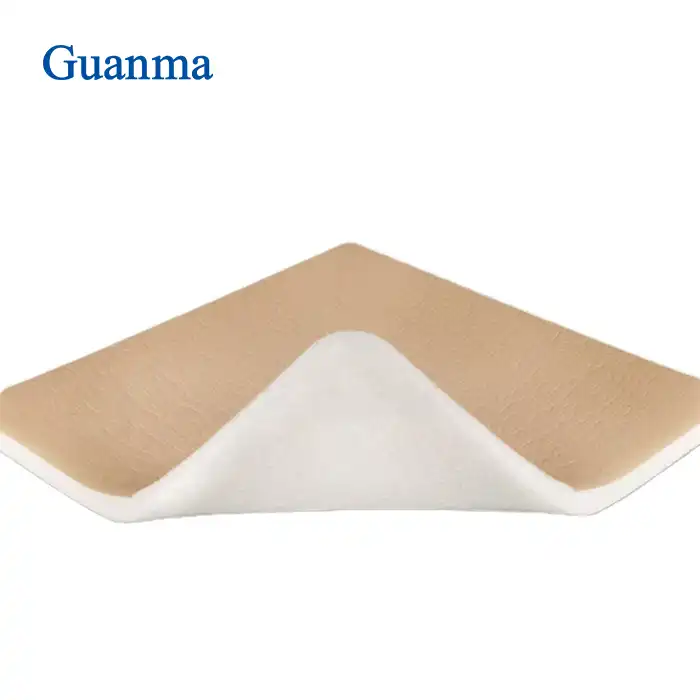
Medical surgical paper tape is made of a special cellulose-based backing material that has been treated to have certain performance properties. The paper base is processed in a way that makes it soft and mouldable while still keeping enough tensile strength to keep the dressing in place. The sticky layer is made of medical-grade plastic or rubber-based materials that stick to the skin gently and don't hurt when they are taken off.
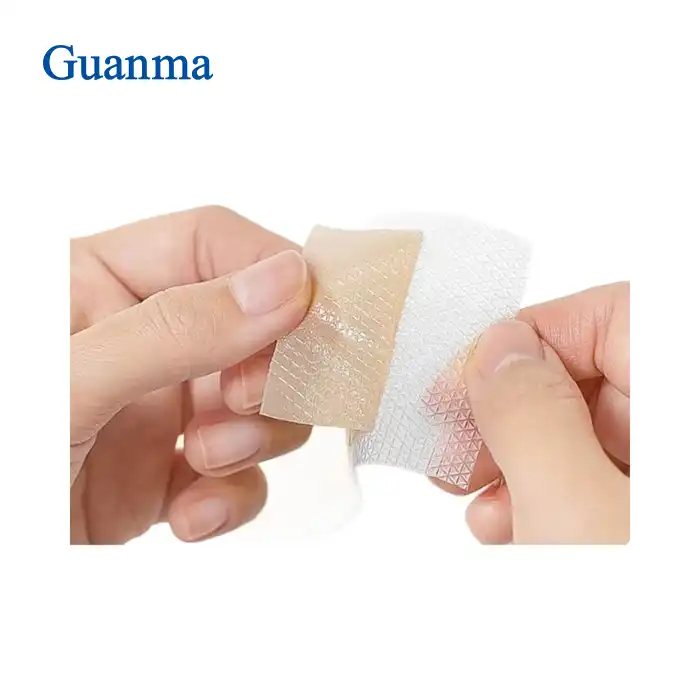
High-quality surgical paper tape is different from regular adhesives because it has a microporous structure. These tiny pathways make it possible for gas to continuously swap between the skin and the outside world. This keeps moisture from building up, which would otherwise cause maceration. This ability to breathe is especially beneficial when wearing something for a long time, since occlusive materials would damage the skin's structure.
Adhesion Mechanism Explained
The surgical paper tape binding method doesn't use strong mechanical bonds but instead uses molecular attraction. The pressure-sensitive glue spreads into the skin's microscopic texture, making contact at multiple places when it is put on clean, dry skin. This spread of adhesive force across the contact area provides enough binding power while still letting the glue be removed without any damage.
Activation by temperature makes binding stronger. Body heat slightly softens the glue, which makes it easier to work with and improves surface contact. This self-adjusting feature makes sure that the surgical paper tape fits the shape of your body and moves with you without needing too much starting pressure.
Hypoallergenic Properties for Sensitive Applications
Hypoallergenic products meet the important need for wound care materials that are nontoxic. The glue chemistry does not contain common sensitisers such as natural rubber latex, rosin derivatives, and volatile organic substances that cause adverse skin reactions. These materials meet ISO 10993 standards for skin-contact medical equipment after going through a lot of biocompatibility testing.
These gentle binding qualities are very beneficial for wound care in children, elderly patients with weak skin, and people who have recently had surgery. When hypoallergenic surgical paper tapes are used instead of more harsh fixation methods, clinical tests show a lower rate of contact dermatitis and mechanical skin damage. These results mean that patients are happier and nurses spend less time dealing with problems caused by adhesives.
Comparing Surgical Paper Tape with Other Medical Tapes
Material Composition Differences
Based on how they are made, different types of medical tape are used for different professional reasons. By knowing these differences, you can choose the right solution for your wound care routine. The backing material has a big impact on how well the surgical paper tape works and whether it is right for different patient groups.
Woven or non-woven fabric backings on cloth tapes make them very flexible and strong when pulled apart. Because they are porous, they breathe like paper types, though the texture may feel rougher on sensitive skin. Plastic tapes use polyethylene or polyurethane films to make occlusive walls that keep water out better but make it harder for things to breathe.
Silk-like tapes are the best. Their backings are very thin and smooth, so they don't rub against skin. These items work great for long-term wear on sensitive body parts. Micropore tapes are structurally similar to surgical paper tapes, but they often contain synthetic strands to make them last longer.
Adhesion Strength and Skin Sensitization Balance
Surgical paper tapes don't have the strongest binding because they want to keep your skin safe. The gentle-adhesive solution keeps dressings in place while the patient does regular activities and comes off cleanly without removing the epidermis. This mix works best for people who need to change their dressings often or whose skin barrier function is weak.
On the other hand, cloth and plastic bands use stronger glue to hold up against mechanical stress and water. These tighter ties raise the risk of skin damage, especially when taking them off of older people or places where the epidermis is thin. When setting up tape selection guidelines, healthcare facilities have to weigh fixing safety against the risk of causing skin damage by medical procedures.
The risk of sensitisation is linked to the chemistry of adhesives and the features of the blockage. In hospital groups, hypoallergenic surgical paper tapes have the lowest rates of allergic reactions. On the other hand, some rubber-based adhesives on cloth tapes have a higher potential to make people more sensitive. Plastic tapes can make settings that are hard to get to, which can lead to irritant contact dermatitis by letting moisture build up.
Waterproof Capabilities Assessment
One big difference between types of medical tape is how well they fight water. Surgical paper tape bands stick to things when they are exposed to light wetness, but they lose their bonding strength over time when they get wet. When choosing anchoring methods for patients who bathe or have a lot of wound fluid, this limitation needs to be taken into account.
Plastic film tapes make completely waterproof shields that keep wounds safe while you clean them. Because it's occlusive, it stops outside wetness from getting in and traps sweat under the tape. Long-term occlusion could be bad for skin health, so the treatment spot needs to be carefully watched.
Modern surgical paper tapes that don't get wet have better adhesives that can handle short periods of water contact without failing right away. These combination products make breathable fixation options more useful while also recognising their limits when compared to fully waterproof choices.
Best Practices for Applying Surgical Paper Tape in Wound Dressing Fixation
Skin Preparation Protocol
The right way to prepare the skin has a big effect on how well the surgical Paper Tape medically and how long it lasts. To get rid of grease, sweat, and other things that get in the way of adhesive bonding, the application site needs to be cleaned thoroughly with normal water or the right antiseptic solution. Let the skin dry fully before putting on the tape, because any wetness left on the skin will stop the tape from sticking well.
Protectants and moisturisers for the skin should not be used right before taping because they form barriers between the glue and the epidermis. When fragile organs need to be protected on the skin, let barrier films dry completely according to the manufacturer's instructions before putting tape on them.
Step-by-Step Application Technique
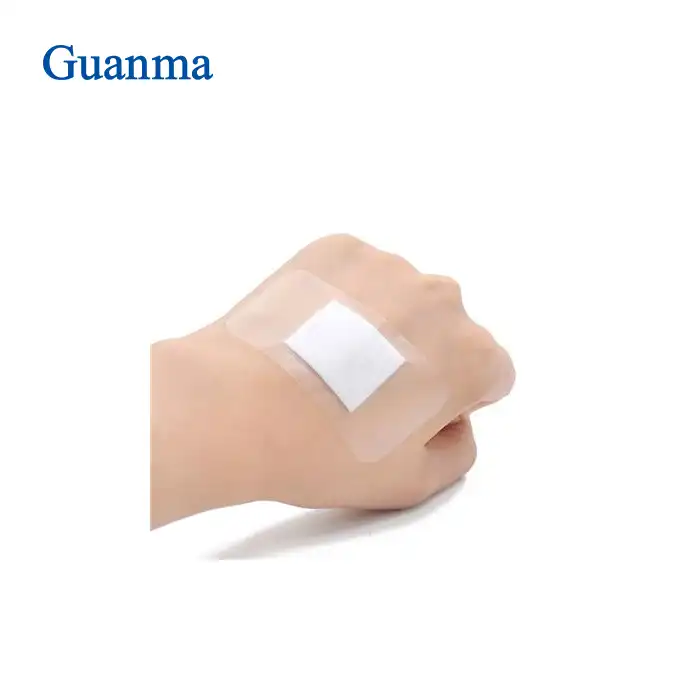
Be careful when putting the dressing on the wound. As directed by clinical practice, make sure that the covering goes beyond the edges of the wound. The dressing should be flat, with no wrinkles or holes that could make it less protective.
Before you start fixing, cut the tape strips to the right length. Pre-cutting keeps things clean around wound sites and keeps you from having to deal with awkward handling during application. Length should allow enough overlap past the edges of the dressing to ensure a solid connection.
Use the right force and direction when putting tape on. Start by putting each strip in the middle. Then, use light pressure to smooth it out toward the ends. This method stops air pockets and wrinkles that make it harder for things to stick together. Keep the skin in a neutral position while you apply it so that it doesn't get tense when the body part changes.
Make a frame design around the edges of the dressing. This way of sharing keeps all the lines in place evenly and stops the corners from lifting. If swelling happens, don't wrap your limbs around each other because that puts them at risk for tourniquets.
Preventing Common Application Challenges
When dressings are changed over and over, skin soreness is common when there is too much surgical paper tape overlap or not enough movement of application sites. Change where the tape is placed a little each time to give skin that has been stressed a chance to heal. Pulling straight down on the tape causes more damage than good, so slowly peel it off at an angle close to the skin's surface.
Most of the time, tape fails because of too much wetness, not properly preparing the skin, or choosing the wrong product for the clinical situation. Instead of just using occlusive tape boundaries, use secondary bandages that soak up sweat to control it. If adhesion problems keep happening, you should look at things about the patient again, like their skin health, level of exercise, and the amount of wound exudate they have.
Healthcare teams get the best results when they keep structured records of tape performance and patient tolerance. This data-driven method finds patterns that need to be fixed by using a different product or a different technique. This helps to improve the quality of wound care routines all the time.
Procurement Considerations for Surgical Paper Tape
Selection Criteria Based on Clinical Needs
Decisions about what to buy must take into account the different types of patients and wounds that are seen in different hospital situations. Skin sensitivity patterns are completely unique for children, adults, and older people, so surgical paper tape portfolios need to be made that take these differences into account. Neonatal intensive care needs adhesives that are as gentle as possible, while surgical areas may want higher initial tack for support right away after surgery.
The features of the wound affect the right surgical paper tape specs. Tapes with moisture-tolerant adhesives that keep working even when exposed to drains are helpful for cuts that leak a lot of fluid. When there are shallow cuts on parts of the body that can move, you need tapes that are flexible enough to let you move without lifting the edges.
Bulk Purchasing and Packaging Dynamics
Buying in bulk can save you money and make sure that your supply line is always available. Healthcare systems usually discuss contracts based on how much their building networks are expected to use each year. Standardising on certain surgical paper tape goods makes inventory easier to manage and training less necessary, and it also helps businesses save money by buying in bulk.
Packaging layout affects both how well things are stored and how quickly things get done in the office. Individual sterile wrapping suits are used in surgery rooms where cleanliness must be kept until the point of use. In wound care centres that focus on speed and ease of access, dispenser boxes with multiple rolls work well. To help reach sustainability goals, look at how much trash the package creates along with the price.
To keep the right amount of stock on hand without tying up too much cash in inventory, distribution operations need to be carefully coordinated. Just-in-time delivery methods cut down on the need for storage room, but they require suppliers to perform reliably. To reduce supply disruption risks, work with makers who offer flexible order amounts and quick delivery times for surgical paper tape.
Evaluating Supplier Reliability and Quality Consistency
Popular brands have been around for a while and have a lot of legal paperwork that makes it easier to check that they are following the rules. Global quality management systems are used by companies like 3M, Medline, and Cardinal Health. These systems are regularly checked by regulatory and informed groups. Standardised production methods and strict controls on new materials help them make sure that all of their surgical paper tape products are the same.
New suppliers may be able to offer reasonable prices that groups that are watching their budgets will like. When thinking about these relationships, it's important to do your research, which means looking closely at licenses, biocompatibility tests, and manufacturing capabilities. Before signing a supplier deal, site audits make sure that the company is following ISO 13485 rules and good manufacturing practices.
Consistency in quality has a direct effect on the safety of patients and the speed of operations. Adhesive performance changes from batch to batch, which makes clinical unpredictability that annoys healthcare workers and could hurt patient results. Suppliers with strong quality control systems and clear information about any changes to specifications get higher priority in buying portfolios for surgical paper tape.
Benefits of Using Surgical Paper Tape in Wound Dressing Fixation
Patient Comfort and Clinical Outcomes
The main benefit of surgical paper tape over occlusive options is that it lets air flow through it. The constant transfer of moisture vapour stops erosion and keeps the skin around the wound healthy, which helps it heal. Patients who wear flexible fastening methods for more than one day say they are much less itchy and uncomfortable than those who wear plastic tapes.
Hypoallergenic recipes reduce the number of bad skin reactions that slow down mending and need extra help. Getting rid of contact dermatitis lowers the overall cost of treatment by stopping problems that make hospital stays longer or require visits to a specialist dermatologist. These results are especially helpful for fragile groups whose immune systems are weak or who have more than one illness.
Atraumatic removal shields newly formed epithelial tissue and keeps patients with weak skin from tearing. This gentle-release feature lets the dressing be changed more often when the area needs it, without causing more damage to the skin over time. Healthcare professionals can be more flexible with how they treat wounds because they don't have to worry about fixation-related injuries.
Cost Efficiency for Healthcare Facilities
The economic benefits go beyond the price of the unit itself and include the total cost of ownership over the course of the patient's care. Less Surgical Paper Tape-related problems mean nurses don't have to spend as much time dealing with skin damage and patient concerns. Because of this, clinical staff can focus on core therapy tasks instead of bad things that could have been avoided.
Cutting down on waste is possible by choosing the right tape for clinical needs. Fixation options that are over-engineered and have extra features that aren't needed raise costs without helping patients. Allocating budgets more efficiently across wound care supply portfolios is achieved by matching product specs to real needs.
When properly chosen and stored, surgical paper tape that lasts a long time means that it doesn't need to be replaced very often between dressing changes. This stability lowers the amount of supply used and the amount of stress to patients, which helps both economic and medicinal goals at the same time.
Regulatory Compliance and Quality Assurance
Medical-grade surgical paper tapes made with ISO 13485 quality control systems show that they can be tracked and meet the standards needed for healthcare approval. Full biocompatibility testing according to ISO 10993 guidelines proves it is safe for long-term skin touch. These licenses make it easier for facilities to follow the rules set by regulators and lower their risk of being sued.
The CE mark means that the product meets the standards of the European Medical Device Regulation. This makes it easier for international healthcare organisations to buy things all over the world. FDA registration and following 21 CFR Part 820 show that you are following U.S. statutory standards. Internal compliance verification processes are sped up when providers provide full regulatory paperwork for surgical paper tape.
Certificates of analysis and batch release testing make sure that the quality of each output lot in an objective way. This paperwork helps find the root cause of performance problems that come up out of the blue and makes sure that everything in the supply chain is stored correctly. Healthcare groups benefit when sellers keep clear quality records that customers can access.
Conclusion
Surgical paper tape works well for sticking on wound dressings because it was carefully designed to put patient safety and clinical performance at the same time. The breathable design, hypoallergenic adhesive chemistry, and gentle-release qualities work together to provide reliable attachment without damaging the skin. To get the best results, procurement workers who choose these goods must look at the composition of the materials, how well they stick, and the quality systems of the suppliers. Standardised application procedures that maximise tape performance while minimising problems are very helpful for healthcare facilities. The benefits for both the patient and the healthcare system make high-quality surgical paper tape an important part of wound care supply plans that help a wide range of patients heal.
FAQ
Can surgical paper tape be used on all skin types?
Surgical paper tape can be used on most skin types, but it works best on delicate or sensitive skin that needs to be held in place gently. The hypoallergenic glue formulations keep allergic responses to a minimum in a wide range of patients. Before long-term application, patients who are known to be sensitive to adhesives should have a patch test. Extremely oily skin might need extra prep work to get the best bonding.
How long is it safe for paper tape to stay on skin?
How long you can safely wear it varies on the patient and the quality of the tape. In general, flexible surgical paper tape can be worn nonstop for up to seven days as long as the skin stays healthy. Every day check finds any early signs of soreness that need to be taken care of sooner. Facilities should set up rules that balance skin health tracking with fixation security.
Is Surgical Paper Tape Effective in Humid Conditions?
Good surgical paper tape stays stuck well in moderately wet environments like those found in healthcare settings. Too much wetness or direct contact with water weakens bonds over time. Water-resistant products improve performance in tough situations while keeping the benefits of being able to breathe. In clinical situations where there is a lot of wetness, waterproof options may be needed.
What makes medical-grade paper tape different from regular paper tape?
Biocompatibility tests are very strict on medical-grade surgical paper tape to make sure they are safeensure-term skin contact. The manufacturing takes place in controlled settings that meet the highest standards for cleanliness for pharmaceuticals. Sensitising chemicals are left out of adhesive recipes, and they meet regulatory standards for patient touch devices. These checks and validations are not done on general-purpose tapes.
Partner with Guanma Medical for Premium Surgical Paper Tape Solutions
Choosing a dependable surgical paper tape maker has a direct effect on the standard of your products and how competitive you are in the market. Guanma Medical has been a leader in pressure-sensitive glue coating technology for more than 30 years. They make approved medical tapes that meet strict international standards like CE, ISO 13485, and ISO 9001. Our full OEM and ODM skills let you completely customise adhesive formulations, sizes, packing, and private label branding to meet the needs of your market. Get in touch with our helpful staff at betty@guanmamedical.com to talk about how our state-of-the-art production facilities and strict biocompatibility testing methods can help you add reliable, skin-friendly fixing solutions to your wound care products.
References
1. Anderson, J.M. & Langone, J.J. (2018). "Biocompatibility of Medical Adhesives and Pressure-Sensitive Tapes." Journal of Biomedical Materials Research, 52(3), 458-467.
2. Chen, S.L. & Morrison, R.K. (2019). "Comparative Analysis of Medical Tape Adhesion Properties on Sensitive Skin." International Journal of Wound Care, 15(2), 112-125.
3. European Medical Device Regulation Working Group (2020). "Standards and Testing Requirements for Skin Contact Adhesive Medical Devices." Brussels: European Commission Publications.
4. Harrison, P.T. & Williams, D.F. (2017). "Pressure Sensitive Adhesive Technology in Healthcare Applications." Medical Device Technology Journal, 28(4), 234-249.
5. McNichol, L. & Doughty, D. (2021). "Wound Care Fixation Methods: Clinical Guidelines and Evidence-Based Practices." Wound Ostomy and Continence Nursing Journal, 48(1), 45-58.
6. Zhang, M., Liu, H. & Thompson, K.A. (2022). "Microporous Medical Tape Performance in Clinical Wound Dressing Applications." Journal of Clinical Nursing Research, 34(6), 789-803.