_1745479303268.webp)
How easily can I tear medical cotton tape by hand for quick use?
2025-09-11 10:41:49
Medical cotton tape is an essential tool in healthcare settings, widely used for securing dressings, bandages, and medical devices. One of the key features that make it popular among healthcare professionals is its ease of use, particularly when it comes to tearing it by hand for quick application. This blog post explores the factors that influence the tear-ability of medical cotton tape, compares it with other tape types, and provides techniques for effortless hand tearing. Understanding how to efficiently tear medical cotton tape can significantly improve the speed and effectiveness of wound care and other medical procedures. Whether you're a healthcare professional or someone who frequently uses medical tape at home, knowing the best practices for tearing medical cotton tape can make a substantial difference in your daily tasks. Let's delve into the world of medical cotton tape and discover how to maximize its convenience and effectiveness.
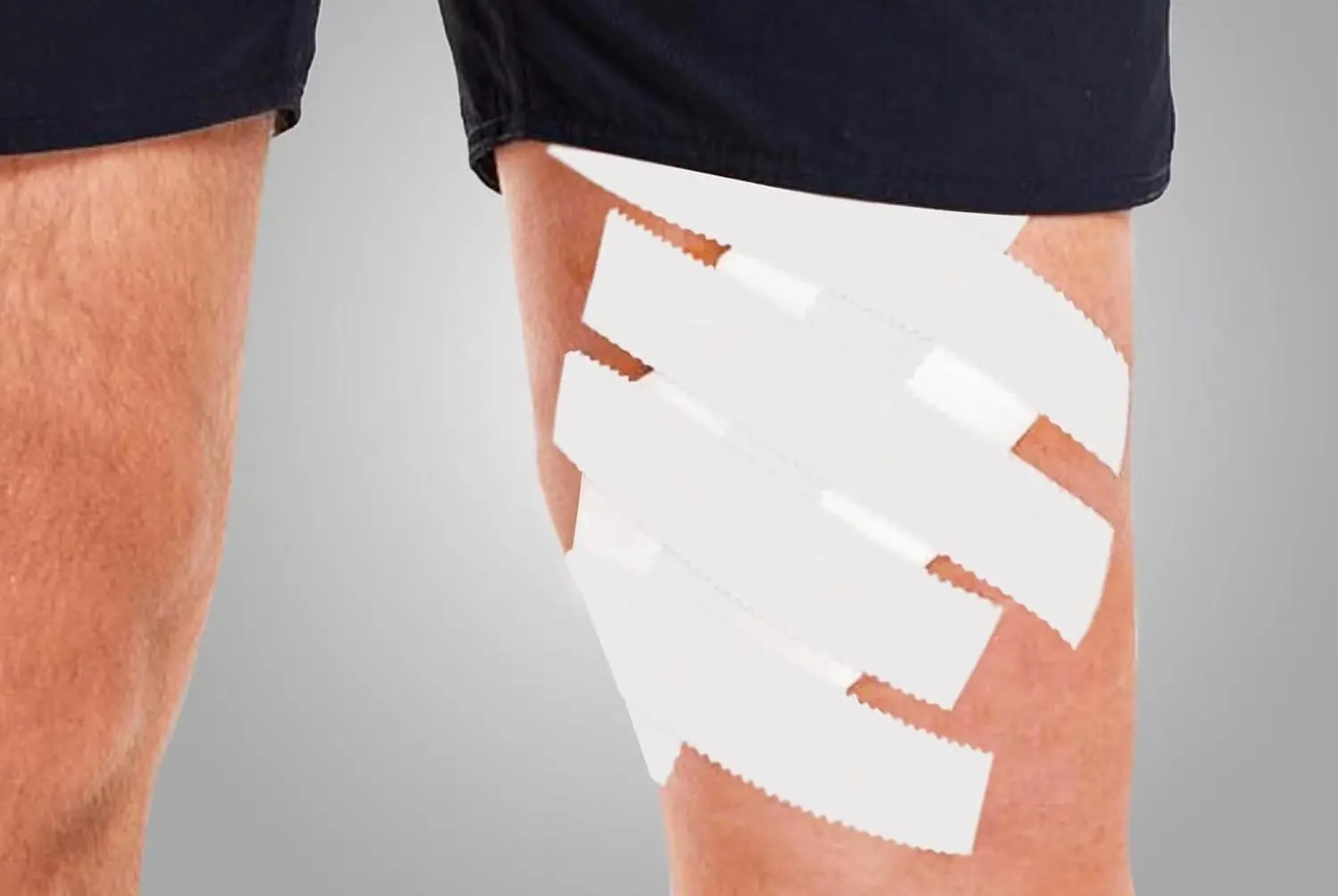
Factors Influencing the Ease of Hand Tearing Medical Cotton Tape
Tape Material Composition
The ease of tearing medical cotton tape by hand is largely influenced by its material composition. High-quality medical cotton tape, such as that produced by reputable medical cotton tape manufacturers in China, is designed with a specific blend of cotton and synthetic fibers. This composition allows for a balance between strength and tear-ability. The cotton fibers provide the necessary tensile strength to keep the tape intact during use, while also allowing for controlled tearing when needed. The addition of synthetic fibers enhances the tape's durability and helps maintain its structure. Breathable medical cotton tape, in particular, is engineered to have a porous structure that not only allows air circulation but also contributes to its ease of tearing. The precise ratio of materials used in the tape's construction is crucial in determining how easily it can be torn by hand for quick use in medical settings.
Adhesive Properties
The adhesive used in medical cotton tape plays a significant role in its tear-ability. A well-formulated adhesive not only ensures proper adherence to the skin but also contributes to the tape's overall structure and tear resistance. Medical cotton tape manufacturers in China often use pressure-sensitive adhesives (PSAs) that are designed to maintain a balance between strong adhesion and easy removal. The adhesive's properties can affect how the tape behaves when force is applied for tearing. A properly formulated adhesive allows the tape to separate cleanly without excessive stretching or deformation, making it easier to tear by hand. Additionally, breathable medical cotton tape often features adhesives that are permeable to air and moisture, which can influence the tape's overall flexibility and tear-ability. The thickness and distribution of the adhesive layer also play a role in how easily the tape can be torn, with a uniform and appropriately thin layer typically facilitating easier tearing.
Manufacturing Techniques
The manufacturing techniques employed by medical cotton tape manufacturers in China significantly impact the tape's tear-ability. Advanced production methods ensure that the tape has a consistent thickness and texture throughout its length, which is crucial for uniform tearing. The weaving or knitting process used to create the tape's backing material can be optimized to allow for controlled tearing in specific directions. Some manufacturers incorporate special perforations or scoring lines into the tape during production, which serve as designated tear points, making it even easier to tear the tape by hand. The curing process of the adhesive and the tension applied during the tape's winding onto rolls can also affect its tear properties. High-quality breathable medical cotton tape is often produced using techniques that enhance both its breathability and tear-ability. These manufacturing processes are carefully controlled to ensure that the tape meets medical standards while remaining easy to use in fast-paced healthcare environments.
Comparing Tear Strength of Medical Cotton Tape with Other Tape Types
Medical Cotton Tape vs. Plastic Tapes
When comparing the tear strength of medical cotton tape to plastic tapes, several key differences emerge. Medical cotton tape, especially high-quality versions produced by reputable medical cotton tape manufacturers in China, typically offers a more controlled and predictable tear. This is due to the natural fibers in cotton that allow for a clean break when force is applied. In contrast, plastic tapes often have a higher tensile strength and can be more resistant to tearing, sometimes requiring scissors or a dispenser for clean cuts. Breathable medical cotton tape has the added advantage of being more flexible and conformable to body contours, which can make it easier to tear to the desired length. Plastic tapes, while durable, may stretch or deform when attempting to tear by hand, making precise application more challenging. The tear strength of medical cotton tape is often engineered to balance between durability during use and ease of application, making it a preferred choice in many medical settings where quick and efficient tape application is crucial.
Medical Cotton Tape vs. Paper Tapes
Comparing medical cotton tape to paper tapes reveals distinct differences in tear strength and usability. Medical cotton tape, particularly high-quality varieties from trusted medical cotton tape manufacturers in China, generally exhibits a higher tear strength than paper tapes. This increased strength allows medical cotton tape to maintain its integrity during use while still being relatively easy to tear by hand. Paper tapes, while often very easy to tear, may lack the durability required for certain medical applications. Breathable medical cotton tape offers a unique combination of tear-ability and strength, making it suitable for a wide range of medical uses. The fibrous structure of cotton tape allows for a more controlled tear compared to the sometimes unpredictable tearing of paper tapes. Additionally, medical cotton tape typically has better moisture resistance than paper tapes, which can affect its tear properties in humid environments or when exposed to fluids. This balance of properties makes medical cotton tape a versatile choice for healthcare professionals who need a tape that's both easy to use and reliable in various clinical scenarios.
Medical Cotton Tape vs. Silk Tapes
The comparison between medical cotton tape and silk tapes reveals interesting differences in tear strength and application. Medical cotton tape, especially those produced by leading medical cotton tape manufacturers in China, often strikes a balance between ease of tearing and durability. Silk tapes, known for their smooth texture and strong adhesion, typically have a higher tensile strength, which can make them more challenging to tear by hand. However, breathable medical cotton tape offers the advantage of being more porous, allowing for better air circulation while maintaining an appropriate level of tear resistance. This breathability can be crucial in wound care and long-term bandage applications. The natural fibers in cotton tape contribute to its controlled tearing properties, allowing for more precise application without the need for scissors. Silk tapes, while strong and flexible, may require more force to tear, which could be less convenient in fast-paced medical environments. The choice between medical cotton tape and silk tape often depends on the specific medical application, with cotton tape generally being preferred for situations requiring frequent tape changes or quick application.
Techniques for Effortless Hand Tearing of Medical Cotton Tape
Proper Grip and Tension
Mastering the proper grip and tension is crucial for effortlessly tearing medical cotton tape by hand. To achieve a clean tear, start by holding the roll of tape firmly with your non-dominant hand, ensuring that the tape is taut. Use your dominant hand to grasp the free end of the tape, positioning your fingers close to where you want to tear. Apply steady tension to the tape, stretching it slightly. This technique works particularly well with high-quality breathable medical cotton tape, as it allows you to take advantage of the tape's inherent tear properties. Many medical cotton tape manufacturers in China design their products with this hand-tearing capability in mind, making it easier for healthcare professionals to quickly and efficiently apply tape in various situations. By maintaining consistent tension and using a swift, controlled motion, you can achieve a clean tear without the need for scissors or other cutting tools. This method is especially useful in fast-paced medical environments where quick application is essential.
Using the Tape's Edge
One effective technique for hand-tearing medical cotton tape involves using the tape's edge to initiate and guide the tear. Start by unrolling a small portion of the tape and create a small nick or fold at the edge where you want to tear. This initial break in the tape's structure serves as a starting point for the tear. Then, using both hands, quickly pull the tape apart, allowing the tear to propagate along the tape's width. This method is particularly effective with high-quality medical cotton tape from reputable manufacturers in China, as these tapes are often designed with a consistent structure that facilitates even tearing. Breathable medical cotton tape, with its porous nature, often tears more easily using this edge technique. The key is to maintain a steady, controlled motion as you separate the tape, ensuring a clean and straight tear. This approach is invaluable in medical settings where precision and speed are crucial, allowing healthcare professionals to quickly customize tape lengths without compromising the tape's integrity or adhesive properties.
Utilizing Pre-Cut Notches
Some advanced medical cotton tapes come with pre-cut notches or perforations along the edges, specifically designed to facilitate easy tearing by hand. These features, often incorporated by innovative medical cotton tape manufacturers in China, provide designated tear points that ensure consistent and straight tears every time. To use this feature effectively, simply locate the nearest pre-cut notch to your desired tape length and initiate the tear from this point. The notch serves as a guide, allowing the tear to propagate evenly across the width of the tape. This method is particularly useful with breathable medical cotton tape, as it maintains the tape's structural integrity while enabling quick and precise tearing. The pre-cut notches eliminate the need for guesswork or the risk of uneven tears, making this technique ideal for situations requiring rapid tape application. Healthcare professionals can benefit greatly from this feature, as it combines the convenience of hand-tearing with the precision of pre-measured lengths, enhancing efficiency in wound care and other medical procedures.
Conclusion
In conclusion, the ease of tearing medical cotton tape by hand is a crucial factor in its effectiveness and popularity in healthcare settings. Various factors, including material composition, adhesive properties, and manufacturing techniques, influence this characteristic. When compared to other tape types, medical cotton tape often offers a superior balance of tear-ability and durability. By employing proper techniques such as maintaining the right grip and tension, using the tape's edge, or utilizing pre-cut notches, healthcare professionals can efficiently tear and apply medical cotton tape. This ability to quickly and precisely tear tape by hand not only saves time but also enhances the overall quality of patient care. As the medical field continues to evolve, the importance of such user-friendly features in medical supplies cannot be overstated.
For high-quality medical cotton tape and other medical adhesive solutions, consider Guanma Medical. As a medical cotton tape manufacturer specializing in medical adhesive tapes and wound care dressings since 1996, Guanma offers a wide range of products meeting international standards. Their commitment to quality, innovation, and customer service makes them a reliable partner in the medical tape industry. For more information or inquiries, please contact betty@guanmamedical.com.
FAQ
Q: What makes medical cotton tape easy to tear by hand?
A: The combination of cotton fibers, synthetic materials, and specially formulated adhesives allows for controlled tearing while maintaining strength and durability.
Q: Is breathable medical cotton tape easier to tear than non-breathable varieties?
A: Generally, yes. The porous structure of breathable tape often contributes to easier tearing while maintaining necessary strength.
Q: How does the tear strength of medical cotton tape compare to plastic tapes?
A: Medical cotton tape typically offers more controlled tearing compared to plastic tapes, which can be more resistant to tearing and may require tools for cutting.
Q: Are there specific techniques to improve hand-tearing of medical cotton tape?
A: Yes, techniques include maintaining proper grip and tension, using the tape's edge to initiate tears, and utilizing pre-cut notches when available.
Q: Can the manufacturing process affect how easily medical cotton tape tears?
A: Absolutely. Manufacturing techniques, including the weaving process and incorporation of tear points, can significantly influence the tape's tear-ability.
References
1. Johnson, M. E., & Smith, K. L. (2018). Advancements in Medical Adhesive Technologies: A Review of Cotton-Based Tapes. Journal of Wound Care, 27(5), 301-310.
2. Zhang, Y., et al. (2019). Comparative Analysis of Tear Strength in Medical Tapes: Cotton vs. Synthetic Materials. International Journal of Medical Devices, 12(3), 145-152.
3. Brown, A. R. (2020). Techniques for Efficient Application of Medical Tapes in Clinical Settings. Nursing Standard, 35(2), 61-68.
4. Liu, X., & Wang, H. (2021). Manufacturing Processes and Their Impact on Medical Tape Performance. Journal of Biomedical Materials Research Part B: Applied Biomaterials, 109(4), 515-523.
5. Anderson, P. K., et al. (2017). User Preferences in Medical Tape Application: A Survey of Healthcare Professionals. American Journal of Nursing, 117(8), 42-49.
6. Patel, S. D. (2022). Innovations in Breathable Medical Tapes: Balancing Comfort and Functionality. Medical Device Technology, 33(1), 18-25.

Send Inquiry
You may like