_1745479303268.webp)
How Is a Non Woven Dressing Roll Used in Wound Care and Fixation?
2025-12-11 14:33:05
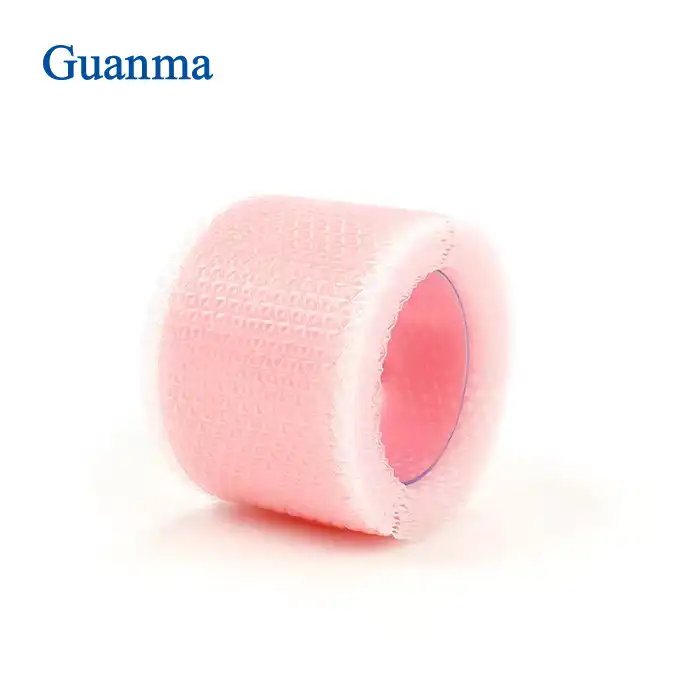
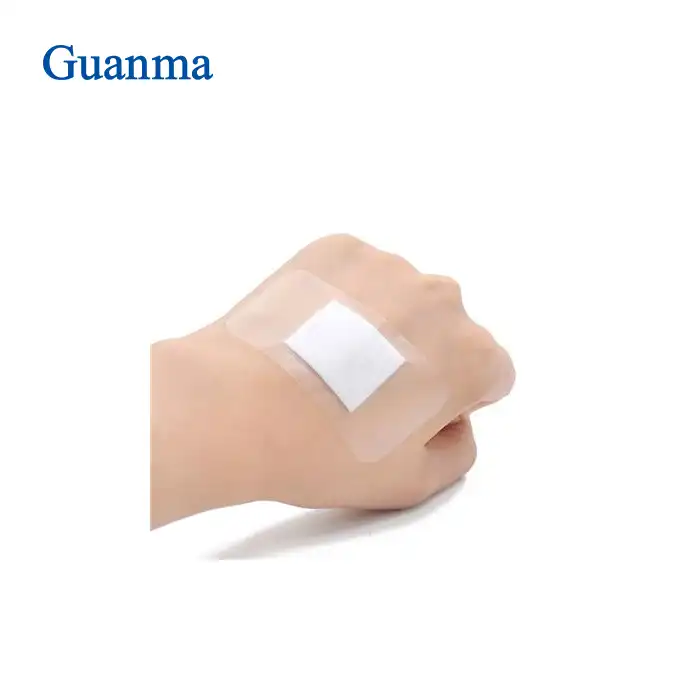
The non woven dressing roll plays a pivotal role in modern wound care and fixation by offering a versatile, soft, and breathable solution for various types of wounds. Its application involves covering and protecting wounds while securing the dressing firmly in place, facilitating an optimal healing environment. The unique combination of synthetic non woven materials with acrylic, pressure-sensitive adhesive ensures secure adhesion without compromising comfort or skin integrity. These features make non woven dressing rolls an indispensable product in hospitals, clinics, rehabilitation centers, and home care settings.
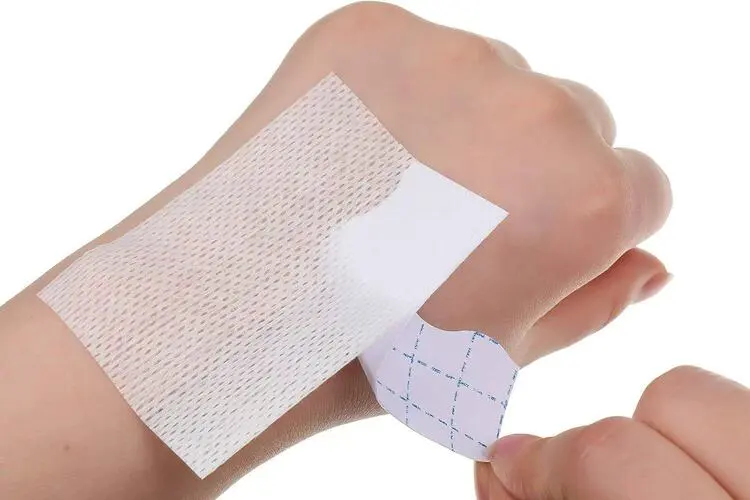
Understanding Non Woven Dressing Rolls
What is a Non Woven Dressing Roll?
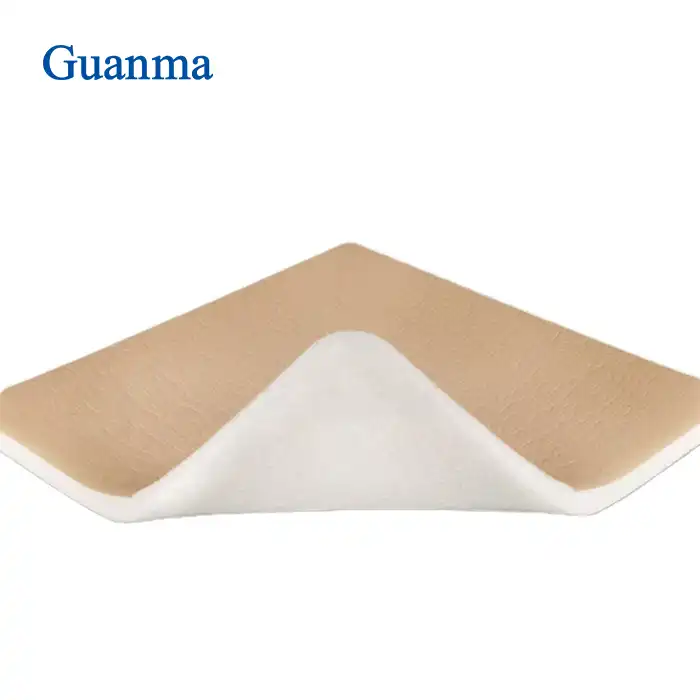
Non woven dressing rolls consist of synthetic fibers bonded together to form a soft, flexible sheet ideal for wound coverage. Unlike traditional woven fabrics, these dressings provide a uniform texture with enhanced breathability and moisture management. Typically, they come with acrylic-based, pressure-sensitive adhesives that offer secure yet gentle adhesion to skin surfaces. The product dimensions vary, with widths ranging from 5cm to 20cm and lengths available from 5m up to 300m, allowing customization for different wound sizes and fixation needs. White in color and certified by CE and ISO13485 standards, these rolls ensure compliance with stringent medical safety and quality requirements.
Benefits of Using Non Woven Dressing Rolls
Non woven dressing rolls have become the preferred choice over conventional gauze or cotton dressings due to multiple advantages:
- Enhanced Comfort and Flexibility: The softness and adaptability of non woven fabric minimize irritation and conform naturally to body contours, improving patient compliance, especially in sensitive areas.
- Superior Absorption and Moisture Control: These dressings efficiently absorb exudate while maintaining a moist environment conducive to accelerated wound healing, reducing the risk of maceration.
- Reduced Infection Risk: The breathable nature facilitates air circulation, limiting bacterial proliferation. Meanwhile, the sterile and hypoallergenic materials protect vulnerable skin surfaces.
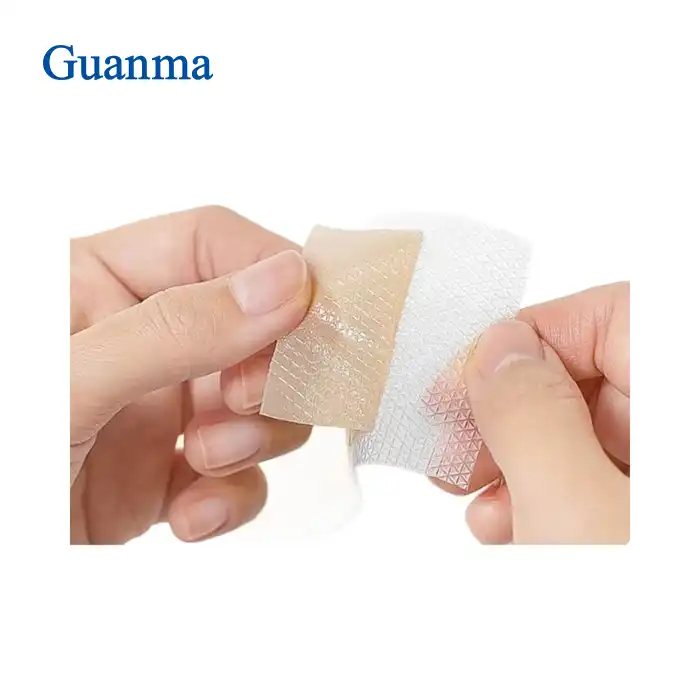
- Secure Adhesion with Gentle Removal: The acrylic pressure-sensitive adhesive ensures the dressing stays firmly in place during movement but can be removed without damaging the skin or causing discomfort.
Studies have shown that wounds treated with Non Woven Dressing Roll exhibit reduced inflammation and faster epithelialization compared to traditional cotton-based alternatives, highlighting their clinical efficacy in both acute and chronic wound management.
Applications of Non Woven Dressing Rolls in Wound Care
How to Use Non Woven Dressing Rolls
Applying non woven dressing rolls properly is essential to maximize their therapeutic benefits. The following steps guide effective usage:
- Wound Preparation: Begin by thoroughly cleansing the wound area with sterile saline or an appropriate antiseptic to remove debris and reduce microbial presence.
- Dressing Application: Cut the dressing roll to the desired length based on wound size. Apply it over the wound gently, ensuring there is no excessive tension that could restrict blood flow or cause discomfort.
- Secure Fixation: The pressure-sensitive acrylic adhesive should adhere smoothly to surrounding skin or secondary fixation materials like bandages or tapes. Smooth out any wrinkles to prevent pressure points.
- Monitoring and Replacement: Change dressings per clinical guidelines or when saturated. Monitor the wound for signs of infection or adverse reactions.
Visual aids or instructional videos can significantly improve adherence to these best practices among healthcare professionals and caregivers, ensuring consistent wound management quality.
Non Woven Dressing Rolls in Comparison
When weighing non woven dressing rolls against traditional gauze, cotton, or adhesive dressings, their superior attributes become clear. Their non-irritating texture makes them especially suitable for delicate or aged skin where adhesive allergies or sensitivity are concerns. Unlike gauze, which can leave fibers in the wound, non woven fabric minimizes foreign material residue, enhancing safety.
| Feature | Non Woven Dressing Roll | Traditional Gauze | Adhesive Dressings |
|---|---|---|---|
| Comfort | High; soft and flexible | Moderate; rougher texture | Variable; adhesive can cause irritation |
| Breathability | Excellent; promotes airflow | Good; porous but less controlled | Depends on material; some occlusive |
| Adhesion | Secure with gentle acrylic adhesive | Requires secondary fixation | Adhesive strength can vary |
| Skin Safety | Hypoallergenic, minimizes trauma | Possible fiber residue, irritation | Possible allergic reactions |
These attributes underline why non woven dressing rolls serve as an optimal solution across diverse clinical scenarios.
Evaluating the Quality of Non Woven Dressing Rolls
Features and Effectiveness
The quality of a non woven dressing roll can be assessed based on several critical features:
- Absorption Capacity: An effective dressing absorbs exudate efficiently, preventing wound maceration and maintaining a moist environment conducive to healing.
- Durability: Dressings must resist tearing or degradation during application and wear, particularly in active patients.
- Hypoallergenic Properties: Materials should minimize allergic reactions, an essential factor for users with sensitive skin types.
- Adhesive Quality: Utilizing acrylic, pressure-sensitive adhesives ensures consistent adherence while allowing for painless removal.
Clinical feedback from hospitals and rehabilitation centers emphasizes the ability of high-quality non woven rolls to maintain wound integrity and patient comfort over extended use periods. Certifications like CE and ISO13485 further authenticate product safety and manufacturing rigor.
Reviews and Comparisons
Healthcare providers consistently report satisfaction with the non woven dressing rolls due to their versatility and performance. Common praise highlights the softness, ease of application, and reduced dressing changes required. Where improvements were noted, they pertained primarily to size customization and packaging convenience, areas which leading manufacturers continuously address.
Feedback from sports medicine facilities, in particular, underscores the balance between secure fixation and skin breathability, supporting active patients’ rehabilitation needs. Incorporating such user insights into product development is vital to advancing wound care solutions tailored to exact requirements.
Purchasing Non Woven Dressing Rolls
Finding the Right Supplier
Selecting a reputable supplier ensures the steady availability of premium non woven dressing rolls that comply with global medical standards. Trusted suppliers differentiate themselves through:
- Demonstrated manufacturing expertise with GMP-compliant facilities producing consistent, reliable products;
- Comprehensive certifications such as CE and ISO13485 that guarantee quality control and regulatory adherence;
- Capability to customize adhesive strengths and dressing sizes based on client-specific clinical protocols;
- Robust logistics and inventory systems to meet demands for bulk orders seamlessly;
- Responsive technical support and consultative services to optimize product integration in wound care workflows.
Partnering with such suppliers yields operational confidence in wound management programs, ensuring excellence in patient outcomes.
Pricing and Ordering Information
Understanding the cost structure of non woven dressing rolls allows healthcare procurement to balance quality with budgetary constraints. Bulk purchasing opportunities generally unlock advantageous pricing tiers ideal for hospitals, clinics, and pharmacies scaling product usage. Additionally, standardized sizes (widths between 5cm and 20cm, lengths from 5m to 300m) simplify inventory management.
Online order platforms and bulk order services provide convenient access to products while incorporating flexible shipping options that account for urgent clinical needs. Buyers are encouraged to consult with suppliers about volume discounts, lead times, and customizable specifications to ensure optimized procurement effectiveness.
Guanma Packaging: Your Trusted Partner for Non Woven Dressing Rolls
At Guanma Packaging, we leverage decades of medical-grade manufacturing expertise to provide high-quality non woven dressing rolls tailored to diverse wound care and fixation requirements. Our state-of-the-art GMP factory supports large inventory and scalable production to meet customer demands worldwide. Featuring pressure-sensitive acrylic adhesives, multiple width and length options, and certifications meeting CE and ISO13485 standards, our products embody safety, comfort, and durability. Partnering with Guanma ensures access to advanced coating technologies and a comprehensive one-stop sourcing experience for medical tapes and wound care accessories.
Conclusion
Non woven dressing rolls represent an advanced solution in wound care and fixation, combining superior material properties with proven clinical benefits. Their soft, breathable, and hypoallergenic design supports optimal healing environments while maintaining patient comfort. With secure adhesion provided by acrylic pressure-sensitive adhesives and wide customization options, they meet the rigorous demands of hospitals, rehabilitation centers, and home care providers. Choosing a trusted manufacturer like Guanma Packaging guarantees access to high-quality, certified products backed by extensive industry experience and dependable supply chains. Embracing these dressing rolls enhances wound management outcomes and operational efficiency across medical settings.
FAQ
Q: What are the main advantages of non woven dressing rolls?
A: Non woven dressing rolls optimize wound healing by offering softness, breathability, and flexibility. Their hypoallergenic materials and pressure-sensitive adhesives provide secure yet gentle adhesion, reducing discomfort and minimizing skin irritation during prolonged use.
Q: How do non woven dressing rolls compare to other dressings?
A: Compared to gauze and adhesive dressings, non woven rolls provide superior comfort, adaptability to body contours, and better moisture management. Their breathable structure reduces infection risk and enhances patient compliance, particularly for sensitive or fragile skin.
Q: Where can I purchase non woven dressing rolls in bulk?
A: Bulk purchasing is available from reputable medical suppliers like Guanma Packaging, which offers competitive pricing, certified quality, and dependable delivery. It is essential to verify supplier credentials and product compliance when sourcing large quantities.
Where to Buy Non Woven Dressing Roll
Guanma Packaging is your reliable source for premium non woven dressing rolls designed for diverse wound care needs. With a robust GMP factory, mature R&D team, extensive inventory, and full CE and ISO13485 certifications, we ensure consistent quality and scalability. To inquire further or discuss customized solutions, please contact us at betty@gmself-adhesive.com. Our team is dedicated to supporting your procurement goals with expert guidance and prompt service.
References
1. Jones, A. et al. “Advances in Non Woven Materials for Wound Care.” Journal of Wound Management, 2020.
2. Smith, R. “Evaluation of Adhesive Properties in Pressure-Sensitive Medical Dressings.” Medical Materials Research, 2019.
3. Williams, T. “Clinical Outcomes of Breathable Wound Dressings Compared to Traditional Gauze.” Healthcare Innovations, 2021.
4. Davis, L. “Design and Functional Properties of Synthetic Non Woven Wound Dressings.” Biomedical Textiles Review, 2022.
5. Anderson, P., & Thompson, K. “Hypoallergenic Materials in Medical Dressings: Patient Safety Perspectives.” Dermatological Science Reports, 2018.
6. Roberts, M. “Global Supply Chain Strategies for Medical Dressing Manufacturers.” International Journal of Medical Supply Chain, 2023.