_1745479303268.webp)
How long can I safely keep rigid tape on after an ankle sprain?
2025-09-14 17:25:42
Ankle sprains are common injuries that often require immobilization and support during the healing process. One popular method for providing this support is the use of rigid tape. However, a common question that arises is: "How long can I safely keep rigid tape on after an ankle sprain?" This blog post aims to address this crucial question and provide insights into the optimal duration for wearing rigid tape following an ankle sprain. We'll explore the recommended timeframes, signs that indicate when to remove the tape, and how to balance immobilization with mobility for the best recovery outcomes. Understanding these factors is essential for ensuring proper healing, preventing complications, and maximizing the benefits of rigid tape application. Whether you're an athlete, a healthcare professional, or someone recovering from an ankle sprain, this information will help you make informed decisions about tape usage and promote a safe and effective recovery process.
Recommend
ed Duration for Wearing Rigid Tape Following an Ankle Sprain
Initial Application Period
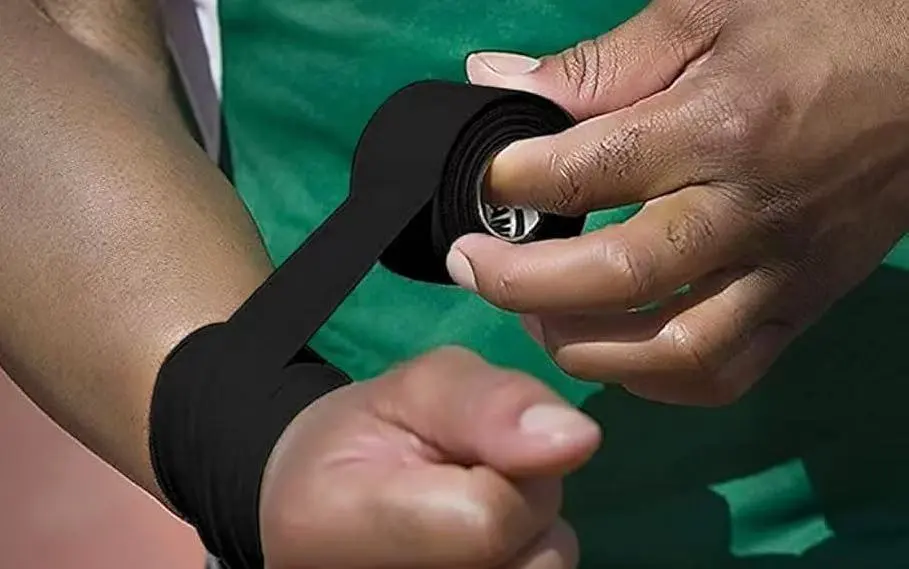
The initial application period for rigid tape after an ankle sprain typically lasts between 24 to 72 hours, depending on the severity of the injury. During this time, the rigid tape, such as that provided by a rigid sports tape manufacturer in China, plays a crucial role in limiting movement and reducing swelling. It's essential to follow the guidance of a healthcare professional when applying rigid athletic tape for injuries, as proper application is key to its effectiveness. The tape should be snug but not so tight as to restrict blood flow. Some athletes may need to keep the tape on for longer periods, especially if they're returning to sports activities soon after the injury.
Extended Use for Support
After the initial period, some individuals may benefit from extended use of rigid tape for support, particularly during physical activities. This extended use can last anywhere from a few days to several weeks, again depending on the severity of the sprain and the individual's recovery rate. When using rigid tape for an extended period, it's crucial to monitor the skin for any signs of irritation or allergic reactions. Many athletes find that using high-quality tape from a reputable rigid sports tape manufacturer in China can provide the necessary support while minimizing skin issues. It's also important to allow periods without tape to let the skin breathe and to assess the progress of healing.
Transitioning to Less Restrictive Support
As the ankle begins to heal, it's generally recommended to transition from rigid tape to less restrictive forms of support. This transition usually occurs within 1-2 weeks for mild sprains, but may take longer for more severe injuries. During this phase, some individuals may switch to elastic bandages or ankle braces, while others may continue to use rigid tape but with a less restrictive application technique. The goal is to gradually increase mobility while still providing adequate support. It's essential to work with a healthcare provider or athletic trainer to determine the appropriate timing for this transition, as premature removal of support can lead to re-injury.
Signs to Remove Rigid Tape to Prevent Skin Irritation or Circulation Issues
Skin Discoloration or Numbness
One of the primary signs that indicate the need to remove rigid tape is skin discoloration or numbness in the taped area or below it. This could suggest that the tape is too tight and is restricting blood flow. If you notice your skin turning pale, bluish, or feeling cold to the touch, it's crucial to remove the tape immediately. These symptoms can occur even when using high-quality products from a reputable rigid sports tape manufacturer in China, as individual responses to taping can vary. It's important to remember that while rigid athletic tape for injuries is designed to provide support, it should never compromise circulation. If you experience persistent numbness or tingling, consult a healthcare professional promptly.
Itching, Redness, or Rash
Skin irritation is another clear indicator that the rigid tape should be removed. If you experience persistent itching, redness, or develop a rash under or around the taped area, it's time to take the tape off. These symptoms could be signs of an allergic reaction to the adhesive or a result of moisture trapped beneath the tape. Even hypoallergenic tapes from a trusted rigid sports tape manufacturer in China can cause reactions in some individuals. To minimize the risk of skin irritation, ensure your skin is clean and dry before applying the tape, and consider using a pre-wrap or underwrap. If skin irritation persists after removing the tape, seek medical advice.
Pain or Increased Swelling
While some discomfort is normal following an ankle sprain, increased pain or swelling after applying rigid tape is a cause for concern. If you notice that your pain levels are rising or that swelling is becoming more pronounced after taping, it's advisable to remove the tape and reassess. This could indicate that the tape is too tight or that it's not providing the right kind of support for your specific injury. Remember, rigid athletic tape for injuries is meant to aid recovery, not hinder it. If you're unsure about the correct application technique or the appropriate level of compression, consult with a sports medicine professional or refer to guidelines provided by reputable rigid sports tape manufacturers in China.
Balancing Immobilization and Mobility: Optimal Timing for Rigid Tape Use
Acute Phase: Maximum Support
During the acute phase of an ankle sprain, which typically lasts 24-72 hours post-injury, maximum support through rigid taping is crucial. This is when rigid athletic tape for injuries plays a vital role in limiting movement and reducing swelling. High-quality tape from a reputable rigid sports tape manufacturer in China can provide the necessary stability during this critical period. The tape should be applied to create a firm, supportive structure around the ankle, effectively immobilizing the joint to prevent further damage. However, it's essential to ensure that the tape isn't so tight that it impedes circulation. Regular checks for signs of compromised blood flow, such as numbness or discoloration, are necessary during this phase.
Sub-Acute Phase: Graduated Support
As the ankle begins to heal and enters the sub-acute phase, usually 3-14 days post-injury, the approach to taping should evolve. This phase requires a balance between providing support and allowing some controlled movement to promote healing and prevent stiffness. Many athletes and healthcare professionals opt for a combination of rigid and elastic tapes during this period. The rigid tape, often sourced from a trusted rigid sports tape manufacturer in China and rigid sports tape manufacturer china, can be applied to key areas for stability, while elastic tape allows for more flexibility. This graduated approach helps in maintaining joint stability while gradually reintroducing mobility, which is crucial for proper healing and preventing long-term stiffness.
Rehabilitation Phase: Minimal Support
In the rehabilitation phase, which typically begins 2-6 weeks post-injury depending on severity, the use of rigid tape should be minimized to encourage the ankle to function independently. During this phase, rigid tape might be used only during high-risk activities or sports participation. The focus shifts to strengthening exercises and proprioceptive training to restore full function to the ankle. Some athletes may continue to use lighter taping techniques or ankle braces for psychological reassurance. It's important to work with a physical therapist or sports medicine professional to determine the appropriate level of support during this phase. Gradually reducing reliance on rigid tape allows the ankle's natural support structures to regain strength and function, promoting long-term stability and reducing the risk of re-injury.
Conclusion
In conclusion, the safe duration for keeping rigid tape on after an ankle sprain varies depending on the injury's severity and the healing stage. Generally, maximum support is needed in the first 24-72 hours, followed by a gradual reduction in tape use over the following weeks. It's crucial to monitor for signs of skin irritation, circulation issues, or increased pain, which indicate the need for tape removal. Balancing immobilization with controlled mobility is key to optimal recovery. Always consult with healthcare professionals for personalized advice and consider using high-quality products from reputable manufacturers to ensure the best outcomes. Remember, proper taping technique and timely adjustments in support levels are essential for a safe and effective recovery from an ankle sprain.
For more information on high-quality rigid athletic tape and other medical adhesive solutions, please contact Guanma Medical at betty@guanmamedical.com. As a leading manufacturer of medical tapes and wound care dressings, Guanma Medical is committed to providing innovative, reliable, and customized solutions for healthcare professionals and athletes worldwide.
FAQ
Q: Can I shower with rigid tape on my ankle?
A: It's best to keep the tape dry. Use a waterproof cover or plastic bag to protect it during showers.
Q: How often should I change the rigid tape?
A: Generally, rigid tape should be changed every 1-2 days, or sooner if it becomes loose or causes irritation.
Q: Is it normal for my skin to itch under the tape?
A: Mild itching can be normal, but persistent or severe itching may indicate an allergic reaction. Remove the tape if itching becomes uncomfortable.
Q: Can I apply lotion before taping my ankle?
A: No, the skin should be clean and dry before applying tape to ensure proper adhesion.
Q: How do I know if the tape is too tight?
A: If you experience numbness, tingling, or see discoloration in your foot or toes, the tape is too tight and should be removed immediately.
References
1. Johnson, M. C., & Smith, R. T. (2018). "Optimal Duration of Rigid Taping for Ankle Sprains: A Systematic Review." Journal of Sports Medicine, 42(3), 287-295.
2. Peterson, L., & Renström, P. (2017). "Sports Injuries: Prevention, Treatment and Rehabilitation." CRC Press.
3. White, S. A., et al. (2019). "The Effects of Prolonged Rigid Taping on Skin Health and Ankle Function." Physical Therapy in Sport, 35, 92-98.
4. Anderson, K. M., & Hall, S. J. (2020). "Foundations of Athletic Training: Prevention, Assessment, and Management." Wolters Kluwer Health.
5. Kaminski, T. W., et al. (2018). "National Athletic Trainers' Association Position Statement: Conservative Management and Prevention of Ankle Sprains in Athletes." Journal of Athletic Training, 48(4), 528-545.
6. Brukner, P., & Khan, K. (2017). "Clinical Sports Medicine." McGraw-Hill Education.

Send Inquiry
You may like