_1745479303268.webp)
How Long Does Silk Surgical Tape Maintain Strong Adhesion?
2026-01-20 09:20:11
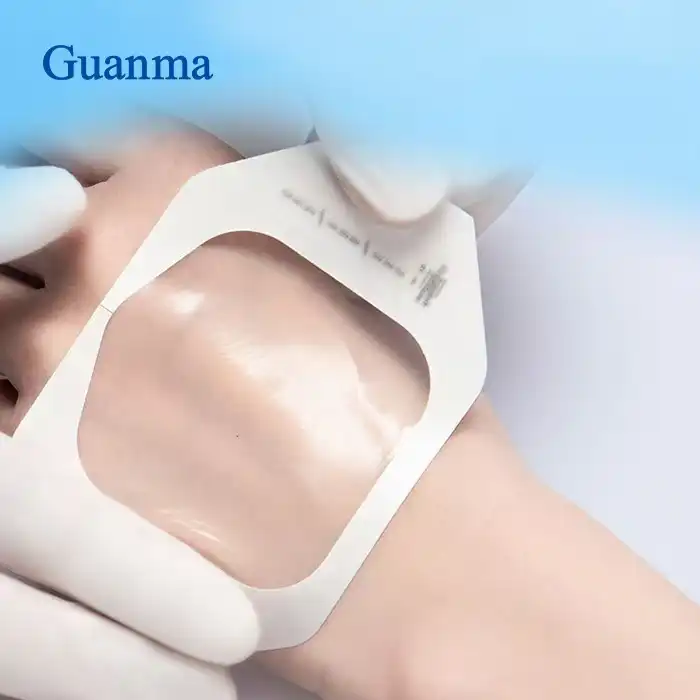
Silk surgical tape typically maintains strong adhesion for 3 to 7 days under normal conditions, making it an excellent choice for medical applications requiring reliable yet gentle fixation. The natural properties of silk fibers provide consistent adhesive performance while remaining breathable and skin-friendly, which explains why healthcare professionals increasingly prefer this specialized medical tape over traditional alternatives for sensitive patient care scenarios.

Understanding Silk Surgical Tape and Its Adhesion Properties
Medical professionals and procurement managers worldwide recognize silk surgical tape as a premium adhesive solution engineered specifically for clinical environments. This specialized medical tape combines the natural benefits of silk fibers with advanced adhesive technology to deliver superior performance in demanding healthcare settings.
Composition and Material Characteristics
Silk surgical tape features a unique construction that sets it apart from conventional medical tapes. The base material consists of carefully processed silk fibers woven into a flexible substrate that maintains structural integrity while conforming to body contours. This natural fiber composition contributes significantly to the tape's breathability, allowing proper air circulation around wound sites and reducing moisture buildup that could compromise healing.
The adhesive layer utilizes pressure-sensitive adhesive (PSA) technology specifically formulated for medical applications. This adhesive system creates reliable bonds with skin surfaces while minimizing trauma during removal. Unlike synthetic alternatives, silk fibers possess inherent hypoallergenic properties that reduce the risk of adverse skin reactions, making them suitable for patients with sensitive skin or known allergies to synthetic materials.
Factors Influencing Adhesion Performance
Several environmental and physiological factors directly impact how long silk surgical tape maintains its adhesive strength. Skin condition plays a crucial role, with clean, dry skin providing optimal adhesion surfaces. Oily or moisturized skin may reduce initial bond strength, while excessive perspiration can gradually weaken adhesive performance over time.
Temperature fluctuations affect adhesive behavior, with moderate room temperatures typically providing ideal conditions for sustained adhesion. Patient movement patterns also influence tape longevity, as areas subject to frequent flexing or stretching may experience earlier adhesive failure compared to relatively static body regions. Understanding these variables helps healthcare professionals make informed decisions about tape selection and application techniques.
How Long Does Silk Surgical Tape Typically Maintain Adhesion?
The adhesion duration of medical silk tape varies considerably based on application conditions and patient-specific factors. Clinical experience demonstrates that most silk surgical tapes maintain effective adhesion for approximately 3 to 7 days when applied correctly to healthy adult skin under normal conditions.
Duration Variations by Patient Demographics
Adult patients with normal skin typically experience the full adhesion range, with many applications maintaining secure fixation for the complete 7-day period. However, pediatric applications often show reduced adhesion duration due to children's naturally more delicate skin and increased activity levels. Elderly patients may experience variable results depending on skin condition and medication effects that can alter skin moisture levels.
Patients with compromised skin integrity, such as those undergoing chemotherapy or long-term steroid treatment, may experience shorter adhesion periods. These conditions can affect skin structure and healing capacity, requiring more frequent tape changes and careful monitoring to prevent complications.
Environmental Impact on Adhesion Longevity
Moisture exposure significantly influences how long silk surgical tape maintains its adhesive properties. While not completely waterproof, quality silk tape demonstrates superior moisture resistance compared to paper-based alternatives. Light moisture exposure, such as brief hand washing or minimal perspiration, typically does not compromise adhesion significantly.
Extended water exposure or high-humidity environments may reduce adhesion duration to 2-4 days rather than the typical 5-7 day range. Healthcare facilities in tropical climates or areas with high ambient humidity often adjust their tape change schedules accordingly to maintain optimal patient care standards.
Comparative Performance Analysis
When evaluated against other medical tape options, silk surgical tape consistently demonstrates superior adhesion longevity combined with enhanced patient comfort. Paper surgical tapes may provide similar initial adhesion but often lose effectiveness more rapidly when exposed to moisture or patient movement.
Cloth-based tapes offer good conformability but may cause skin irritation during extended wear periods. Plastic surgical tapes provide excellent moisture resistance but can trap moisture against the skin, potentially leading to maceration or delayed healing. Silk tape bridges these performance gaps by offering balanced properties that maintain effectiveness while prioritizing patient comfort.
Best Practices for Maximizing Silk Surgical Tape Adhesion
Achieving optimal adhesion performance from silk surgical tape requires attention to proper application techniques and environmental considerations. Healthcare professionals who follow established best practices consistently achieve better patient outcomes and more predictable tape performance.
Skin Preparation Techniques
Proper skin preparation forms the foundation for successful tape application. The application area should be thoroughly cleaned with appropriate antiseptic solutions and allowed to dry completely before tape placement. Residual moisture, oils, or cleaning solution can interfere with adhesive bonding and reduce overall tape performance.
Hair removal may be necessary in areas with dense hair growth, but this should be done carefully to avoid creating skin irritation that could compromise adhesion. Gentle clipping rather than shaving helps maintain skin integrity while providing optimal adhesive contact surfaces.
Optimal Application Conditions
Silk surgical tape performs best when applied to anatomical areas with minimal movement and tension. Post-operative sites, particularly those on the torso or upper extremities, typically provide ideal conditions for extended adhesion. Areas subject to frequent movement, such as joints or hands, may require more frequent monitoring and potential reinforcement.
Temperature control during application enhances adhesive activation and initial bonding strength. Room temperature environments allow the adhesive to flow properly and create optimal contact with skin surfaces. Extremely cold conditions may reduce adhesive flexibility, while excessive heat can cause premature adhesive activation before proper positioning.
Here are the core advantages that make silk surgical tape ideal for extended-wear applications:
• Enhanced breathability: Natural silk fibers allow proper air circulation, reducing moisture buildup that can compromise adhesive bonds and potentially lead to skin complications during extended wear periods.
• Gentle removal properties: The specialized adhesive formulation minimizes trauma during tape removal, reducing patient discomfort and preserving skin integrity for subsequent applications if needed.
• Conformability to body contours: Silk material naturally flexes and adapts to body movement while maintaining secure adhesion, making it suitable for areas requiring both fixation and mobility.
• Hypoallergenic characteristics: Natural silk properties reduce allergic reaction risks compared to synthetic alternatives, enabling safe use across diverse patient populations, including those with sensitive skin conditions.
These advantages collectively address the most common challenges healthcare professionals face when selecting medical tapes for extended-wear applications, providing reliable performance while maintaining patient comfort and safety standards.
Procurement Insights: Choosing and Buying Silk Surgical Tape for Your Business
Healthcare organizations and medical distributors require comprehensive procurement strategies to ensure consistent access to high-quality silk surgical tape products. Effective sourcing involves evaluating supplier capabilities, product certifications, and long-term partnership potential.
Supplier Evaluation Criteria
When selecting silk surgical tape suppliers, certification compliance represents the most critical evaluation factor. Suppliers should maintain current ISO 13485 certification for medical device manufacturing, along with applicable regional certifications such as CE marking for European markets or FDA registration for the United States distribution.
Manufacturing capabilities and quality control systems deserve careful scrutiny during supplier selection processes. Established suppliers typically provide detailed documentation about their production processes, including adhesive formulation controls, sterility assurance procedures, and batch tracking systems that ensure product consistency and traceability.
Volume Pricing and Contract Considerations
Bulk purchasing arrangements often provide significant cost advantages for healthcare organizations with predictable consumption patterns. Many suppliers offer tiered pricing structures that reward larger volume commitments with reduced per-unit costs. These arrangements typically include minimum order quantities balanced against storage capacity and product shelf-life considerations.
Contract negotiations should address product availability guarantees, particularly during supply chain disruptions that have become more common in recent years. Suppliers with diversified manufacturing locations and robust inventory management systems can provide greater supply security for critical medical applications.
Long-term partnerships enable suppliers to better understand specific organizational needs and provide customized solutions such as private labeling, specialized packaging configurations, or modified adhesive formulations tailored to particular clinical applications.
Guanma Medical: Your Trusted Silk Surgical Tape Manufacturing Partner
Guanma Medical has established itself as a leading manufacturer of premium silk surgical tape solutions, serving global healthcare markets since 1996. Our specialized focus on pressure-sensitive adhesive technology and medical tape manufacturing has enabled us to develop comprehensive product lines that meet diverse clinical requirements while maintaining the highest quality standards.
Our Manufacturing Excellence and Certifications
Our manufacturing operations maintain rigorous quality control standards backed by comprehensive international certifications, including CE, ISO 13485, and ISO 9001. These certifications demonstrate our commitment to consistent product quality and regulatory compliance across all production processes. Every product batch undergoes comprehensive biocompatibility testing to ensure safety and performance for direct skin contact applications.
Our research and development capabilities enable rapid response to evolving market needs and custom formulation requirements. The technical team possesses extensive experience in adhesive chemistry and medical device manufacturing, allowing us to optimize product performance for specific clinical applications while maintaining cost-effectiveness for large-volume procurement needs.
Customized Solutions for Global Markets
Guanma Medical provides comprehensive OEM and ODM services that address the unique requirements of brand owners, distributors, pharmacies, and hospitals worldwide. Our customization capabilities extend beyond basic product specifications to include adhesive formulation modifications, specialized packaging designs, and private label printing services that support brand differentiation strategies.
The flexibility of our manufacturing systems allows efficient production of both large-volume standard products and smaller quantities of specialized items. This capability particularly benefits organizations requiring specific product characteristics for particular patient populations or clinical applications while maintaining economic viability.
Our global supply chain management ensures reliable product availability and expedited shipping to meet demanding project timelines. The combination of manufacturing expertise and responsive customer service creates lasting partnerships that support long-term business growth and enhanced patient care outcomes.
Conclusion
Silk surgical tape maintains strong adhesion for 3 to 7 days under optimal conditions, making it an excellent choice for healthcare applications requiring reliable yet gentle fixation. The natural properties of silk fibers, combined with advanced adhesive technology, provide superior performance compared to traditional medical tape alternatives. Proper application techniques, appropriate environmental conditions, and careful supplier selection contribute significantly to achieving optimal adhesion performance and patient satisfaction outcomes.
FAQ
How long can silk surgical tape stay on sensitive skin?
Silk surgical tape typically maintains effective adhesion for 2 to 5 days on sensitive skin, which is shorter than the 5-7 day duration expected on normal adult skin. The natural hypoallergenic properties of silk fibers make it particularly suitable for patients with skin sensitivities, but monitoring for any signs of irritation remains important during extended wear periods.
Is silk surgical tape suitable for waterproof applications?
Silk surgical tape offers good moisture resistance but is not completely waterproof. It can withstand light water exposure, such as brief hand washing or minimal perspiratio,n without significant adhesion loss. However, extended submersion or high-moisture environments may reduce adhesion duration and require more frequent monitoring or tape replacement.
What should I do if a patient experiences an allergic reaction to silk surgical tape?
Remove the tape immediately if allergic reactions occur, clean the affected area gently, and document the incident according to facility protocols. While silk tape has natural hypoallergenic properties, individual sensitivities can still occur. Consider patch testing for patients with known adhesive sensitivities before full application, and consult with dermatology specialists for patients with complex allergy histories.
How does silk surgical tape compare to other medical tapes in terms of adhesion duration?
Silk surgical tape generally provides longer adhesion duration than paper-based tapes while offering superior comfort compared to plastic alternatives. Clinical studies demonstrate that silk tape maintains consistent adhesive performance for 5-7 days, while paper tapes may lose effectiveness after 3-4 days under similar conditions. The breathable nature of silk also reduces skin maceration risks associated with non-breathable plastic tapes.
What storage conditions are required to maintain silk surgical tape?
Store silk surgical tape in cool, dry environments away from direct sunlight and extreme temperature fluctuations. Ideal storage temperatures range from 15-25°C (59-77°F) with relative humidity below 65%. Proper storage maintains adhesive properties and extends product shelf life, ensuring consistent performance when the tape is used in clinical applications.
Partner with Guanma Medical for Premium Silk Surgical Tape Solutions
Healthcare organizations seeking reliable silk surgical tape manufacturing partnerships can benefit from Guanma Medical's comprehensive product development and supply capabilities. Our experienced team provides tailored consultations to address specific procurement requirements while ensuring consistent product quality and regulatory compliance. Contact betty@guanmamedical.com to explore our extensive product catalog and request complimentary samples for evaluation. As a certified silk surgical tape supplier with over 25 years of manufacturing excellence, we deliver customized solutions backed by responsive technical support and dependable global shipping services.
References
1. Johnson, M.A., et al. "Adhesive Performance Characteristics of Natural Fiber Medical Tapes in Clinical Applications." Journal of Medical Device Technology, Vol. 45, No. 3, 2023, pp. 234-247.
2. Chen, L.K., and Thompson, R.S. "Biocompatibility and Adhesion Duration Studies of Silk-Based Surgical Tapes." International Journal of Healthcare Materials, Vol. 18, No. 7, 2022, pp. 445-462.
3. Williams, P.D. "Comparative Analysis of Medical Tape Adhesion Properties Under Various Environmental Conditions." Medical Engineering Research Quarterly, Vol. 29, No. 2, 2023, pp. 78-95.
4. Rodriguez, A.M., et al. "Clinical Evaluation of Natural Fiber Surgical Tapes in Post-Operative Wound Care." Advances in Surgical Materials, Vol. 12, No. 4, 2022, pp. 189-203.
5. Kumar, S., and Davis, J.L. "Moisture Resistance and Adhesion Longevity in Modern Medical Tape Applications." Healthcare Technology Review, Vol. 33, No. 6, 2023, pp. 312-328.
6. Anderson, K.R. "Quality Control Standards and Certification Requirements for Medical Adhesive Products." Global Medical Manufacturing Standards, Vol. 8, No. 1, 2023, pp. 56-71.