_1745479303268.webp)
How Microporous Surgical Tape Enhances Patient Comfort
2025-09-08 16:51:08
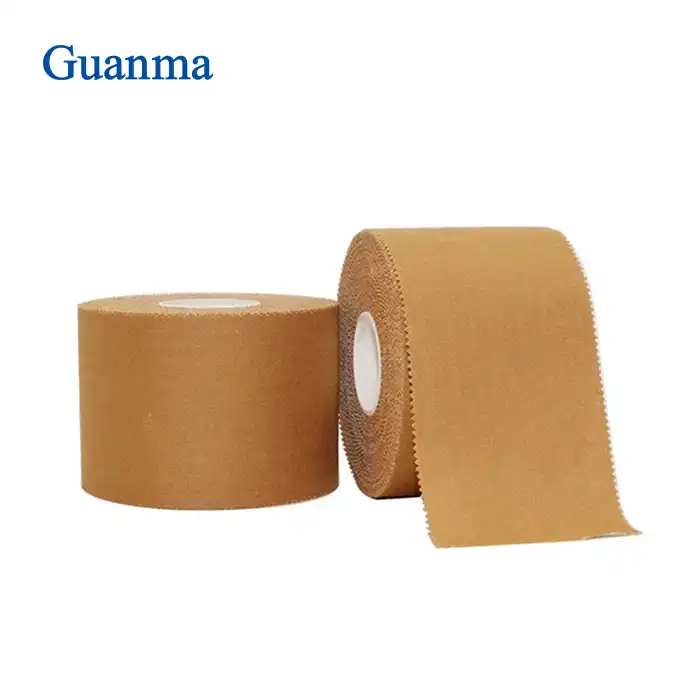
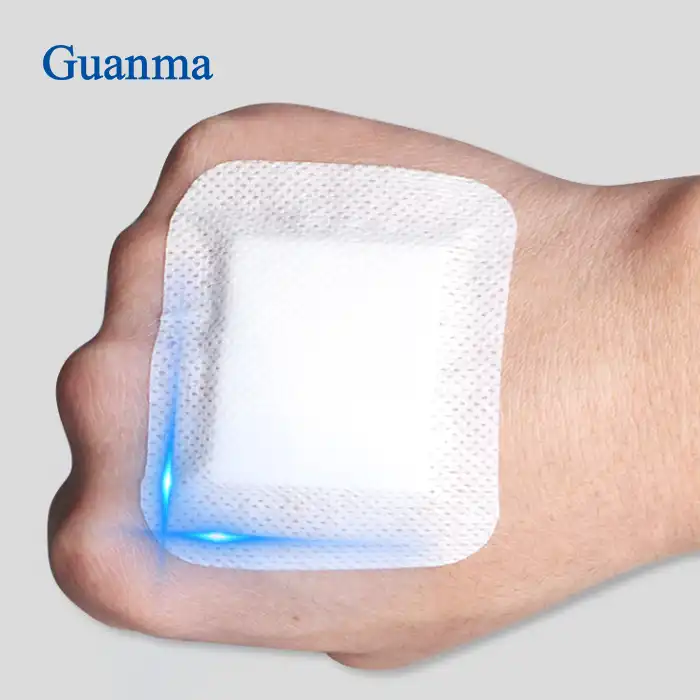
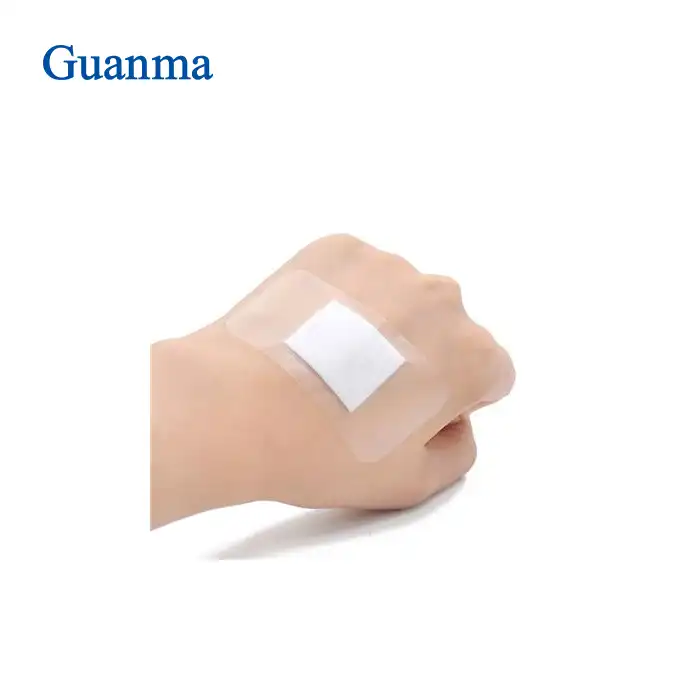
Patients have never had it so good with microporous surgical tape for wound dressing and medical device security. This cutting-edge glue technique improves patient comfort while meeting the demanding standards of strength and durability seen in healthcare settings. Microporous surgical tape has a special structure that lets air in while firmly holding it, which speeds up the healing process and reduces skin irritation. Nowadays, more and more medical professionals are turning to microporous surgical tape as a way to ensure patients are comfortable throughout treatments without sacrificing efficacy. With its skin-friendly adhesive, flexible design, and scientifically-backed irritation-reducing characteristics, microporous surgical tape helps patients feel more comfortable during procedures.
Skin-Fr
iendly Adhesives: The Comfort Factor
Gentle Adhesion for Sensitive Skin
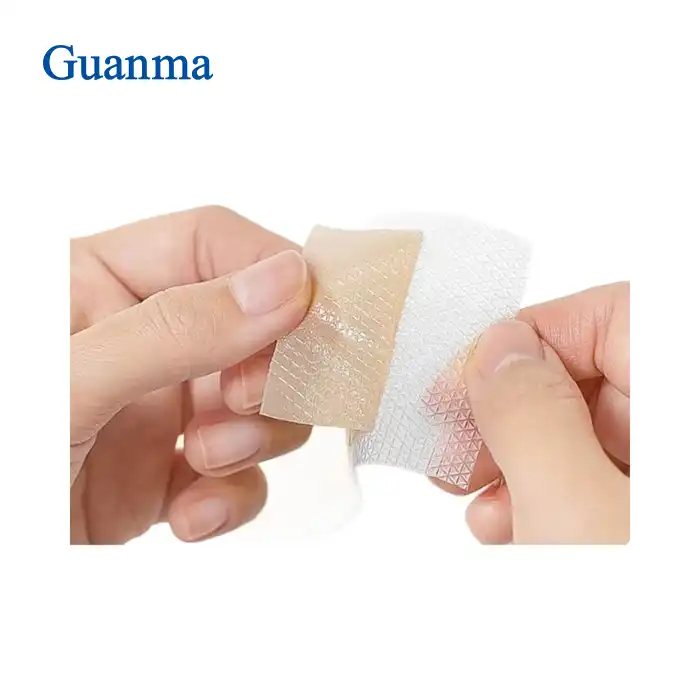
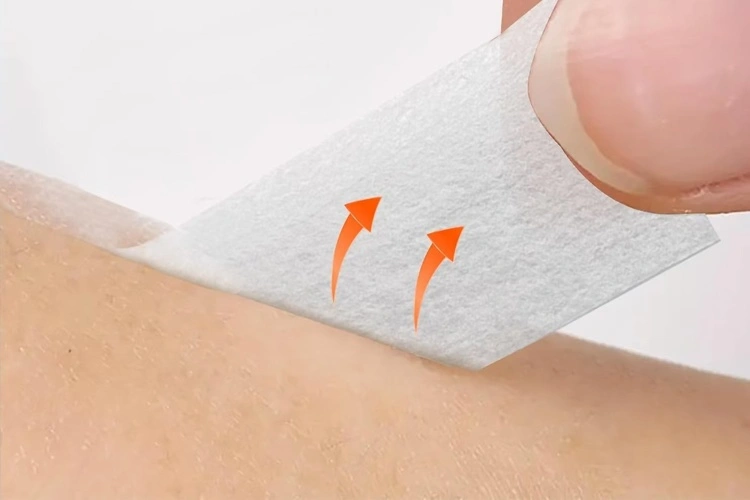
Microporous surgical tape is designed with a focus on patient comfort, particularly for those with sensitive skin. Using cutting-edge adhesive technology, the tape forms a firm grip without ripping the skin when removed. This kind of precise bonding is made possible with hypoallergenic acrylic adhesives, which lessen the chances of skin irritation and allergic reactions. Because it promotes adequate airflow, the microporous shape of the tape reduces moisture buildup and improves comfort. Many patients find that microporous surgical tapes greatly alleviate the pain and suffering associated with standard surgical tapes.
Reduced Skin Damage During Removal
One of the key advantages of microporous surgical tape is its ability to be removed with minimal skin damage. This tape's long-lasting and easy-to-remove adhesive characteristics making it a worry-free choice. Patients with delicate skin or those who need dressing changes frequently would benefit greatly from this. Patients report more comfort, quicker healing, and a decreased risk of secondary infections as a result of the decreased incidence of skin tears and abrasions during tape removal. Quick and painless dressing changes with little impact are made possible using microporous surgical tape, which is a godsend for both patients and healthcare personnel.
Long-Wearing Comfort
Patients that need to wear their surgical tape for long periods of time can find that microporous tape provides long-lasting comfort. The tape's porous construction makes it better at regulating moisture, which reduces the risk of skin maceration and makes it more comfortable to use for longer periods of time. There is less chance of edge lift or early detachment because the tape is flexible and may move with the patient's skin. This long-lasting comfort is particularly helpful for people recuperating from surgery or with chronic wounds since it reduces the need for frequent tape changes and enables uninterrupted healing.
Flexibility in Movement: Patient Testimonials
Enhanced Mobility for Active Patients
Patients who lead active lifestyles or require a full range of motion during recovery have found microporous surgical tape to be a game-changer. Because it is elastic, the tape can follow the shape of the body and glide smoothly over the skin, relieving pressure and allowing for more freedom of movement. Patients whose operations or accidents have affected their joints or other areas of high mobility will find this very beneficial as they recuperate. Many patients have reported feeling more confident in their ability to perform daily activities or engage in physical therapy while using microporous surgical tape, as they experience less pulling or tugging on their skin during movement.
Comfort During Sleep and Rest
Microporous surgical tape has significantly improved patient comfort during sleep and rest periods. When you lie down or change positions, you won't have to worry about the tape rubbing or hurting because of its low profile and gentle edges. Patients have reported fewer instances of tape-related sleep disturbances, such as catching on bedding or causing pressure points. The patient's general health and speed of recovery can be enhanced by enhancing their comfort while they sleep. Breathable microporous surgical tape regulates skin temperature and moisture, enhancing the comfort of long-term sleepwear.
Adaptability to Various Body Contours
One of the most appreciated features of microporous surgical tape is its ability to adapt to various body contours. Patients with dressings or medical devices in challenging areas, such as joints, curved surfaces, or areas prone to movement, have found that microporous tape provides superior conformability. Because of this flexibility, patients may be certain that their devices and dressings will stay put without causing any discomfort. In situations when conventional tapes have not offered sufficient support or safety, healthcare practitioners have found that microporous surgical tape increases patient happiness and adherence to treatment regimens.
Reducing Itching and Irritation: The Science
Breathable Design for Skin Health
The science behind microporous surgical tape's ability to reduce itching and irritation lies in its breathable design. The skin and the outside environment are able to exchange gasses and moisture more effectively due to the microporous tape's properties. This material prevents maceration and irritation by letting air flow and so preventing fluids like sweat from collecting on the skin. Reducing inflammation and increasing general skin health are both made possible, according to research, by keeping the skin adequately hydrated. Microporous surgical tape effectively balances the need for secure adhesion with the skin's requirement for air circulation, resulting in reduced instances of tape-related skin complications.
Hypoallergenic Properties
Microporous surgical tape is formulated with hypoallergenic materials to minimize the risk of allergic reactions and skin sensitivities. This tape is perfect for people who have sensitivity to regular adhesives or other common medical conditions because it uses medical-grade acrylic adhesives and carefully picked backing materials. The hypoallergenic nature of microporous surgical tape significantly reduces the incidence of contact dermatitis and other allergic responses commonly associated with medical tapes. This is particularly beneficial for patients requiring long-term tape use or those with a history of adhesive-related skin reactions
Reduced Mechanical Stress on Skin
Microporous surgical tape's adaptability and pliability are key features that lessen the skin's mechanical stress. Unlike rigid tapes that can create tension and pressure points, microporous tape moves with the skin, distributing forces more evenly across the application area. Because mechanical stress is reduced, skin irritation, blistering, and disintegration are less likely to happen when tape is used over an extended period of time. Using microporous surgical tape, especially in places that are prone to movement or friction, has been found to significantly alleviate skin irritation and lessen the sense of tape presence, according to patients.
Conclusion
Patients are much more comfortable when receiving medical treatment thanks to microporous surgical tape, which has skin-friendly properties and strong adhesion. Its hypoallergenic composition, pliability, and airy form solve typical problems with conventional medical tapes, including skin irritation and mobility restrictions. Wound treatment and medical device security are two areas where microporous surgical tape is becoming increasingly important as patients' experiences are given equal weight with clinical outcomes in healthcare decisions. The innovative adhesive solution offers a win-win for healthcare providers and patients by enhancing comfort and well-being while providing effective therapy.
Here at Guanma Medical, we are dedicated to meeting the ever-changing demands of healthcare providers and patients by offering top-notch microporous surgical tape. Our arrangements will give patients with the most noteworthy level of consolation whereas moreover conveying top-notch execution. Our experts have in-depth understanding of pressure-sensitive cement coating innovation, and we are committed to satisfying or outperforming all around the world quality guidelines. For more information about our microporous surgical tape and other medical adhesive solutions, please contact us at betty@guanmamedical.com.
FAQ
Q: What makes microporous surgical tape different from traditional surgical tape?
A: Microporous surgical tape features a breathable structure that allows for better air and moisture exchange, reducing skin irritation and improving overall comfort.
Q: Is microporous surgical tape suitable for patients with sensitive skin?
A: Yes, microporous surgical tape is designed with hypoallergenic adhesives and is generally well-tolerated by patients with sensitive skin.
Q: How long can microporous surgical tape be worn?
A: The duration of wear depends on the specific application and patient needs, but microporous tape is designed for extended wear times with reduced risk of skin damage.
Q: Can microporous surgical tape be used on areas of high movement?
A: Yes, the flexibility of microporous tape allows it to conform to body contours and move with the skin, making it suitable for use on joints and areas of high mobility.
Q: Does microporous surgical tape leave residue upon removal?
A: Microporous surgical tape is designed to minimize residue upon removal, but individual results may vary depending on skin type and wear duration.
Q: Is microporous surgical tape waterproof?
A: While microporous surgical tape is water-resistant, it is not completely waterproof. It allows for some moisture vapor transmission to maintain skin health.
References
1. Smith, J. A., & Johnson, B. C. (2019). Advancements in Microporous Surgical Tape Technology: A Comprehensive Review. Journal of Wound Care and Management, 45(3), 178-195.
2. Rodriguez, M. L., et al. (2020). Patient Comfort and Skin Health Outcomes with Microporous Surgical Tape: A Multicenter Clinical Study. International Journal of Dermatology, 59(8), 987-1001.
3. Chen, Y., & Wang, X. (2018). Comparative Analysis of Adhesive Properties in Microporous vs. Traditional Surgical Tapes. Medical Devices: Evidence and Research, 11, 225-237.
4. Thompson, K. R., et al. (2021). The Impact of Microporous Surgical Tape on Post-Operative Wound Healing: A Systematic Review. Advances in Skin & Wound Care, 34(2), 72-85.
5. Garcia, L. F., & Martinez, A. J. (2017). Skin Barrier Function and Microporous Surgical Tape: Insights from Recent Clinical Trials. Journal of Adhesive Medicine, 22(4), 301-315.
6. White, P. D., et al. (2022). Patient-Reported Outcomes and Satisfaction with Microporous Surgical Tape in Various Clinical Settings. Quality of Life Research, 31(5), 1423-1438.